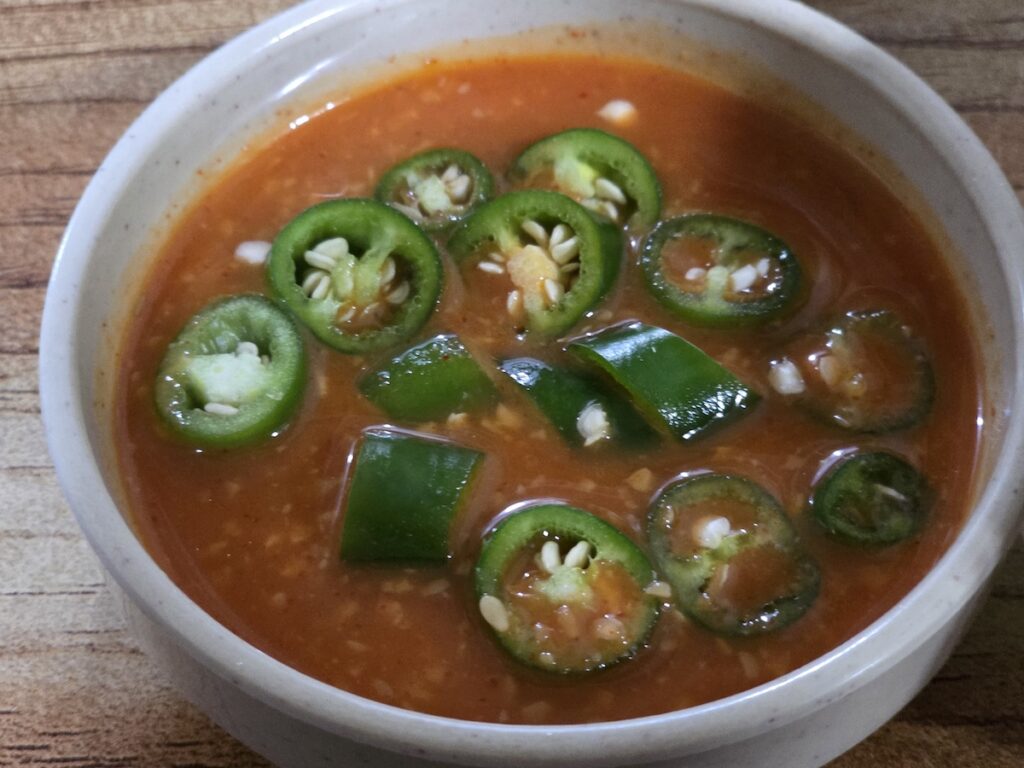
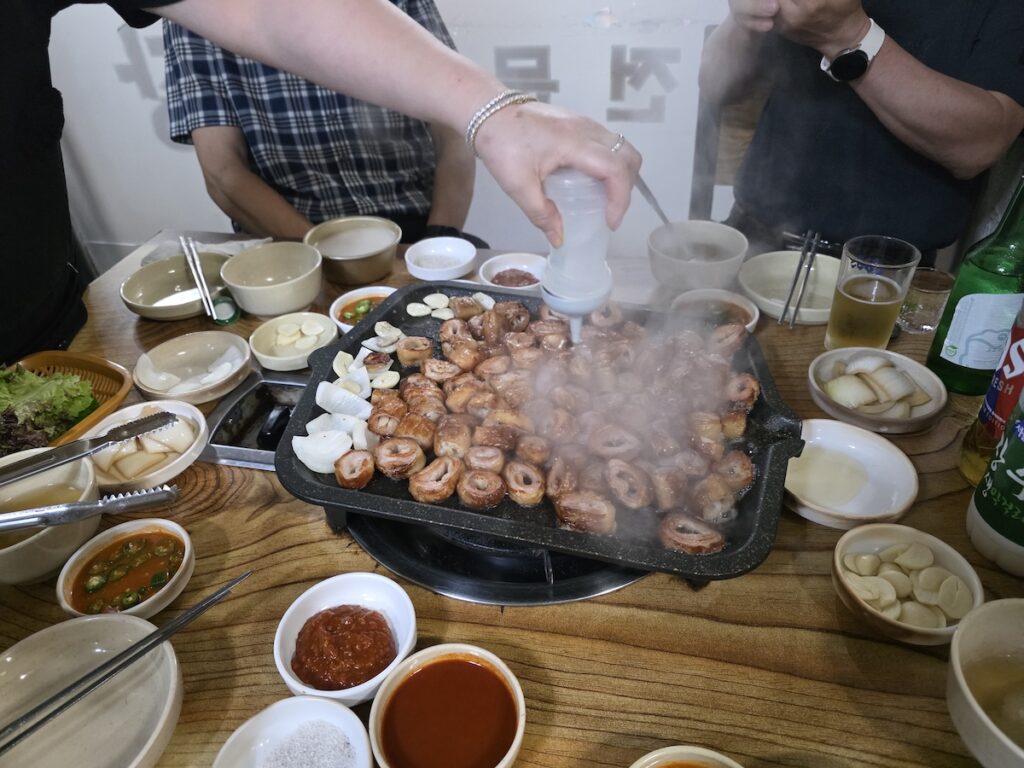
Last night, sitting in a local spot with the air thick with the irresistible aroma of grilled meat, the server placed a small bowl in front of me. I was digging into some makchang—grilled pork tripe—but the true highlight wasn’t just the texture of the meat; it was the humble, unassuming Korean dipping sauces that accompanied it: ssamjang speckled with freshly sliced green chili peppers.
As you bite into the rich, fatty, and slightly chewy texture of the meat, the savory, slightly spicy profile of these Korean dipping sauces cuts through the oil instantly, leaving your palate refreshed and ready for the next bite. It made me realize that while travelers often obsess over the quality of the meat itself, the real secret to enjoying a Korean feast lies in the small, unassuming bowls of condiments that sit at the center of the table. Whether you are dipping fresh peppers into a salty paste or mixing your own custom blend, understanding these Korean dipping sauces changes the entire dining experience, turning a simple meal into a well-balanced masterpiece.
Quick Answer: What are Korean dipping sauces and how do you use them?
Korean dipping sauces are the essential flavor enhancers that elevate everything from charcoal-grilled meats to simple vegetable side dishes. The most common varieties include ssamjang (a thick, savory paste made of soybean and chili paste), gochujang (fermented chili paste), and various soy-based mixtures often served with aromatics like garlic and chili. These sauces are not just condiments; they are carefully balanced to cut through the richness of fried or grilled foods, providing a perfect harmony of salty, spicy, and sweet notes. Understanding these sauces is the key to dining like a local and mastering the art of the Korean BBQ experience.
The Triad of Flavor: Ssamjang, Gochujang, and Soy
When you first sit down at a Korean BBQ restaurant, you will notice a variety of small dishes circling the grill. It can be overwhelming for a first-time visitor, but these sauces generally follow a specific logic. They are designed to balance the flavor profile of the protein.
Ssamjang: The BBQ Master
Ssamjang is the undisputed king of Korean BBQ. It is a blend of doenjang (soybean paste) and gochujang (chili paste), usually mixed with sesame oil, garlic, and onions. It is thick, savory, and has a deep umami character that pairs perfectly with grilled pork belly or intestines. When you see locals dipping raw garlic or a fresh chili slice directly into the ssamjang, they are using it to neutralize the sharp, raw heat of the vegetables while adding a punch of fermented goodness.
Gochujang: The Spice Foundation
Gochujang is the backbone of Korean cuisine. This deep red fermented chili paste is sweet, spicy, and incredibly versatile. While it is less common as a direct dip for high-quality beef, you will find it served with dishes that need an extra kick. If you find your meat is too mild, a tiny dab of gochujang can transform the entire experience. It is a bold, forward flavor that demands respect; start with a little and work your way up.
Soy-Based Dips: The Subtle Balancer
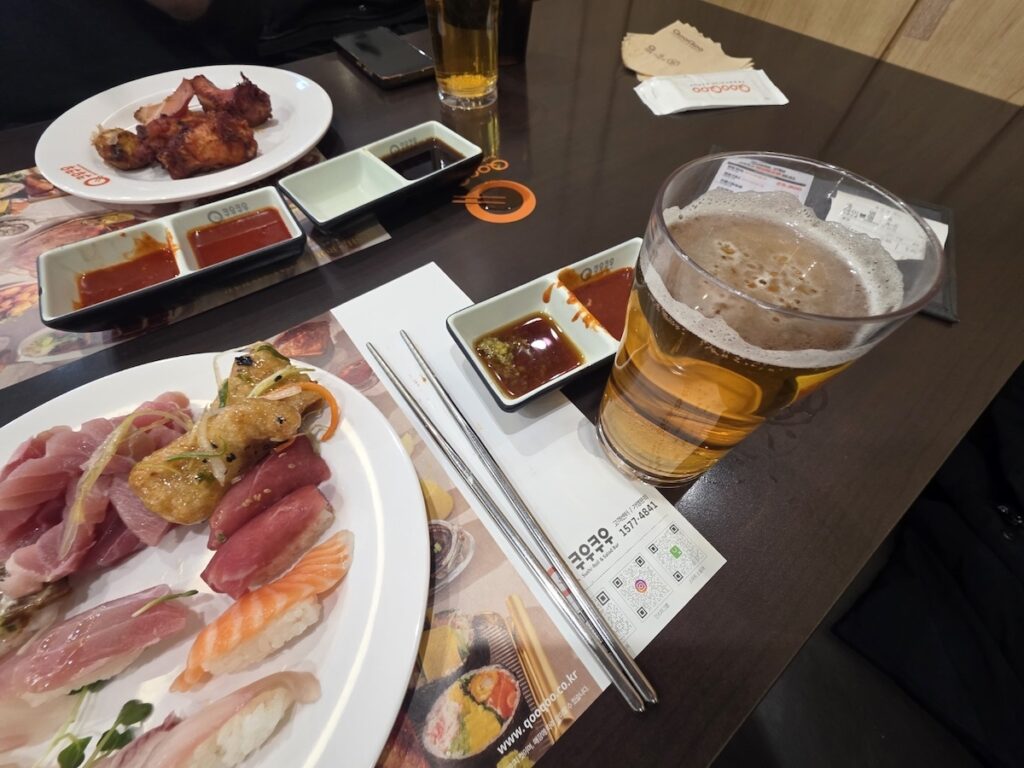
Not every meal requires a heavy paste. Many restaurants offer a light soy sauce-based dip, often mixed with vinegar, sliced onions, or rings of green chili. This is particularly popular with meats that are already seasoned or have a delicate flavor profile. The acidity in the vinegar acts as a cleanser for your tongue, ensuring that the oil from the meat does not overwhelm your senses halfway through the meal.
A Comparison of Dipping Styles
| Sauce Type | Best For | Flavor Profile |
| Ssamjang | Pork BBQ, Makchang, Raw Veggies | Savory, earthy, slightly spicy |
| Gochujang | Bibimbap, Spicy Stews, Bold meats | Sweet, spicy, fermented depth |
| Soy & Chili | Beef, Seasoned meats, Light sides | Salty, acidic, clean and sharp |
Personalizing Your Bite
The most fascinating part of eating in Korea is watching how different people construct their perfect bite. I have watched friends dip raw garlic into ssamjang, while others prefer to place a drop of soy sauce on a slice of brisket. There is no right or wrong way to do this.
Why Your Preference Matters
Some locals swear by dipping their pork in a mixture of salt and sesame oil, arguing that it preserves the original flavor of the meat better than any paste. Others refuse to eat without a heavy spread of ssamjang on every piece of lettuce wrap. When you are at a restaurant, feel free to experiment. The servers will usually provide a small plate of salt, a bowl of ssamjang, and perhaps a soy-based dip. Try dipping your meat into each one to see how it changes the taste of the exact same piece of pork.
The Role of Aromatics
Do not underestimate the importance of the garlic and chili that come with these sauces. The sharpness of a raw chili dipped in ssamjang is one of the most iconic tastes of a Korean dinner. It is a sensation that wakes you up, provides a satisfying crunch, and makes the meal feel complete. If you are nervous about the heat, just start by dipping the tip of the chili into the sauce.
The Science of Fermentation: A Nutritional Perspective
While we often focus on the rich, savory profiles of these sauces, their true power lies in the ancient science of fermentation. Korean condiments—specifically those derived from soybean and chili—are not merely flavor enhancers; they are functional foods that support digestive health and metabolic balance.
1. Ssamjang: The Symbiotic Powerhouse
Ssamjang, as a blend of doenjang (soybean paste) and gochujang (chili paste), offers a unique nutritional synergy. The doenjang component is a powerhouse of probiotics and bioactive peptides produced during the fermentation of soybeans. These compounds have been shown in various studies to support gut microbiota health. When combined with the capsaicin found in the chili paste, the sauce becomes more than a condiment; the capsaicin acts as a thermogenic agent, which can help increase metabolic rate and aid in the digestion of the high-fat content typically found in grilled pork.
2. Doenjang: The Enzyme Catalyst
The core of doenjang is the fermented soybean, which is rich in isoflavones—phytoestrogens known for their antioxidant properties. The fermentation process breaks down complex proteins into easily absorbable amino acids, such as glutamic acid, which is responsible for the deep “umami” flavor. From a digestive standpoint, these enzymes act as a catalyst, helping the body break down the proteins in the meat more efficiently, which reduces the post-meal heaviness often associated with protein-dense diets.
3. Gochujang: Metabolic Activation
The primary active component in gochujang is capsaicin. Beyond its signature “kick,” capsaicin has been scientifically linked to improved lipid metabolism. By incorporating small amounts of gochujang into your meal, you are introducing compounds that may assist in the oxidation of fat. Furthermore, the fermentation of the chili paste with glutinous rice provides a source of beneficial short-chain fatty acids that support a healthy intestinal barrier, making it a functional addition to a diet that includes heavy, grilled meats.
Tip for the Curious: The practice of dipping raw garlic or chili into these pastes is not just for flavor; the allicin in raw garlic and the capsaicin in chili act as natural digestive aids, helping to balance the body’s response to high-cholesterol or high-fat meals. By pairing these fermented sauces with your protein, you are intuitively practicing a form of “nutritional balancing” that has been refined over centuries.
Common Mistakes for Beginners
The biggest mistake travelers make is treating these sauces like Western ketchup or mustard—dumping them on top of the food in huge quantities. Korean dipping sauces are concentrated. They are meant to be used in small amounts to enhance, not mask, the flavor of the food.
Too Much of a Good Thing
If you pile too much ssamjang onto your meat, you will lose the taste of the charcoal-grilled pork. Instead, use the tip of your chopsticks to swipe a small amount onto the meat, or use the sauce to coat the fresh vegetable wrap (ssam) you are building. Remember, the sauce is a bridge between the ingredients, not the destination.
The Garlic Fear
Many travelers avoid the raw garlic cloves served with these sauces. However, when cooked on the grill or dipped into a salty paste, the raw bite mellows out significantly. It is a traditional way to consume garlic that offers a depth of flavor you cannot get with cooked garlic alone.
Embracing the Korean Way
Learning to appreciate these dipping sauces is like unlocking a new level of Korean dining. It is not just about the meat; it is about the interplay between textures and flavors. Whether it is the salty, fermented hit of ssamjang on a slice of pork or the sharp, acidic tang of a soy dip with your beef, these sauces turn a simple dinner into a complex culinary experience.
Next time you are at a BBQ restaurant in Seoul, pay attention to the sauces on your table. Don’t be afraid to ask for more of what you like, or to mix and match as you see fit. By the end of the meal, you will understand why these small bowls are the true heart of Korean food culture.