Trying weird Korean food for the first time is a rite of passage for almost every traveler I’ve met while working between the busy streets of Yeoksam-dong and the quieter corners of Hanam. As someone who operates. Korea on my plate and spends a lot of time explaining Korean etiquette and culture to international visitors, I’ve noticed a consistent pattern. Visitors arrive with a list of “safe” foods like Bulgogi or Bibimbap, but they eventually hit a wall of curiosity when they see locals enthusiastically snacking on something that looks like it belongs in a biology lab rather than on a dinner plate.
I remember taking an American friend out for drinks in Hongdae last spring, and the moment a small bowl of steaming silkworm pupae was placed on the table, his entire expression changed from excitement to genuine confusion. He looked at me and asked, “Are we really supposed to eat these?” That moment of hesitation is where the real culinary journey in Korea begins.
Quick Answer: What is the Weirdest Food in Korea?
If you are looking for weird Korean food, the most famous examples are sannakji (live octopus), beondegi (silkworm pupae), and fermented dishes like kkakdugi (radish kimchi) or various dried seafood snacks. While these may look intimidating due to their movement, smell, or “mummified” appearance, they are staple items in Korean culture. Sannakji is prized for its freshness, beondegi for its high protein, and dried fish like nogari as the ultimate beer snack. The “weirdness” is almost always a result of unfamiliar textures or visual presentations rather than bad taste. To enjoy them, approach with an open mind and focus on the “dan-jjan” (sweet and salty) flavors that Koreans love.
The Moving Sensation of Sannakji
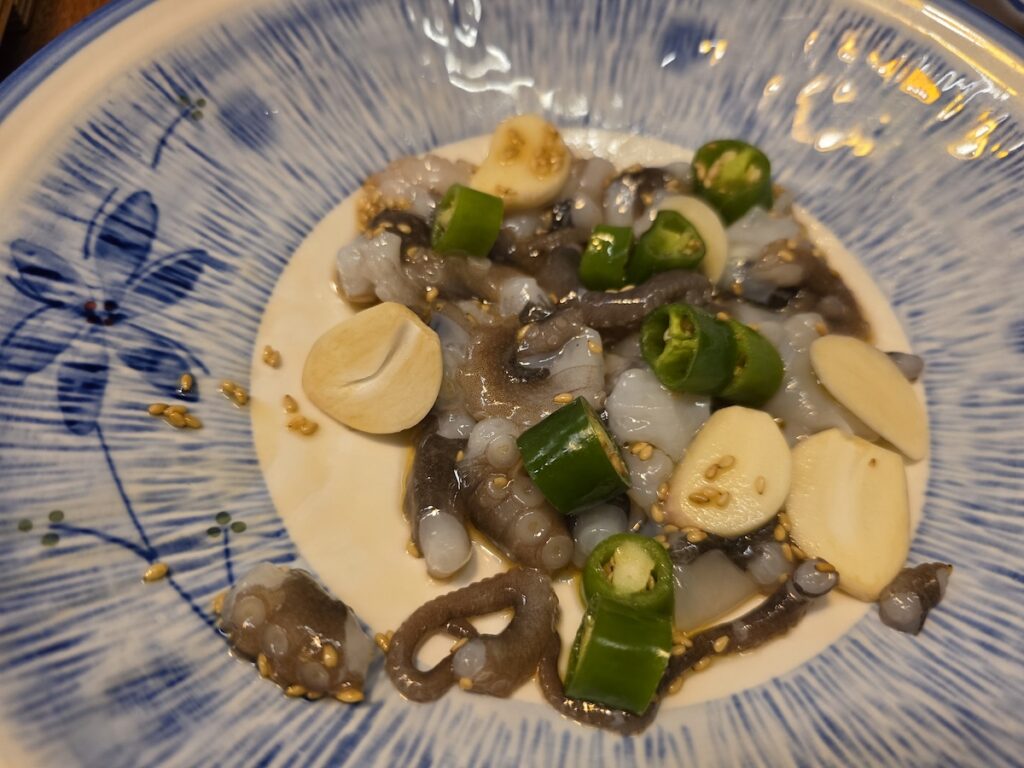
The most iconic entry in the world of weird Korean food is undoubtedly sannakji, or live octopus. It is often the first thing people mention when they talk about “extreme” eating in Seoul. However, there is a common misconception that needs to be cleared up: the octopus is not technically “alive” when it reaches your plate. It has been prepared by the chef, but the highly active nervous system of the octopus causes the tentacles to continue squirming and the suction cups to stay active for quite some time after.
Why Locals Crave the Wriggle
For Koreans, the movement isn’t a gimmick; it is the ultimate proof of freshness. If it isn’t moving, it isn’t worth eating. When you dip a piece of sannakji into a mixture of toasted sesame oil and salt, the flavor is surprisingly mild and nutty. The real experience is the texture—a firm, slightly rubbery chew that fights back just a little bit. It is a tactile eating experience that you can’t get from any other dish.
Safety Tips for the Brave
If you decide to try sannakji, especially at a place like Noryangjin Fish Market, there is one non-negotiable rule: chew it thoroughly. Because the suction cups are still functional, they can occasionally stick to the inside of your throat if you swallow too quickly. It sounds like a horror movie trope, but it is a genuine safety tip. Pair it with a shot of soju, and you will understand why this is a favorite late-night snack for locals.
The Fragrant Challenge of Beondegi
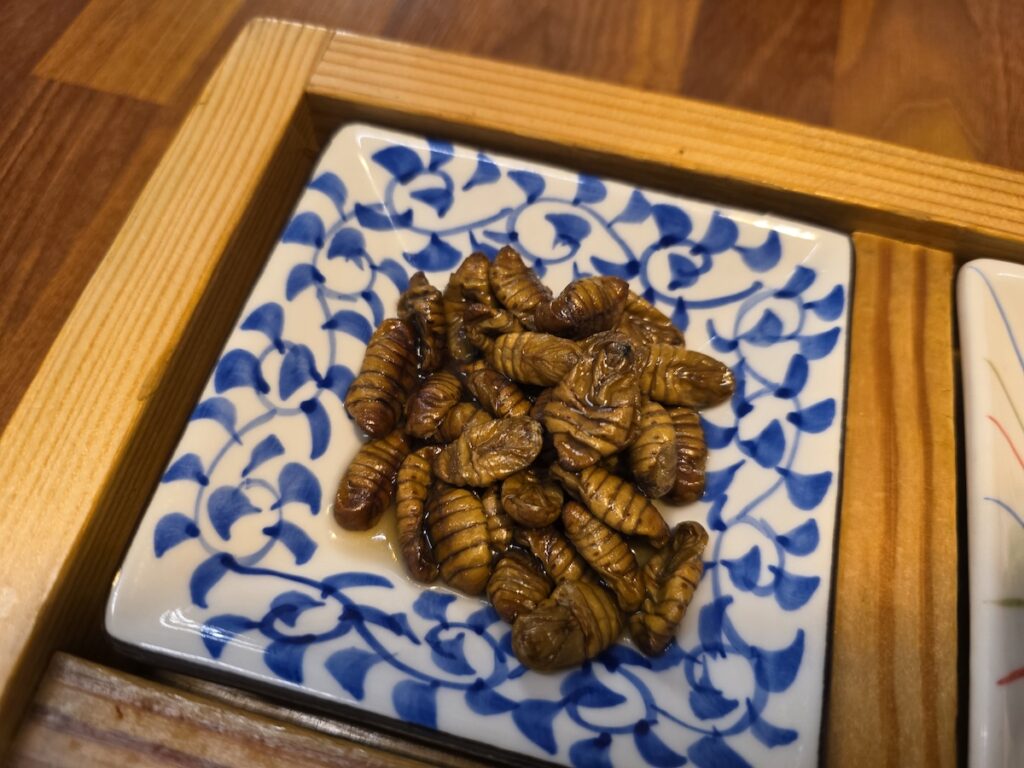
If you walk through a traditional market or past a street food stall in Hongdae, you will inevitably encounter a very specific, earthy, and slightly pungent aroma. That is the smell of beondegi, or silkworm pupae. To many Westerners, this is the final boss of weird Korean food. They are small, brown, and clearly look like insects, often served steaming in a small paper cup or a communal bowl at a bar.
A Nutty Childhood Memory
While visitors might see beondegi as a “dare” food, for many Koreans in their 40s and older, it is a nostalgic snack. It was a common source of protein during leaner times in Korea’s history and remains a popular “anju” (food eaten with alcohol) today. The taste is difficult to describe but falls somewhere between a boiled bean and a roasted nut, with a juicy “pop” when you bite into it. It is incredibly high in protein and is often served at outdoor festivals or hiking trails, like those near Bukhansan, where I often go for a peak experience.
Overcoming the Visual Barrier
The best way to try beondegi is to not look too closely. If you focus on the individual segments of the pupae, you might lose your nerve. Instead, treat it like a handful of nuts. Once you get past the initial psychological hurdle, you might find that the savory, slightly salty broth they are boiled in is actually quite addictive.
Myeolchi-bokkeum: The Fish That Stares Back
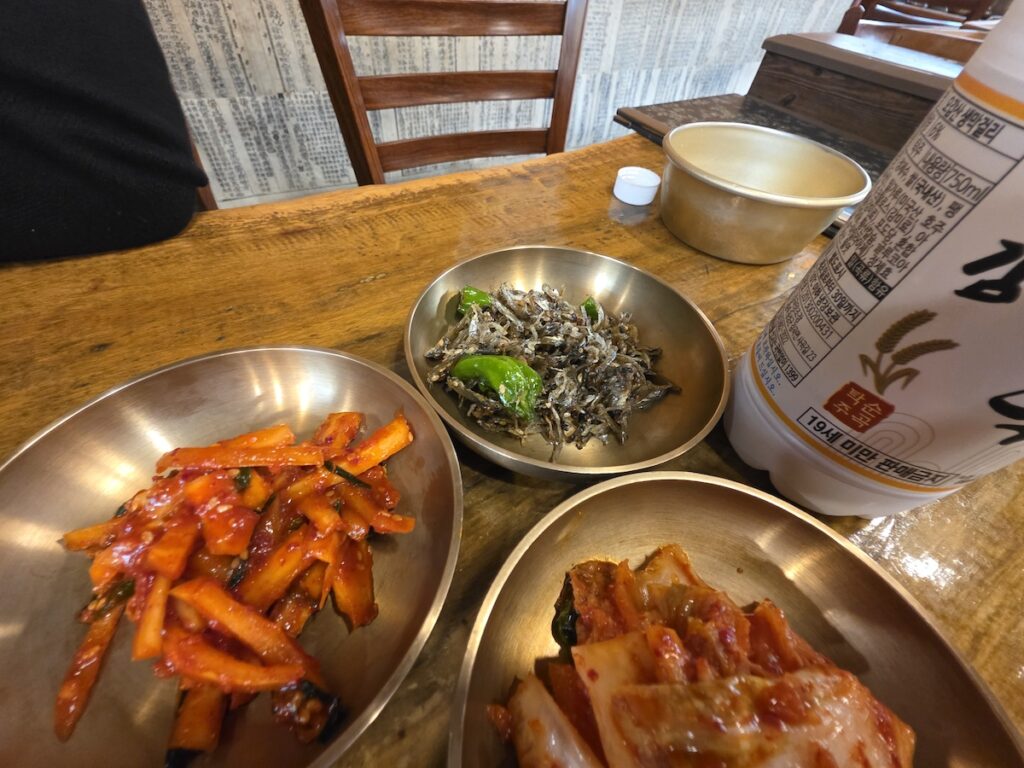
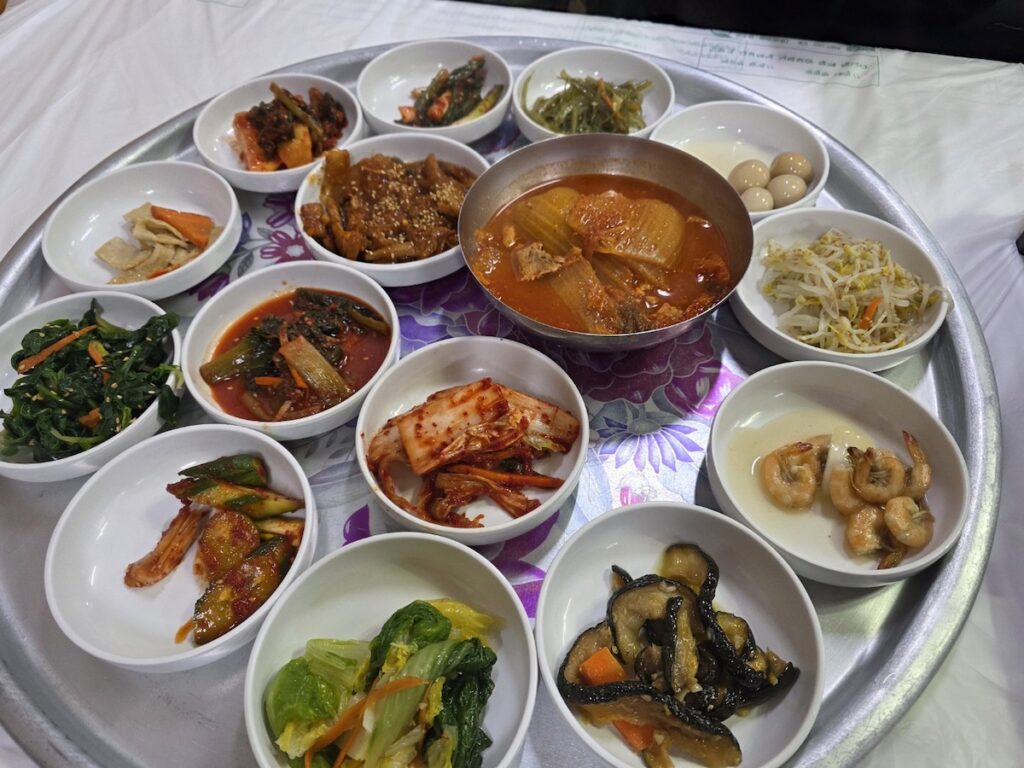
In Western cuisine, anchovies are usually hidden away—melted into a pasta sauce or mashed into a Caesar dressing. In Korea, we put the whole fish on a plate and call it a side dish. Myeolchi-bokkeum, or stir-fried dried anchovies, is a staple of the “banchan” (side dish) culture that I frequently explain to travelers.
Tiny Powerhouses of Calcium
The first thing foreigners notice is the eyes. Dozens of tiny, silver fish looking up from the bowl can be off-putting. However, these are nutritional powerhouses. Because you eat the whole fish—bones, head, and all—you get a massive dose of calcium. In fact, many Korean parents insist their children eat these for bone health.
The K-Popcorn Experience
The “weirdness” of the visual is quickly forgotten once you taste them. They are stir-fried with corn syrup, soy sauce, and sometimes garlic or chili peppers, giving them a “dan-jjan” (sweet and salty) profile that is very similar to honey-roasted nuts or popcorn. They are crunchy, sweet, and savory. If you can get past the “staring eyes,” you will find one of the most delicious and healthy components of a Korean meal.
The Sound of Kkakdugi: Beyond Cabbage Kimchi
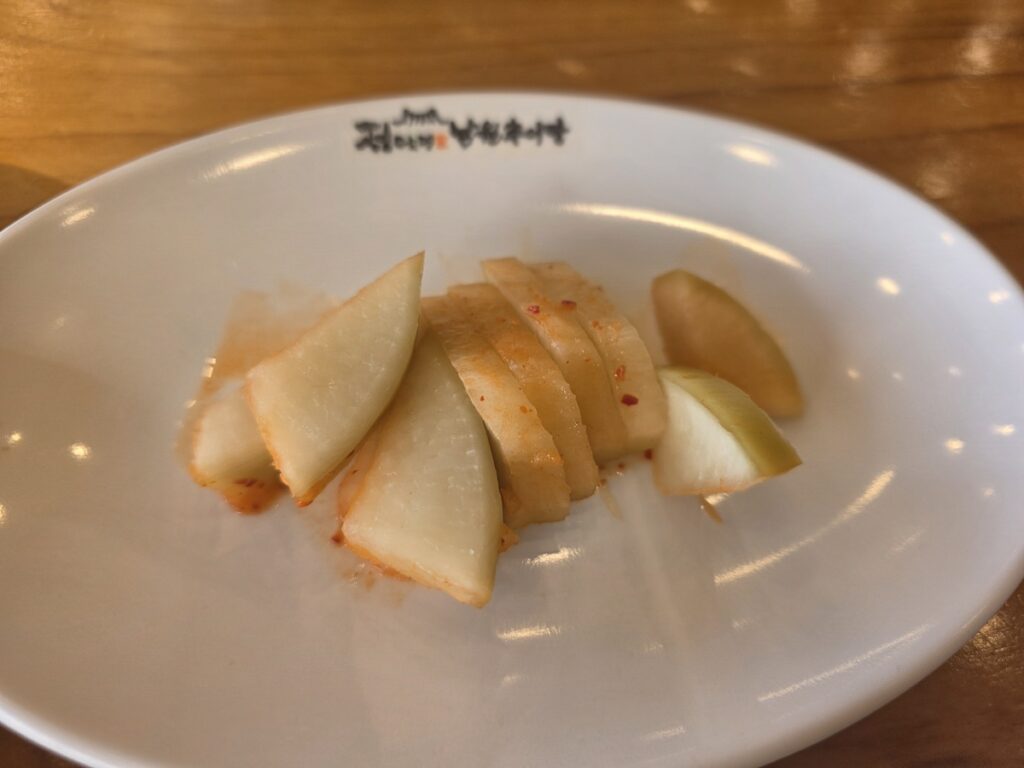
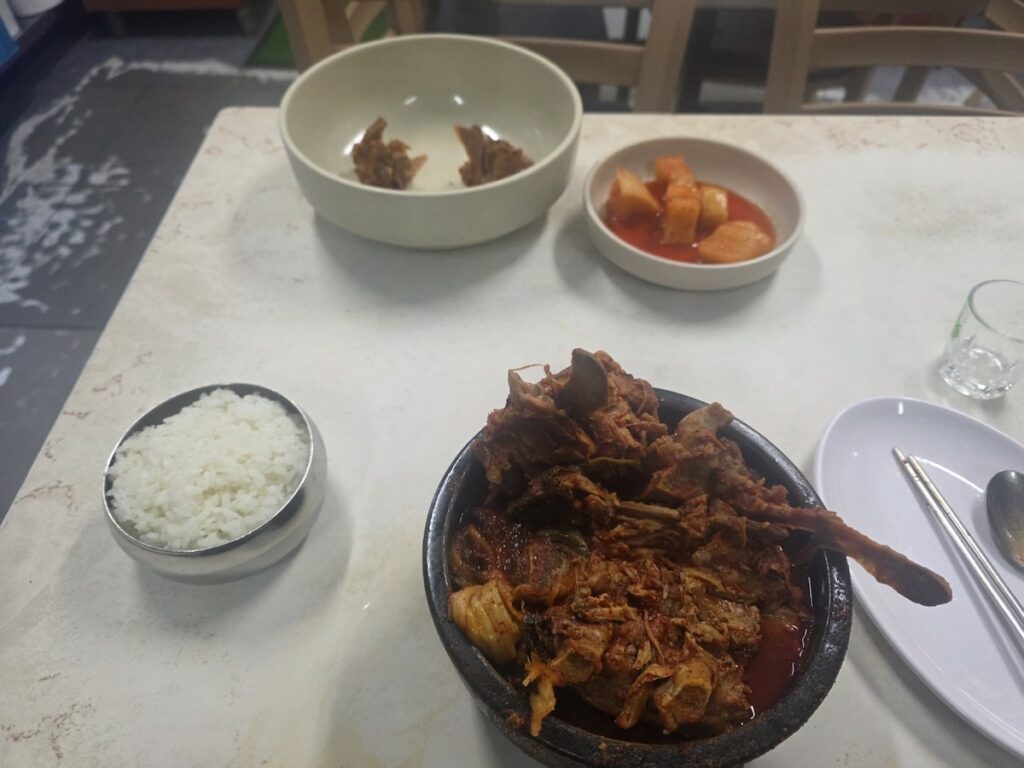
Most visitors are prepared for cabbage kimchi, but they are often surprised by kkakdugi, the cubed radish version. It is often served with hot soups like seolleongtang (ox bone soup) or galbitang (short rib soup). While it might not look as “weird” as a squirming octopus, the sensory experience of kkakdugi is a challenge for many first-timers.
The Auditory Challenge
Korean food culture places a high value on “chewiness” and “crunchiness” in ways that Western cultures don’t always appreciate. Kkakdugi is intentionally fermented to maintain a very hard, crisp texture. The sound of someone eating kkakdugi is a loud, sharp “crunch” that can be heard across the table. For some travelers, the density of the radish feels almost too hard, like biting into a piece of wood.
The Sulfur Surprise
There is also the smell. As radish ferments, it releases sulfur compounds that can be quite pungent—often more so than cabbage kimchi. If you open a container of aged kkakdugi, the aroma can be overwhelming for the uninitiated. But for a local, that smell indicates a deep, complex flavor that will perfectly cut through the richness of a greasy beef broth. It acts as the ultimate “palate cleanser.”
Nogari: The Mummified Beer Snack
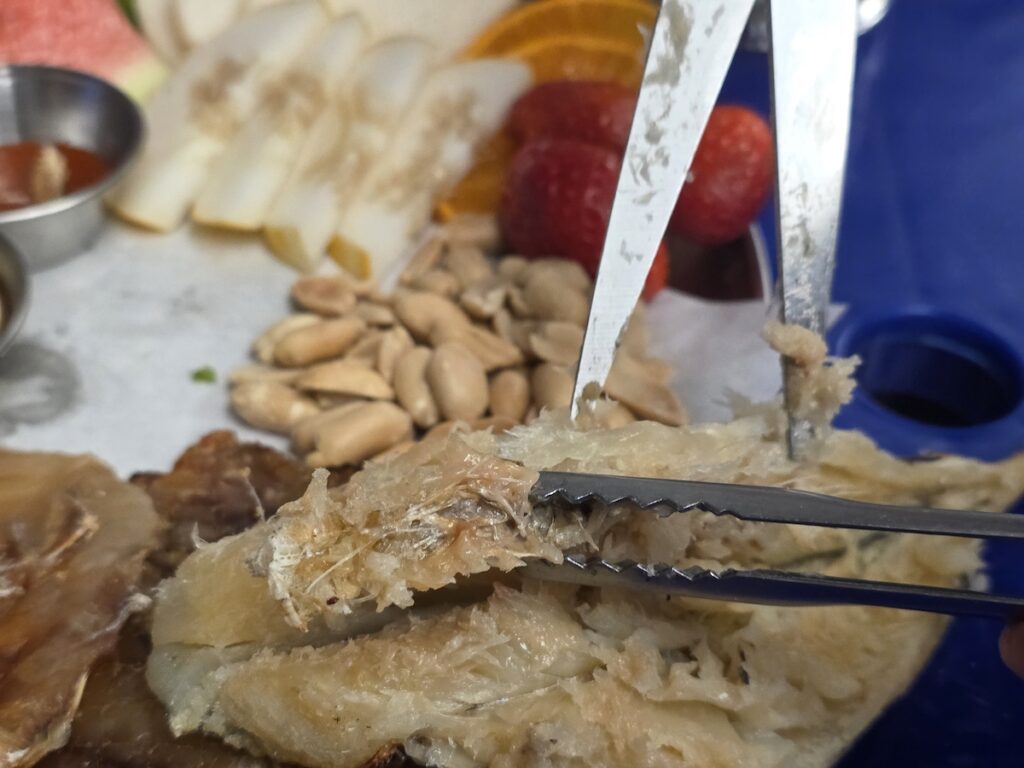
Finally, we have nogari, or semi-dried young pollack. If you visit the famous “Nogari Alley” in Euljiro, you will see thousands of people sitting on plastic chairs in the street, chewing on what looks like mummified fish.
A Test of Patience and Teeth
Nogari is tough. It is dried until it has the consistency of leather. To an outsider, it looks like something you would find in an ancient tomb rather than a pub. You often have to rip it apart with your hands and chew it for a long time to release the flavor. This “chewing challenge” is exactly what Koreans love about it. It’s a slow-burn snack that lasts through hours of conversation and several pitchers of beer.
The Secret is in the Sauce
No one eats nogari plain. It is always served with a small dish of mayonnaise mixed with gochujang (red chili paste) and sliced green peppers. The fatty creaminess of the mayo balances the dry, fishy saltiness of the nogari. It is a functional food—designed to keep your mouth busy while you drink and talk.
Experience Comparison: Tourists vs. Locals
To help you navigate these adventurous eats, I’ve put together a small table comparing how a tourist might see these foods versus how a local experienced in Seoul life perceives them.
| Food Item | Tourist Perspective (Expectation) | Local Perspective (Reality) | Best Way to Eat |
| Sannakji | Scary, dangerous, cruel | Ultimate freshness, chewy texture | Dip in sesame oil and salt; chew well |
| Beondegi | “Fear Factor” challenge, gross | Nutty, high-protein nostalgic snack | Eat with beer or while hiking |
| Myeolchi | Fishy, weird to see the eyes | Sweet, crunchy “K-popcorn” | Mix with rice as a side dish |
| Kkakdugi | Too hard, smells like sulfur | Essential palate cleanser for soup | Eat one cube after a spoonful of soup |
| Nogari | Dry, “mummy” fish, too tough | The perfect social snack for beer | Dip heavily in mayo-chili sauce |
Conclusion: Embracing the Unfamiliar
What we often label as “weird” is simply food that we haven’t found the right context for yet. In Korea, food is rarely just about sustenance; it is about texture, social bonding, and medicinal value. Whether it is the wriggling tentacles of sannakji at a fish market or the pungent crunch of kkakdugi in a quiet soup house in Yeoksam-dong, these dishes are the soul of the city.
If you are a first-time visitor, I encourage you to push past the initial visual shock. Most of these “scary” foods are actually surprisingly sweet, nutty, or savory once they hit your tongue. Start with the dried anchovies (myeolchi), move up to the radish kimchi, and if you are feeling truly brave by the end of your trip, join the locals in Hongdae for a cup of beondegi. You will leave Korea not just with photos of palaces, but with a deeper understanding of the “dan-jjan” spirit that defines the Korean palate. Just remember: when it comes to the nogari, don’t be afraid to use your hands, and when it comes to the octopus, never stop chewing.