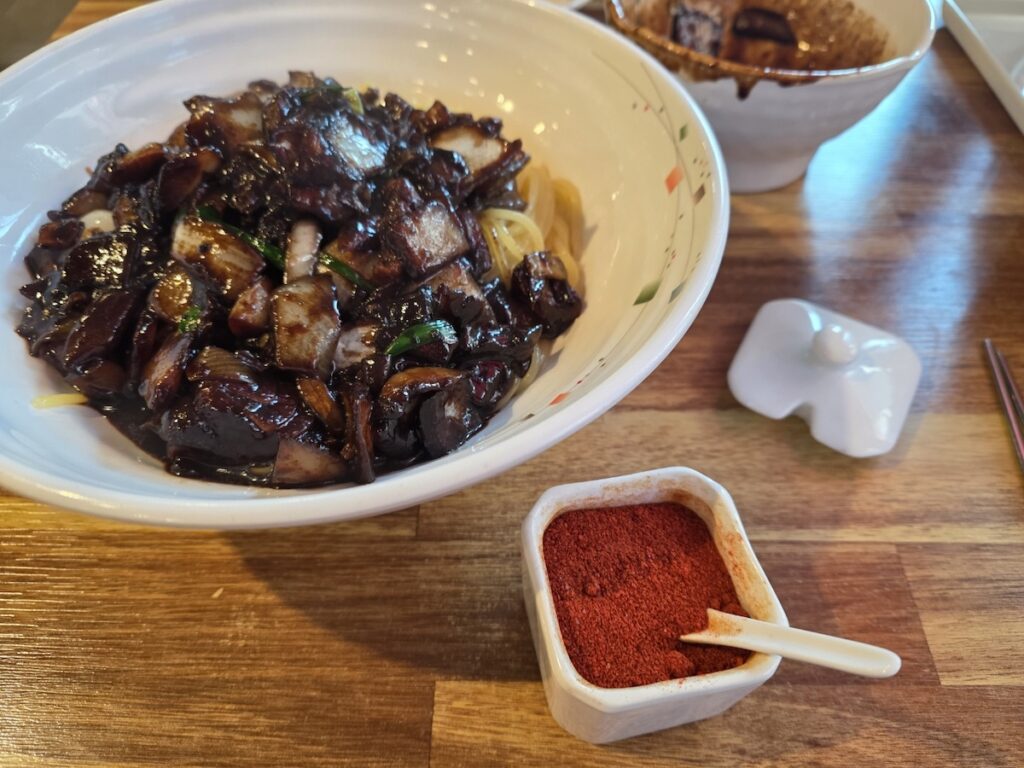
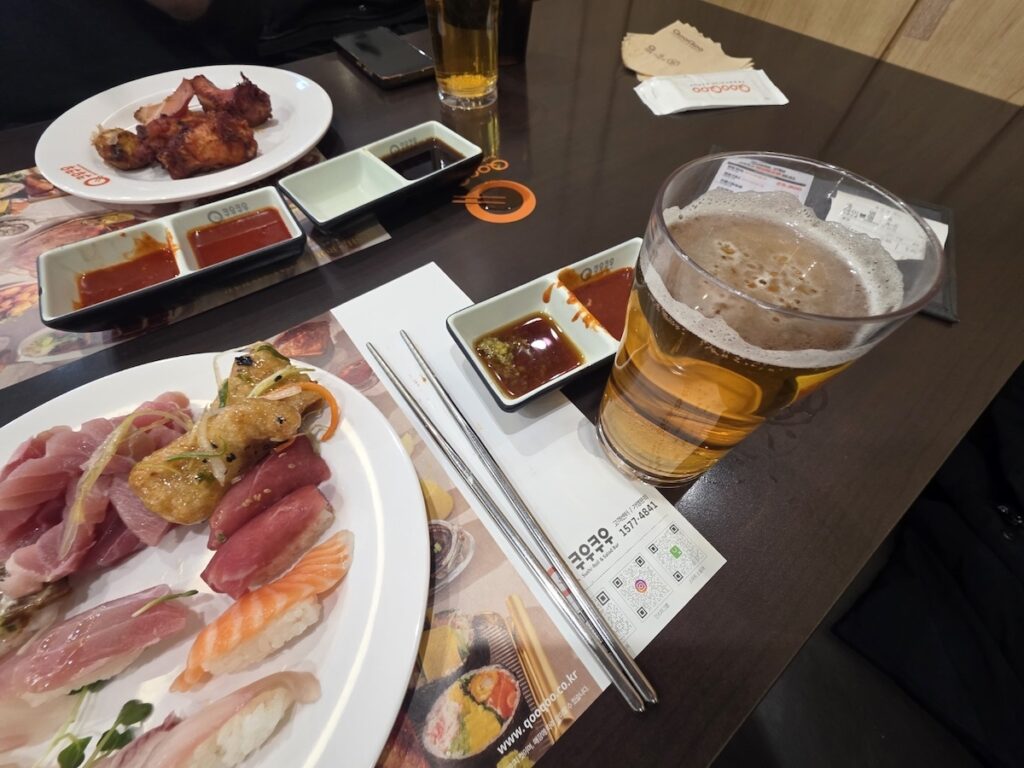
In Korea, when someone says, “I’ll buy you dinner,” it’s almost always followed by a classic, agonizing dilemma: “Meat or Sashimi?” (Gogi or Hoe?) This is the ultimate Korean dining paradox. On one hand, you have the smoky, irresistible allure of Korean BBQ; on the other, the clean, refreshing luxury of a seafood feast. We hesitate because we want both. However, there is a clear winner depending on your current life situation.
If you are currently on a journey for weight-loss in Korea, the choice is instant: you choose Sashimi. If you have a comprehensive health check-up scheduled for next week and are worried about your cholesterol levels, you choose Sashimi. While BBQ is a celebration of indulgence, a Korean seafood meal is a celebration of vitality and health. But why is it that even after a massive seafood dinner, we feel light, energized, and guilt-free? The secret isn’t just in the fish itself—it’s hidden in the incredible array of “Sea Banchan” (side dishes) that transform a simple meal into a high-protein, low-calorie masterclass.
The Choreography of a Korean Seafood Feast
Before we dive into the health benefits, you must understand the “flow” of a Korean seafood restaurant. Unlike a typical Western seafood meal where you order a single plate, a Korean feast follows a rhythmic, multi-stage process:
- The Selection: First, you choose your main fish (Flatfish, Rockfish, or Sea Bream) from the tank or the menu.
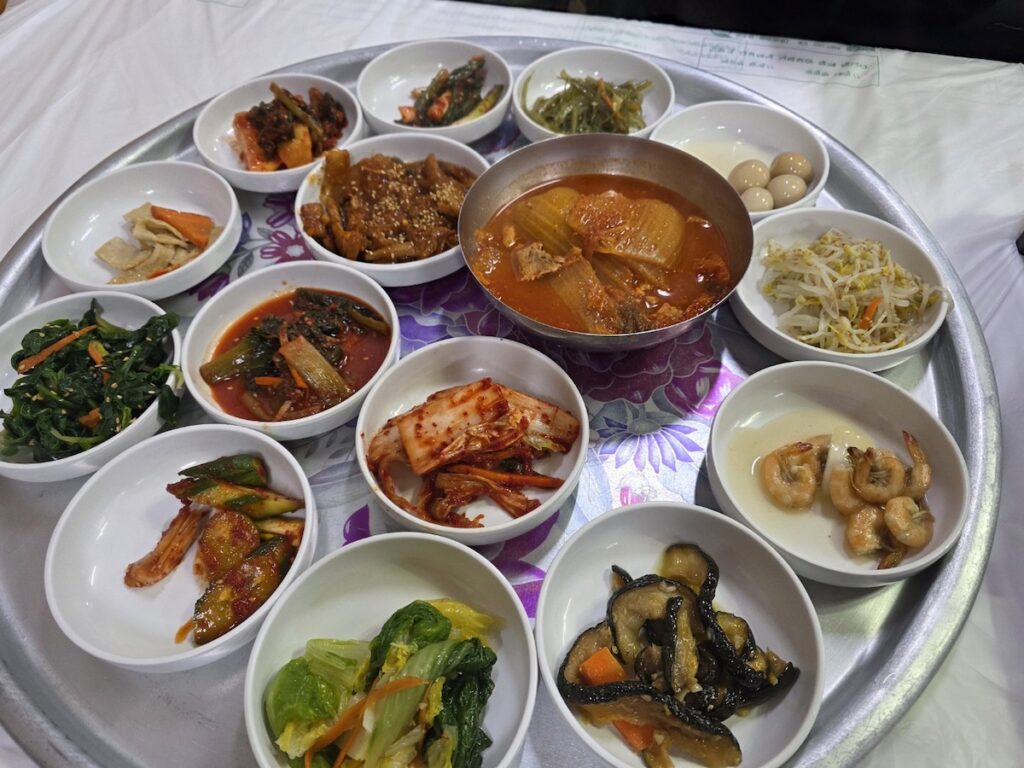
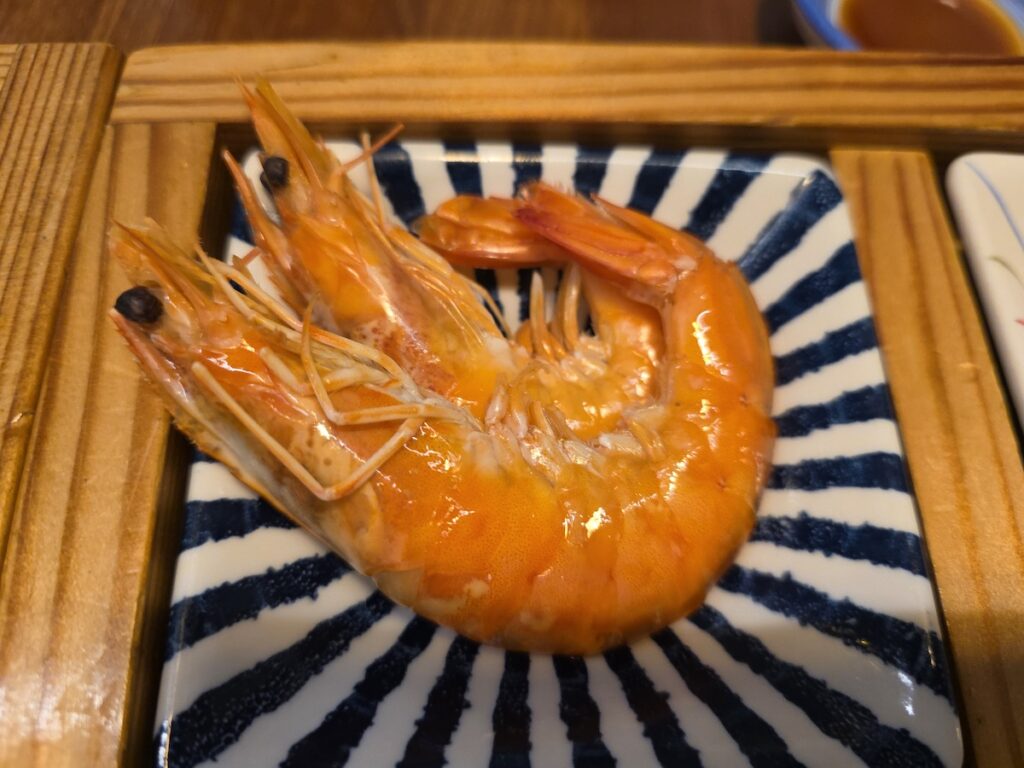
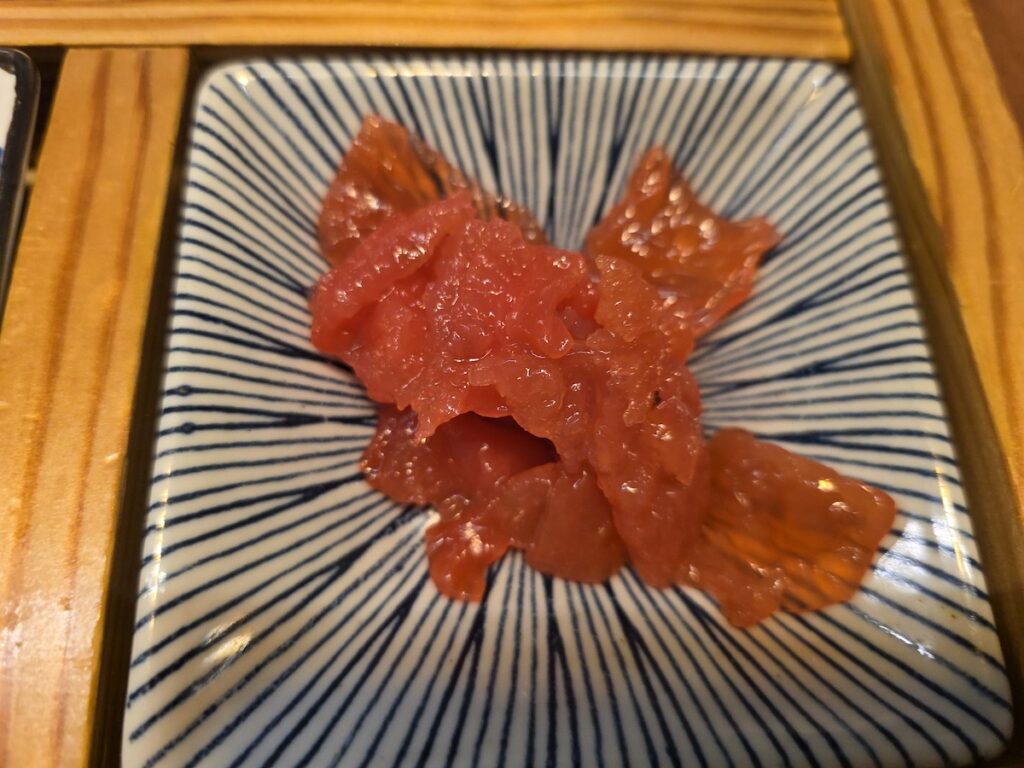
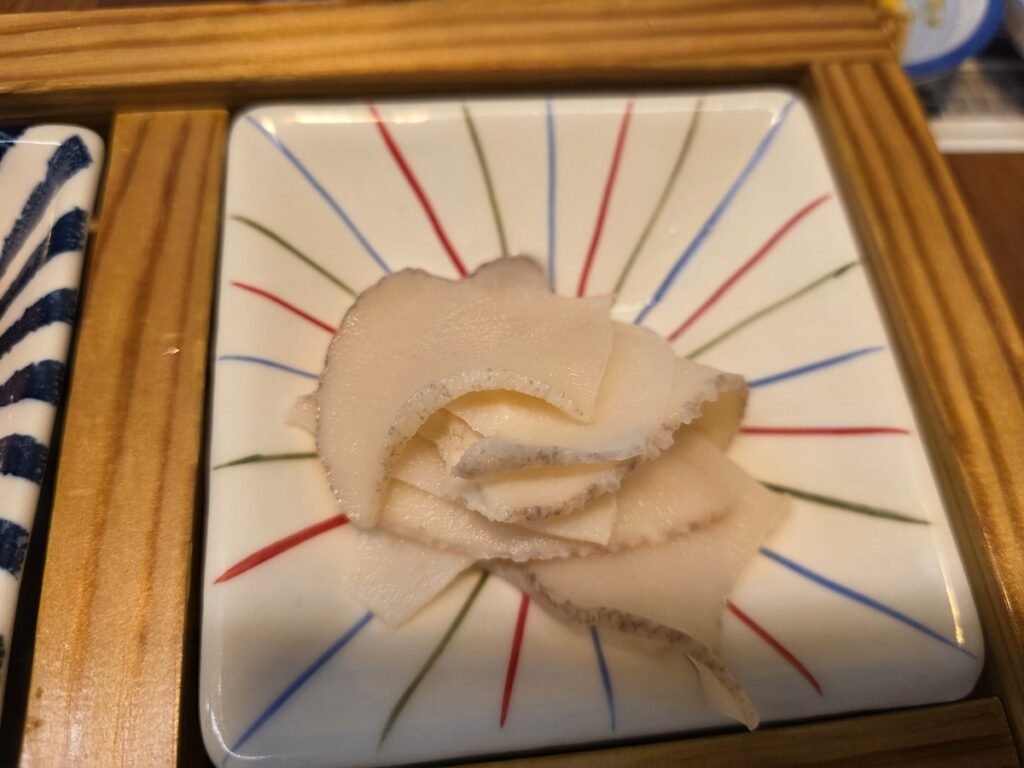
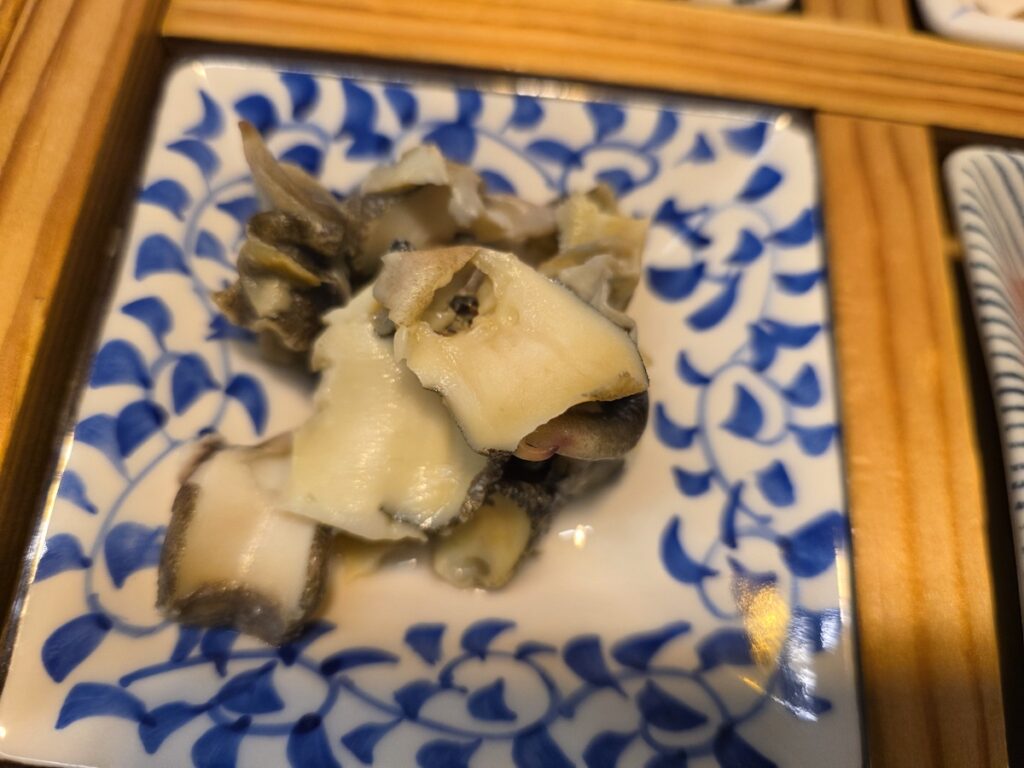
- The Prelude (The Side Dishes): Almost immediately, a wave of small plates—the “Sea Banchan”—covers your table. This is the core of your weight-loss in Korea strategy, filled with fiber and lean protein.
- The Main Event: The fresh sashimi arrives, served beautifully on a large platter.
- The Finale (Maeun-tang): To finish, a spicy fish bone soup called Maeun-tang is served at the center of the table. You can skip the rice here if you’re strictly watching your carbs, or just enjoy the spicy, clear broth to settle your stomach.
This structured journey ensures that by the time the main fish arrives, your hunger is already partially satisfied by the healthiest ingredients the ocean has to offer.
The Science of Sea Banchan: Why It’s the Ultimate Weight-Loss Diet
The reason a Korean sashimi restaurant is the gold standard for weight-loss in Korea isn’t just about avoiding grease; it’s about the density of specific nutrients that boost metabolism and suppress appetite. When those small plates arrive, you aren’t just eating appetizers—you are consuming a strategically balanced array of biological compounds.
High Fiber & Mineral Density (Seaweeds)
Ingredients like Tot (Sargassum) and Sea Mustard are packed with Alginic Acid, a dietary fiber that expands in the stomach to create a lasting feeling of fullness. This prevent overeating during the main course. Furthermore, the high iodine content supports thyroid function, which is the engine of your body’s metabolism.
Lean Protein & Taurine (Shellfish & Octopus)
The steamed conch (Sora), shrimp, and Sannakji (Live Octopus) are powerhouses of Taurine. Scientifically, taurine helps the body metabolize fat more efficiently and reduces muscle fatigue. By consuming these lean proteins first, you trigger the release of Peptide YY, a hormone that signals to your brain that you are full, without the heavy caloric load of animal fats.
Low Glycemic Index (GI) Prep
Almost every side dish in this “pre-meal” is either steamed, boiled, or served raw. This ensures a low Glycemic Index (GI) rating, meaning your blood sugar remains stable. Unlike BBQ, which often involves sugary marinades or white rice pairings that spike insulin (the fat-storage hormone), this seafood ritual keeps your body in a “fat-burning” state throughout the meal.
📊 Nutritional Profile: Sea Banchan vs. BBQ Sides
| Category | Typical Sea Banchan (Steamed/Raw) | Typical BBQ Sides (Fried/Seasoned) | Weight-Loss Impact |
| Main Nutrient | Lean Protein & Fiber | Saturated Fat & Simple Carbs | Seafood Wins: Higher satiety, lower calories. |
| Cooking Method | Steaming / Boiling | Frying / Grilling in Fat | Seafood Wins: No added oils or trans fats. |
| Caloric Density | 40–80 kcal per 100g | 200–450 kcal per 100g | Seafood Wins: Can eat 5x more volume for same calories. |
| Key Compound | Taurine & Alginic Acid | Sodium & Added Sugars | Seafood Wins: Boosts metabolism vs. water retention. |
The Mastery of Minimal Processing: Why Preparation Trumps Ingredients
When discussing weight-loss in Korea, most focus on what you eat, but the real secret lies in how it is prepared. The Korean sashimi restaurant stands as a temple of minimal processing. While Korean BBQ relies on intense heat, caramelization of sugars (the Maillard reaction), and the accumulation of rendered animal fats, the seafood table treats ingredients with a “non-invasive” approach that preserves biological integrity.
Steaming and Boiling: The Zero-Oil Standard
The majority of the appetizers you encounter—from conch and shrimp to various shellfish—are prepared through steaming (Jjim) or blanching (Suk-hoe). Scientifically, this is the superior cooking method for weight management.
- Fat Elimination: Unlike grilling, where meat sits in its own saturated fat, steaming allows any residual oils to drip away while keeping the protein moist and tender.
- Nutrient Bioavailability: High-heat grilling can destroy sensitive vitamins and create AGEs (Advanced Glycation End-products) which are linked to inflammation. Steaming preserves the heat-sensitive minerals and vitamins found in seafood, ensuring your body gets the “fuel” it needs to keep your metabolism running fast.
The Power of the Raw: Enzymes and Bio-Availability
The main course and many side dishes (like Sea Squirt or Sannakji) are served completely raw. This offers a metabolic advantage that cooked food cannot match:
- Active Enzymes: Raw seafood provides live food enzymes that assist your digestive system, reducing the energy burden on your body and preventing that “heavy” feeling after eating.
- Omega-3 Preservation: Omega-3 fatty acids, crucial for reducing systemic inflammation and promoting fat loss, are highly sensitive to heat. By eating seafood raw, you consume these essential fats in their most potent, heart-healthy form.
Plant & Sea-Based Volume: The “Calorie Density” Hack
A table at a Korean sashimi restaurant is architecturally designed to fill you up without filling you out. This is achieved through “Volume Eating” strategies:
- Satiety without Calories: By incorporating massive volumes of steamed broccoli, sea grapes, and various seaweed filaments, the meal provides incredible physical bulk. This triggers the mechanical stretch receptors in your stomach, sending a “stop eating” signal to the brain long before you’ve consumed excess calories.
- The “Chewing” Effect: Many of these healthy sides (like dried seaweed or boiled beans) require significant mastication. Science shows that the more you chew, the more your body releases satiety hormones like cholecystokinin, effectively curbing your appetite for the remainder of the meal.
The Elite Selection: Top 3 Luxury Seafood Destinations in Seoul
For those who want to maintain their weight-loss in Korea while indulging in the finest culinary artistry, these three hotel establishments offer the perfect balance of health and high-end dining. Each is recognized by prestigious culinary guides for their commitment to ingredient purity and exceptional service.
① Ariake (The Shilla Seoul) – The Pinnacle of Zen Minimalism
- Award Status: Blue Ribbon Survey (3 Ribbons) / Seoul’s Iconic High-end Japanese Dining
- The Experience: Ariake is a temple of culinary restraint. For the health-conscious traveler, this is a sanctuary. The chefs here focus on “Non-invasive Cooking,” where the natural flavors of domestic, seasonal seafood are highlighted without unnecessary oils or heavy seasonings.
- Signature Selection: “Season-Inspired Sashimi Course.” This course features white-fleshed fish known for being extremely low in fat. The meal begins with a delicate array of seaweeds and blanched vegetables, providing high fiber to suppress appetite before the main protein arrives.
② Sushi Cho (The Westin Josun Seoul) – The Science of Aging and Health
- Award Status: Michelin Guide Selected / Blue Ribbon Survey
- The Experience: Sushi Cho is where traditional techniques meet modern nutritional science. Through a partnership with Tokyo’s legendary “Ginza Sushiko,” they employ specialized aging (Juk-seong) methods that enhance the umami of the fish, reducing the need for salty dipping sauces.
- Signature Selection: “Mushi-Awabi” (Premium Steamed Abalone). Abalone is a dieter’s dream—high in protein and minerals but nearly zero fat. At Sushi Cho, it is slow-steamed for hours to achieve a buttery texture without a single drop of oil. It is the ultimate “Superfood” for a guilt-free luxury dinner.
③ Kauri (Grand Hyatt Seoul) – Live Ocean-to-Table Performance
- Award Status: Blue Ribbon Survey / Best Live Counter Experience
- The Experience: Named after the ancient New Zealand wood used for its stunning 40-meter sushi counter, Kauri offers a vibrant, “Live” dining experience. The focus here is on sustainable, fresh-catch seafood prepared right before your eyes, ensuring the highest bio-availability of nutrients.
- Signature Selection: “Live Seafood Omakase.” This menu highlights the freshest Sannakji (Live Octopus) and sea-based starters that 사장님 (The Manager) highly recommends. To finish, their “Clear Fish Soup (Jiri)” is a masterpiece of detox dining—a savory broth made solely from fish bones and herbs, providing deep hydration and nutrients without the calories of a stew.
💡 Pro-Tip for International Guests
All three locations offer seamless multilingual support (English, Japanese, and Chinese). When booking, you can mention your preference for a “Low-calorie, Protein-focused course,” and the chefs will expertly tailor your meal to exclude fried items (Tempura) in favor of more steamed or raw delicacies.
Conclusion: Strategic Dining for the Conscious Traveler
Embarking on a journey through Korea’s vibrant food scene doesn’t have to mean compromising your health goals. While the smoky temptation of Korean BBQ is undeniable, choosing a Korean Sashimi Restaurant is a strategic move for anyone serious about weight-loss in Korea.
By opting for seafood, you aren’t just cutting calories; you are embracing a scientifically superior dining ritual that prioritizes live enzymes, lean proteins, and metabolism-boosting sea minerals. The “Sea Banchan” (side dishes) provide a natural volume-eating hack that keeps you satiated, while the minimal-oil cooking methods ensure your body stays light and energized for your travels.
One final pro-tip: When you visit these seafood establishments, don’t be afraid to skip the spicy soup’s side of rice or the post-meal noodles. The variety of nutrient-dense starters you’ve already consumed will be more than enough to fuel your journey. In Korea, the most luxurious meal is often the healthiest one. Make the smart choice for your body, and discover the refreshing power of the ocean.
📝 Executive Summary: The Weight-Loss Advantage
- The Dilemma: Faced with “Meat or Sashimi?” Choose Sashimi for better digestion and weight management.
- The Secret: The “Sea Banchan” (톳, 산낙지, 소라 등) are fiber-rich, high-protein starters that prevent overeating.
- The Science: Steaming and raw preparations preserve Omega-3s and eliminate unnecessary fats.
- The Locations: Elite venues like Ariake, Sushi Cho, and Kauri offer Michelin-level quality with a focus on ingredient purity.
- The Value: Higher satiety with lower caloric density—the ultimate “K-Diet” secret.