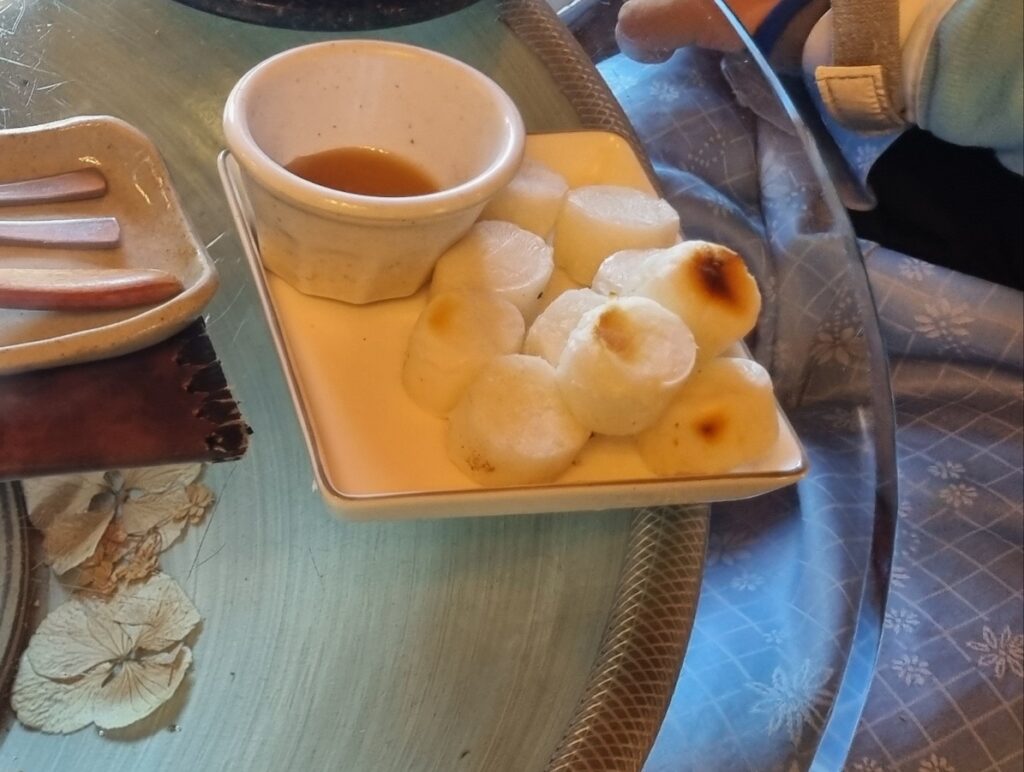
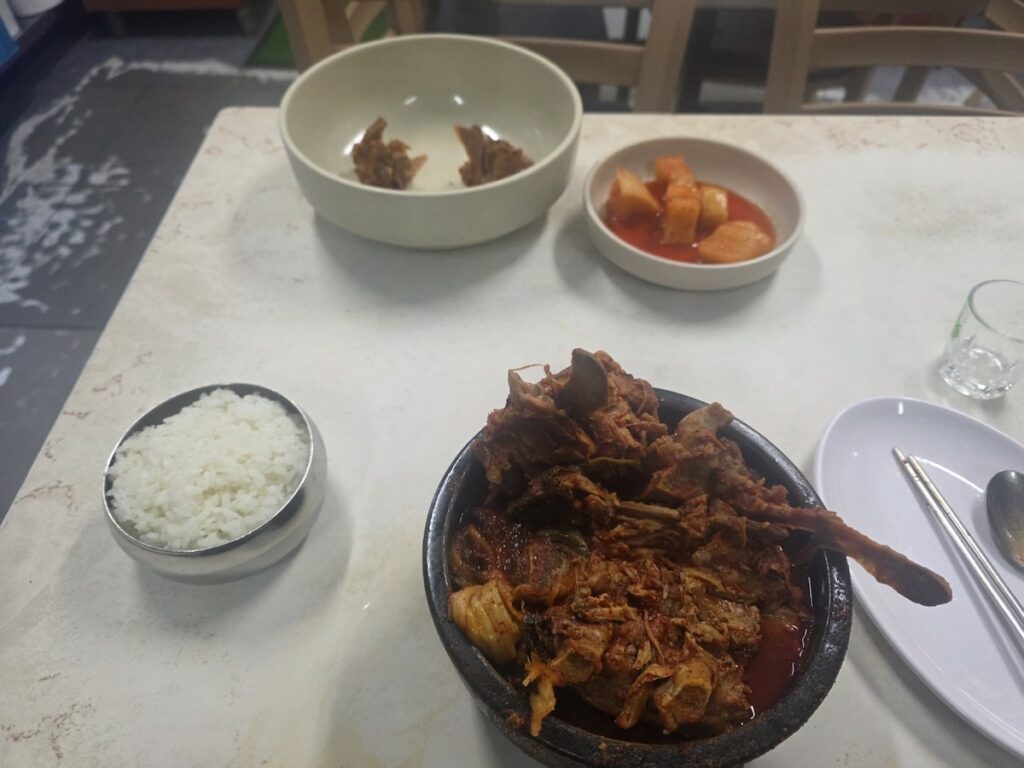
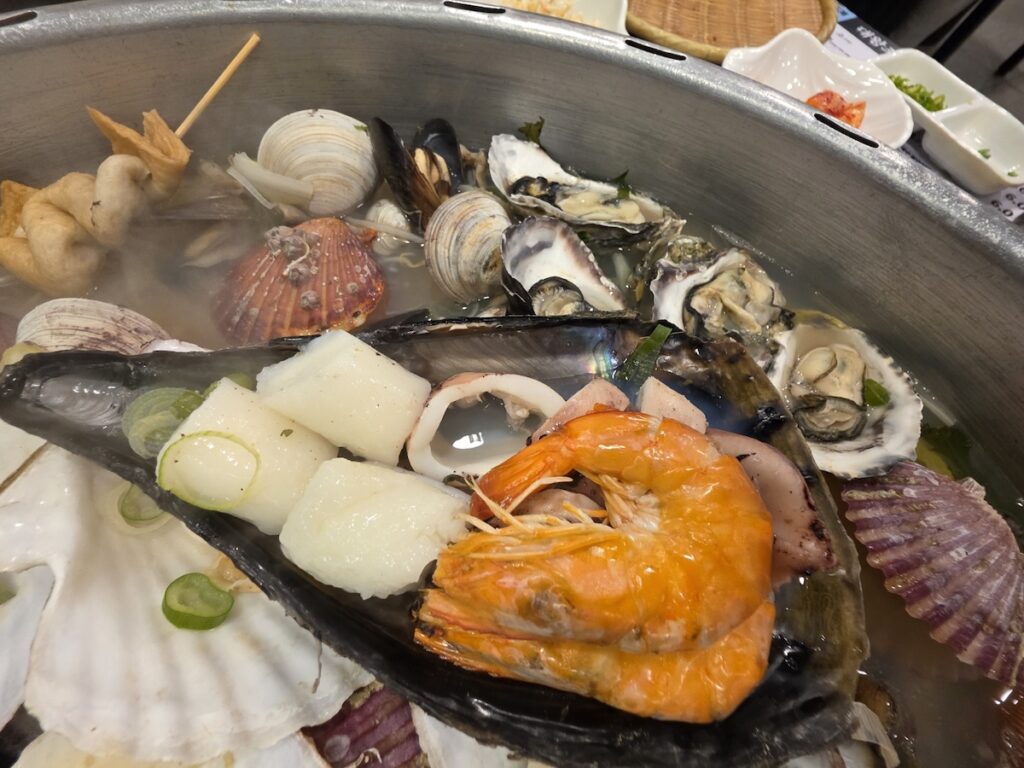
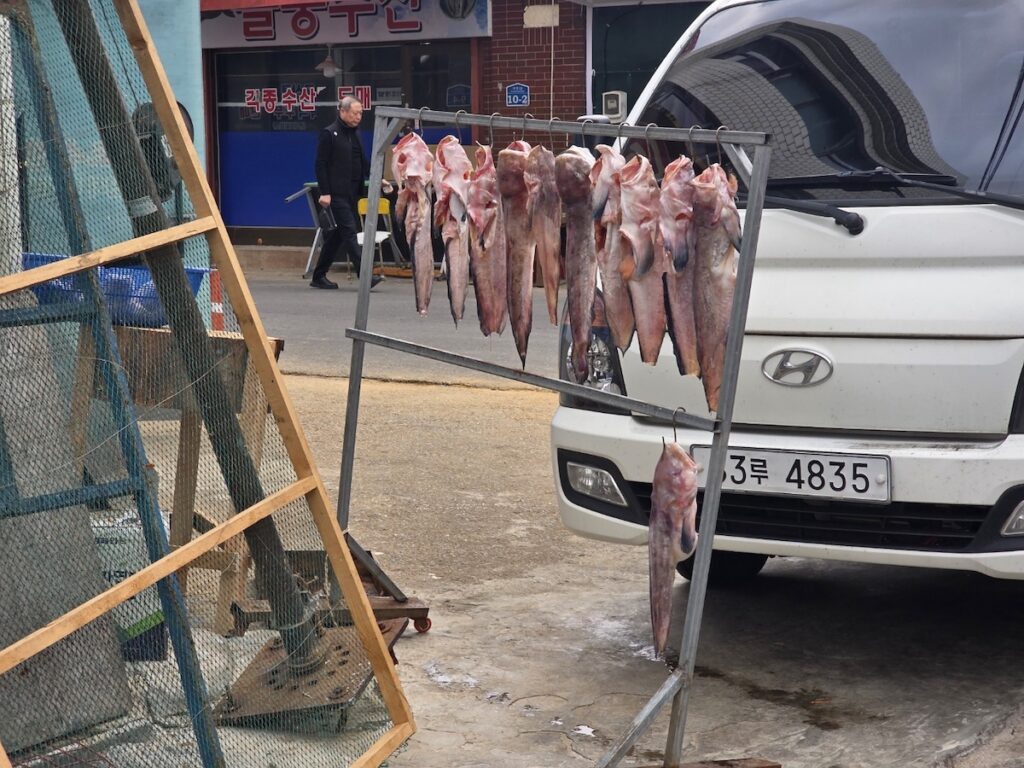
Is it safe to eat raw seafood in Korea? That was honestly the first question on my mind the moment I saw a plate of fresh oysters sitting right in front of me at a small seafood spot in Seoul.
I remember hesitating for a second. If you’re coming from places like the US or parts of Europe, raw seafood can feel a bit risky. There’s always that small voice in your head asking, “Is this really safe?”
But what happened next completely changed how I think about raw seafood.
My First Experience Eating Raw Seafood in Seoul
A moment of hesitation
I was sitting in a casual restaurant in Hongdae, surrounded by locals who were casually eating raw oysters like it was nothing special. No hesitation, no concern—just normal.
That alone made me pause.
The first bite
I added a bit of lemon, a drop of hot sauce, and tried it.
No strong smell. No weird texture. Just clean, slightly sweet, and incredibly fresh.
It didn’t feel risky. It felt… normal.
And that’s when I realized something important—raw seafood in Korea isn’t treated like a luxury or a gamble. It’s just part of everyday food culture.
Why Raw Seafood in Korea Feels Safer Than You Expect
Short supply chain makes a difference
One of the biggest reasons raw seafood feels safer in Korea is how quickly it gets from the ocean to your table.
Korea is surrounded by water, and many seafood products come from nearby coastal areas. This means:
- Less time in transport
- Higher freshness
- Lower risk of spoilage
High turnover at restaurants
Places that serve raw seafood tend to have fast turnover.
This means:
- Ingredients don’t sit around long
- Seafood is constantly refreshed
- You’re more likely to get something recently prepared
Cultural familiarity with raw food
In Korea, eating raw seafood isn’t unusual. It’s common.
From raw fish (회) to oysters and even raw crab dishes, there’s a long-standing culture of eating seafood fresh and uncooked.
When something is part of everyday life, systems tend to adapt around it.
Staying Near Seoul’s Best Seafood Areas
If you’re planning to try raw seafood in Seoul, where you stay can make a bigger difference than you might expect.
Some of the freshest seafood experiences aren’t always in the most touristy areas. Places like Noryangjin Fish Market or Garak Market are well-known for their quality and variety, especially if you want to see how locals actually buy and eat seafood. The thing is, these places are often better enjoyed without rushing—especially in the evening when the atmosphere feels more alive.
Why location matters more than you think
Staying somewhere nearby means you don’t have to worry about long subway rides or missing the last train after dinner. It also makes spontaneous visits much easier. You might not plan to eat raw seafood twice—but once you try it fresh in Korea, plans tend to change.
Areas like Mapo, Hongdae, or even parts of southern Seoul offer a good balance. They’re close enough to major seafood spots while still being convenient for exploring the rest of the city.
A small detail that changes the experience
One thing I noticed during my visit was how different the experience felt when I didn’t have to think about transportation. After finishing a plate of oysters and a few drinks, being able to head back easily made everything more relaxed.
It’s a small detail, but it can completely change how comfortable and enjoyable your seafood experience feels.
If convenience matters to you, choosing accommodation near these areas can save time and make late-night seafood visits much easier to enjoy.
Raw Seafood in Korea vs Western Countries
Here’s where things get interesting.
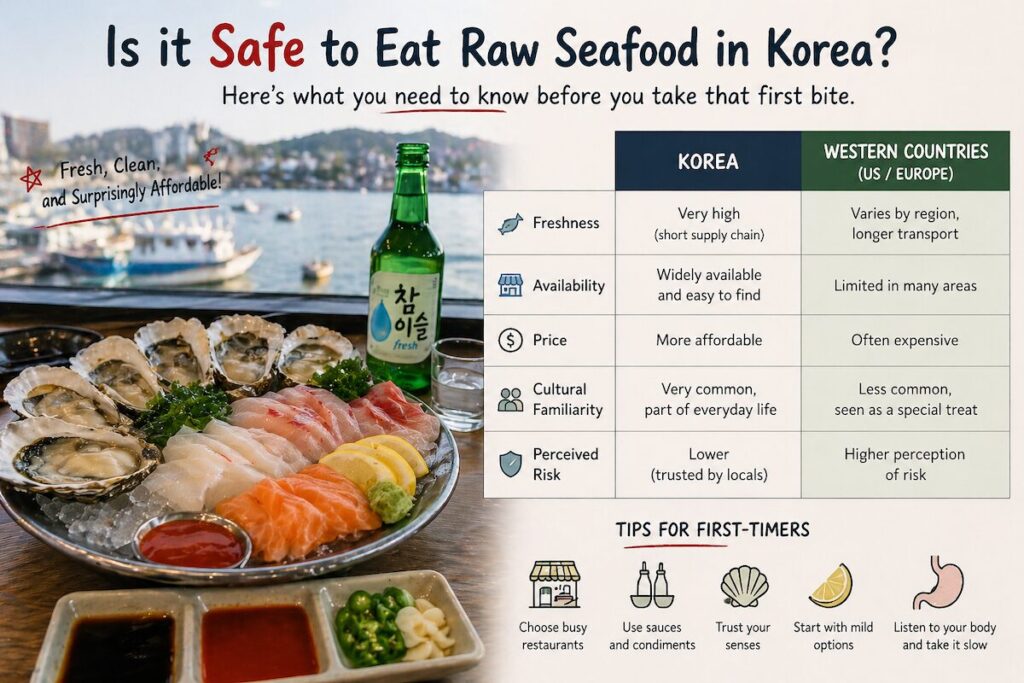
| Aspect | Korea | US / Europe |
|---|---|---|
| Freshness | Very high (local sourcing) | Varies by region |
| Availability | Widely available | Limited in many areas |
| Price | More affordable | Often expensive |
| Cultural familiarity | Very common | Less common |
| Perceived risk | Lower locally | Higher perception |
The key difference isn’t just safety—it’s how normal it feels.
In many Western countries, raw seafood is treated as a special occasion. In Korea, it’s just another meal option.
Things You Should Know Before Trying Raw Seafood
Start with the right place
If it’s your first time, go somewhere busy.
A restaurant with a steady flow of customers is usually a good sign. It means the ingredients are moving quickly and staying fresh.
Use sauces and condiments
One thing I noticed right away was how many options there were on the table.
- Lemon
- Hot sauce
- Vinegar-based dips
- Korean-style sauces
These not only add flavor but also make the experience more approachable.
Trust your senses
This might sound simple, but it works.
Fresh seafood should:
- Smell clean, not fishy
- Look bright and moist
- Feel firm, not slimy
If something feels off, it probably is.
Is It Completely Safe?
The honest answer
No food is 100% risk-free, no matter where you are.
But compared to what many people expect, raw seafood in Korea is generally considered safe—especially when eaten at reputable places.
Who should be careful
If you have:
- A sensitive stomach
- A weakened immune system
- Allergies
It’s always better to be cautious and start slow.
Why Many Travelers End Up Changing Their Mind
There’s something interesting that happens.
A lot of travelers arrive in Korea unsure about raw seafood.
But after trying it once—especially in a place where everything feels fresh and well-prepared—the hesitation starts to disappear.
It’s not just about safety.
It’s about realizing that your expectations were based on a completely different food environment.
Final Thoughts: Should You Try It?
If you’re still wondering, “Is it safe to eat raw seafood in Korea?”—the answer is yes, for most people, especially when you choose the right place.
What surprised me the most wasn’t just the safety. It was how normal and approachable the experience felt.
If you’re visiting Korea and want to try something beyond the usual dishes, raw seafood is definitely worth considering.
Sometimes, the things we hesitate about the most end up being the most memorable.