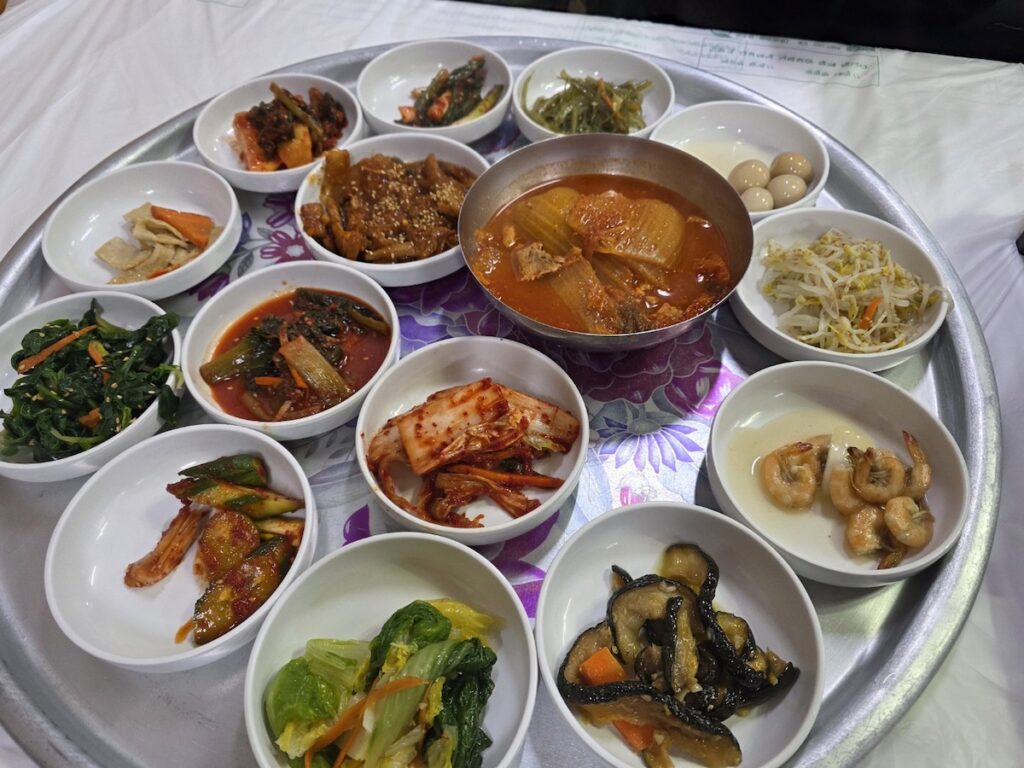
In many Western cuisines, vegetables are often treated as a side act, usually roasted in an oven with olive oil or sautéed in butter to bring out their sweetness. While delicious, this “roasted” culture often masks the natural vitality of the greens with heavy fats.
Enter the Korean Vegan Diet. In Korea, we don’t just eat vegetables; we celebrate their raw energy through Ssam (wraps) and honor their seasonal wisdom through Namul (seasoned greens). For anyone seeking a plant-based lifestyle that is both flavorful and incredibly light, the Korean way of eating greens offers a revolutionary alternative to the standard roasted vegetable platter.
1. Ssam: The Art of Living Freshness
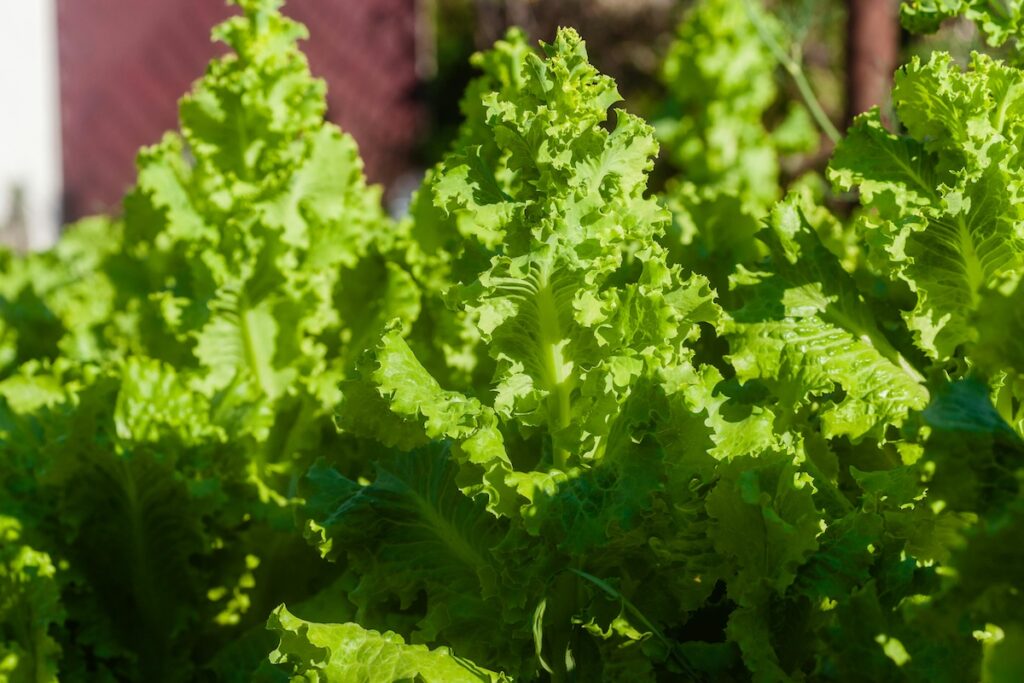
While Western salads rely on heavy dressings, the Korean Ssam culture relies on the architecture of the leaf. Instead of chopping greens and dousing them in oil, Koreans use large, fresh leaves—like lettuce, perilla, or kale—to wrap a variety of ingredients.
- Bread-less Sandwich: Think of Ssam as a carb-free, bread-less sandwich. It provides a crisp, refreshing crunch that keeps the digestive system active and light.
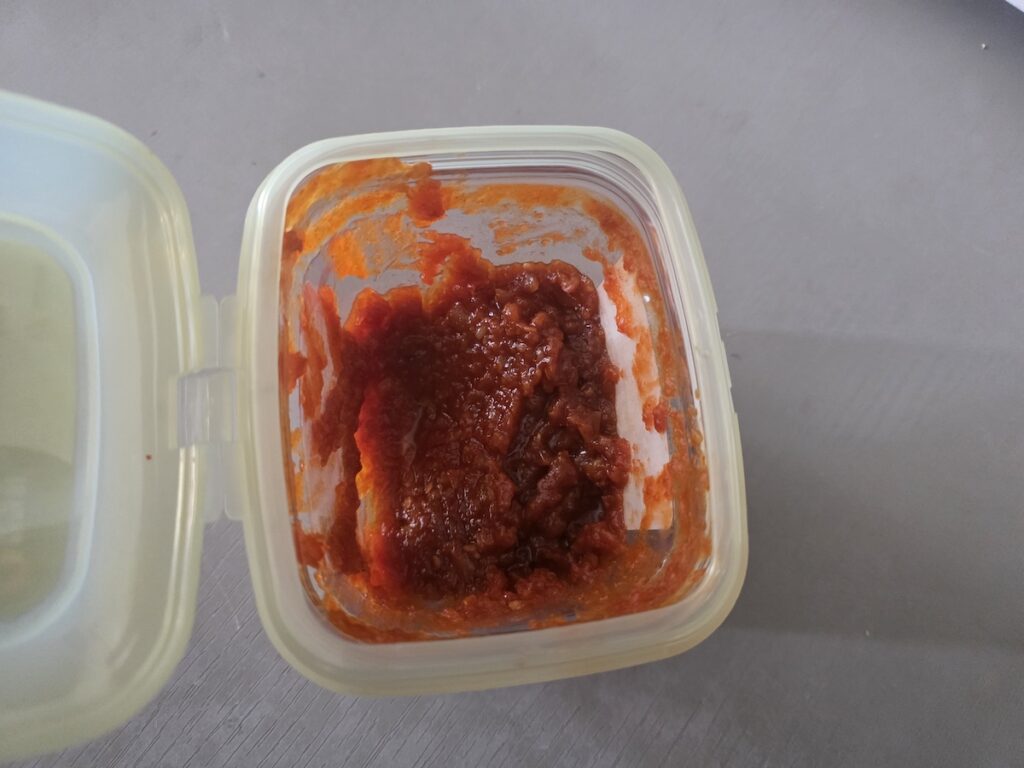
- The Ssamjang Secret: To elevate the raw greens, we created Ssamjang. This “magic sauce” is a fermented blend of soybean paste (Doenjang) and chili paste (Gochujang), often mixed with nuts and garlic. It provides a deep, savory umami that satisfies the palate far more than any oil-based dressing, all while remaining 100% plant-based.
2. Namul: The Wisdom of Dehydration and Seasoning
When the seasons change, Koreans don’t just stop eating greens—they preserve them. Namul refers to vegetables that are often blanched, dried, or seasoned.
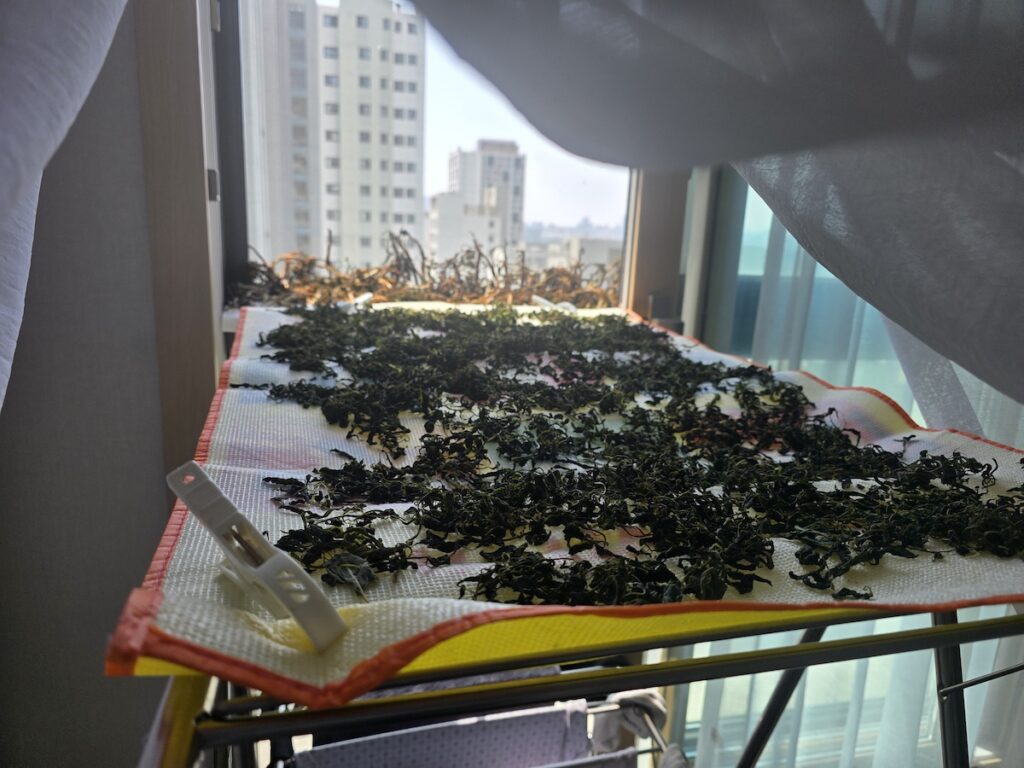
- The Meaty Texture of Dry Greens: By drying vegetables like radish greens or mountain herbs, the flavors and nutrients are intensely concentrated. When rehydrated and seasoned with toasted sesame oil and soy sauce, these greens take on a “meaty,” chewy texture that offers immense satisfaction without a single gram of animal fat.
- Fermentation over Fat: Instead of butter, we use the depth of fermented soy sauce and the nuttiness of cold-pressed oils. This creates a complex flavor profile that appeals to the “Umami” cravings of vegans worldwide.
3. Why It’s the Ultimate Choice for Vegans
The Korean Vegan Diet is inherently designed for longevity and weight management. By focusing on steaming, blanching, and raw consumption, the enzymes and vitamins remain intact.
- Volume Eating: You can consume massive amounts of fiber-rich Ssam and Namul without hitting high calorie counts.
- Gut Health: The fermented bases of our vegetable seasonings provide natural probiotics, which are often missing in standard roasted vegetable dishes.
- Zero Refined Sugars: Most Korean vegetable preparations rely on the natural sweetness of the plant or a hint of fruit juice, avoiding the hidden sugars found in commercial vegan sauces.
4. Bio-Availability: Why How You Cook Matters More Than What You Eat
The debate between roasted and raw/blanched vegetables isn’t just about taste—it’s about Bio-availability. When you put vegetables in a high-heat oven (Roasting), you initiate chemical changes that can either enhance or destroy their nutritional value. The Korean Vegan Diet focuses on preserving the “Life Force” of the plant through raw consumption or gentle blanching.
The Heat Trap: What Happens During Roasting?
In Western roasting, vegetables are often subjected to temperatures above 180°C (350°F). While this creates a delicious Maillard reaction (caramelization), it often leads to:
- Vitamin Oxidation: Water-soluble vitamins like Vitamin C and B-complex are highly sensitive to heat and can be depleted by up to 50-70% during long roasting periods.
- Formation of AGEs: High-heat roasting with oils can create Advanced Glycation End-products (AGEs), which are linked to cellular aging and inflammation—the very things vegans try to avoid.
The Korean Strategy: Preservation & Activation
Instead of high-heat roasting, the Korean method uses Blanching (Dechigi) and Raw Fermentation:
- Enzyme Retention: By eating greens raw (Ssam), you consume live plant enzymes that aid digestion and boost metabolism.
- Increased Mineral Absorption: Blanching (quickly dipping in boiling water) breaks down tough cellulose fibers (like in spinach or radish greens), making the minerals like Calcium and Magnesium more accessible to your gut without destroying the vitamins.
- Synergy with Healthy Fats: Instead of roasting in saturated fats, we dress Namul with Cold-pressed Sesame or Perilla Oil. These oils are rich in Omega-3s, which help your body absorb fat-soluble vitamins (A, D, E, K) found in the greens.
📊 Nutritional Battle: Roasted vs. Korean Style (Ssam/Namul)
| Nutritional Factor | Western Roasted Vegetables | Korean Ssam & Namul | The Winner for Health |
| Vitamin C Retention | Low (Lost due to high heat) | High (Raw or flash-blanched) | Korean Style |
| Digestive Enzymes | Zero (Destroyed by heat) | Active (Present in raw leaves) | Korean Style |
| Fiber Quality | Softened (Broken down) | Intact (Provides better gut motility) | Korean Style |
| Healthy Fats | Often Oxidized (Heated oils) | Pure (Cold-pressed oils added after) | Korean Style |
| Hydration Level | Low (Water evaporated) | High (Retains natural plant water) | Korean Style |
5. The Art of Clean Eating: Safety Beyond the Surface
When embracing the Korean Vegan Diet, especially the raw “Ssam” culture, the purity of your greens is just as important as their nutritional profile. Since you are consuming these vegetables in their most natural, uncooked state, the removal of residual pesticides, fine dust, and harmful bacteria is a non-negotiable step in the Korean kitchen.
Why Proper Washing is the True Start of Cooking
In the West, many pre-packaged salads are “triple-washed,” but for the freshest market-bought greens, a simple rinse under tap water isn’t enough to remove oil-based pesticides. Koreans take pride in meticulous cleaning rituals:
- The “Soaking” Method: Instead of just running water, soaking leaves for 3–5 minutes helps loosen debris and neutralize surface residues.
- Natural Ionization: Many Korean households use calcium powder or specialized cleaners to ensure that even the tiniest crevices of a perilla leaf or a kale bunch are sterilized.
Top-Tier Products for Pristine Greens
To achieve this level of “Clean Eating” at home, we recommend using trusted, food-grade vegetable washes that are globally recognized for their safety and efficacy:
- Veggie Wash (by Beaumont Products): A world-renowned brand that uses unique natural surfactants to break down the wax and soil that water alone cannot touch. It is 100% kosher and vegan-friendly.
- Fit Fruit & Vegetable Wash: Famous for being USDA-certified biobased, this product is proven to remove 98% more pesticides and wax than water alone. It’s a staple for health-conscious kitchens in the US and Europe.
- Renature (Calcium Powder): Highly popular in Korea and Japan, this ionized calcium powder made from oyster shells is incredibly effective at removing impurities and extending the shelf life of your fresh greens by killing surface bacteria.
6. The Celebrity Choice: Where to Experience Premium Korean Vegan Dining
If you want to experience the Korean Vegan Diet at its highest level—just like global icons and K-pop stars—these are the essential destinations. These restaurants elevate humble greens into masterpieces of high-end gastronomy, combining traditional wisdom with modern luxury.
① Balwoo Gongyang (Temple Food) – The Choice of Michelin & Hollywood
- The Star Factor: A favorite for Hollywood celebrities and world-renowned chefs seeking a spiritual and physical “Detox.” It is famously known as the place where the “Philosopher Chef” Jeong Kwan’s philosophy is brought to life.
- The Experience: Operated directly by the Jogye Order of Korean Buddhism, Balwoo Gongyang is the only Michelin-starred restaurant dedicated to authentic Temple Food. They strictly avoid the “Five Pungent Herbs” (garlic, green onions, leeks, etc.), focusing instead on the pure, unadulterated flavor of mountain herbs and ancient fermented pastes.
- Why Vegans Love It: It represents the ultimate “Zero-Oil” and “Zero-Additive” diet. Here, you can taste the Namul culture in its most sacred form.
② Bicena (Signiel Seoul) – Dining in the Clouds with K-Pop Royalty
- The Star Factor: Located on the 81st floor of Lotte World Tower, this is a frequent haunt for top-tier K-pop idols and actors celebrating special milestones. It offers the most prestigious view in all of Seoul.
- The Experience: A Michelin-starred modern Korean restaurant that reinterprets the Ssam and Namul culture through the lens of fine dining. They take simple leaves and seasonal greens and transform them into artistic courses.
- Why Vegans Love It: Their vegetable-focused courses highlight the luxury of “Ssam” using the highest grade of organic leafy greens, paired with an aged Ssamjang that has been fermented for years to achieve a deep, smoky complexity.
③ Onjium (Heritage Research Institute) – The Artisan’s Choice
- The Star Factor: Known as a “hidden gem” for global fashion designers and cultural ambassadors who visit Seoul to find the true soul of Korean heritage.
- The Experience: Onjium is more than a restaurant; it is a research institute dedicated to the Korean lifestyle. Based on the recipes of the Joseon Royal Court, they showcase the Mastery of Minimal Processing—turning dried mountain greens into a culinary experience that rivals any meat dish in complexity.
- Why Vegans Love It: It is a deep dive into the “Wisdom of Dehydration.” You will discover how dried vegetables can have a richer, more satisfying texture than almost any other ingredient.
Conclusion: Why the Korean Vegan Diet is the Future of Plant-Based Living
Transitioning to a Korean vegan diet isn’t just about switching ingredients; it’s about upgrading your entire biological relationship with food. While the Western world has perfected the art of roasting and sautéing, Korea has preserved the ancient wisdom of keeping vegetables alive and vibrant through Ssam and Namul.
By choosing the Korean way, you are moving beyond the high-heat oxidation and nutrient loss of roasted dishes. Instead, you are fueling your body with active enzymes, intact Vitamin C, and the gut-healing power of fermentation. This is a lifestyle where “eating clean” means more than just buying organic—it means meticulous washing with trusted products like Veggie Wash or Fit, and preparing greens in a way that respects their cellular integrity.
Whether you are a dedicated vegan or someone on a journey for weight-loss in Korea, the conclusion is clear: the most sophisticated way to eat your greens is the one that brings the most life to your plate. Embrace the crunch of the raw leaf, the umami of the Ssamjang, and the concentrated nutrition of the Namul. Your body—and your palate—will thank you.
📝 Executive Summary: The Korean Vegan Advantage
- The Cultural Shift: Move from “Roasted & Heavy” to “Raw & Concentrated” (Ssam & Namul).
- The Nutritional Edge: Higher Vitamin C retention and active enzymes compared to high-heat roasting.
- The Flavor Secret: Ssamjang provides a 100% plant-based umami hit without the need for butter or cheese.
- The Safety Standard: Meticulous washing rituals and food-grade cleaners ensure a truly “Clean Eating” experience.
- The Result: High-volume, low-calorie dining that supports long-term health and sustainable weight management.