This Pyeongyang Naengmyeon Guide begins with a necessary warning: despite its transparent appearance, this is not a vegetarian dish. In the heart of Seoul, a bowl of Authentic North Korean Cold Noodles represents the most sophisticated culinary deception in the world.
To the untrained eye, the broth looks like minimalist spring water, and the buckwheat noodles sit calmly without heavy sauces. However, this clarity is a highly concentrated essence of Hanwoo beef and Handon pork, simmered for hours to strip away fat while retaining a deep, soulful umami. If you are seeking a plant-based meal, this iconic North Korean masterpiece is a liquid tribute to the purity of meat that you must avoid.
The Transparent Illusion: Why it’s Not for Vegetarians
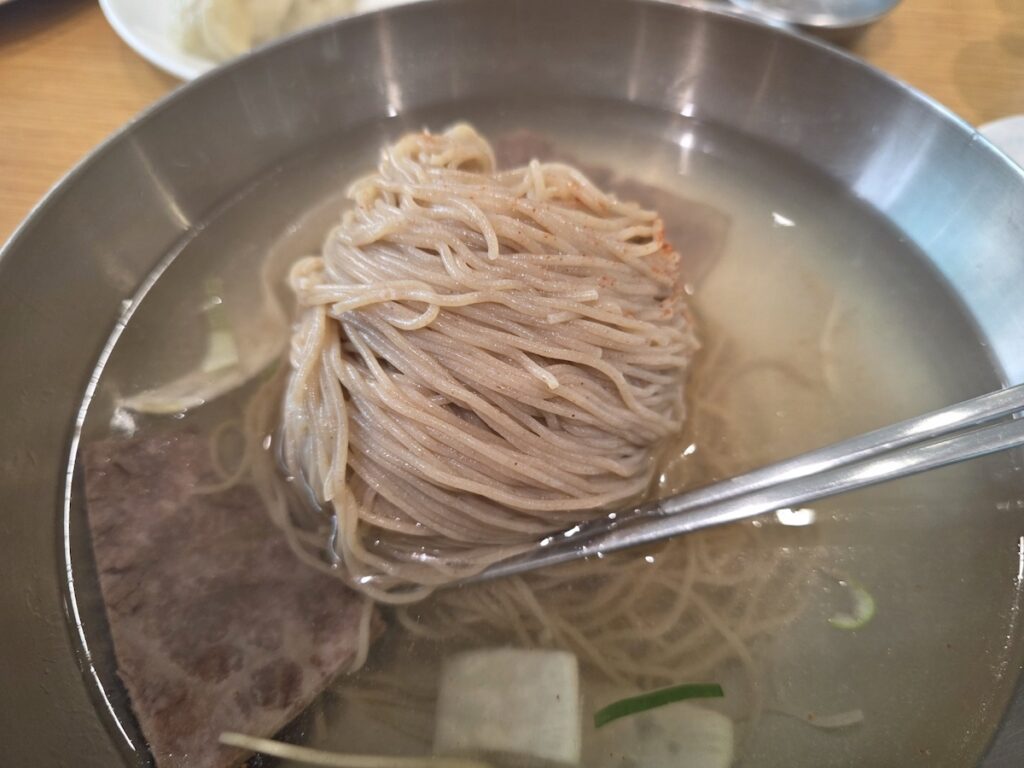
At first glance, a bowl of Pyeongyang naengmyeon looks like a minimalist vegetarian dream. The broth is as clear as spring water, and the buckwheat noodles sit calmly at the center, unadorned by heavy sauces. However, this is the most sophisticated deception in the Seoul healthy food guide.
To the untrained eye, it appears to be a light vegetable stock. In reality, this broth is a highly concentrated essence of Hanwoo (premium Korean beef) and Handon (Korean pork). It is simmered for hours to achieve a clarity that hides its intense carnivorous origin. If you are a strict vegetarian, this iconic dish is not for you. It is a liquid tribute to the purity of meat, stripped of all fat but retaining the deep, soulful umami of the animal.
The Political Soul: From Okryu-gwan to the Global Stage
The name itself, Pyeongyang Naengmyeon, carries a heavy geopolitical weight. Pyeongyang is the capital of North Korea, and this dish is perhaps the most famous cultural export from the North. At the heart of this legacy is Okryu-gwan, a legendary restaurant situated on the banks of the Taedong River in Pyeongyang.
This is the site of Noodle Diplomacy. When South Korean artists like Red Velvet visited Pyeongyang for historic peace concerts, their visit to Okryu-gwan became a global headline. Watching K-pop idols marvel at the deep, rustic flavor of authentic North Korean cold noodles humanized a distant land. The noodles served there are traditionally presented in heavy bronze bowls (Bangjja Yugi), symbolizing a standard of hospitality that transcends political borders. In Seoul, eating this dish is a way to connect with a shared heritage that remains physically divided but culinarily united.
The Seoul Pilgrimage: Where the Legends Live
Each legendary restaurant in Seoul has its own secret DNA for its broth. These are the sacred grounds where the elite, celebrities, and even international diplomats gather to experience the essence of North Korean culinary heritage.
Woo Lae Oak (우래옥) – The Beef Forward Legend
Since 1946, Woo Lae Oak has been the undisputed king of intensity. Unlike other spots that offer a faint hint of meat, their broth is a bold, unapologetic celebration of Hanwoo beef. It is the go-to choice for those who want to understand the rich, deep umami that makes this dish a non-vegetarian masterpiece.
Pildong Myeonok (필동면옥) – The Subtle Art of Balance
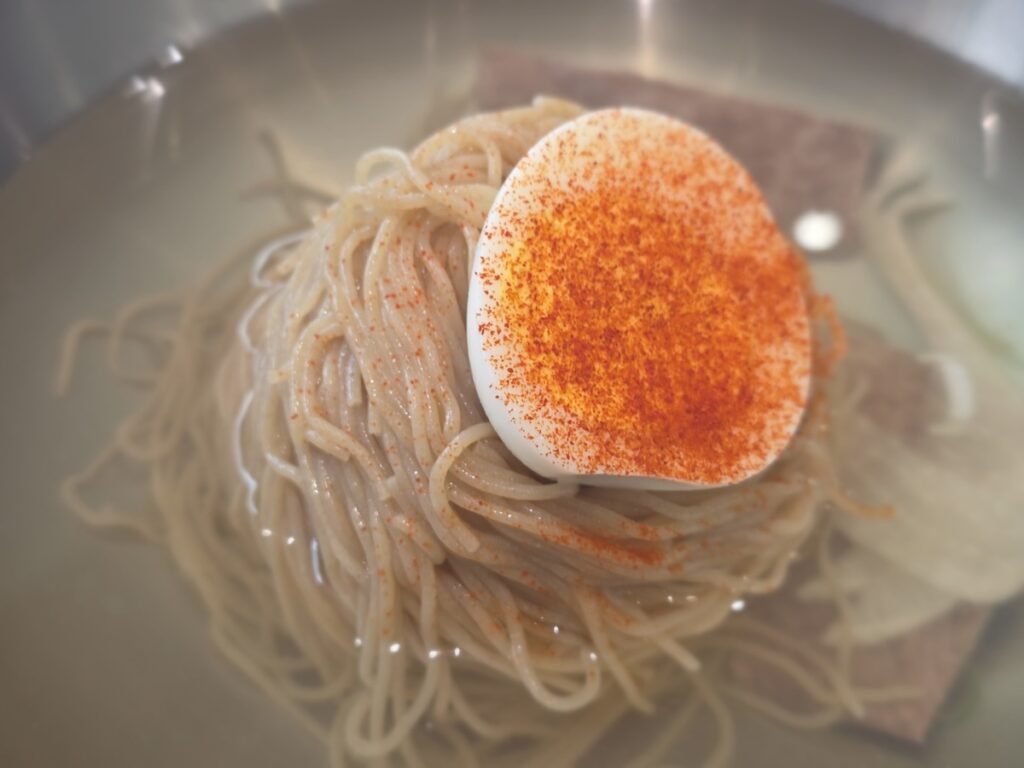
Located near Namsan, this Michelin-listed landmark is famous for its delicate, almost ethereal broth. It is often topped with a sprinkle of red chili powder and scallions, creating a visual and flavor profile that has been loved by generations of Seoul’s intellectual and artistic elite.
Jinmi Pyeongyang Naengmyeon (진미평양냉면) – The Modern Master
A favorite among food critics and younger gourmets in Gangnam, Jinmi offers a perfect middle ground. The broth is exceptionally clear yet carries a surprising depth of flavor. It is a place where you can often spot K-celebrities enjoying a quiet bowl of noodles with a side of their famous handmade dumplings.
Seoul’s Pyeongyang Naengmyeon Status (2026 Update)
| Restaurant | Primary Broth Profile | Signature Side Dish | Notable Feature |
| Woo Lae Oak | Heavy Hanwoo Beef | Bulgogi | Oldest heritage in Seoul |
| Pildong Myeonok | Delicate & Clear | Boiled Pork (Suyuk) | Michelin Bib Gourmand |
| Jinmi Pyeongyang | Balanced Umami | Pyeongyang Dumplings | Popular among K-celebs |
| Pyeongyang Myeonok | Refreshing & Clean | Boiled Beef Slices | Three-generation legacy |
The Nutritional Science: The Buckwheat Rebellion
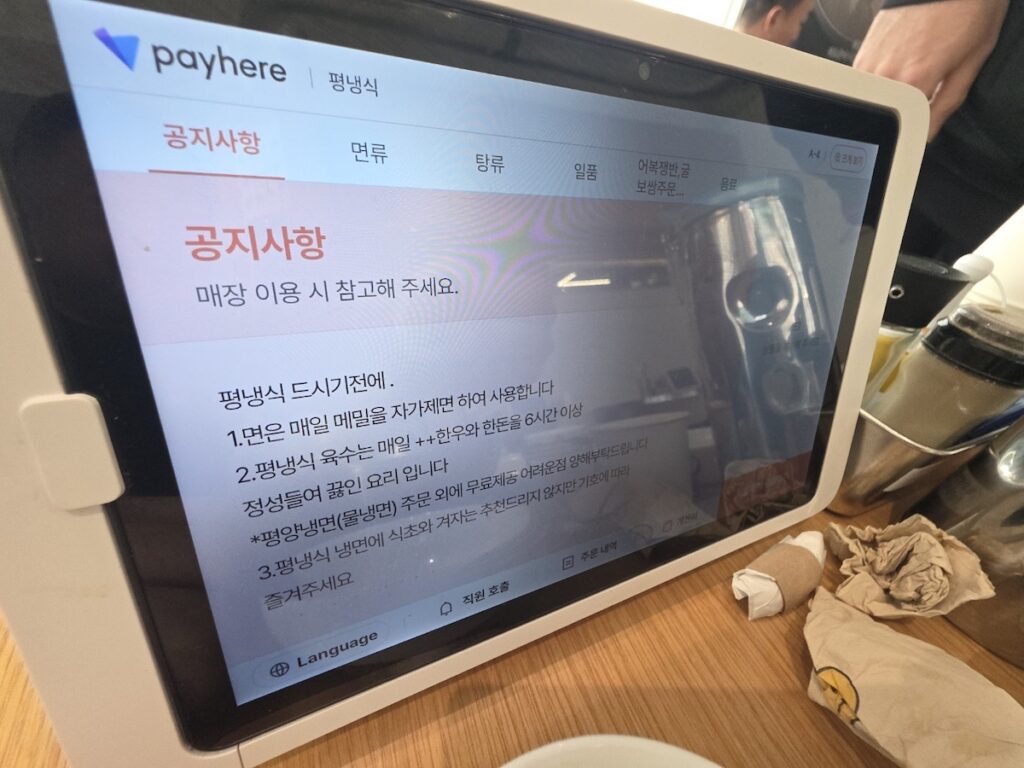
While the broth is a celebration of meat, the noodles are a masterclass in ancient nutrition. Pyeongyang naengmyeon is defined by its high buckwheat content, a grain that offers a distinct departure from the heavy gluten of Western pasta.
Buckwheat Noodle Benefits: A Comparative Analysis
| Component | Buckwheat Noodle (100g) | Refined Wheat Pasta (100g) | Health Impact |
| Glycemic Index | Low (approx. 50) | High (approx. 70) | Prevents rapid blood sugar spikes |
| Rutin Content | High (Antioxidant) | Negligible | Supports vascular health and blood flow |
| Dietary Fiber | 2.7g | 1.8g | Promotes long-term satiety |
| Mineral Profile | High Magnesium/Zinc | Low | Essential for metabolic recovery |
The texture of buckwheat is intentionally short—it snaps easily rather than stretching. This lack of elasticity is a sign of purity. For those pursuing a Korean diet for weight loss, these noodles provide the necessary complex carbohydrates without the inflammatory response often triggered by refined wheat.
The Cult of the Mild: A Mania for the Sophisticated
In Seoul, Pyeongyang naengmyeon is more than a meal; it is a cult. Many locals find the taste bland or boring on their first try. Yet, there is a saying that you must eat it three times to truly understand its soul. Once the addiction takes hold, it becomes a ritual.
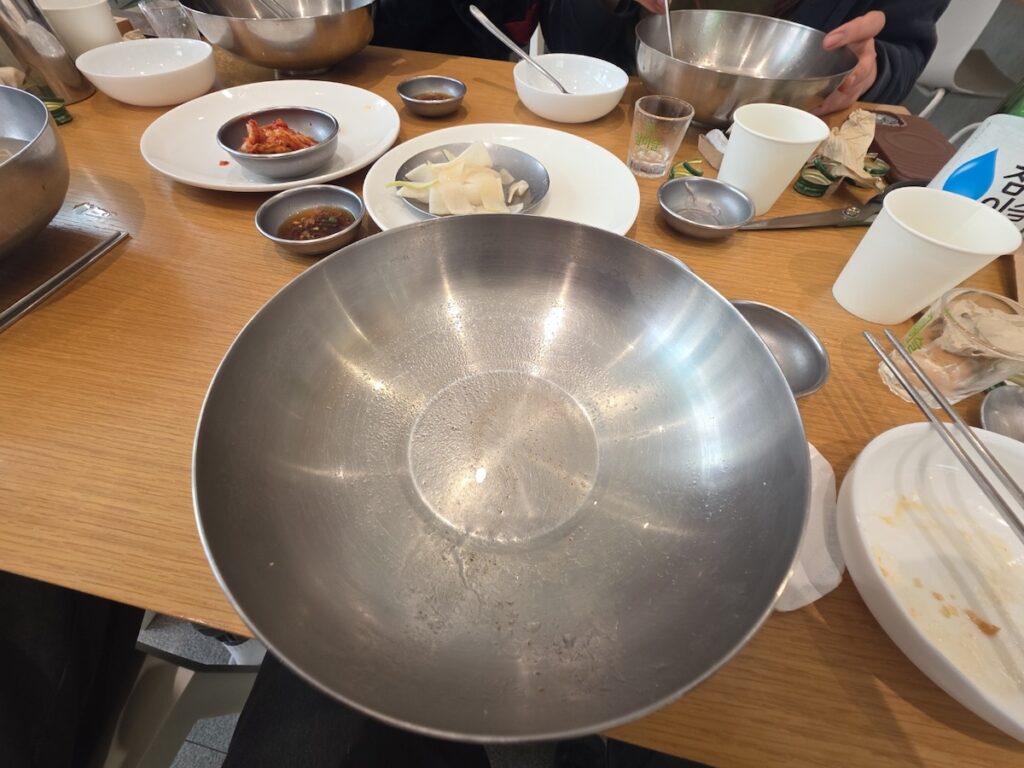
This mania often manifests in the tradition of Sunju-humyeon (First Alcohol, then Noodles). Sophisticated diners will start their meal with a glass of chilled Soju and a few slices of boiled pork (Suyuk), using the cold, clear broth of the naengmyeon as the ultimate palate cleanser. It is a unique social ritual that you will find in the historic alleys of Seoul, where the elite and the elderly gather to debate the nuances of broth clarity and noodle texture.
The Seoul Pilgrimage: Where the Legends Live
Each legendary restaurant in Seoul has its own secret DNA for its broth. Some, like Woo Lae Oak, lean heavily into a rich, beef-forward intensity. Others, such as Pildong Myeonok or Eulji Myeonok, offer a more delicate balance, sometimes incorporating a hint of tangy Dongchimi (radish water kimchi) to brighten the meat essence. These spots are frequented by celebrities and politicians alike, making them essential stops for anyone seeking the authentic local experience.
The Curated Edit
Metabolic Stability
The foundational philosophy of the Korean table:
Nutritional Strategy
The science of the side dish:
Cultural Depth
The unspoken rules of Korean dining:
Conclusion
Pyeongyang naengmyeon is a dish of contradictions. It is transparent yet deep, cold yet warming to the soul, and peaceful yet rooted in a complex political history. By understanding that this is a meat-driven masterpiece rather than a simple vegetable noodle, you gain access to one of the most sophisticated layers of Korean culinary culture. It is the ultimate test of a palate that values subtlety over strength.