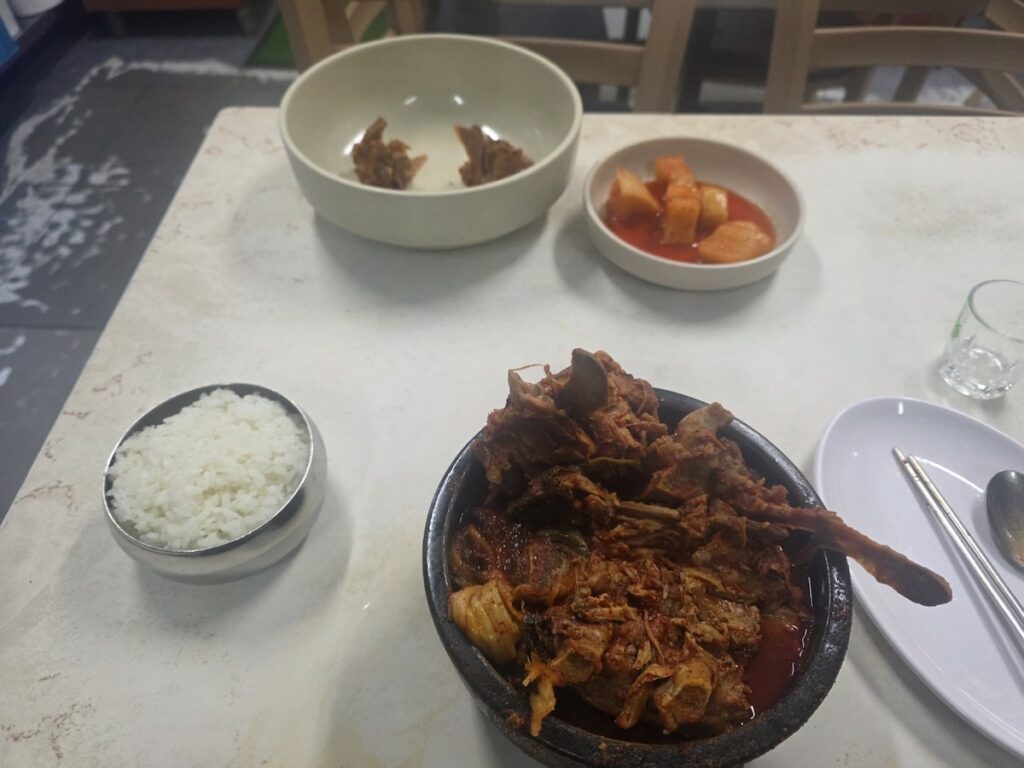
The silence at my dinner table tonight was heavy. It wasn’t the comfortable silence of a satisfied family. It was the tense, disciplined quiet of a battlefield.
In Seoul, between October and December, a strange anxiety grips the city. It’s not the cold winter wind. It’s the arrival of the National Health Check-up envelope. In Korea, this small piece of paper is your annual social report card.
Receive a warning about your weight, and you aren’t just “unhealthy.” In this fast-paced society, you are often judged as “undisciplined.”
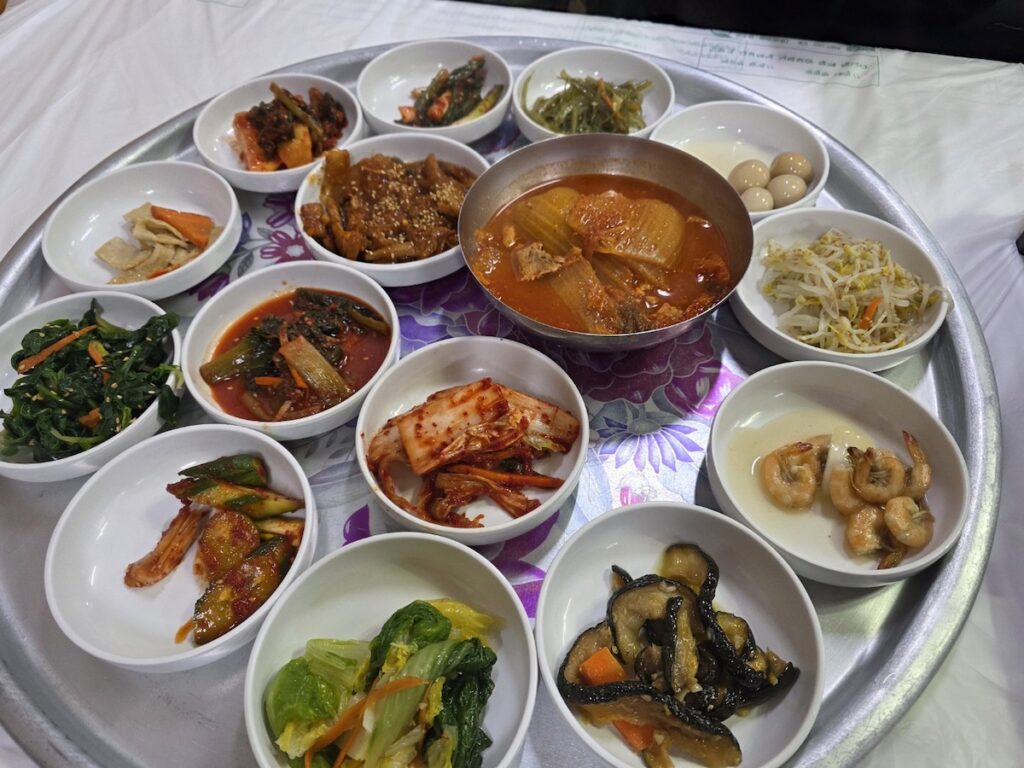
This is why my dinner table underwent a radical transformation tonight. The marbled meats and oily stews were gone. Instead, we faced a strictly functional arrangement of vegetables and small fish—the core of a disciplined Korean Weight Loss Diet Banchan ritual.
We are trading the dopamine hit of fried chicken for the long-term security of a clean health report. It is a joyless feast, perhaps, but a necessary one for the sophisticated modern citizen.
To understand the real Korea, you must look past the vibrant street food and into these quiet, disciplined moments of the private home meal. This is where the true struggle for self-control and social respect happens.
The Alchemy of the 3 Banchan: The Trinity of Resilience
The transformation of a Korean table from a place of indulgence to a site of recovery is best observed through the specific selection of side dishes. Tonight, my family’s survival kit consisted of three distinct preparations. These are not merely foods; they are the concentrated wisdom of generations who understood how to satisfy the body when the heart was craving something heavier.
Dried Eggplant Stir-fry: The “Meaty” Illusion
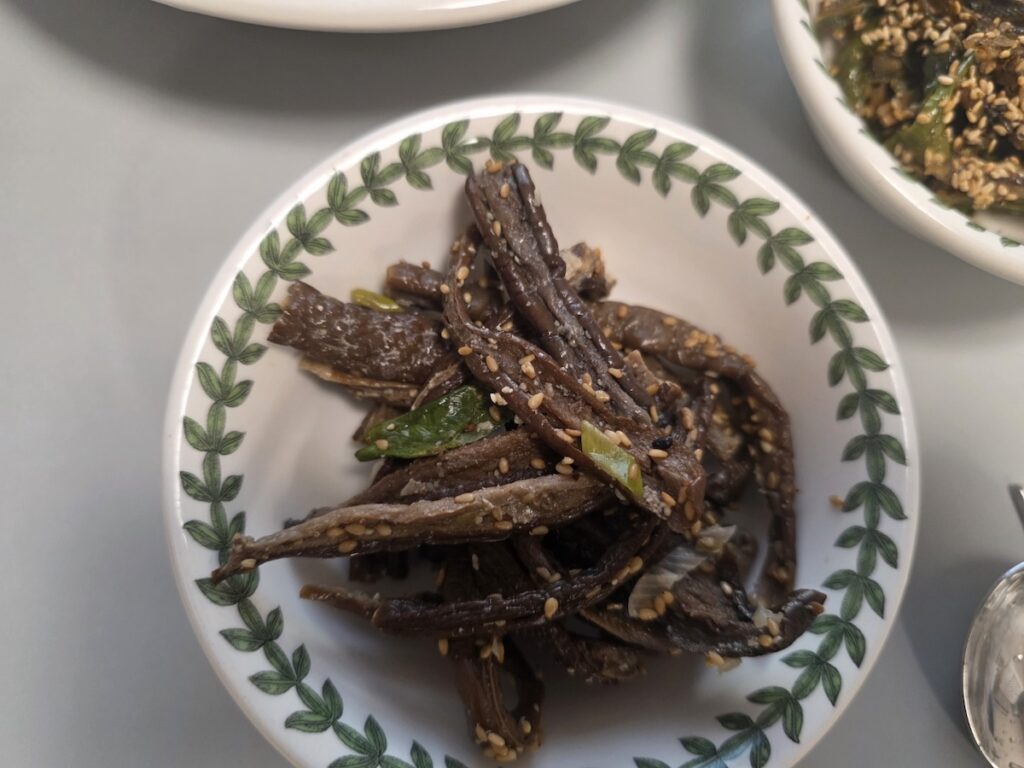
In its fresh state, an eggplant is mostly water—a soft, purple sponge. But when sliced and dried under the intense Korean sun, it undergoes a molecular rebellion. The texture changes from mushy to surprisingly chewy.
This is the sophisticated secret of the Korean Weight Loss Diet Banchan: providing a physical resistance to the teeth that mimics the satisfaction of chewing protein. From a nutritional standpoint, this concentrated fiber is an efficient broom for the digestive system, while the dark purple skin remains a potent source of anthocyanins, protecting the body from the oxidative stress of a modern, high-pressure lifestyle.
Anchovy with Chili: The Metabolic Spark
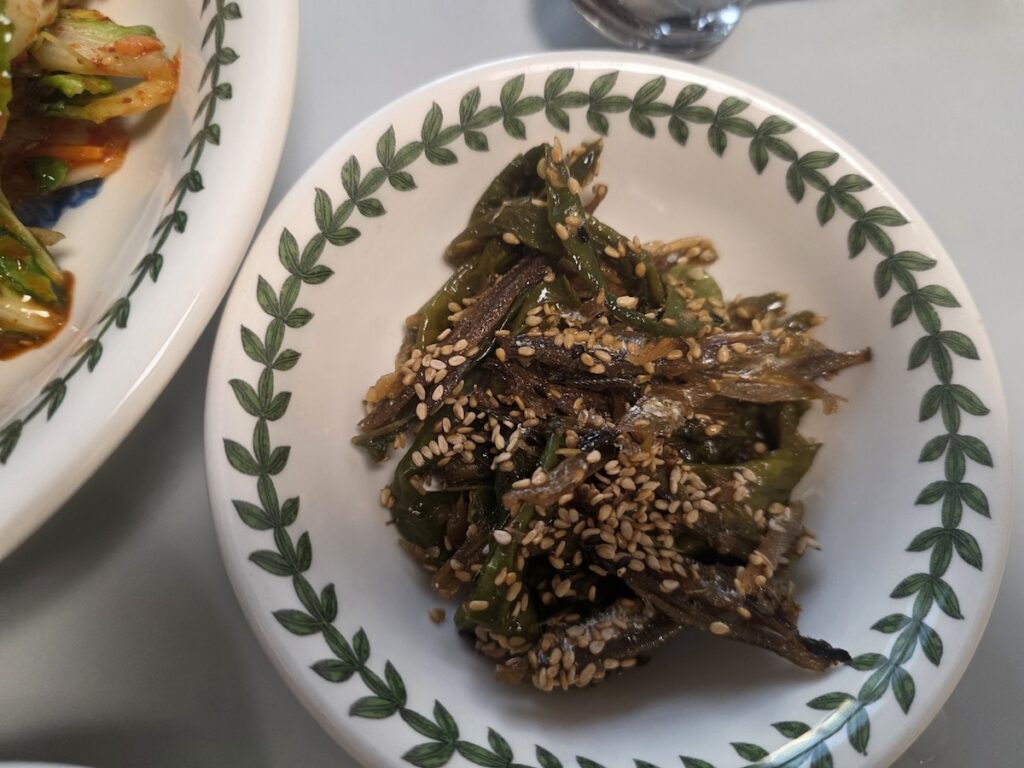
The second partner on the table was Anchovy with Chili. This dish represents the “Sea-to-Land” protein infusion that defines the Korean coastal pantry. Small, sun-dried anchovies are stir-fried with thin slices of green chili, creating a profile that is both salty and sharp.
For someone struggling with weight, these tiny fish are a mineral goldmine, providing the calcium and phosphorus necessary to maintain bone density during a caloric deficit. The addition of the chili is not just for flavor; the capsaicin acts as a natural metabolic spark, gently raising the body temperature and encouraging the burning of energy. It is a calculated sting that wakes up a sluggish metabolism.
Bomdong Geotjeori: The Ritual of Seasonal Awakening
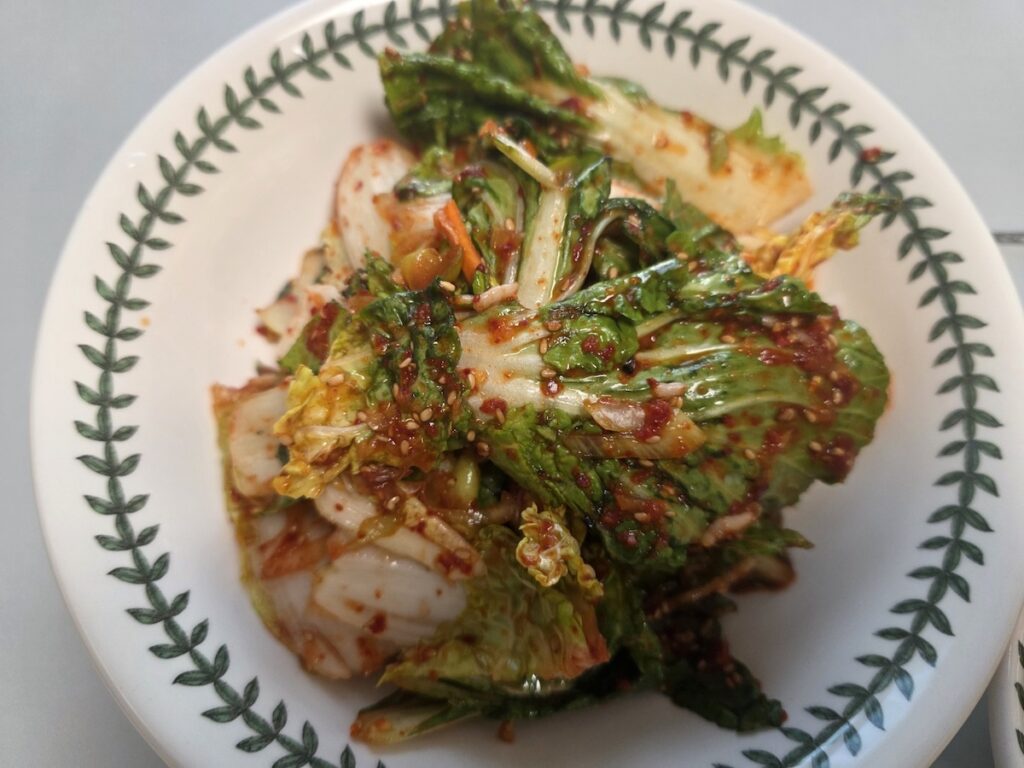
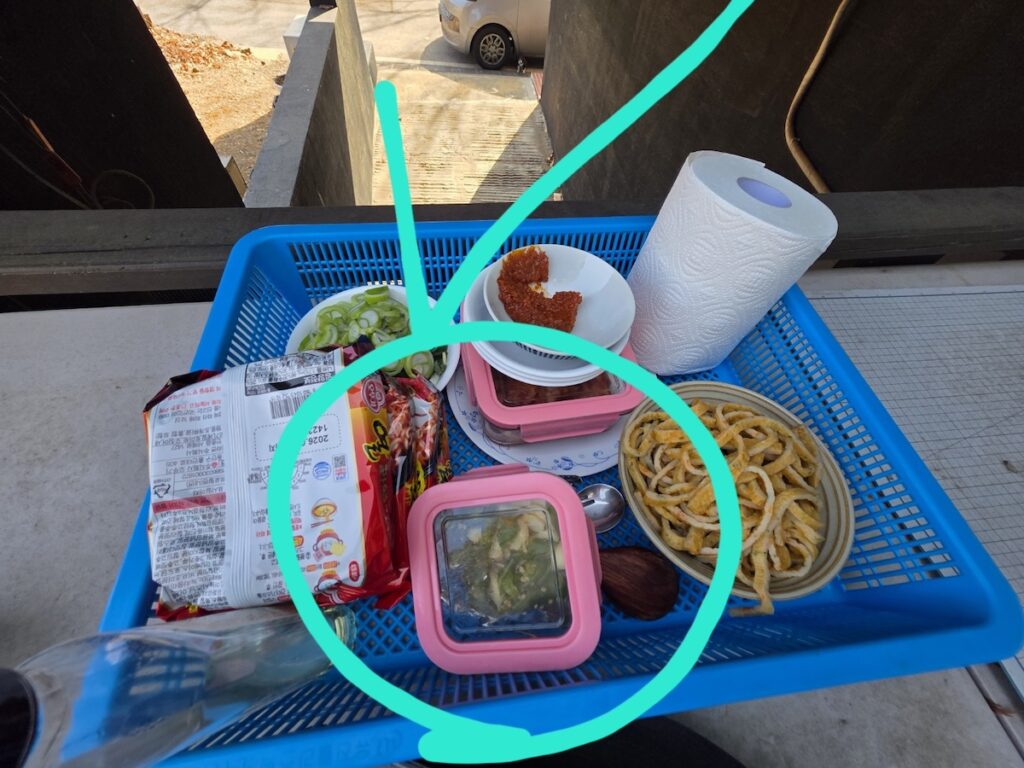
Finally, the centerpiece of this disciplined feast was Bomdong Geotjeori. Bomdong is a type of cabbage that grows flat against the cold earth of late winter, absorbing the first minerals of spring. Unlike the heavy, fermented Kimchi that has sat in a cellar for months, Geotjeori is a fresh salad tossed in a light dressing of red pepper flakes and garlic.
It provides the “Red Fire” necessary to contrast the “White Canvas” of a simple bowl of rice. It is a probiotic powerhouse that aids digestion without the high sodium levels often found in aged pickles. Eating this is like consuming the raw energy of the earth—a necessary ritual when you are trying to shed the heaviness of the past year and prepare for the scrutiny of the medical scales.
The Neighborhood Alchemist: Why You Must Visit a Banchan Shop
To a sophisticated traveler, the concept of a “weight loss diet” might involve expensive meal kits or specialized restaurants. However, in Korea, the secret to maintaining a balanced metabolism is hidden in plain sight within the local ecosystem of the Banchan-gage (Side Dish Shop). These neighborhood gems are the true kitchens of modern Seoul, where seasonal wisdom is prepared fresh every morning.
The Survival Strategy for the Busy Citizen
For those navigating the fast-paced life of a manager or a student, the Banchan-gage is a sanctuary. It is here that the complex, time-consuming process of drying vegetables and fermenting roots is done for you by local artisans. When you walk into a traditional shop, you are not just buying food; you are purchasing the “Hand-taste” (Son-mat) of someone who understands the balance between flavor and health.
Unlike the high-sodium, preservative-laden options found in global fast food chains, the items in a neighborhood shop are often prepared with a focus on natural seasoning. This makes it the primary destination for any Korean Weight Loss Diet Banchan strategy. You can find dozens of varieties of roots, stems, and leaves that have been blanched, sautéed, or pickled in ways that preserve their nutritional integrity while keeping the caloric density incredibly low.
Exploring the Banchan-gage as a Traveler
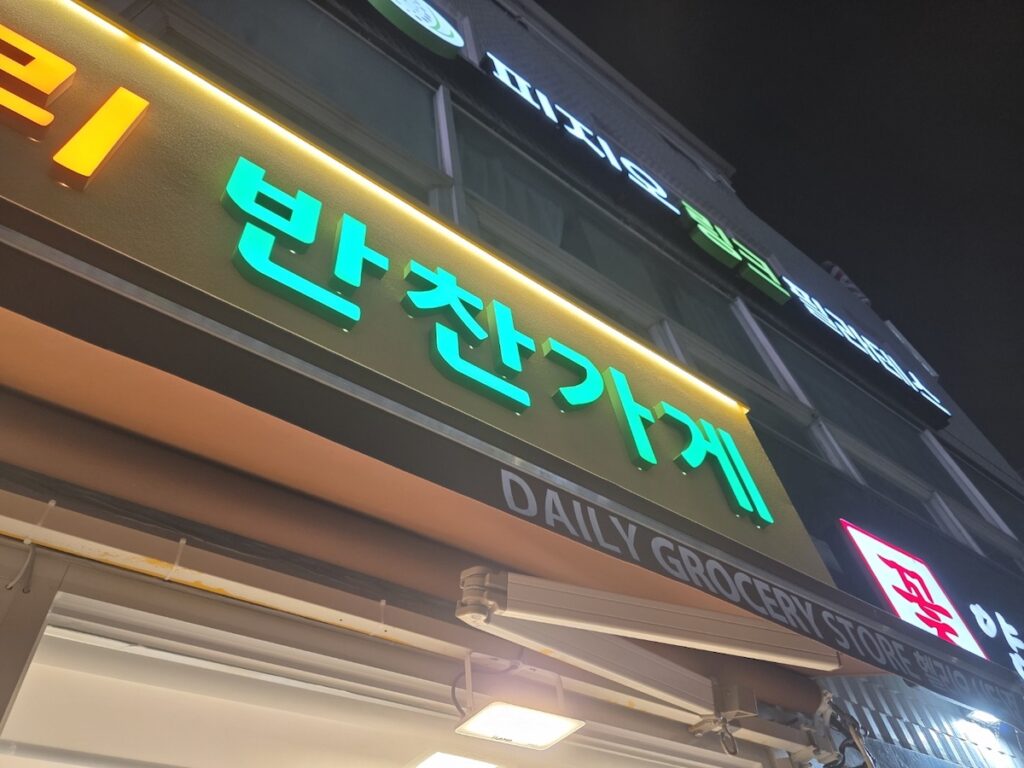
As a visitor, entering a Banchan-gage can feel like stepping into a culinary laboratory. You will see rows of small containers filled with vibrant greens, deep purples, and earthy browns. This is where the “Social Responsibility” of the Korean diet becomes accessible to you. Whether you are seeking vegan options or low-carb protein sources like seasoned tofu and dried anchovies, these shops provide a sophisticated alternative to the typical tourist traps.
Choosing to buy your meals here is a statement. It shows that you value the authentic, disciplined lifestyle of the locals who use these side dishes to navigate their own annual health check-ups. It is an opportunity to move beyond the surface of Korean BBQ and fried chicken, and instead, embrace the quiet efficiency of a truly healthy, plant-forward meal.
The Curated Edit
Regional Mastery
Idol Discipline
Ocean Purity
The ultimate low-calorie health hack: 3 Best Korean Steamed Seafood Rituals for Healthier Living
The 15-Minute Ritual: How to Replicate a Korean Home Meal
To a sophisticated traveler, the ultimate luxury is not always a five-star hotel dinner. It is the ability to live like a local, even for just one night. If your accommodation has a microwave—as most Airbnbs and residences in Seoul do—you have the key to an authentic, disciplined Korean Weight Loss Diet Banchan experience.
The Logistics of the Local Table
Your ritual begins at the nearest convenience store, such as CU or GS25. Here, you will purchase a bowl of Hetbahn (Instant Rice). While you are there, look for a small pack of Gim (Roasted Seaweed), which adds a savory, mineral-rich crunch to any meal without adding significant calories.
Next, find a neighborhood Banchan-gage. Instead of ordering heavy delivery food, select three or four containers of seasoned vegetables, dried roots, or small fish like the ones I enjoyed tonight. These shops allow you to customize your meal according to your own health goals—whether you are seeking high-fiber greens or lean proteins.
Reclaiming Your Health in 15 Minutes
Back at your accommodation, heat the rice for two minutes and spread your selection of side dishes across the table. This is the 15-minute ritual of the modern Korean citizen. By choosing this path, you are participating in the same cultural discipline that locals use to prepare for their annual health check-ups.
It is a quiet, mindful way to end your day in Seoul. You aren’t just eating; you are practicing the art of self-care and experiencing the profound “Hand-taste” of the city. You will wake up feeling light, energized, and respected by your own body—a much better reward than any heavy, oily late-night snack could ever provide.
Conclusion
he battle of the Korean Weight Loss Diet Banchan is a profound cultural ritual. In Seoul, your health report is your social report card. By choosing sun-dried roots and seasonal greens over heavy convenience food, you are practicing a sophisticated form of self-care. This is an essential part of any Seoul Healthy Food Guide for those seeking to live like a disciplined local. It is where the city’s fast-paced pressure meets the slow, deliberate wisdom of the past. Every bite of chewy eggplant is a step toward reclaiming your health and social respect through Traditional Korean Vegan Side Dishes.
Action Plan
- Locate the Source Find the nearest Banchan-gage (Side Dish Shop) with a glowing green sign.
- Curating the Plate Select three fiber-rich seasonal greens or dried roots like eggplant to maximize satiety.
- The 15-Minute Ritual Pair your banchan with instant brown rice and roasted seaweed for a disciplined, authentic meal.
- Mindful Consumption Focus on the natural textures. This is how you connect with the real, healthy soul of Seoul.