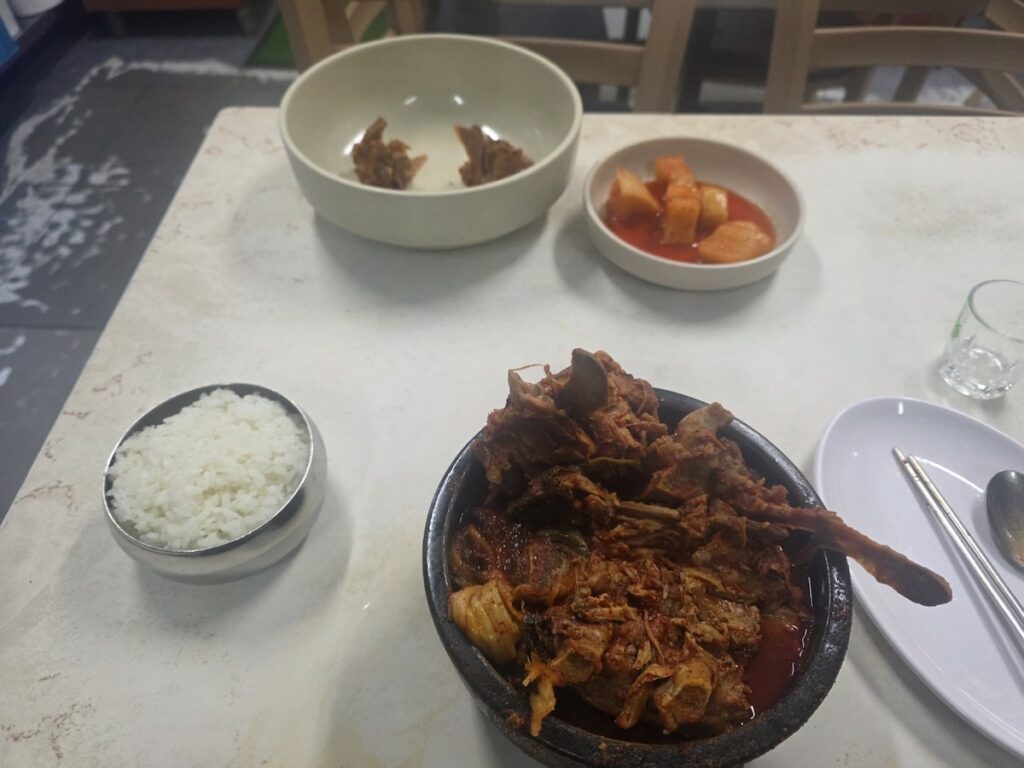
3 Best Korean Semi-Dried Fish Rituals & K-Pop Idol Diet Secrets begin not with a restrictive regime, but with a profound appreciation for the concentrated essence of the sea. In the cinematic landscape of Korean culinary tradition, fish is far more than a source of protein; it is a medium of ancestral affection and a modern blueprint for physical perfection. We recall the intimate ritual of a grandmother meticulously deboning a grilled catch for her granddaughter, a scene of domestic grace that has now evolved into the sophisticated wellness routines of global icons.
Today, the secret behind the “Celebrity Glow” and the lean, vibrant energy of K-Pop stars like BTS’s Jin and MAMAMOO’s Hwasa is being traced back to Ban-geon-jo (semi-dried fish). By subjecting fresh catches to the rhythmic sea breezes, a transformation occurs: moisture evaporates, amino acids intensify, and the flesh attains a uniquely firm, “Jjolguk” texture. This process doesn’t just enhance the flavor—it creates a high-performance superfood that anchors the most sought-after health rituals in Seoul. From the luxury vaults of Shinsegae Department Store to the charcoal-scented hearths of Insa-dong, the semi-dried fish ritual stands as the ultimate synthesis of tradition, luxury, and modern vitality.
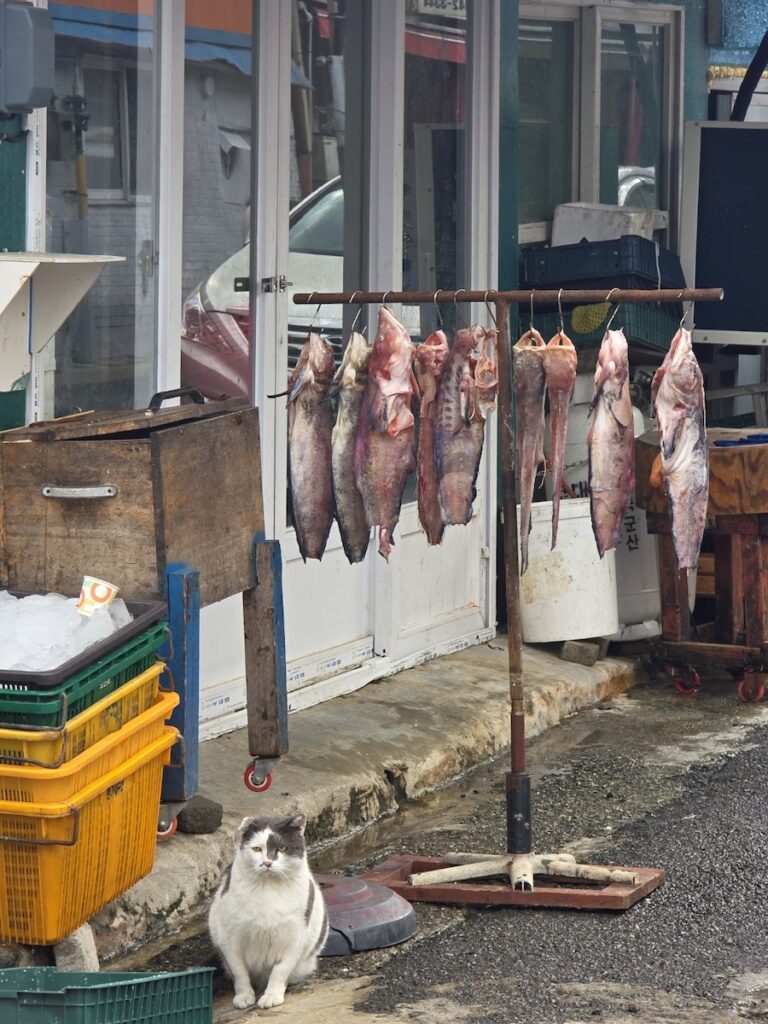
The Art of Semi-Drying: Why “Ban-geon-jo” Wins
In the hierarchy of Korean seafood, Ban-geon-jo (semi-dried) holds a unique position between the raw and the fully desiccated. This method is a sophisticated preservation ritual that enhances the natural properties of the fish.
1. The Science of Concentrated Umami
As moisture evaporates during the semi-drying process, amino acids become highly concentrated. This creates a “flavor bomb” effect where the natural savory notes are amplified far beyond those of fresh, watery fish.
2. The Structural Integrity (Texture)
Fresh fish often breaks apart during high-heat cooking. Semi-drying undergoes a process of Protein Cross-linking, making the flesh firm, elastic, and “chewy” (a texture Koreans call Jjolguk). This makes it ideal for steaming or braising without the meat disintegrating.
3. Odor Control and Convenience
In a nation of high-rise apartments, the smell of frying fresh fish can be overwhelming. Semi-dried fish has a lower moisture content and reduced volatile compounds, meaning it produces significantly less smoke and “fishy” odors when grilled, making it the perfect choice for modern urban living.
Technical Comparison: Fresh vs. Semi-Dried
| Feature | Fresh Fish (Saeng-mul) | Semi-Dried (Ban-geon-jo) |
| Texture | Soft, flaky, delicate | Firm, elastic, meaty |
| Nutrients | High water-soluble vitamins | Concentrated Protein & Omega-3 |
| Storage | 1–2 days (refrigerated) | Long-term (frozen/vacuum sealed) |
| Best For | Sashimi, clear soups | Grilling, Steaming, Braising |
The Idol’s Choice: Why K-Pop Stars Embrace the Fish-Grilling Ritual
In the high-pressure world of K-Pop, where visual perfection and boundless energy are the currency, the diet of an idol is a subject of global fascination. While the world whispers about extreme restrictions, the true insiders know the secret to a sustainable “Celebrity Glow” lies in the high-protein, mineral-rich ritual of the Korean fish table.
The “Jin” Effect: A Cinematic Devotion to the Sea
BTS’s Jin is perhaps the most famous advocate for this oceanic lifestyle. Known for his refined palate and love for fishing, Jin’s preference for species like Jeju Silver Cutlassfish (Galchi) and Semi-Dried Sea Bream (Domi) has turned quiet coastal eateries into global landmarks. For an idol whose schedule demands peak physical condition, the concentrated amino acids in a perfectly grilled semi-dried fish offer the ultimate “clean bulk” without the bloating associated with heavy meats.
Hwasa’s “Bab-doduk” Moment: Authenticity on a Plate
When MAMAMOO’s Hwasa enjoys a meal, it becomes a national trend. Beyond her famous gopchang cravings, her cinematic appreciation for a simple bowl of rice topped with a thick piece of grilled fish has re-popularized the “Bab-doduk” (Rice Thief) culture among the younger generation. It is a ritual of grounding—stripping away the stage makeup and reconnecting with the ancestral flavors of the sea.
The Science of the “Celebrity Glow”
Why do top-tier agencies encourage fish over other proteins? It comes down to the Omega-3 and Collagen concentration.
- Skin Elasticity: The skin of a semi-dried fish, crisped over charcoal, is a concentrated source of marine collagen.
- Brain Health: The DHA levels in oily catches like Mackerel help maintain the sharp focus required for complex choreography.
- Anti-Inflammatory: The gentle steaming or grilling process preserves natural nutrients that help idols recover from physical fatigue without the inflammatory markers found in processed foods.
For the modern traveler, following this “Idol Ritual” isn’t just about chasing a trend; it’s about adopting a sophisticated, time-tested approach to wellness that keeps Korea’s brightest stars shining. Whether it’s at a humble alleyway grill in Dongdaemun or a luxury hotel suite, the fish-grilling ritual remains the ultimate celebrity secret for staying lean, healthy, and vibrantly Korean.
Popular Species for the Semi-Dried Ritual
Not all fish are destined for the drying rack. White-fleshed fish are the champions of this category, as oily red fish can turn rancid during the drying process.
- Sea Bream (Domi): The king of the table, often used in ancestral rites.
- Rockfish (Wooreok): Becomes incredibly chewy and savory when semi-dried.
- Croaker (Gulbi/Min-eo): The ultimate gift item; its salty, aged flavor is legendary.
- Cod (Daegu): Perfect for deep, rich stews after being semi-dried.
The Modern Ritual: Culinary Sanctuaries Beyond the Apartment Walls
In the dense vertical forest of Seoul’s luxury apartments, the aromatic ritual of grilling fish has faced a modern dilemma. The persistent, heavy scent of omega-rich oils—while nostalgic—often lingers longer than desired in contemporary living spaces. This has catalyzed a migration of the fish-grilling ritual from the home kitchen to high-end culinary sanctuaries. Here, industrial-grade ventilation systems and specialized ovens (utilizing volcanic stone, oak charcoal, or high-pressure steam) do the heavy lifting, transforming a humble meal into a sensory performance of fire and sea.
1. Hwa-ri (Insa-dong): The Hanok Ember Ritual
Located in the heart of Seoul’s cultural district, Hwa-ri offers a cinematic experience where the architecture is as seasoned as the food. Within a restored Hanok, semi-dried fish is subjected to the intense, dry heat of premium charcoal. The result is a skin that shatters like glass, revealing flesh that has been rendered tender and concentrated in its umami profile. It is the go-to destination for those who seek the “Grandmother’s touch” but with the precision of a master griller.
2. Da-mi (Yeouido): The Financial District’s Hearth
In the shadow of Seoul’s skyscrapers, Da-mi has remained a legendary institution for the financial elite. The ritual here is visceral—diners sit around an open hearth where an array of semi-dried catches is displayed like jewels on ice. The chefs grill each piece to order over roaring flames, a process that caramelizes the exterior while maintaining the internal “Q-texture” (chewiness) that semi-drying provides. It is a high-energy, sophisticated theater of smoke and salt.
3. The Grill (Grand Hyatt Seoul): The Pinnacle of Oceanic Elegance
For the most refined iteration of the ritual, The Grill at the Grand Hyatt Seoul elevates local semi-dried catches to the level of haute cuisine. Utilizing high-end international culinary techniques, they treat premium species like Sea Bream and Croaker with a level of reverence usually reserved for fine steaks. The panoramic view of the Han River serves as a backdrop to a meal where the tradition of Ban-geon-jo is presented with impeccable service and a curated wine list that complements the fish’s concentrated salinity.
4. Gae-do-sik-dang (Apgujeong): The Modernist Approach
A newcomer to the high-end scene, this establishment focuses on the “Science of Aging.” They utilize custom-built dry-aging rooms that mimic the coastal winds of the southern provinces, ensuring each fish reaches its peak umami state before hitting the custom-made volcanic stone grills. It is where Seoul’s trendsetters go to experience the traditional semi-dried flavor in a sleek, minimalist environment.
Related Guides: Exploring the Grain and the Sea
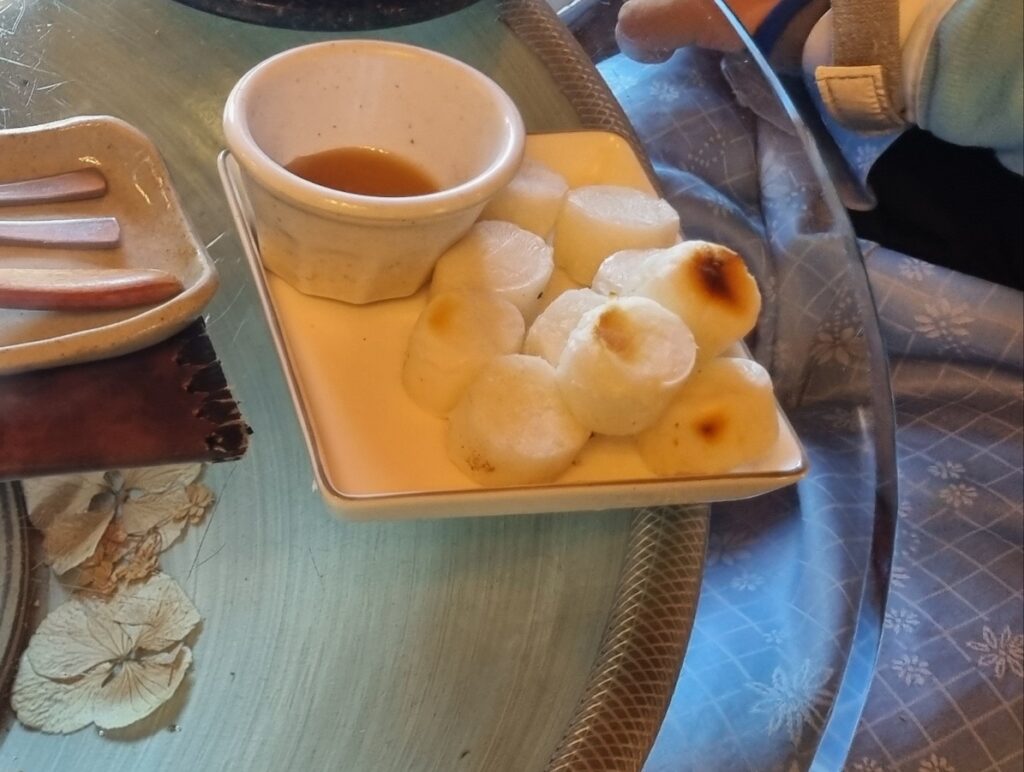
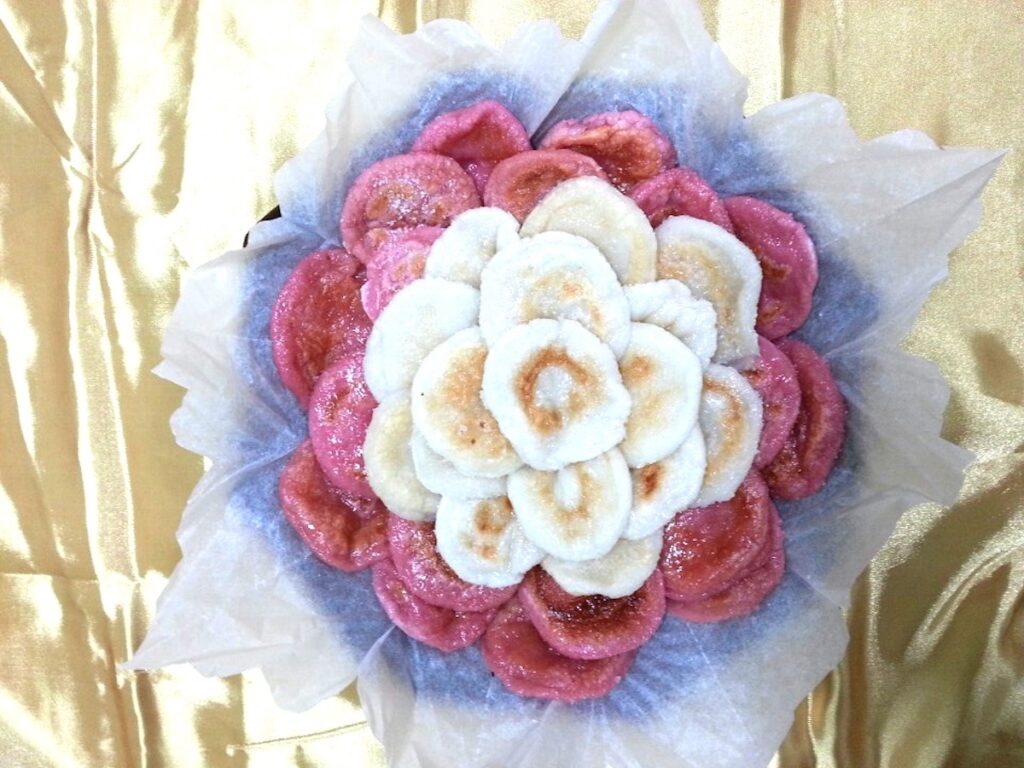
- Korean rice cake Tteok: Celebrity Diet Secret, Vegan Bliss, and Rituals Beyond the savory depth of semi-dried fish, discover the chewy elegance of Korea’s most iconic grain ritual. This guide unveils how Tteok has evolved from a sacred ritual offering into a modern celebrity diet secret and a global vegan sensation. Learn about the sophisticated textures that mirror the “Jjolguk” sensation of our seafood rituals and find out why this ancient starch remains the ultimate plant-based bliss in Seoul’s contemporary wellness scene.
The Luxury Vault: Department Store Curation and Valuation
In Korea, the basement floors of the “Big Three” department stores—Hyundai, Lotte, and Shinsegae—act as the ultimate curators of the nation’s finest semi-dried bounty. Here, fish is not merely a commodity; it is treated as a luxury asset, meticulously packaged and priced for the most discerning gift-givers.
1. The Curation Standards
At Shinsegae’s ‘The Prime’ or Hyundai’s ‘Myeong-in-myeong-chon’ (Master Artisan) sections, the semi-dried fish are selected based on size, symmetry, and origin. Each fish, typically Gulbi (Yellow Croaker) or Domi (Sea Bream), is naturally dried in the sea breeze of places like Yeonggwang or Goheung. The presentation is cinematic—tied with golden silken threads and nestled in paulownia wood boxes to control humidity.
2. Valuation and Pricing Dynamics
The price of these semi-dried treasures reflects their rarity and the labor-intensive drying process. Unlike fresh fish sold by weight, these premium selections are often sold in sets of 10 or 20.
- Entry-Level Luxury: Standard sets of semi-dried Croaker or Rockfish typically range from 150,000 KRW to 300,000 KRW.
- The “Myeong-pum” (Masterpiece) Tier: Large-scale Gulbi (over 25cm in length) at Shinsegae or Lotte can easily fetch 500,000 KRW to 1,500,000 KRW per set.
- Seasonal Fluctuations: During the Chuseok or Seollal (Lunar New Year) holidays, prices can surge by 20–30% due to the ritualistic demand for gift-giving, where the price often signals the level of respect between the giver and the receiver.
3. The Concierge Service
These department stores offer a “custom trim” service where fish are pre-descaled and vacuum-sealed into individual portions for the “apartment-dwelling” customer. This convenience, combined with the guarantee of origin, justifies the premium price point for Korea’s upper-middle class who value both tradition and time-saving luxury.
The Harmony of the Table: More Than Just Fish
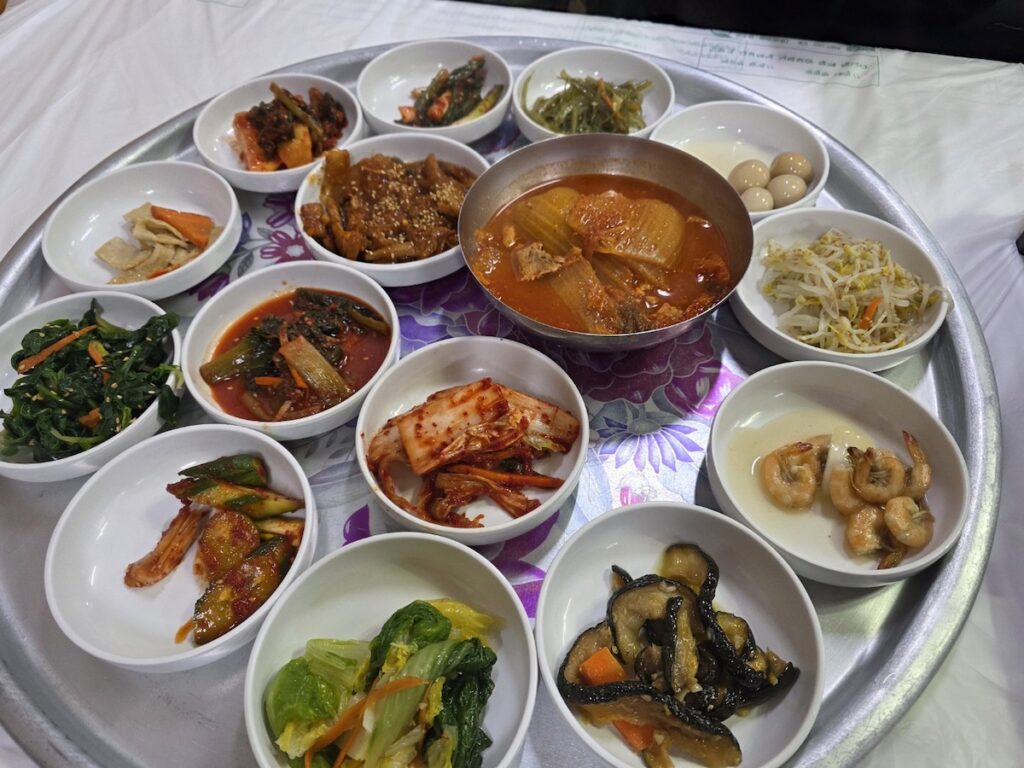
When you enter a Korean fish specialty house, you aren’t just ordering a protein; you are commissioning a symphony. The grilled fish is never lonely. It is accompanied by a ritualistic array of Banchan (side dishes)—fermented salty greens to cut the fat, a steaming bowl of rice to balance the salt, and often a pungent Doenjang-jjigae (soybean paste stew). The true beauty of a Korean fish meal lies in this Harmonious Synthesis, where the firm texture of the semi-dried fish finds its perfect counterpart in the soft, fermented textures of the surrounding bowls.
Action Plan: How to Experience Ban-geon-jo
- Look for the “Semi-Dried” Label: When shopping at markets like Gyeongdong or Noryangjin, ask for Ban-geon-jo specifically.
- The Steaming Ritual: Try steaming the fish with a few slices of ginger and green onion instead of frying to experience the purest texture.
- The Tea Ritual: For the ultimate traditional experience, eat your grilled fish with rice soaked in cold green tea (Ochazuke style, or Boribap), which cleanses the palate after each savory bite.