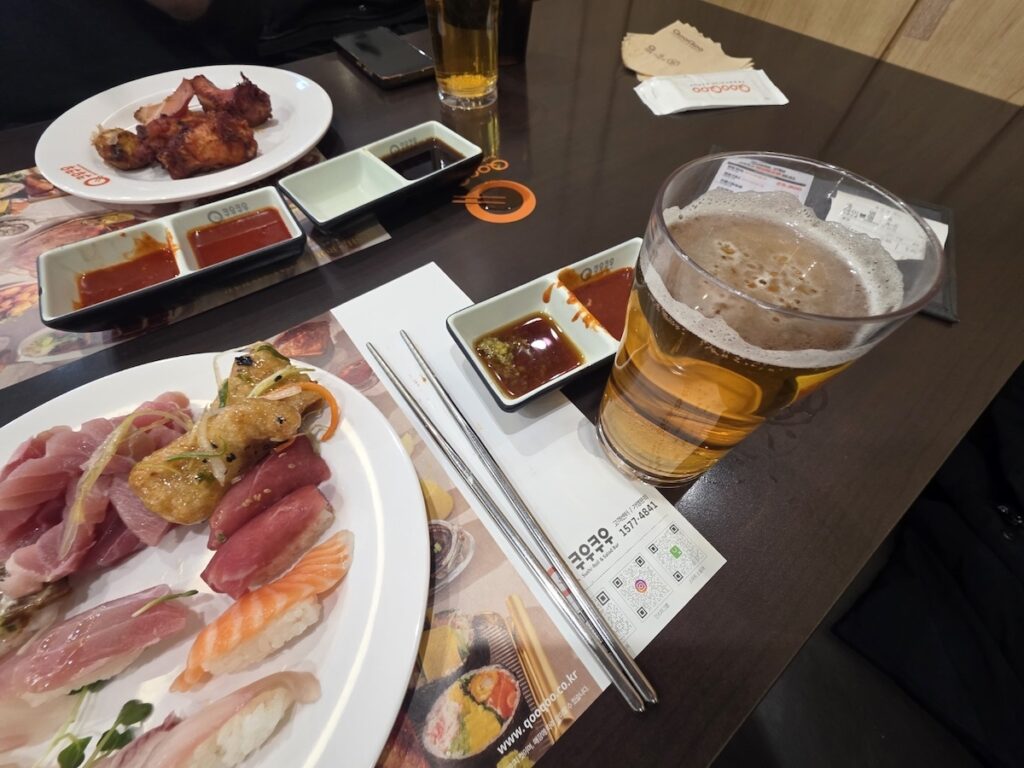
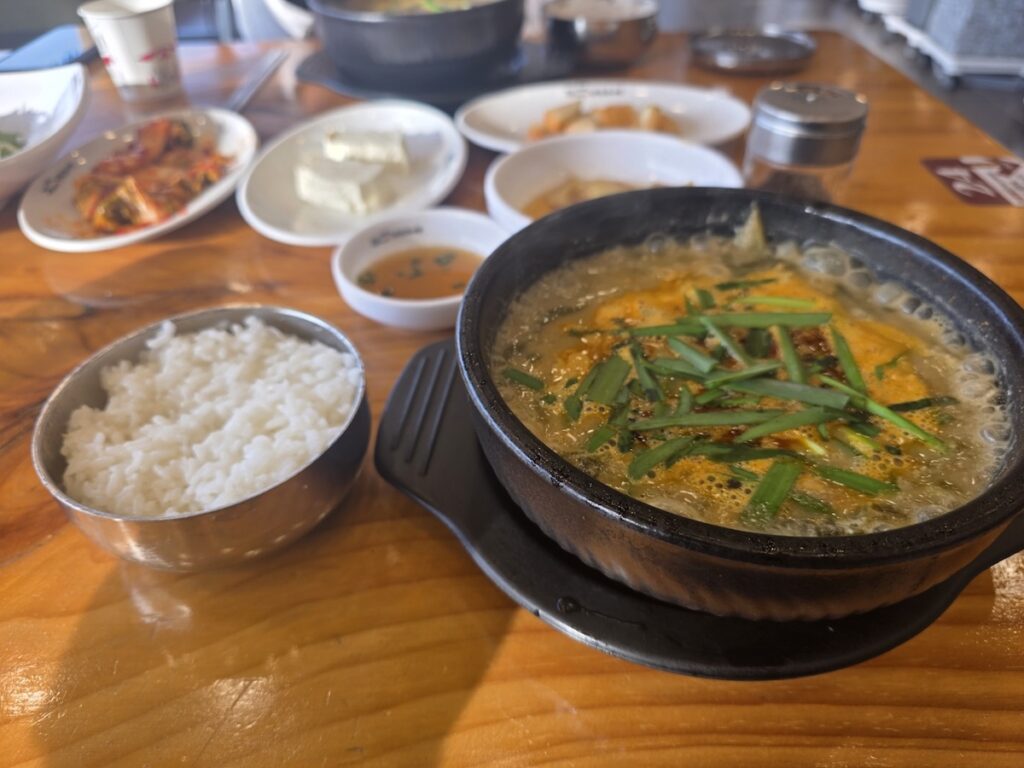
This Korean Energy Soup guide begins with a ritual of power that every golfer in Korea understands. Yesterday, I stood on the greens of a premier golf course in Yongin, Gyeonggi-do, feeling the cool spring air of late March. In Korea, the quest for the ultimate Stamina Food in Seoul and its surrounding regions often leads to a steaming bowl of Chueotang (Mudfish Soup) before the first tee.
Four men, fueled by the singular ambition to hit a 300-yard drive, do not settle for light snacks. We head straight for the concentrated essence of the mudfish. There is a knowing, sophisticated smile shared among Korean adults when this dark, earthy broth is served; it is the smile of someone who has traded youthful pickiness for functional vitality. While the uninitiated might hesitate at its origins, the seasoned player knows that this Korean Energy Soup is the hidden fuel of legends, providing the physical strength and mental focus required for a perfect round.
The Science of the Mudfish: A Nutritional Powerhouse
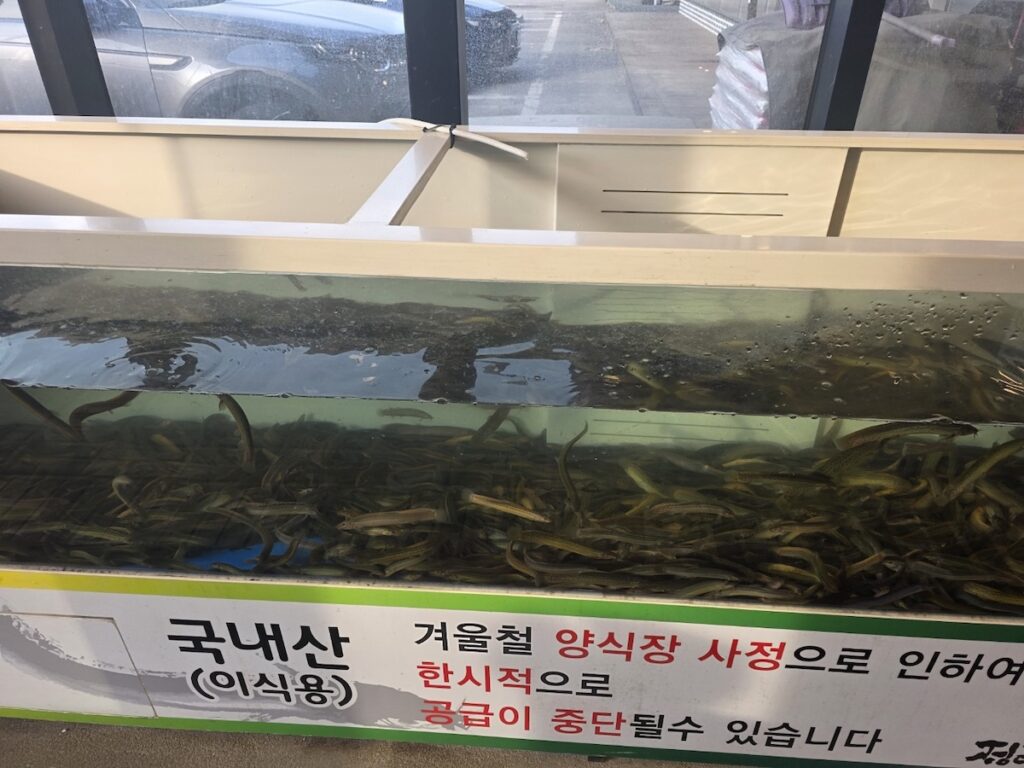
Why do golfers and hikers flock to this specific Korean energy soup? The answer lies in the biological profile of the mudfish (loach). Unlike larger fish, mudfish are often ground entirely—bones, skin, and all—into the broth, creating a nutritional density that is hard to match.
Mudfish Nutritional Profile: Why it Works
| Component | Per 100g (Mudfish) | Benefit for Travelers & Athletes |
| Calcium | 736mg | Essential for bone recovery after 18 holes |
| Chondroitin | High | Natural joint lubrication for a fluid swing |
| Vitamin A | 360 IU | Enhances focus and visual acuity on the green |
| High Protein | 16.2g | Easily digestible muscle repair fuel |
This is the Chueotang benefits secret: it provides a massive dose of calcium and protein without the heavy, sluggish feeling of a steak. It is clean, functional energy designed for physical performance.
The Curated Edit
Traditional Healing
A spicy twist on Korean sweetness:
The Seoul Pilgrimage: Top 5 Chueotang Destinations for Energy & Culture
Finding the best stamina food in Seoul is a journey through history, celebrity favorites, and even cinematic backdrops. These five institutions are where the elite, the locals, and the curious gather to recharge their metabolic batteries.
1. Yonggeum-ok (용금옥) – The Presidential Heritage near City Hall
Established in 1932, Yonggeum-ok is not just a restaurant; it is a living museum of Korean modern history. Located in the heart of Da-dong near Seoul City Hall, this spot has been a favorite for generations of Korean politicians, literary figures, and even former presidents. It is the birthplace of Seoul-style Chueotang (Soutang), which is known for its clean, strained broth that appeals to those who prefer a refined texture.
The accessibility is unparalleled, being just a short walk from Euljiro 1-ga Station (Line 2). Walking into this traditional Hanok-style building feels like stepping back into the 1930s. It is a place where diplomacy and dining meet, making it the perfect entry point for international visitors who want to experience the “elite” side of Korean stamina food.
2. Namdo Sikdang (남도식당) – The Rustic Soul of Jeong-dong Alley
Tucked away in the picturesque Jeong-dong alley near Deoksugung Palace, Namdo Sikdang is a cult favorite among Seoul’s intellectual and legal elite. This restaurant is famous for its thick, creamy Jeolla-province style broth. It is a frequent haunt for judges and lawyers from the nearby courts, as well as actors performing at the surrounding theaters.
The charm of Namdo Sikdang lies in its unpretentious, rustic atmosphere. It has been featured in numerous lifestyle documentaries showcasing the “authentic taste of the south” in the middle of the capital. After a walk along the famous stone wall of Deoksugung, a bowl here provides the heavy-duty energy needed for an afternoon of sightseeing. It is best reached from City Hall Station (Line 1 & 2), Exit 1 or 2.
3. Wonju Chueotang (원주추어탕) – The Gangnam Business Powerhouse
Located in the bustling district of Gangnam (Nonhyeon-dong), Wonju Chueotang is the go-to spot for high-profile business professionals and K-celebrities who need a quick, potent energy boost. This restaurant is known for its spicy, invigorating broth and its exceptionally high-quality fried mudfish (Chueo-twigim), which even those hesitant about the soup find addictive.
Because of its prime Gangnam location, it is a common sight to see luxury sedans parked outside during lunch hours. It is the ultimate “power lunch” spot for those who work hard and play hard. The accessibility is excellent via Sinnonhyeon Station (Line 9 & Shinbundang Line), making it a convenient stop for travelers staying in the southern part of Seoul.
4. Gureum-san Chueotang (구름산추어탕) – The Celebrity Gem with a Bonus
This destination has gained massive popularity for its unique serving style—every bowl of Chueotang comes with a side of tender boiled pork (Bossam) and fresh kimchi. This combination has made it a viral sensation on Korean social media and a frequent stop for TV personalities and YouTubers looking for the “best value” stamina meal.
The Gwangmyeong branch (just on the outskirts of Seoul) is often visited by golfers returning from nearby courses in Gyeonggi-do, much like the ritual I experienced in Yongin. The abundance of protein from both the mudfish and the pork makes it the gold standard for muscle recovery. It is a sprawling, high-energy environment that perfectly captures the modern Korean obsession with functional dining.
5. Bukchang-dong Gome-Sikdang (북창동 고메식당) – The Cinematic Atmosphere
While perhaps more modern in its branding, the Bukchang-dong area is a classic backdrop for many “K-Noir” films and urban dramas. This area, filled with neon lights and narrow alleys, provides a cinematic setting for a late-night stamina bowl. Gome-Sikdang and similar spots in this district cater to the late-night crowd—actors, production crews, and office workers who have finished a grueling day of filming or overtime.
The aesthetic here is “Industrial-Traditional,” blending the grit of the city with the deep comfort of the mudfish essence. It is easily accessible from Namdaemun Market and Hoehyeon Station (Line 4), making it a perfect spot for travelers to refuel after a long day of shopping and urban exploration.
Seoul Chueotang Accessibility & Profile Summary
| Destination | Primary Style | Best For | Nearest Subway |
| Yonggeum-ok | Clean/Filtered | Beginners & History buffs | Euljiro 1-ga (Line 2) |
| Namdo Sikdang | Thick/Creamy | Authentic foodies | City Hall (Line 1/2) |
| Wonju Chueotang | Spicy/Modern | Business & Celebrities | Sinnonhyeon (Line 9) |
| Gureum-san | Soup + Bossam | Maximum Protein/Value | Gwangmyeong area |
| Bukchang-dong | Urban/Late-night | Cinematic atmosphere | Hoehyeon (Line 4) |
The Curated Edit
Culinary Skillset
Mastering the delicacy of the silver belt fish:
The Master’s Ritual: How to Eat Like a Local
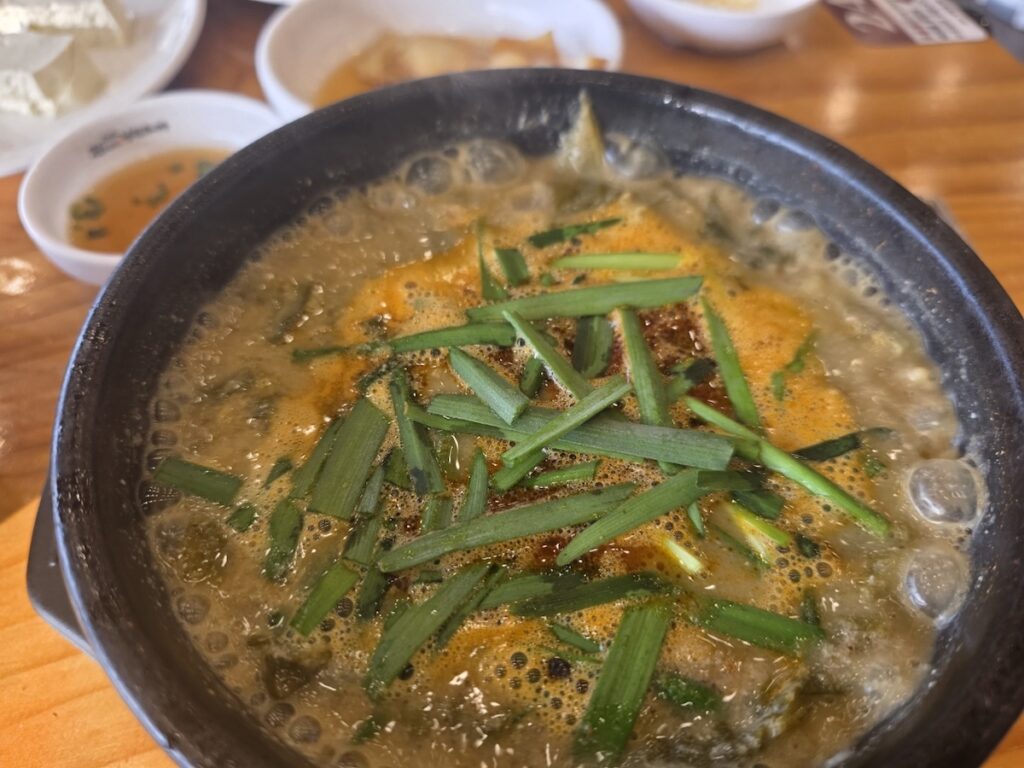
Eating Chueotang is an art form. To maximize the experience and maintain the integrity of the broth, follow the 1/2 rule.
Never dump your entire bowl of rice into the soup at once. If you do, the rice will absorb the broth too quickly, turning your meal into a thick porridge and ruining the texture. Instead, add exactly 1/2 of your rice first. Enjoy the harmony of the grains and the spicy broth. Once you have finished that portion, add the remaining 1/2. This ensures every bite is perfectly balanced and the soup stays hot until the very end.
Don’t forget the condiments: a dash of San-cho (Sichuan pepper) adds a numbing, citrusy kick, while Deulkkae (perilla powder) adds a nutty creaminess that rounds out the spice.
Fuel Your Journey: Embrace the Korean Strength
If you want to experience the “real” Korea, you must look beyond the standard tourist fare. Understanding the need for high-functional food is part of the local DNA. Whether you are walking the palaces of Seoul or aiming for a personal best on the golf course, you need a foundation of strength.
By choosing this Korean energy soup, you are not just eating; you are participating in a multi-generational tradition of vitality. Take the leap, ignore the “mudfish” label, and feel the surge of energy that has powered Korean ambition for decades.
Conclusion
Chueotang is the ultimate bridge between traditional wisdom and modern performance. It is a dish that rewards the brave and strengthens the weary. On your next trip to Seoul, skip the familiar and seek out the murky, spicy, and profound depth of the mudfish. Your body, and perhaps your golf swing, will thank you.