The Lifelong Ritual: From Kindergarten to 70s
In the heart of Seoul, the conversation about the body is a lifelong social background noise. It begins in kindergarten and follows an individual into their 70s. This is not merely about vanity; it is about a cultural obsession with discipline. To a sophisticated observer, the Korean diet for weight loss is not a temporary project but a permanent ritual of self-respect.
However, the global audience often misinterprets this as extreme deprivation or the high-stress K-pop idol meal plan secrets seen in documentaries. The reality of a sustainable Seoul life is far more grounded. It starts with the most rebellious act in modern dieting: eating three regular meals a day, centered around a disciplined bowl of rice.
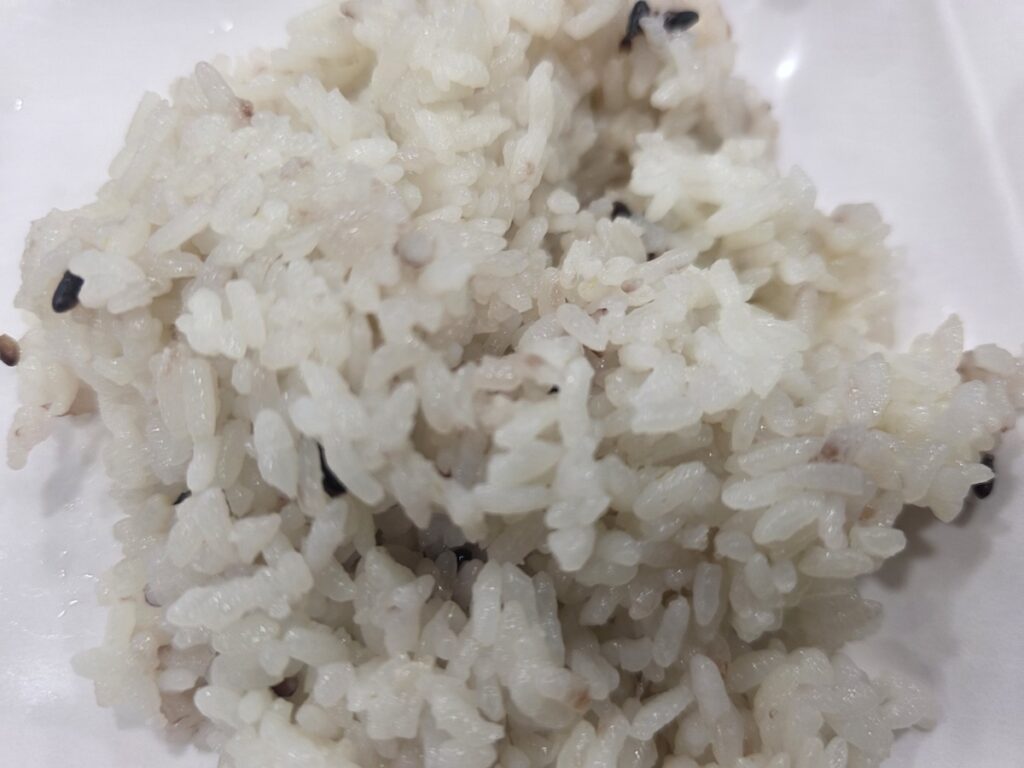
The Foundation: Why Stability is the Ultimate Diet Hack
Many travelers arriving in Korea are shocked to see locals enjoying rice while maintaining a lean silhouette. In a world dominated by carb phobia, the Korean approach offers a refreshing paradox. The secret lies in the stability that a balanced Korean meal plan provides.
Success in this culture does not start with a miracle supplement. It starts with mastering the three-meal ritual. By skipping meals or cutting out carbohydrates, you invite the biological rebound that leads to late-night snacking. A controlled portion of rice acts as a metabolic barrier, providing the clean energy necessary to sustain a high-pressure lifestyle without the stress of starvation.
Weight Loss Strategy
The strategic foundation of the Korean table:
The Cultural Wisdom: Why Koreans Worry When You Skip Rice
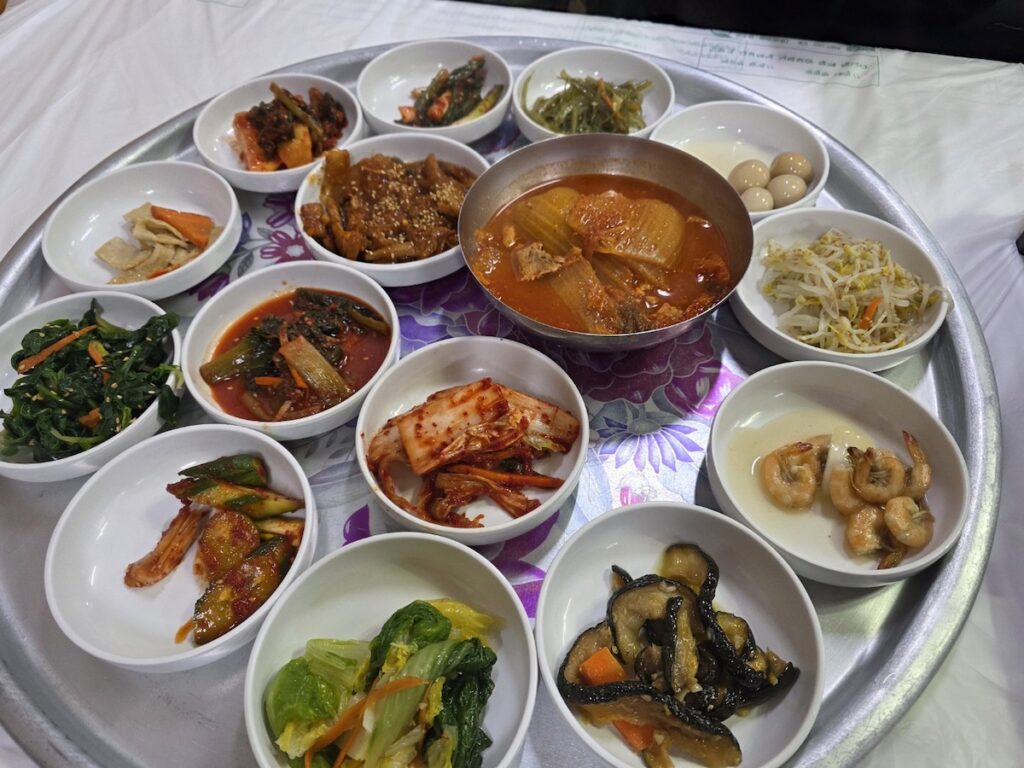
In Korea, if you tell someone you are skipping rice to lose weight, they don’t congratulate you; they worry about your health. This concern reflects a deep cultural consensus: adequate carbohydrates provide the psychological stamina to sustain a long-term health journey. Rice is the canvas for the Traditional Korean Vegan Side Dishes that provide the actual nutrients. Without this anchor, the meal feels incomplete, leading to the cravings that ruin any diet.
The Nutrient Profile: Rice as a Precision Fuel
To understand the Korean diet for weight loss, one must look beyond the calorie count. Rice, especially when prepared in the traditional Korean way, offers a specific nutritional density that supports long-term metabolic health. Unlike processed wheat flours that cause rapid insulin spikes, the complex structure of rice provides a sustained release of energy.
Below is a comparative analysis of the nutritional components of 100g of cooked white rice versus brown rice, illustrating why they serve as the perfect anchor for a balanced Korean meal plan.
| Nutrient (per 100g) | White Rice (Cooked) | Brown Rice (Cooked) | Dietary Significance |
| Calories | 130 kcal | 112 kcal | Low caloric density per volume |
| Carbohydrates | 28.2g | 23.5g | Primary clean energy source |
| Dietary Fiber | 0.4g | 1.8g | Sustained satiety and gut health |
| Protein | 2.7g | 2.6g | Essential amino acid contribution |
| Vitamin B1 (Thiamine) | 0.02mg | 0.1mg | Carbohydrate metabolism support |
| Magnesium | 12mg | 43mg | Muscle function and stress relief |
The Biological Impact: How Rice Facilitates Fat Loss
The inclusion of rice in a weight loss journey is not a compromise; it is a biological strategy. When you consume rice alongside fiber-rich Traditional Korean Vegan Side Dishes, several physiological advantages occur that simpler diet plans often miss.
1. The Insulin Stabilization Effect
When rice is eaten with seasoned vegetables (Namul) and fermented foods, the overall Glycemic Load (GL) of the meal decreases significantly. The fiber from the side dishes slows down the glucose absorption, preventing the sharp insulin spikes that trigger fat storage. This stable blood sugar level is why Koreans can maintain high energy levels without the “sugar crash” common in western diets.
2. Resistance to Metabolic Slowdown
Extreme low-carb diets often lead to a drop in thyroid hormone activity, slowing the basal metabolic rate. By providing a clean, consistent source of glucose, the Korean diet for weight loss ensures that your metabolism remains active. This allows the body to burn fat more efficiently while preserving lean muscle mass—a critical factor for the longevity of any diet project.
3. The Satiety Hormone Regulation
The physical volume of rice, combined with its high water content from cooking, physically distends the stomach more than dry carbohydrates like bread or crackers. This triggers the release of leptin, the hormone responsible for telling your brain that you are full. By achieving genuine psychological and physical fullness during your three regular meals, you eliminate the hormonal drive to binge on high-calorie snacks later in the evening.

The Strategic Shift: From Deprivation to Discipline
The data confirms what the cultural wisdom of Seoul has known for centuries: rice is the foundation of a resilient physique. It is the fuel that allows you to sustain the discipline required for a lifelong health journey. Instead of viewing carbohydrates as the enemy, the Seoul Healthy Food Guide teaches us to view them as the master regulator of our energy and appetite.
The Alchemy of Resilience: 3 Essential Banchan
The transformation of a Korean table into a site of recovery is best observed through specific side dishes that support the weight loss journey.
Dried Eggplant Stir-fry: The Meaty Illusion
Dried under the intense sun, eggplant undergoes a molecular change. The texture becomes chewy, providing a physical satisfaction that signals satiety to the brain. It is a sophisticated way to feel full without heavy calories.
Anchovy with Chili: The Metabolic Spark
These mineral-rich small fish are crucial for anyone on a caloric deficit. The addition of green chili acts as a gentle metabolic spark, encouraging steady energy burning throughout the day.
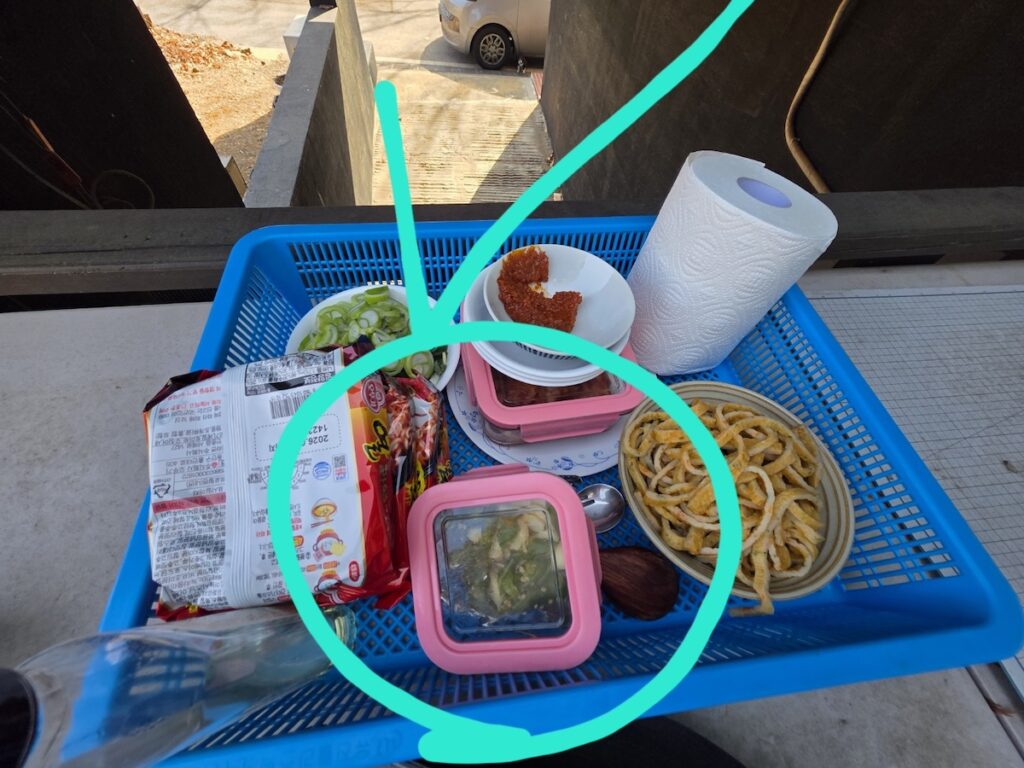
Bomdong Geotjeori: The Seasonal Awakening
This early spring cabbage provides a raw, enzymatic boost to the digestive system. It offers the probiotic powerhouse necessary to keep the gut healthy while navigating the pressures of a weight loss diet.
Calorie-Driven Strategy
The strategic foundation of the Korean weight loss table:
The Neighborhood Alchemist: Finding Your Strategy
To replicate this, you must find your local Banchan-gage (Side Dish Shop). These shops are the true kitchens of Seoul, where seasonal wisdom is prepared fresh. Choosing to buy your meals here is a statement of self-care, allowing you to curate a personal plate of nutrient-dense fiber that supports your long-term goals.
Conclusion
The battle for a healthier body is won in the first fifteen minutes of your meal. In Seoul, where health is a social report card, the most disciplined individuals choose stability. By embracing the rice bowl and nutrient-dense side dishes, you are participating in a historical ritual of resilience. This is the real soul of the Seoul Healthy Food Guide: the power to control your narrative through the simple, honest art of the three-meal anchor.
Experience Mastery
Master the art of Traditional Korean Vegan Side Dishes:
Action Plan
- Locate the Source Find a neighborhood Banchan-gage with a glowing green sign for authentic nutrition.
- Master the Rice Anchor Do not fear the carb. Control the quantity to provide the stamina needed for a sustainable journey.
- The 3-Meal Consistency Commit to three regular meal times to eliminate the stress and cravings that lead to diet failure.
- Mindful Consumption Focus on the natural textures of traditional dishes to connect with the healthy, disciplined soul of Seoul.