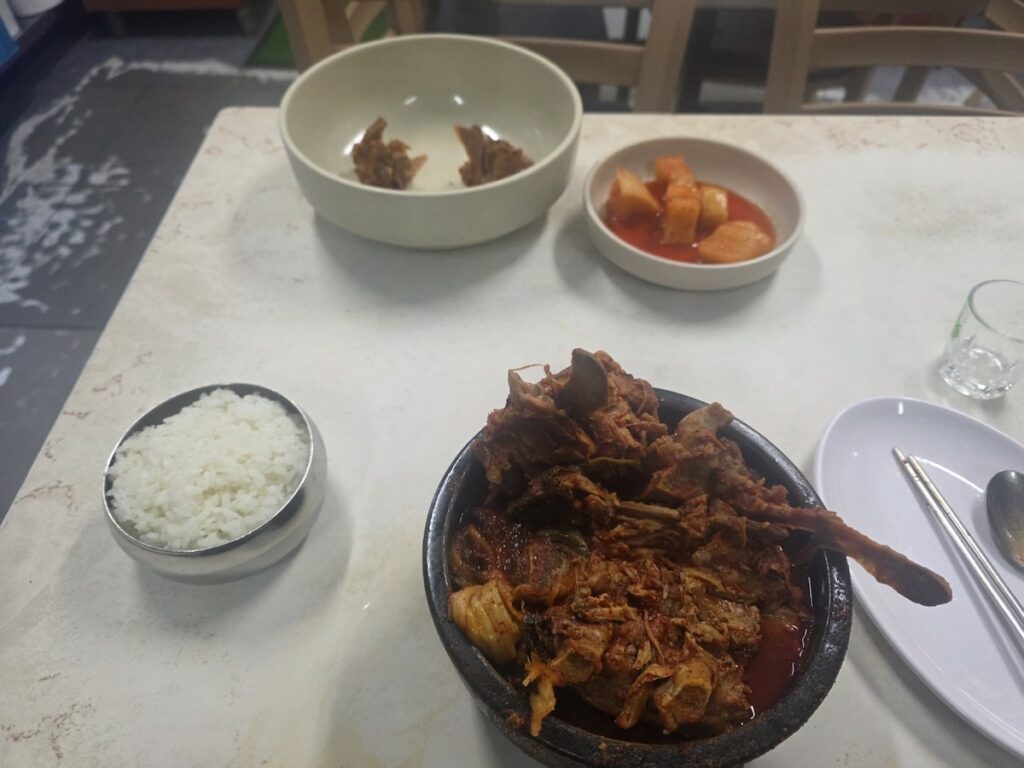
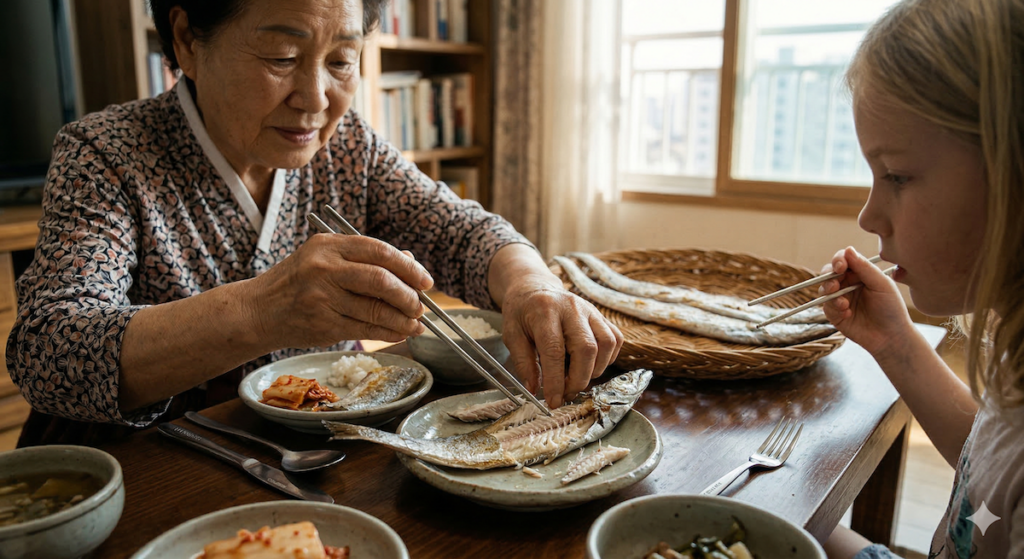
In the modern, high-speed kitchens of Seoul, a slow and deeply nostalgic ritual still holds its ground. A grandmother sits before her young grandchild, her metal chopsticks moving with the terrifying precision of a seasoned surgeon. She is deconstructing a piece of grilled, sun-dried belt fish (Galchi), navigating the treacherous terrain of its needle-like bones. This is the Korean Belt Fish Ritual—a performance of patience, love, and culinary mastery.
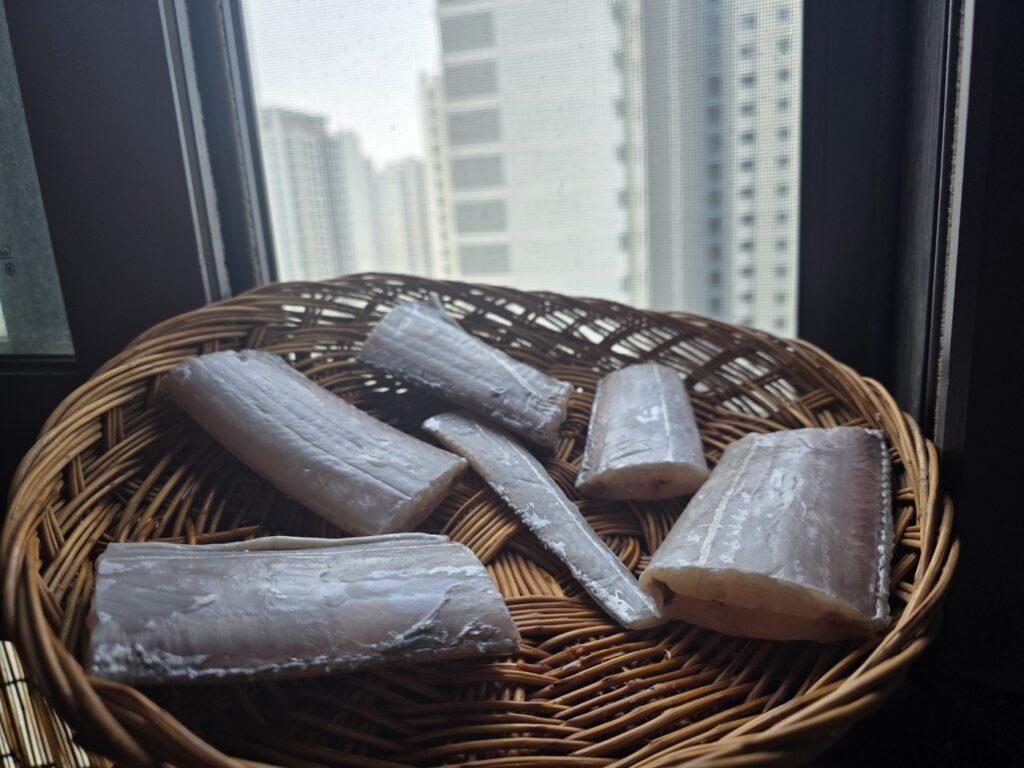
The Western Efficiency: The Reign of the Wüsthof Knife
To the sophisticated Western palate, the presence of bones at the dining table is often viewed as a technical obstacle rather than an opportunity for flavor. The Western tradition is built on the foundation of the “Filet”—a clean, efficient, and pre-processed cut of fish.
Before a fish even touches the pan in a professional Western kitchen, it encounters specialized tools like the Wüsthof Boning Knife or the flexible blades of Zwilling J.A. Henckels. These instruments are designed to strip the fish of its anatomy in seconds, removing every “pin bone” to ensure the diner never has to perform labor at the table. It is a culture of convenience and flawless presentation.
The Korean Table: Chopsticks as a Surgical Extension
Korea, however, chooses a different path. We embrace the original anatomy of the fish because we believe the best flavor hides closest to the bone. To unlock this flavor, we don’t use knives; we use Chopsticks (젓가락).
The Korean metal chopstick is fundamentally different from the Western fork and knife. While a fork is designed to pierce and a knife to cut, chopsticks function as an extension of the fingers. They pinch, lift, and separate with a delicate touch that no stainless steel fork can replicate. This is where the “Chopstick Surgery” begins.
The Ritual of Love: From Grandmother to Grandchild
The most cinematic moment of this ritual occurs when the grandmother finally isolates a pristine, white flake of fish—completely free of bones. She gently places it atop the grandchild’s steaming bowl of rice. This act transcends simple feeding; it is an offering of time and effort. In a culture that rarely says “I love you” out loud, this painstaking deconstruction of a bony fish is the ultimate silent confession of devotion.
Why the Bone-In Ritual? The Philosophy of the Silver Spine
For many sophisticated travelers, the first encounter with a whole Galchi (Belt Fish) in Seoul can be a moment of genuine confusion. You might find yourself asking the very questions that define the divide between Western efficiency and Korean tradition.
Why don’t Koreans remove the bones in the kitchen?
In a Western professional kitchen, a chef using a Wüsthof boning knife is seen as providing a service of convenience. In Korea, however, a chef who removes the bones before serving is seen as stripping the fish of its soul. We believe that the marrow, fats, and collagen located closest to the skeleton are the true sources of “Umami.” By cooking the fish whole, we preserve the moisture and the natural structural integrity of the meat. To remove the bone is to lose the flavor.
Is it considered polite or normal to struggle with bones at the table?
In many Western formal settings, struggling with your food is seen as inelegant. In Korea, the opposite is true. Engaging in the Chopstick Surgery is a sign of a sophisticated diner who respects the ingredient. It is perfectly normal—and even encouraged—to take your time. A quiet table where everyone is focused on their fish is not a sign of awkwardness, but a sign of a meal well-enjoyed.
Best Korean Fish for Chopstick Beginners: Starting Your Ritual
If you are new to the Korean Belt Fish Ritual, starting with Galchi might feel like jumping into a high-stakes surgery. For those who want to practice their chopstick skills without the frustration of needle-like bones, here are the most popular Korean fish choices that offer a rewarding and manageable experience.
Godeungeo (Mackerel): The King of Accessibility
Godeungeo is perhaps the most beloved fish on the Korean table. Its popularity stems not only from its rich, oily flavor but also from its bone structure. Unlike the complex skeleton of the belt fish, mackerel has a sturdy, central spine and large, easily identifiable ribs. For a beginner, a simple sweeping motion with your chopsticks along the spine can reveal large, satisfying chunks of meat. It is the perfect training ground for your first Korean fish ritual.
Gulbi (Dried Yellow Croaker): The Sophisticated Practice
Gulbi is a step up in terms of cultural significance and ritual. These are small, salted, and dried yellow croakers that hold a nostalgic place in Korean hearts. While they are smaller than mackerel, their flesh is firm and flakes away beautifully. The ritual of eating Gulbi often involves using your chopsticks to gently separate the head and then lifting the entire spine in one piece. It provides a tactile satisfaction that “Filet” culture simply cannot match.
Samchi (Spanish Mackerel): The Meaty Alternative
For those who crave the most meat with the least effort, Samchi is the answer. It is significantly larger and meatier than Galchi, with a very simple and robust bone structure. Because the meat is so thick and the bones are so large, you can use your chopsticks to lift away massive, clean portions of fish. It is an excellent choice for a hearty lunch where you want to enjoy the ritual without the delicate surgical precision required for smaller, bony species.
Why We Choose the Bone: The Flavor of Reality
The reason Koreans prefer these fish bone-in, rather than pre-processed with a Wüsthof knife, is simple: moisture and depth. When a fish is cooked on the bone, the marrow and fats from the skeleton infuse the meat, preventing it from drying out. By choosing to navigate the bones with your chopsticks, you are choosing a more authentic, flavorful, and mindful dining experience. You aren’t just eating; you are participating in the natural anatomy of the sea.
How to Master the Chopstick Surgery Ritual
1. The Flank Maneuver: Clearing the Side-Bones
The secret to the Galchi ritual is starting from the outside in. Use the tips of your chopsticks to gently sweep away the fine, comb-like bones along the edges of the fish. This clears the surgical field for the main event.
2. The Spinal Lift: Revealing the Heart
Once the sides are clear, the central spine becomes visible. Because the Galchi has been sun-dried, the flesh is firm enough to allow you to lift the entire spinal column in one clean motion, revealing the succulent white meat beneath.
3. The Rice Harmony: The Final Climax
Never eat the fish alone. Use your spoon to scoop a perfect mound of rice, then crown it with your surgically extracted fish. This is the harmony of the Korean table—a reward for your patience and precision.
The Chopstick Advantage: Why Not a Fork?
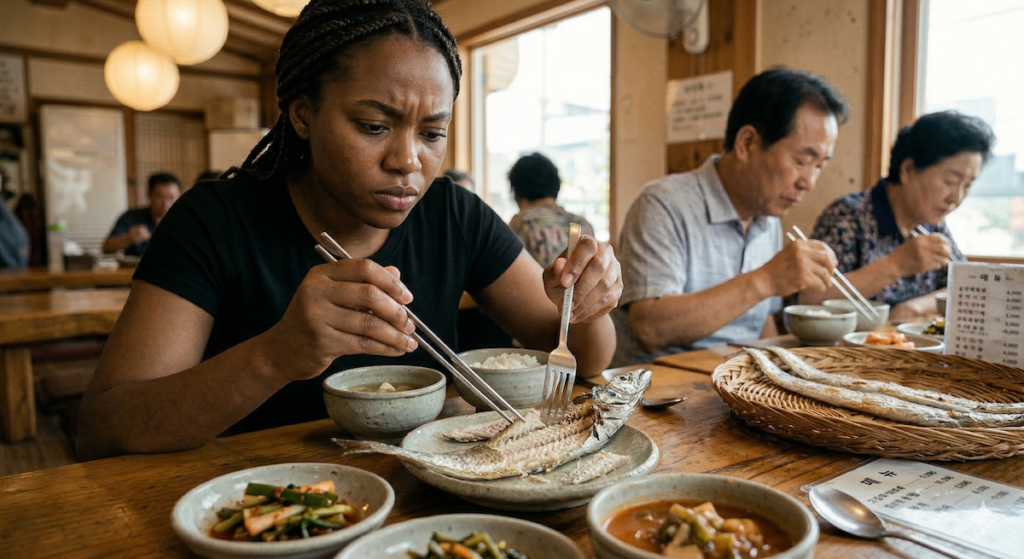
One of the most common questions from foreign guests is: “Wouldn’t a fork be easier?” The answer lies in the fundamental physics of the tools.
Why chopsticks are superior for the “Surgery”
A fork is a weapon of penetration; its tines are designed to pierce and hold. When you pierce a delicate, bony fish like Galchi with a fork, you risk shattering the fine ribs and pushing them deeper into the flesh. Chopsticks (젓가락), however, act as precision tweezers. They allow you to “pinch and peel” rather than “stab and grab.” This delicate control is what makes the clean extraction of the central spine possible without ruining the texture of the fish.
Is it Difficult to Master? Overcoming the Foreigner’s Fear
Many travelers worry that they will look clumsy or end up choking on a fine bone. This fear is the primary barrier to enjoying one of Korea’s greatest delicacies.
Is it truly difficult to eat?
Honestly? The first time is a challenge. But the Korean Belt Fish Ritual is not a test of speed; it is a ritual of mindfulness. Once you understand the anatomy—clearing the side fins first and then lifting the spine—the difficulty vanishes. It becomes a tactile puzzle that is incredibly satisfying to solve.
Why the effort is a “Flavor Investment”
Think of the chopstick surgery as a small investment for a massive gourmet return. The meat found between the ribs of a bone-in Galchi has a silky, buttery texture that a pre-cut filet can never replicate. By overcoming the initial learning curve, you are graduating from a “tourist” who eats for fuel to a “connoisseur” who eats for the ritual.
Related Guides: Master Your Korean Table Rituals
Just as the “Korean Belt Fish Ritual” requires surgical chopstick precision, mastering the art of pungent green onion kimchi offers a deep dive into the layered flavors of Seoul. Discover why this particular ritual is a sanctuary for the vegan traveler.
While savoring the rich, oily depths of Godeungeo or Galchi, balance your table with these five metabolic rituals. Learn how the high-protein, bone-in fish culture aligns perfectly with a sophisticated weight loss strategy.
If the chopstick surgery of the belt fish represents traditional elegance, the “Dual Fork Ritual” is the modern evolution of Korean dining. Master the mechanical grace of deconstructing fried chicken with the same precision you apply to the silver Galchi.
Action Plan: Embrace the Bone
- Respect the Anatomy: Don’t fear the bones; they are the architectural map to the best flavor.
- Tools Matter: Practice your grip. The more precise your chopstick movement, the more cinematic your dining experience becomes.
- Slow Down: The Korean Belt Fish Ritual is an exercise in mindfulness. Savor the process as much as the taste.
Conclusion: The Soul in the Skeleton
The Korean Belt Fish Ritual is far more than a technical exercise in eating; it is a profound cultural statement. While the Western kitchen relies on the surgical efficiency of a Wüsthof boning knife to pre-process the experience, the Korean table invites the diner to participate in the anatomy of the meal. By choosing to navigate the fine, silver bones of the Galchi with your metal chopsticks, you are choosing mindfulness over convenience.
Whether you are a beginner starting with the robust structure of Godeungeo (Mackerel) or a seasoned expert performing “Chopstick Surgery” on a delicate piece of dried Galchi, you are engaging in a timeless Korean tradition. It is a ritual that celebrates the hidden flavors found only near the bone and the quiet, loving patience of a grandmother preparing the perfect bite for her grandchild.
So, the next time you face a whole, bone-in fish at a Seoul table, do not reach for a fork or feel intimidated by the skeleton. Embrace the challenge. Savor the slow deconstruction. In the precision of your chopsticks, you will find the truest, most sophisticated soul of Korean gastronomy.