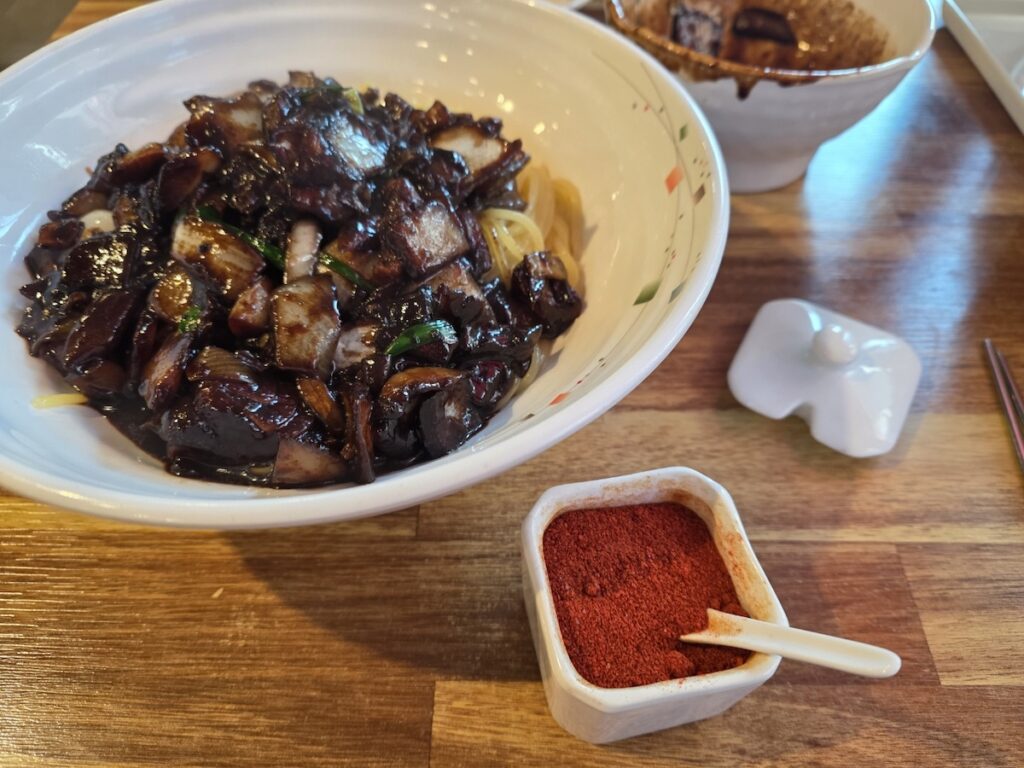
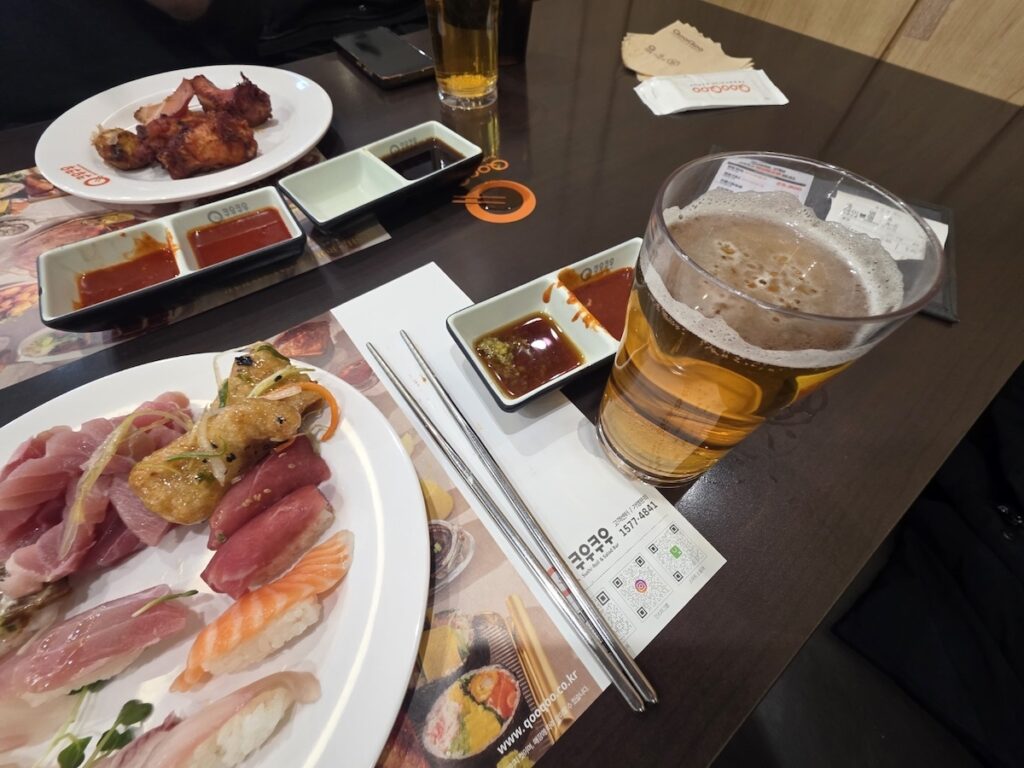
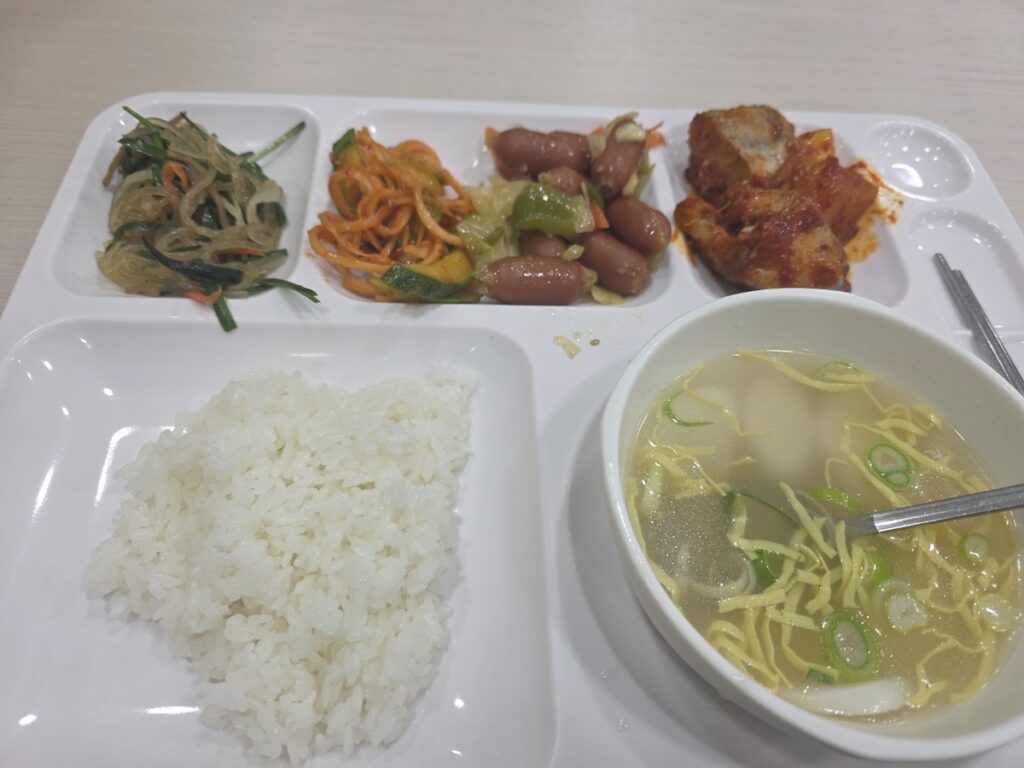
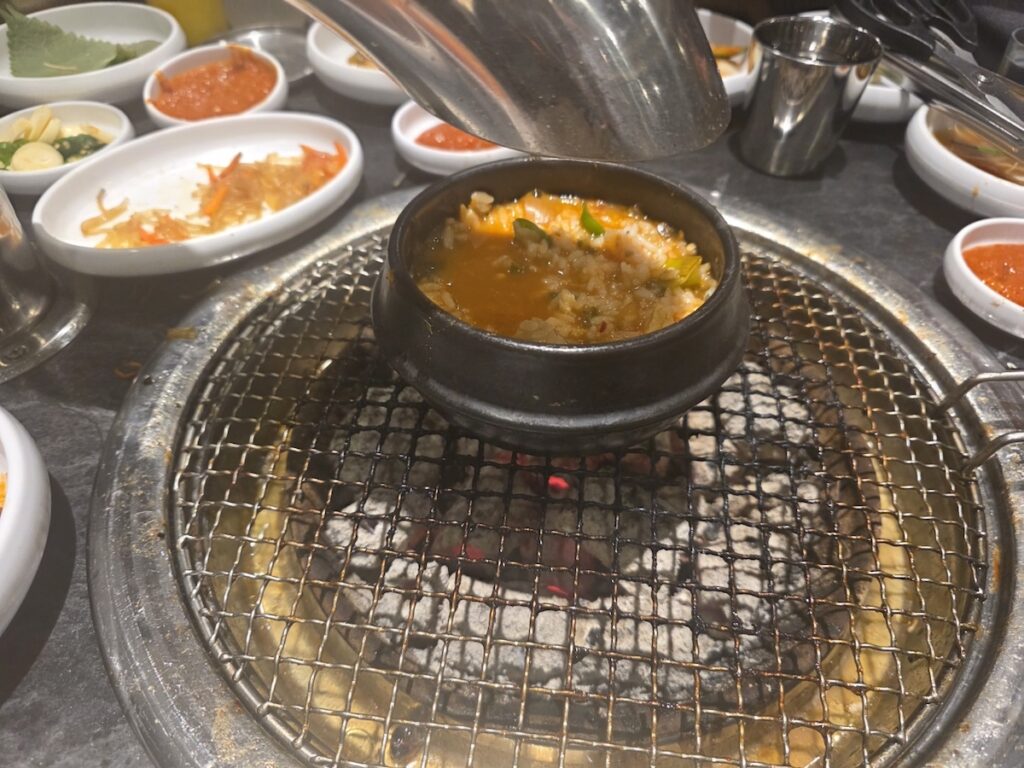
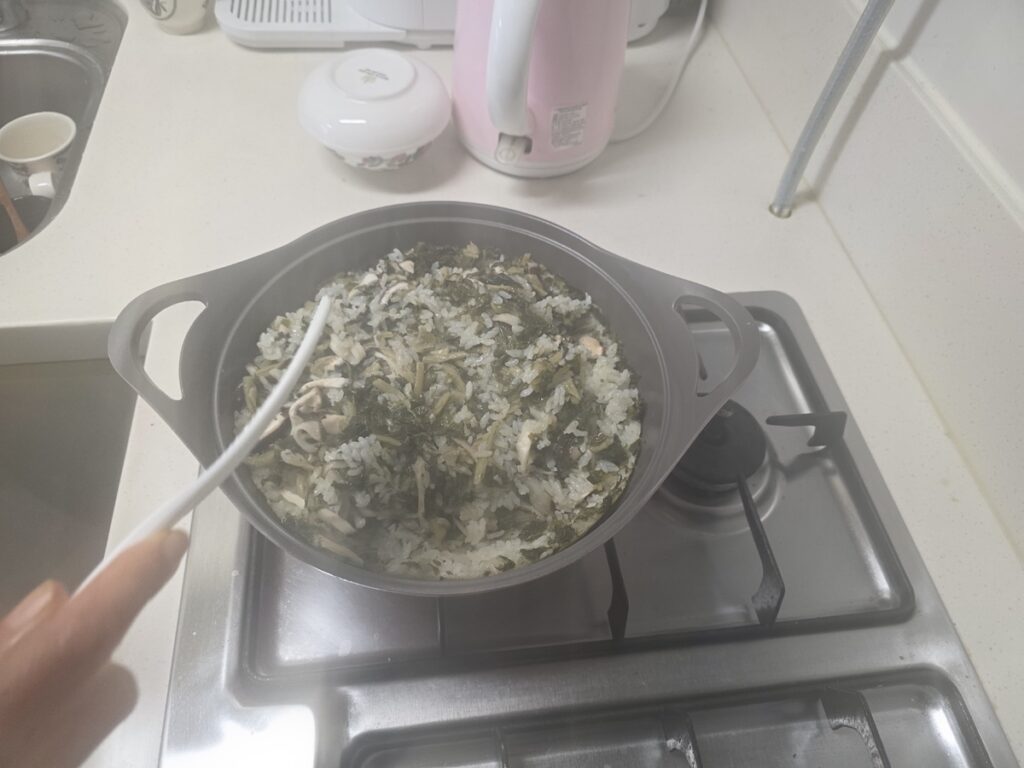
In Korea, the most common greeting isn’t “How are you?” but “Bap meogeosseoyo?” (Have you eaten rice?). This phrase is a cultural fossil, a remnant of a time when food security was the ultimate form of care. When a Korean responds, “I just had some simple Banchan (side dishes),” they are being humble. In reality, that “simple” meal is a sophisticated laboratory of nutrition.
The power of Korean Banchan Diet Rituals lies in their diversity and harmony. Unlike Western meals that often center on a single calorie-dense protein, a Korean table is a constellation of seasonal vegetables, fermented sauces, and mineral-rich sea-food. This high-volume, low-calorie approach allows you to eat until you are full while maintaining a lean physique—a secret that the world is only beginning to discover.
“When a Korean responds, ‘I just had some simple Banchan,’ they are secretly referencing a repertoire of Healthy Korean Recipes for Weight Loss. These aren’t just sides; they are carefully engineered nutrient deliveries that allow for high-volume eating without the caloric guilt.”
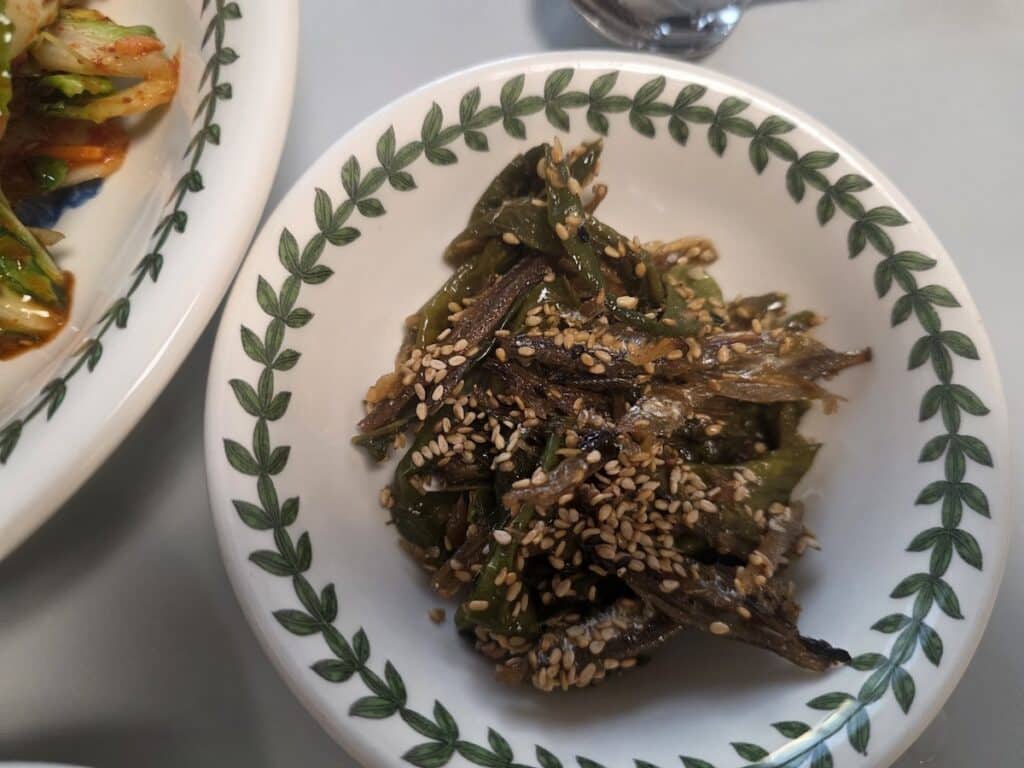
1. Simmered Chili Peppers and Anchovies: The Micronutrient Powerhouse
The first ritual on our table is Gochu-jorim (Simmered Chili Peppers with Anchovies). This dish is a masterclass in nutritional synergy. The dried chili peppers, simmered in a savory soy-based sauce, are packed with Vitamin A and C, and the capsaicin provides a natural boost to your metabolism.
But the real magic happens when they are paired with Myeolchi (dried anchovies). While the peppers provide the vitamins, the anchovies offer a concentrated dose of calcium and protein. In Korean Banchan Diet Rituals, this combination ensures that even a “simple” vegetable dish supports bone health and muscle retention, proving that “eating light” doesn’t mean sacrificing strength.
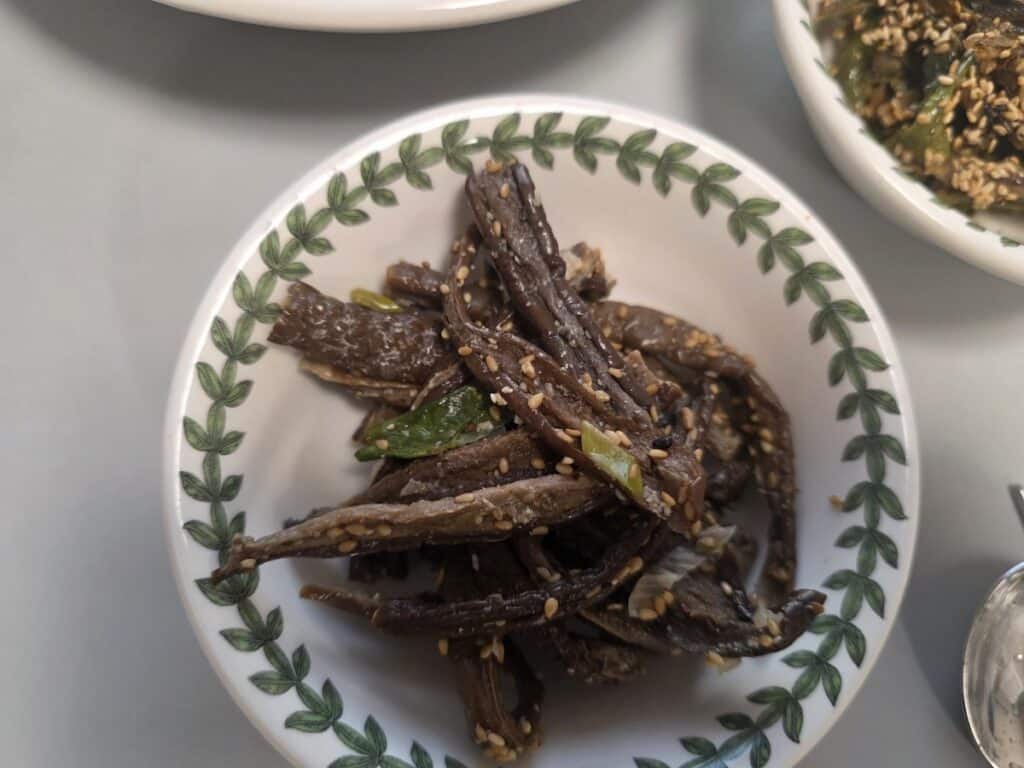
2. Dried Eggplant (Gaji-bokkeum): The Wisdom of Texture and Fiber
Koreans have long understood that flavor isn’t the only thing that satisfies hunger; texture is equally important. Gaji-bokkeum (Stir-fried Dried Eggplant) is a prime example of “Volume Eating.” By drying the eggplant before simmering it in soy sauce, the vegetable takes on a meaty, chewy texture that triggers satiety faster than raw vegetables.
Rich in anthocyanins and dietary fiber, eggplant helps regulate blood sugar and aids digestion. In the context of Korean Banchan Diet Rituals, this dish serves as a dense, satisfying “meat substitute” that is almost entirely composed of water and fiber, allowing you to consume a high volume of food with minimal caloric impact.
🔗 Related Guides (Internal Linking)
If you are inspired to integrate the power of Korean Banchan Diet Rituals into your daily life, explore our deep-dives into the foundational elements of the Korean table:
- [Health Alert 2026] Fresh Kimchi Salad (Geotjeori): The Ultimate Gut-Health Superfood
- Discover why the unfermented “Fresh Kimchi” is the ultimate metabolic booster and how to master the perfect crunch for your Korean Plant-Based Diet.
- “Gochujang, Doenjang & Ssamjang: A Beginner’s Guide to Korea’s Essential Sauces”
- The soul of every Healthy Korean Recipe for Weight Loss lies in the sauce. Learn the science behind Korea’s fermented “Jang” and how to use them to transform any vegetable into a gourmet ritual.
3. Spring Cabbage (Bom-dong Geot-jeori): The Seasonal Probiotic Freshness
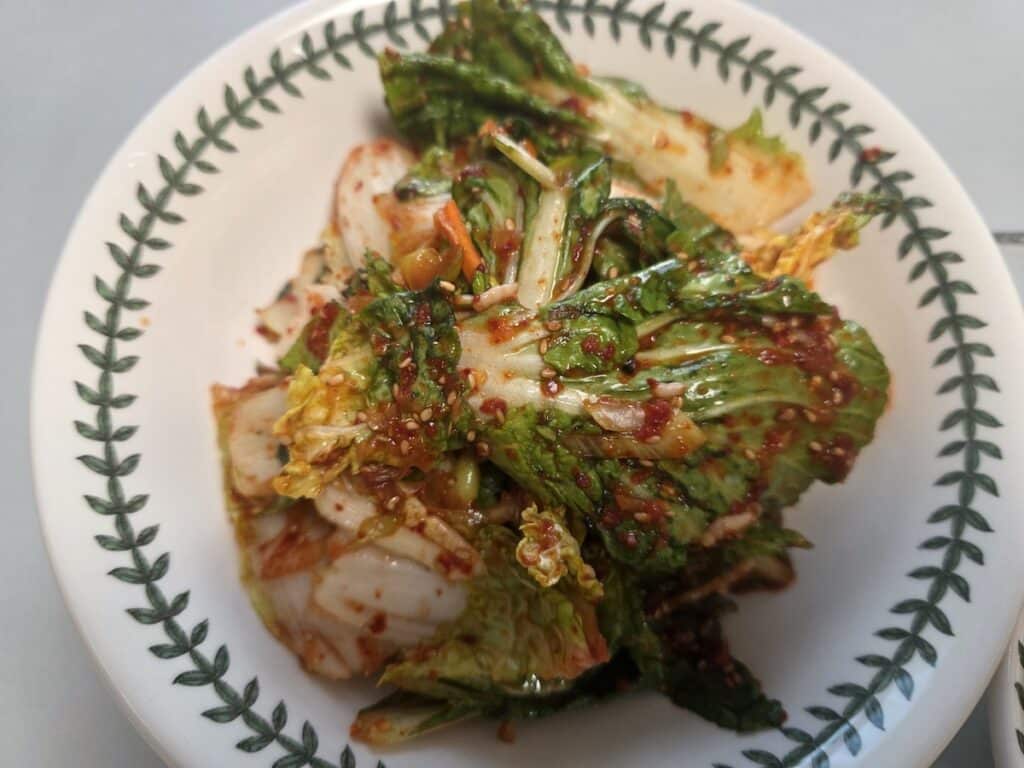
Finally, the Korean table is never static; it breathes with the seasons. Bom-dong Geot-jeori (Fresh Spring Cabbage Kimchi) is the herald of spring. Unlike aged Kimchi, this is a “fresh” salad-style Banchan, lightly tossed in fermented fish sauce and chili flakes.
This ritual provides a burst of Vitamin C and active enzymes that are often lost in cooked meals. The fermented sauce acts as a prebiotic, priming your gut for better nutrient absorption. In the Korean Banchan Diet Rituals, Bom-dong reminds us that wellness is about being in sync with nature’s clock, consuming life-force when it is at its peak.
📊 Nutritional Synergy Table
| Banchan Type | Primary Ingredients | Health Benefit | Key Nutrient |
| Gochu-jorim | Chili & Anchovies | Metabolism & Bone Health | Capsaicin + Calcium |
| Gaji-bokkeum | Dried Eggplant | Satiety & Digestion | Dietary Fiber |
| Bom-dong | Spring Cabbage | Immunity & Gut Health | Vitamin C + Enzymes |
4. The Science of Satiety: Banchan vs. One-Plate Meals
In the world of nutrition, the most critical concept for weight management is “Calorie Density.” The genius of the Korean table lies in its rejection of the calorie-dense “One-Plate” Western meal. When you replace a single, heavy dish with a constellation of Korean Banchan Diet Rituals, you are hacking your body’s satiety signals.
| Category | One-Plate Western Meal | Multi-Banchan Korean Meal |
| Composition | High-Calorie Protein + Simple Carbs | Low-Calorie Fiber + Fermented Sauces |
| Calorie Density | High (Dense calories in small volume) | Ultra-Low (High volume, low calories) |
| Blood Sugar | Sharp Spikes (Causes fatigue/hunger) | Stable (Fiber slows glucose absorption) |
| Nutrients | Limited Micro-nutrients | Diverse Phytonutrients & Enzymes |
According to research from the Cornell Chronicle, humans feel more visually and psychologically satisfied when presented with a variety of textures and colors. This “Sensory-Specific Satiety” means that in Korean Banchan Diet Rituals, you feel full faster and stay satiated longer, despite consuming significantly fewer total calories. The high water and fiber content in dishes like simmered peppers and dried eggplant physically fills the stomach without adding to your waistline.
“The multi-banchan table is the ultimate blueprint for a Korean Plant-Based Diet. By focusing on fermented vegetables and seasonal greens, you achieve a level of micronutrient density that most modern diets lack.”
🔗 Related Guides: Master the Art of Korean Living
To further refine your journey into the Korean Banchan Diet Rituals, we recommend exploring these essential guides to the soul of Seoul’s dining culture:
- 10 Authentic Korean Dining Etiquette with Scissors: Beyond the Knife
- Master the tool that defines the Korean table. Learn why the scissor is mightier than the knife in our Healthy Korean Recipes for Weight Loss.
- 7 Perilla Oil Secrets: The Omega-3 Vegan Ritual Beyond Olive Oil
- The aromatic soul of the Korean Plant-Based Diet. Discover the “Liquid Gold” that fuels Korean longevity with higher Omega-3 than any olive oil.
- 8 Vegan Banchan Secrets for a Stress-Free Korean Food Trip
- Navigating Seoul as a plant-based traveler? This guide identifies the specific side dishes that align with your Korean Banchan Diet Rituals.
- 5 Umami Secrets of Ganjang-gejang: The Ultimate Soy-Marinated Crab and Seaweed Ritual
- Experience the peak of fermentation. Understand the complex umami of soy-marination that makes the Korean meal a globally coveted ritual.
5. Global Icons on the Power of the Korean Side Dish
The wisdom of Banchan has transcended the borders of the peninsula, earning praise from the world’s most discerning wellness icons and culinary masters.
“Kimchi is not just food, it’s a way of life. The secret of Korean food is heart and soul, served on a plate.” > — Gwyneth Paltrow, Actress and Founder of GOOP
Gwyneth Paltrow famously turned to a vegetable-based Korean diet during her recovery periods, citing the anti-inflammatory power of fermented Banchan as her secret weapon for longevity and vitality.
“Korean temple food and the Banchan culture are the future of humanity. It’s a sustainable way of life that doesn’t create unhealthy cravings.” > — Eric Ripert, Michelin 3-Star Chef
Chef Eric Ripert views the ritual of seasonal side dishes as the ultimate cure for the modern world’s overeating epidemic. By focusing on the “Just some Banchan” approach, you are not just eating; you are practicing a high-level biological discipline.
🚀 Action Plan for Your First Banchan Meal
- Start with the “Side” First: When you sit down, eat 3–4 bites of vegetable Banchan before touching your rice. This fiber-first approach blunts insulin spikes.
- Focus on Fermentation: Ensure at least one dish on your plate uses a fermented base (Soy sauce, Gochujang, or Fish sauce) to aid digestion.
- Respect the Season: Visit a local Korean market (Traditional Market) and ask for what is “in season.” The most effective Korean Banchan Diet Rituals are built on what the earth provides right now.
6. Conclusion: The Quiet Power of “Just Some Banchan”
The next time you ask a Korean friend what they had for dinner and they respond with a humble, “Oh, just some rice and simple Banchan,” remember that they aren’t just eating a meal—they are practicing a centuries-old ritual of biological optimization.
Korean Banchan Diet Rituals are the antithesis of the modern, calorie-dense diet. They offer a path to satiety through volume, flavor through fermentation, and health through the seasons. By filling your plate with the crunch of Bom-dong, the chewiness of Dried Eggplant, and the metabolic kick of Simmered Peppers, you are choosing a lifestyle where eating more leads to weighing less.
In the world of Korea on My Plate, we don’t count calories; we count the colors, textures, and the stories behind our dishes. It is time to stop viewing side dishes as mere accompaniments and start seeing them for what they truly are: the secret architecture of a long, vibrant life.
So, have you eaten your Banchan today?