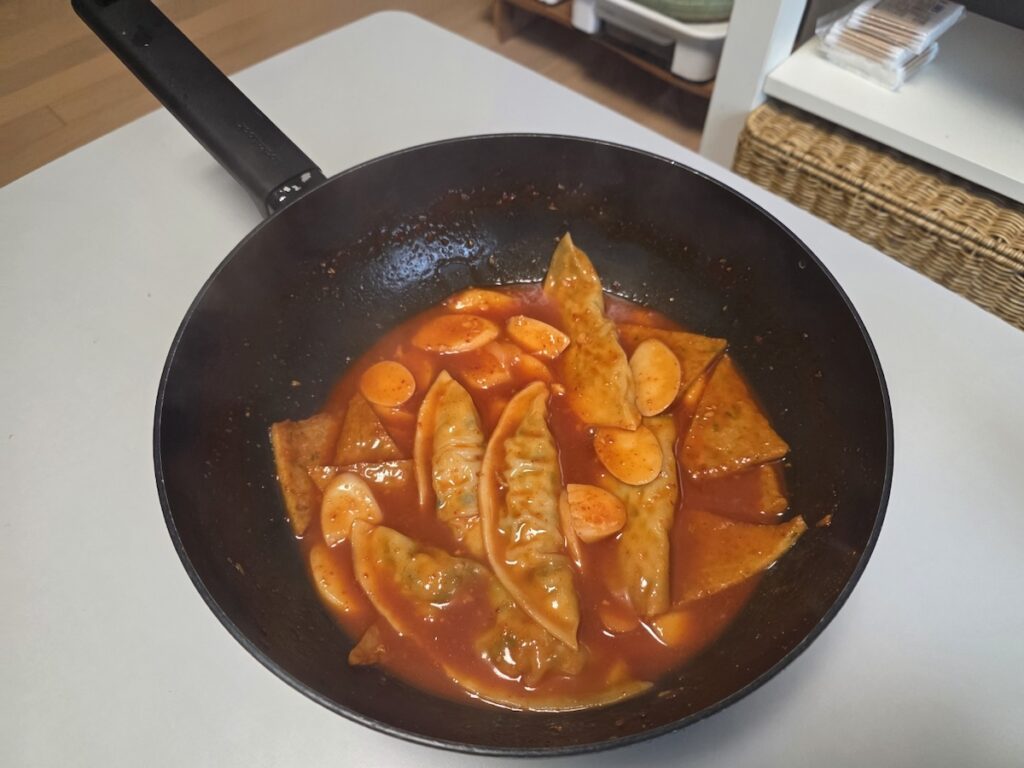
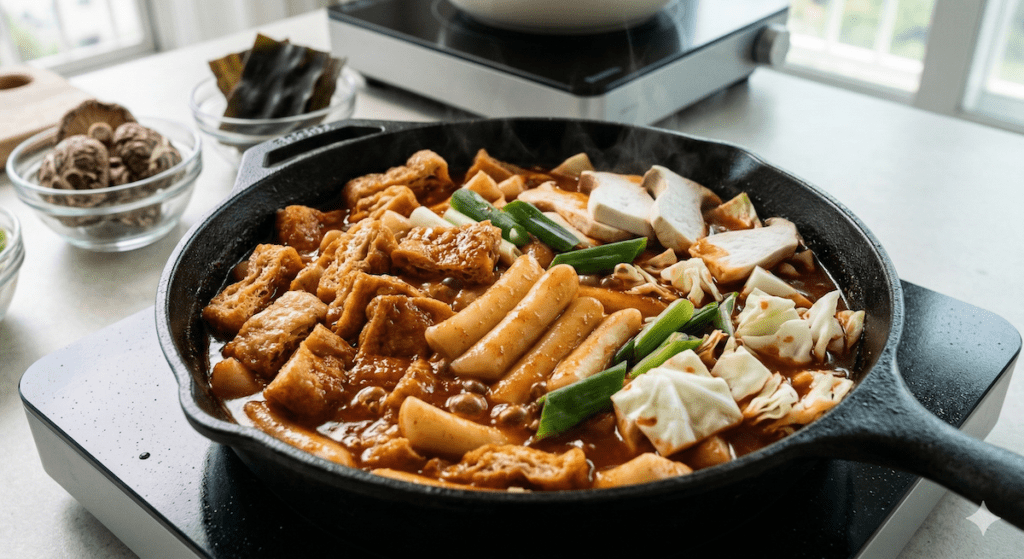
The Friday Night Deviation: A Ritual of Comfort
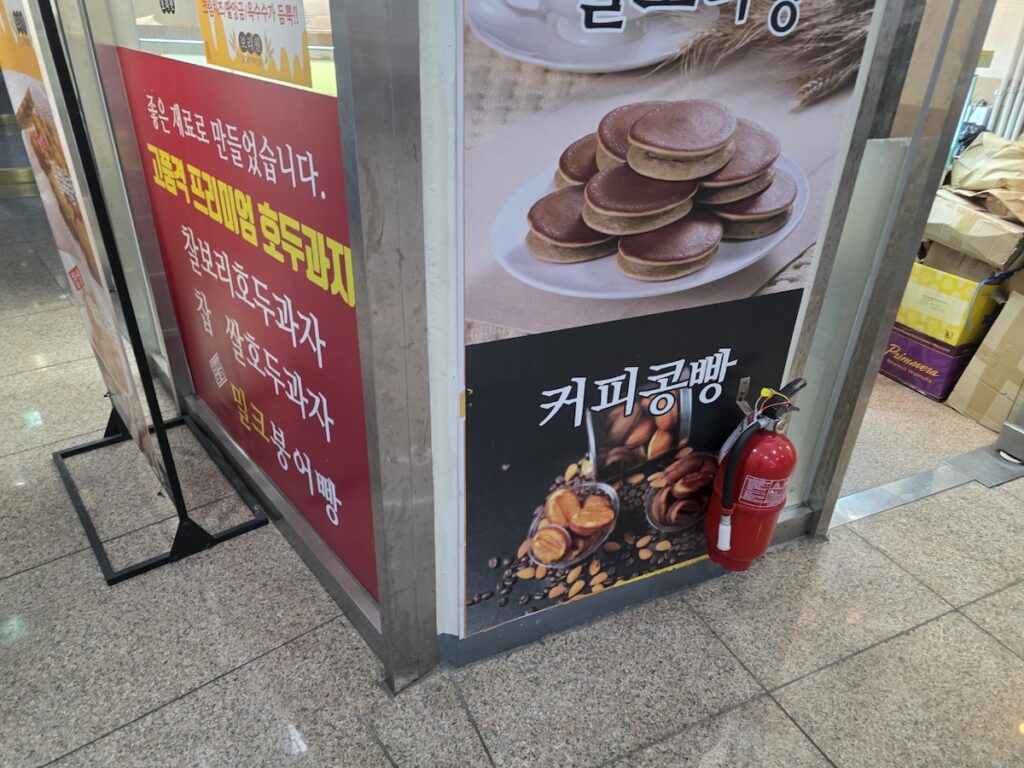
Every Friday evening, a silent rebellion occurs in the streets of Korea. After a long week of professional discipline, the “Midnight Run” begins. It is a ritual of comfort where we follow our instincts rather than our diets. The scent of charcoal-grilled Dakkochi (chicken skewers) and the sweet aroma of Bungeoppang (fish-shaped bread) act as a siren call for the tired soul.
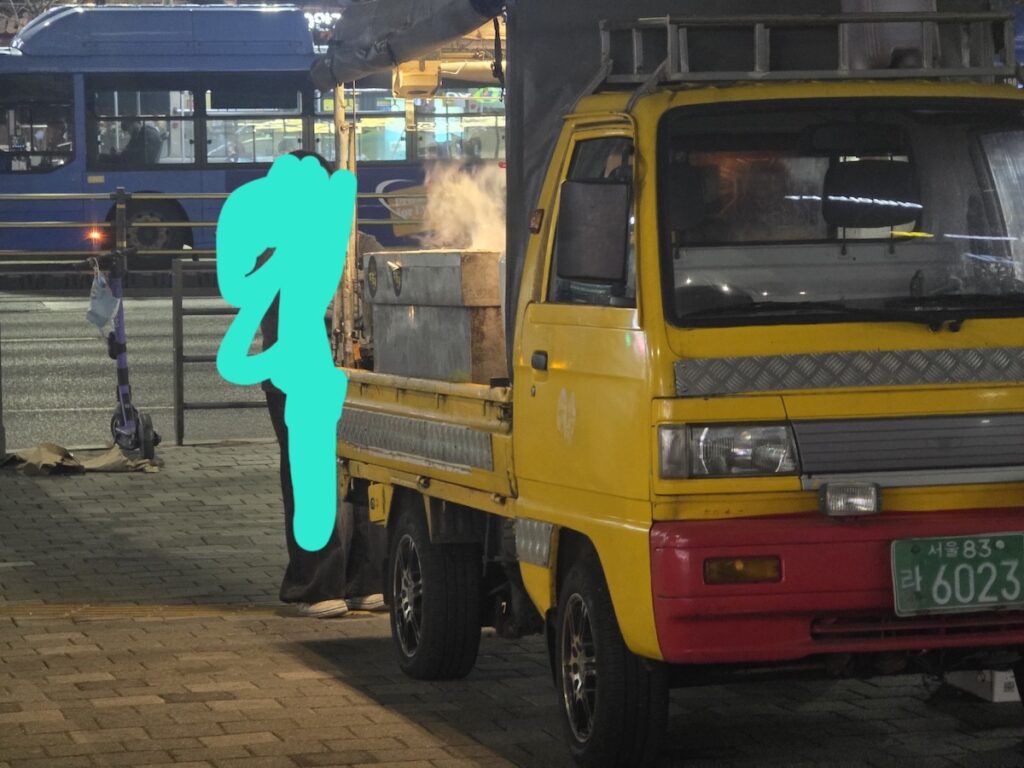
While some street stalls are permanent fixtures, the true magic lies in the wandering food trucks. You never know what will be parked in front of your apartment—will it be the spicy Soondae (blood sausage) truck or the crispy Hotteok (seed-filled pancake) stall? This unpredictability is the heartbeat of the Korea Street Food Guide 2026 experience.
From Humble Stalls to Professional Brands
In the past, street food was often viewed through the lens of nostalgia rather than hygiene. However, in Korea Travel 2026, the landscape has shifted dramatically. Today’s street food vendors are true Artisans. With the implementation of the 2026 Food Sanitation Act updates, hygiene standards are stricter than ever. Vendors now view their stalls as mobile brands, taking immense pride in their specialized recipes and professional-grade equipment. When you eat at a stall today, you aren’t just getting a snack; you are tasting a “Signature Dish” crafted with professional precision.
How to Pay Like a Local: The “Oh My Card” Moment
For the global traveler, the most stressful part of the street food ritual is the payment. While Korea is a largely cashless society, many street vendors still prefer methods that avoid high credit card transaction fees.
The Power of Kakao Pay and Bank Transfers
If you see a sign with a QR code or a bank account number (계좌번호), don’t panic. This is where the local ritual of Digital Gifting comes into play.
| Payment Method | How it Works | Why Locals Love It |
| Cash (KRW) | Traditional physical bills. | Universal, but requires carrying a wallet. |
| Direct Bank Transfer | Typing the account number into a banking app. | Direct and transparent for the vendor. |
| Kakao Pay (QR) | Scanning a code via the KakaoTalk app. | The Gold Standard. No need to type numbers; instant and seamless. |
Why Kakao Pay Wins: Unlike traditional wire transfers that require multiple steps of authentication, Kakao Pay leverages the KakaoTalk ecosystem used by over 90% of the population. It offers biometric security and an intuitive interface that bypasses the “identity hurdles” often found in Korean banking. For tourists in 2026, using Kakao Pay is the ultimate way to fulfill the Social Contract of the street food scene.
The Holy Trinity of Korea Street Food Guide 2026: Epicenters of Taste
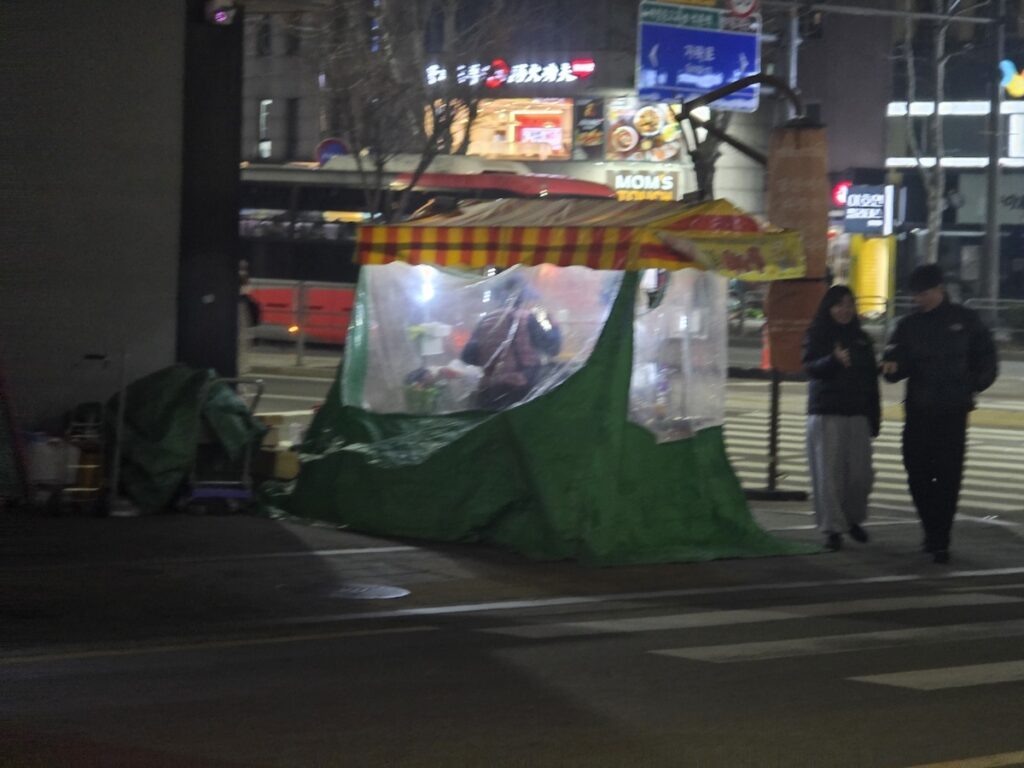
To truly master the Korea Street Food Guide 2026, one must visit the three legendary pillars of the peninsula’s night market culture. These are not merely markets; they are living stages where history, cinematic fame, and culinary innovation collide.
1. Gwangjang Market (Seoul): The Cinematic Temple of Bindaetteok
As the nation’s first permanent market with over 100 years of history, Gwangjang Market is the ultimate destination for those seeking the “Original” ritual. This location gained massive global fame after being featured on Netflix’s Street Food: Asia, where the “Knife-cut Noodle Lady” became an international icon of resilience and flavor.
- The Ritual of Bindaetteok: Watch as artisans grind mung beans on ancient stone mills right before your eyes. The rhythmic sound of the sizzle as the pancakes hit the oil is the true anthem of Seoul’s Friday night.
- The “Mayak” Gimbap Phenomenon: Named “Mayak” (meaning narcotic) because of its addictive mustard dipping sauce, these bite-sized rolls have been featured on countless K-Variety shows like SBS Running Man, challenging celebrities to stop at just one.
- Pro Tip: Look for the stalls with the most worn-out wooden stools; in Gwangjang, the age of the furniture is a direct metric of the depth of the flavor.
2. Nampo-dong & BIFF Square (Busan): The Cosmopolitan Seaside Fever
If Seoul is about tradition, Busan’s Nampo-dong is about high-energy fusion. Located near the home of the Busan International Film Festival (BIFF), this area transforms the street food ritual into a red-carpet event.
- The Ssiat Hotteok Ritual: Unlike the Seoul version, Busan’s Hotteok is sliced open after frying and stuffed with a handful of sunflower seeds and nuts. It became a national sensation after Lee Seung-gi was seen devouring one on the legendary show “1 Night 2 Days” (1박 2일), leading to lines that wrap around the block even in 2026.
- Bibim Dangmen (Spicy Glass Noodles): A dish born from the resilience of the Korean War era, now a trendy “must-eat” featured on tvN’s Street Food Fighter with chef Baek Jong-won. Sitting on a tiny plastic stool in a narrow alleyway while eating these noodles is the peak of the Nampo-dong ritual.
- Atmosphere: The salt-tinged air from the nearby Jagalchi Fish Market adds a unique oceanic seasoning to every bite you take here.
3. Seomun Market (Daegu): The Night Market of Future Traditions
Seomun Market is a behemoth that bridges the gap between the Joseon Dynasty and the digital age. Its “Night Market” section is a neon-lit wonderland that has become a viral sensation on TikTok and Instagram Reels for its visually stunning food truck innovations.
- Gopchang & Makchang Rituals: Daegu is the undisputed capital of grilled entrails. The Seomun Night Market has reinvented this traditional Daegu staple into easy-to-eat street cups, a favorite of K-Pop idols visiting for the Daegu Chimac Festival.
- Media Fame: Known as a frequent stop for political figures and celebrities alike, its vibrant atmosphere was captured beautifully in the drama “What’s Wrong with Secretary Kim”, making it a pilgrimage site for K-Drama fans worldwide.
- Innovation Hub: In 2026, this market leads the way in Kakao Pay adoption, with every single food truck featuring a personalized QR code, making it the most foreigner-friendly “Local” experience in the country.
🗺️ Korea Street Food Guide 2026: The Master Curation
| Market | Best For | Media Reference | Signature Ritual |
| Gwangjang | Authentic Tradition | Netflix Street Food: Asia | Grinding mung beans on stone mills |
| Nampo-dong | Seaside Fusion | 1 Night 2 Days (Lee Seung-gi) | The “Seed-Stuffing” of Hotteok |
| Seomun | Night Market Vibes | What’s Wrong with Secretary Kim | Neon-lit “Cup-Gopchang” & QR Payments |
The Tourist Protection Ritual: Knowing Your Rights in 2026
While the Korea Street Food Guide 2026 aims for a perfect experience, occasionally you may encounter issues such as extreme overpricing (known locally as B 바가지), hygiene concerns, or unprofessional behavior. Knowing who to contact is the final step in mastering the local ritual.
1. For Immediate Safety or Conflict: Call 112 (The Police)
If you find yourself in a heated confrontation or feel your physical safety is threatened, do not hesitate to call 112.
- English Support: The Korean police provide a 24/7 interpretation service. Just say “English, please” when the call is connected.
- When to Call: Theft, physical threats, or severe public disturbance.
2. For Unfair Pricing and Hygiene: Call 1330 (Korea Travel Hotline)
This is the most effective tool for any traveler. Operated by the Korea Tourism Organization (KTO), this hotline acts as your professional advocate.
- The “One-Stop” Service: They handle complaints regarding overcharging at street stalls and can bridge the communication gap between you and the local municipal office (Gu-cheong).
- Multi-language Support: Available in English, Japanese, Chinese, and more via phone or the 1330 Visit Korea app.
3. Reporting to Local Authorities (The District Office)
Each street food hub is managed by a specific District Office (Gu-cheong). In 2026, many districts like Jongno-gu (Gwangjang Market) have established a “Street Food Fair Trade” task force.
- The “Dasan Call Center” (120): If you are within Seoul, dialing 120 allows you to report administrative issues like illegal waste disposal or lack of displayed prices.
- The Media Effect: Since the 2024 “Overpricing Scandal” at certain markets went viral, local authorities have become extremely sensitive to tourist complaints to protect the Korea Street Food Guide 2026 brand.
🛡️ Emergency & Complaint Directory 2026
| Issue Type | Who to Contact | Number / App |
| Safety & Crime | Korean National Police | 112 |
| Travel Complaints | Korea Travel Hotline | 1330 |
| General Seoul Issues | Dasan Call Center | 120 |
| Medical Emergency | Emergency Services | 119 |
Related Guides
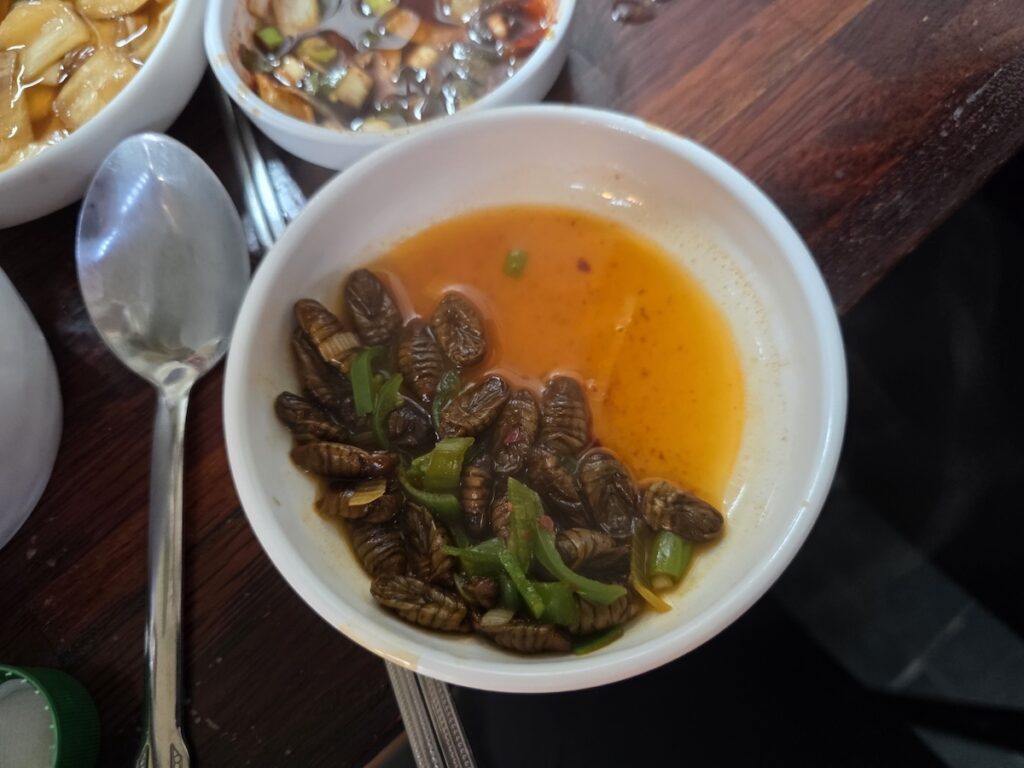
- The Bravery Test: Why Korean Street Food Beondegi is a Must-Try Success Ritual – Challenge your limits with the ultimate high-protein Korea Street Food Guide 2026 experience. Discover why this seasoned silkworm pupae snack is considered a “Success Ritual” for brave travelers seeking the most authentic and exotic flavors of the peninsula.
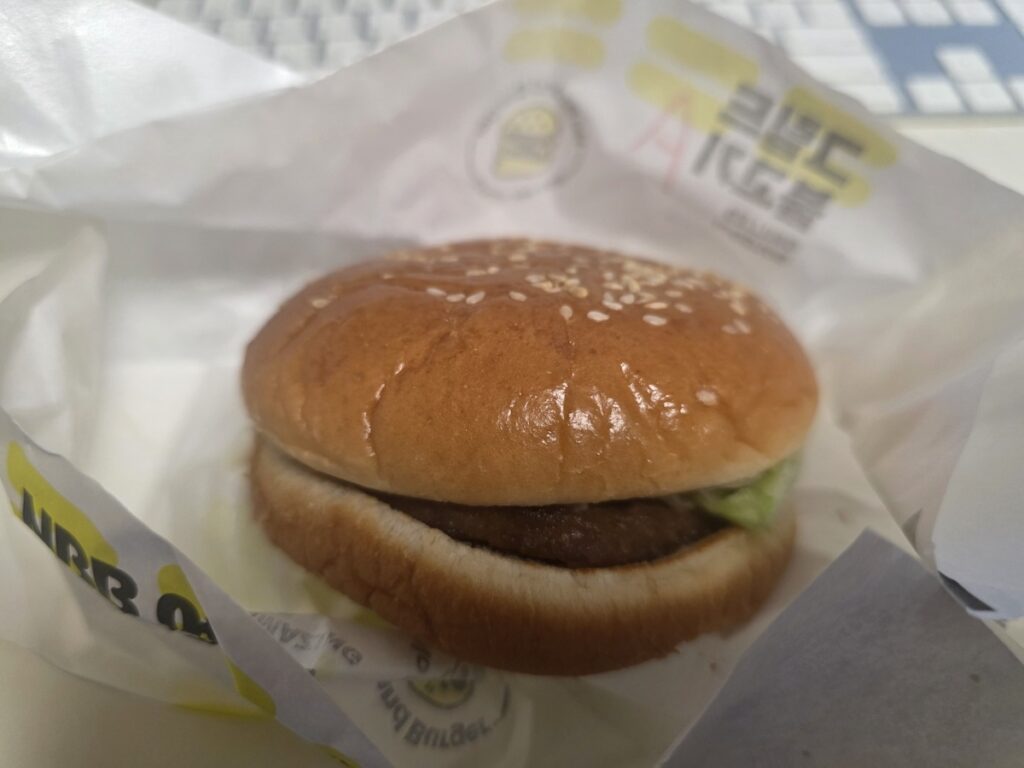
- 10 Trendy NBB Burger Rituals in Seoul 2026: Why Burgers Are Korea’s New Street Food – Explore the evolution of quick-service dining where Korea Travel 2026 meets global fusion. Learn how the No Brand Burger (NBB) phenomenon has redefined the local ritual of affordable, professional-grade street eats for the modern generation.
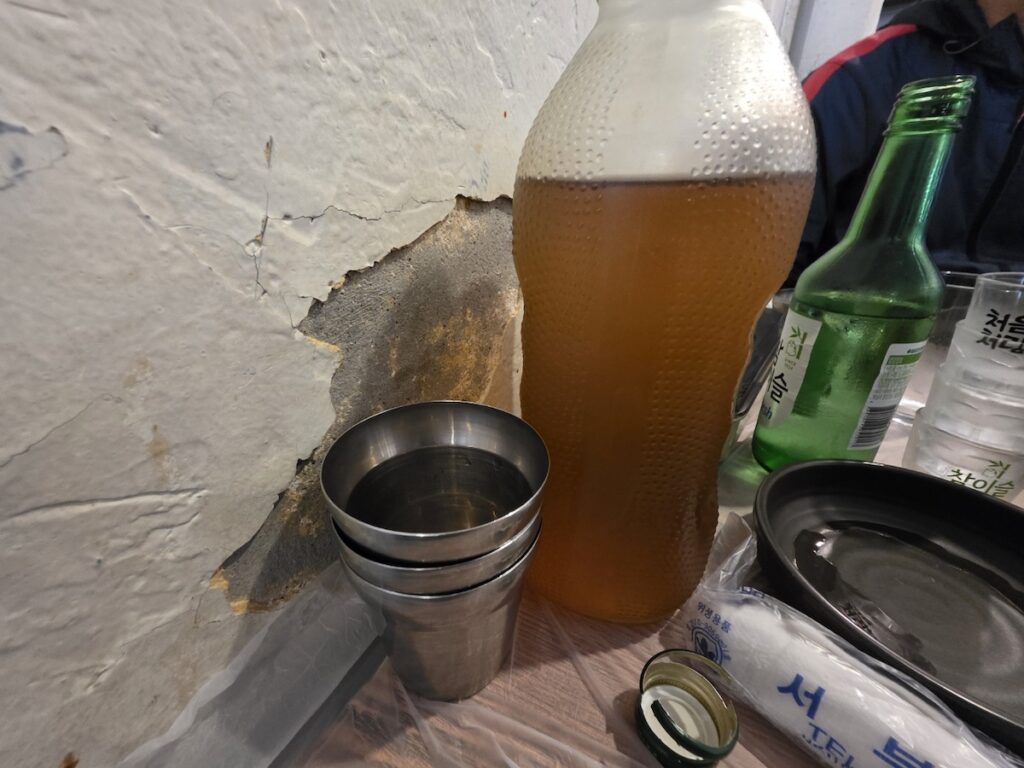
- 3 Reasons Why Korean Barley Tea Culture 2026 Reclaims the Iconic Del Monte Glass Bottle – A nostalgic journey into the soulful Scent of Romance found in a simple glass of Bori-cha. Understand why the vintage ritual of the heavy Del Monte bottle is making a massive comeback as a centerpiece of domestic hospitality and sustainable tradition.
Conclusion: Mastering the Secret Ritual of the Korean Street
The Korea Street Food Guide 2026 is more than just a list of snacks; it is an invitation to participate in the most authentic social contract of modern Korea. Whether you are finding solace in a steaming bowl of Gwangjang noodles or navigating the neon-lit food trucks of Seomun, you are engaging in a tradition that has evolved from humble survival into a professional art form.
By mastering the “Local Rituals”—from the seamless tap of a Kakao Pay QR code to knowing your rights as a traveler—you transform from a mere observer into a participant in the Friday night rebellion. This is where the real soul of the city reveals itself: not in the sterile halls of a shopping mall, but in the woodsmoke of an alleyway and the shared warmth of a plastic stool.
As you plan your Korea Travel 2026 itinerary, remember that the most memorable meal won’t always be the one you booked months in advance. It will be the one you discovered by instinct on a chilly Friday night, fueled by hunger, curiosity, and the professional pride of a local artisan.