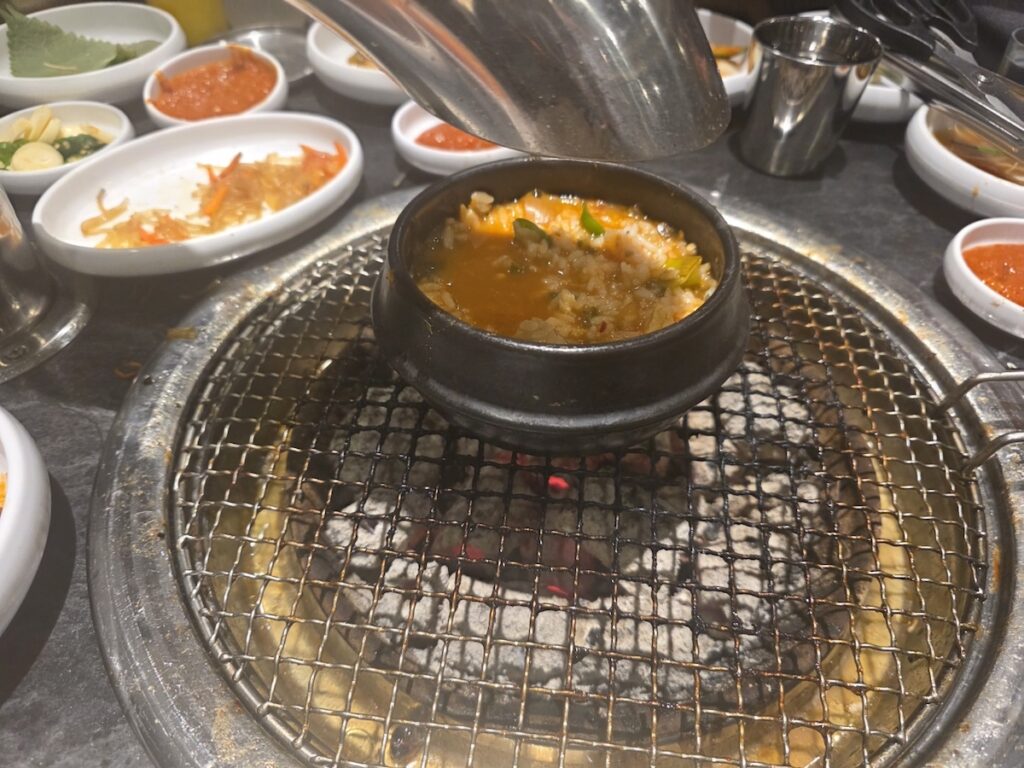
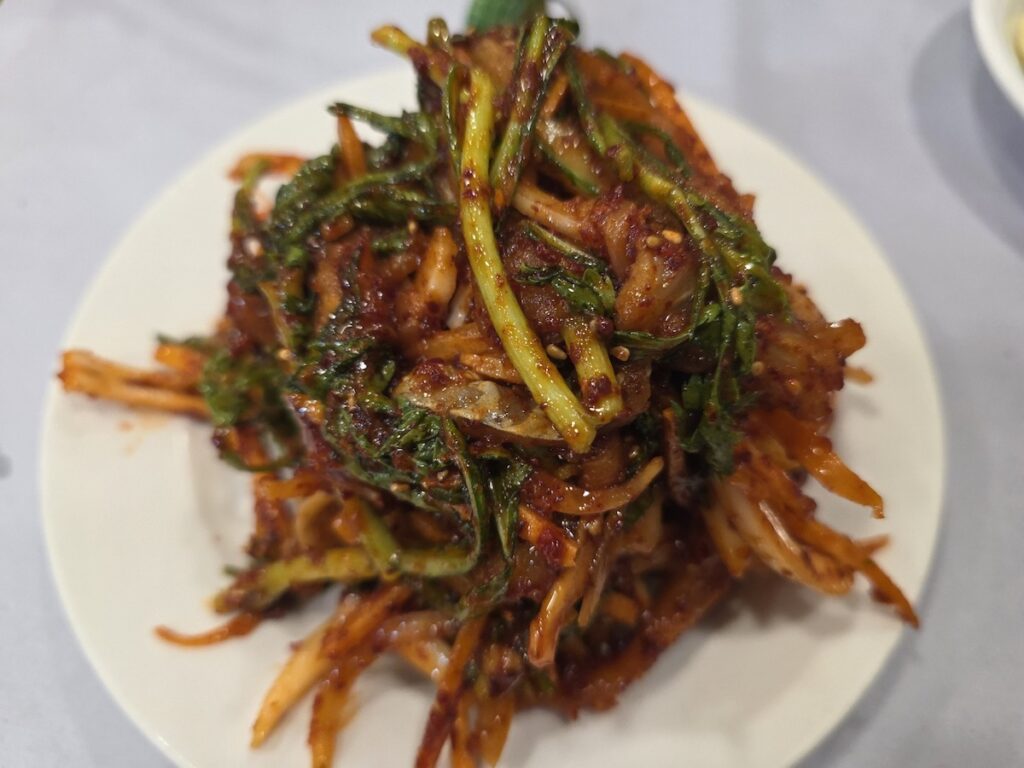
While white rice is the canvas of the Korean table, Siraegi-bap (Dried Radish Green Rice) is its most soulful masterpiece. If you are seeking a Healthy Vegan Korean Siraegi-bap Experience, you are looking for more than just sustenance; you are embracing a centuries-old tradition of “Sik-chi” (healing through food). For those with sensitive digestion or seniors seeking a gentle yet nutrient-dense meal, Siraegi-bap offers a sanctuary of health in every spoonful.
01. What is Siraegi? The Art of Patience and Global Recognition
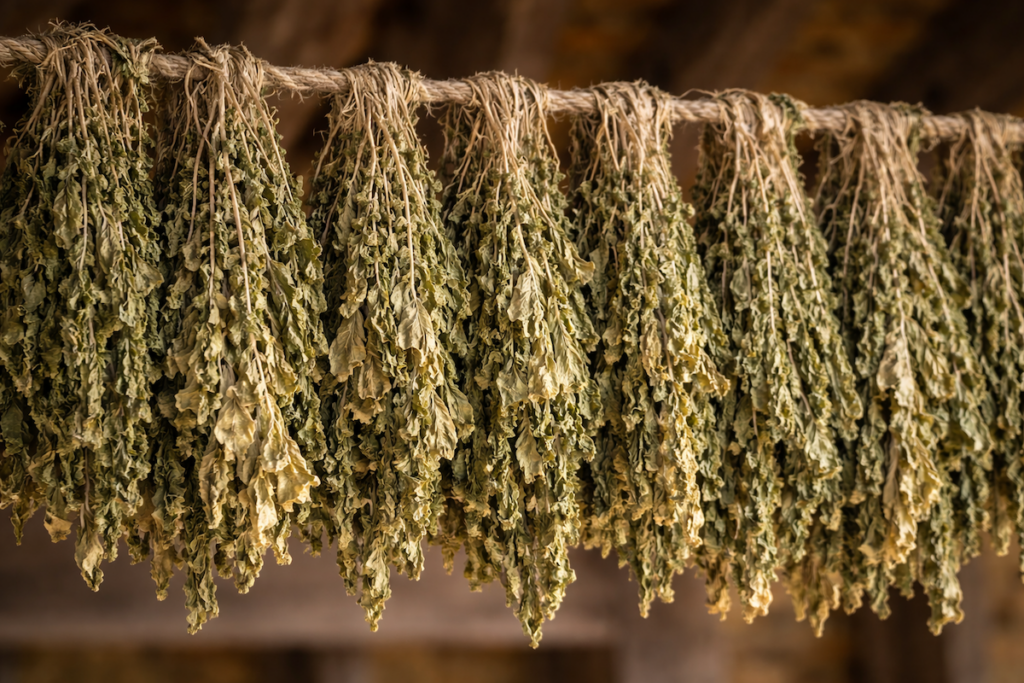
Siraegi is not merely a vegetable; it is the result of a slow, natural transformation that has captured the attention of world-class documentaries. In the KBS documentary “Gong-gam,” Siraegi is portrayed as a symbol of resilience, likening the drying process to the strength of people who have endured life’s harshest winters. It represents the ultimate Korean philosophy of “patience” and “zero waste.”
- Global Media Spotlight: The BBC Global has featured Korean monastic food rituals, highlighting the spiritual and nutritional depth of plant-based ingredients like Siraegi. Furthermore, international food documentaries like “The Taste of Korea” introduce Siraegi as a “miracle health food,” explaining the science behind its traditional preparation and its contribution to longevity.
- The Drying Ritual: Siraegi consists of the outer leaves and greens of the Korean radish, carefully braided and hung to dry in the freezing winter wind. As emphasized in KBS’s “Anything is Possible” (무엇이든 물어보세요), this three-month drying process concentrates essential vitamins, minerals, and antioxidants, transforming humble greens into a “winter tonic”.
- A Sustainable Vegan Choice: For the global Vegan community, Siraegi is a masterclass in sustainability. It utilizes parts of the plant often discarded, turning them into a nutrient-dense delicacy through the power of nature alone.
02. The Pinnacle of Luxury: Siraegi-bap in Seoul’s 5-Star Hotels
For those seeking the most refined version of this humble dish, Seoul’s ultra-luxury hotels offer a Healthy Vegan Korean Siraegi-bap Experience that blends traditional wisdom with modern elegance. While menus shift with the seasons, these three establishments are renowned for their sophisticated approach to Korean “Jjin-ji” (monastic or royal rice meals).
1. Mugunghwa at Lotte Hotel Seoul (무궁화)
- The Concept: As the oldest and most prestigious hotel Korean restaurant in Seoul, Mugunghwa specializes in modernizing royal court cuisine.
- The Siraegi Ritual: Mugunghwa offers a dedicated Vegetarian (Vegan) Course. During the winter and early spring seasons, they often feature Siraegi Sot-bap (pot rice) as part of their final meal service.
- The Detail: Their Siraegi is sourced from the finest mountain regions, ensuring a texture that is exceptionally tender and a fragrance that evokes the crisp winter air of the Korean countryside.
2. La Yeon at The Shilla Seoul (라연)
- The Concept: A consistent star in the Michelin Guide, La Yeon is the epitome of sophisticated Korean fine dining.
- The Siraegi Ritual: Within their “Jjin-ji” selection, you can often find seasonal pot rice featuring dried greens. When Siraegi is on the menu, it is served with a house-made, aged soy sauce that highlights the deep umami of the fermented greens.
- The Detail: The Shilla is famous for its strict ingredient sourcing, meaning the Siraegi used here is the highest grade available, perfect for those with sensitive digestion or seniors seeking a nutrient-dense meal.
3. The Terrace at Grand Hyatt Seoul (테라스)
- The Concept: A premium buffet restaurant known for its stunning views of the Han River and Namsan Mountain.
- The Siraegi Ritual: The Terrace maintains a highly sophisticated Korean section where Siraegi-nambul-bap and Siraegi Doenjang-guk (soybean paste soup) are frequently showcased.
- The Detail: This is an excellent choice for a more casual yet luxurious experience, allowing you to pair your Siraegi-bap with a wide variety of healthy, plant-based side dishes in one sitting.
Expert Tip: Since 5-star hotel menus are highly seasonal, it is crucial to inquire during your reservation if the Healthy Vegan Korean Siraegi-bap Experience is currently available. These establishments are exceptional at accommodating Vegan requests, often tailoring the seasoning and rice water to be strictly plant-based upon request.
Action Plan for a Luxury Meal
- Confirm the Season: Call the restaurant ahead of time to confirm that Siraegi-bap is featured in their current course or “Jjin-ji” selection.
- Request a Vegan Version: Even if not explicitly on the menu, ask the chef to prepare a Healthy Vegan Korean Siraegi-bap Experience by substituting animal-based dashi with kelp or shiitake water.
- Savor the Soy Sauce: Pay close attention to the “Yangnyeom-jang” (seasoned soy sauce) at these hotels—they often use sauces fermented for years, which provides a depth of flavor you won’t find anywhere else.
03. The Digestive Miracle: Nature’s Broom
If you often feel bloated or suffer from poor digestion, Siraegi is your “Nature’s Broom.” The drying process creates a wealth of dietary fiber that gently cleanses the digestive tract. Unlike refined grains, Siraegi-bap has a low glycemic index, making it an ideal choice for seniors or anyone managing blood sugar. It is a meal that leaves you feeling light yet profoundly satisfied, proving that comfort food can also be deeply restorative.
04. A Nutritional Powerhouse for Longevity
Why do we recommend this for the elderly? Siraegi is exceptionally rich in calcium and iron—vital for bone health and preventing anemia in later years. It is also packed with Vitamin C and beta-carotene, which strengthen the immune system. This Healthy Vegan Korean Siraegi-bap Experience is a testament to the Korean belief that the best medicine is found in the soil, not in a pill.
05. The Ritual of “Yangnyeom-jang”: The Soy Sauce Soul
The magic of Siraegi-bap is unlocked through its companion: the Yangnyeom-jang (Seasoned Soy Sauce). A blend of artisanal soy sauce, toasted sesame oil, minced garlic, and green onions, this sauce is drizzled over the warm, steaming rice. As you mix it, the savory “Umami” of the fermented soy penetrates the earthy greens, creating a complex flavor profile that requires no meat or dairy to feel complete. It is the ultimate Vegan alchemy.
06. The Sensation of Texture: Softness Meets Earthiness
In a world of “fast” and “processed” foods, Siraegi-bap asks you to slow down. The texture is soft and yielding, making it incredibly easy to chew and swallow—a crucial feature for those with delicate teeth or weakened digestion. Every bite carries the faint scent of the autumn harvest and the crisp winter air, connecting your palate directly to the Korean landscape.
Comparison: White Rice vs. Siraegi-bap for Health
| Feature | Polished White Rice | Siraegi-bap (Dried Greens Rice) |
| Fiber Content | Low (Mostly Starch) | Very High (Digestive Aid) |
| Glycemic Index | High (Quick sugar spike) | Low (Sustained energy) |
| Minerals | Minimal | Rich in Calcium & Iron |
| Digestibility | Fast but lacks nutrients | Excellent for Gut Health |
| Target Audience | General | Seniors, Vegans, Sensitive Stomachs |
Related Guides
- 6 Transformative Secrets of an Authentic Vegan Korean Temple Food Experience
- 5 Umami Secrets of Ganjang-gejang: The Ultimate Soy-Marinated Crab and Seaweed Ritual
- The Cinematic Ritual of Crispy Resilience: 10 Unique Secrets of Korean Grilled Pork Rind
Action Plan
- Fine Dining Reservation: Book a table at Mugunghwa or La Yeon to experience the most sophisticated version of Siraegi-bap available in Seoul.
- The Mixing Rule: Always add your seasoned soy sauce one spoonful at a time to preserve the delicate, earthy aroma of the dried greens.
- Wellness Integration: If you are feeling fatigued or suffer from indigestion, prioritize a Siraegi-based meal to reset your body’s internal balance.