Best Korean Foods for Weight Loss is a topic often shrouded in exoticism, yet the reality is grounded in a rigorous, almost unconscious scientific balance. It is Sunday afternoon. I recently purchased 600g of pork shoulder (Moksal) for 16,000 KRW. Naturally, without a second thought, I spent an additional 5,000 KRW on a bouquet of red leaf lettuce, perilla leaves, and green chili peppers.
To a casual observer, this is a simple grocery run. To a Korean, this is a “Nutritional Insurance Policy.” Had I walked to the counter with only the meat, I would have felt a profound sense of psychological and physiological guilt. This “Guilt-Driven Vegetable Ritual” is not an emotional quirk; it is a sophisticated metabolic strategy evolved over centuries to mitigate the inflammatory and caloric impact of animal fats.
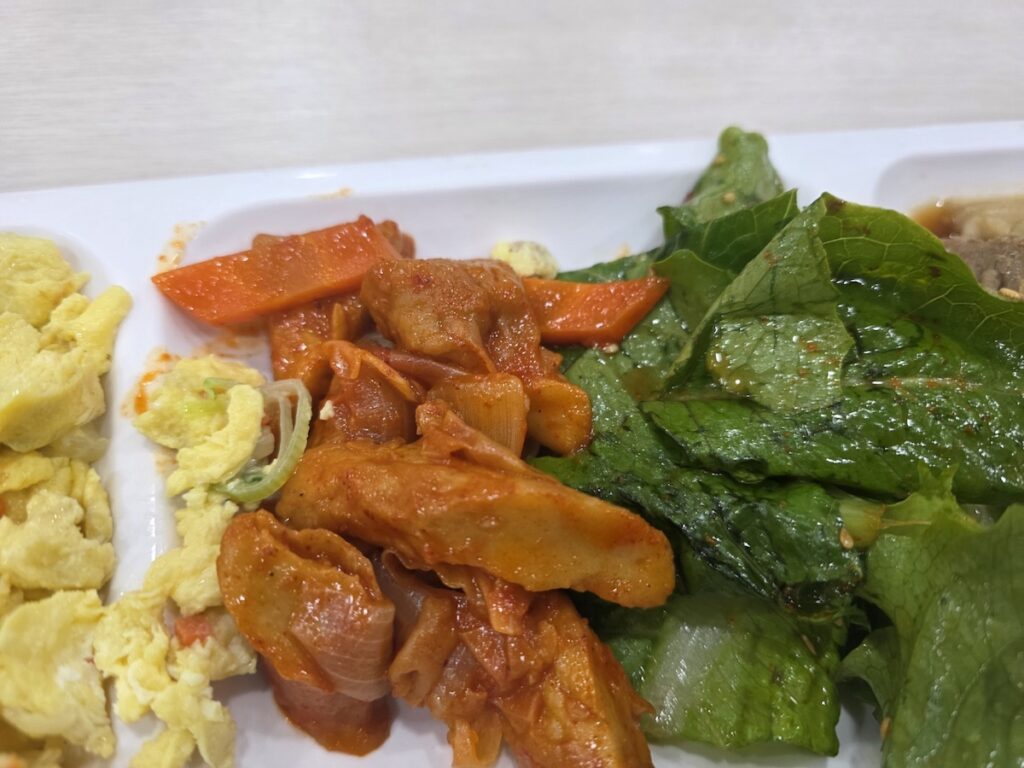
1. The 5,000 Won Insurance: The Science of Caloric Dilution
The cornerstone of the Best Korean Foods for Weight Loss is the ritual of Ssam (wrapping). Scientifically, this is known as Caloric Dilution. By wrapping a single piece of high-protein pork in multiple layers of fibrous greens, you are fundamentally altering the energy density of the meal.
- Satiety Signaling: The high fiber content in lettuce and perilla leaves triggers stretch receptors in the stomach long before the high-calorie meat can induce overconsumption.
- The Guilt Mechanism: In Korean culture, eating meat “naked” (without greens) is viewed as a metabolic error. This cultural pressure ensures that for every 100g of animal protein, the body receives a massive dose of chlorophyll, micronutrients, and insoluble fiber, which slows down lipid absorption.
External Resources: Deep Dive into Korean Wellness
To further master your journey through the Best Korean Foods for Weight Loss, explore these authoritative 2026 guides that connect traditional rituals with modern health science.
- [Health Alert 2026] Fresh Kimchi Salad (Geotjeori): The Ultimate Gut-Health Superfood Understand the enzymatic power of unfermented “Geotjeori” and why it ranks as a primary ritual in the Best Korean Foods for Weight Loss for immediate probiotic benefits.
- Korean Ssam Culture: Master the Art of Healthy Wraps with Dakgalbi & Jeyuk-bokkeum (2026 Guide) A deep dive into the “Guilt-Driven Vegetable Ritual.” Learn how to leverage the fiber in Ssam to neutralize the caloric density of spicy marinated meats.
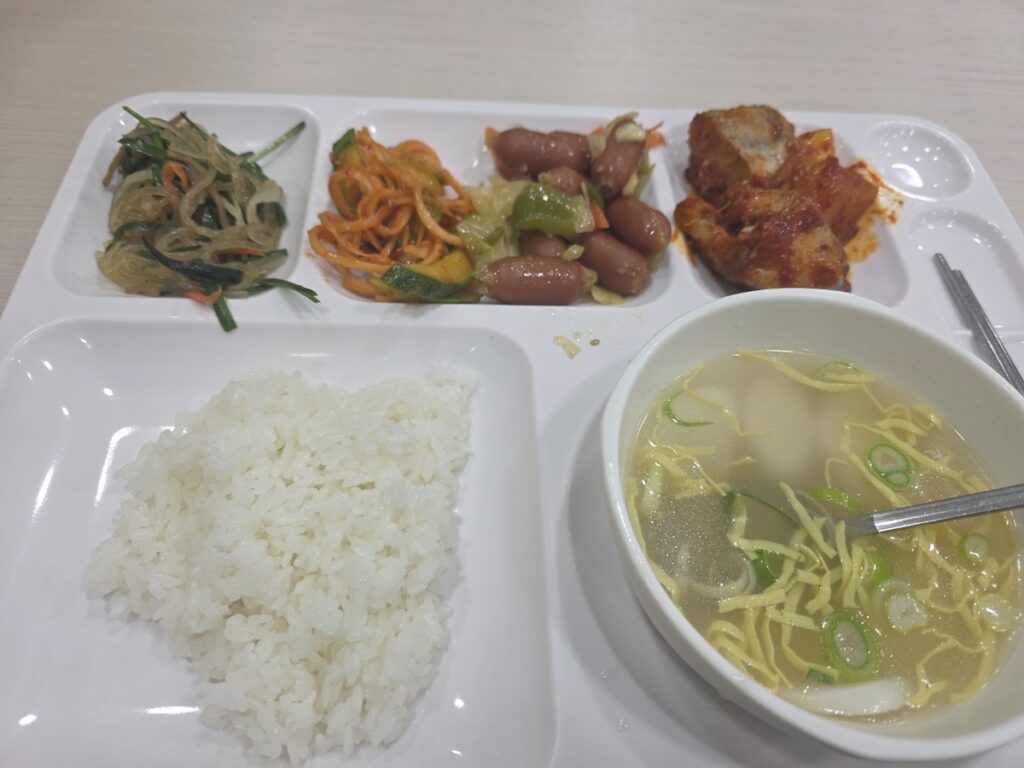
- Korean Company Cafeteria Culture: A $5 Healthy Feast (2026) Discover the real-world application of the Best Korean Foods for Weight Loss in the daily lives of Seoul’s workforce, where balanced meal trays provide high-density nutrition at an affordable price.
- The Ultimate Guide to Korean Marinated Pork Ribs BBQ: A 2026 Survival Guide for Foodies Master the “Survival Ritual” of enjoying Korea’s most famous BBQ without compromising your metabolic health by focusing on the hidden vegetable-to-meat ratios.
2. The Fermentation Lab: Yeolmu-Kimchi and Metabolic Rate
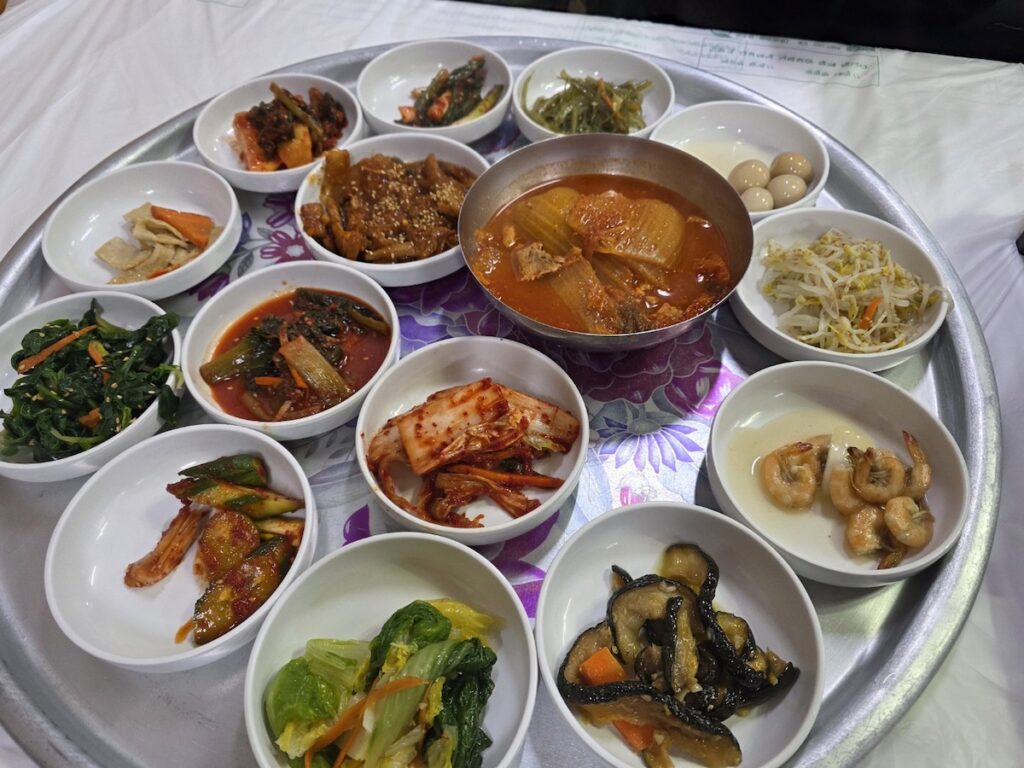
As I write this, my mother is in the kitchen preparing Yeolmu-Kimchi (Young Summer Radish Kimchi). In 2026, we view this not just as a seasonal side dish, but as a biological catalyst. The refrigerator of a Korean household is essentially a library of fermented greens—Jangajji (pickled vegetables) and various Kimchi—designed for longevity and gut health.
| Component | Role in Weight Loss | Scientific Mechanism |
| Yeolmu (Young Radish) | Low-Calorie Volume | Extremely high water content with minimal starch. |
| Lactobacillus | Gut Microbiome Health | Fermentation produces probiotics that regulate insulin sensitivity. |
| Capsaicin (Chili) | Thermogenesis | Boosts metabolic rate and fat oxidation during digestion. |
| Fiber (Cellulose) | Glucose Stabilization | Prevents rapid spikes in blood sugar following a meal. |
The act of preparing these greens in bulk during their peak season ensures that the Korean table always has a “Fiber-First” option, making it one of the most vegan-friendly and diet-efficient cuisines in the industrialized world.
3. The Glycemic Revolution: From Wealth to Wellness
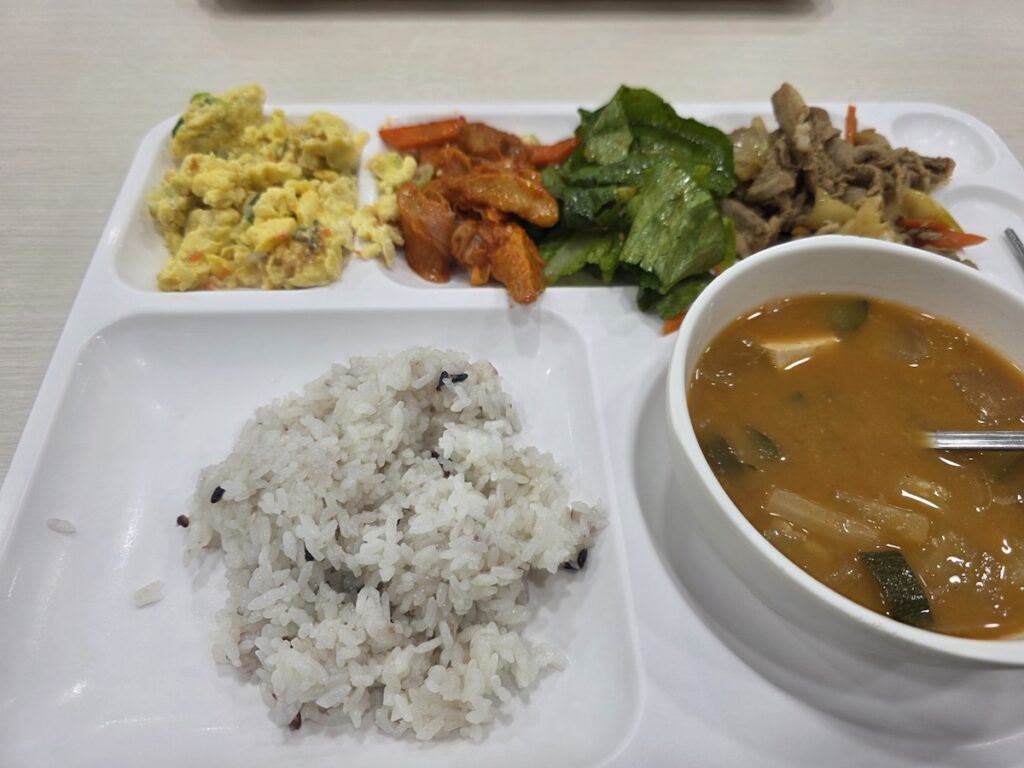
Historically, pure white rice (Baekmi) was the ultimate status symbol—a sign of wealth and stability. However, in the modern Best Korean Foods for Weight Loss ritual, white rice has been replaced by Japgok-bap (Multigrain Rice).
We have moved from a culture of “Abundance” to a culture of “Metabolic Precision.” By mixing white rice with barley, black beans, millet, and brown rice, we create a complex carbohydrate matrix. This lowers the Glycemic Index (GI) of the staple food, ensuring that the glucose release is a slow burn rather than a sharp spike. This prevents the insulin surge that signals the body to store excess energy as adipose tissue.
4. The Seasonal Obsession: A Genetic Map of Wellness
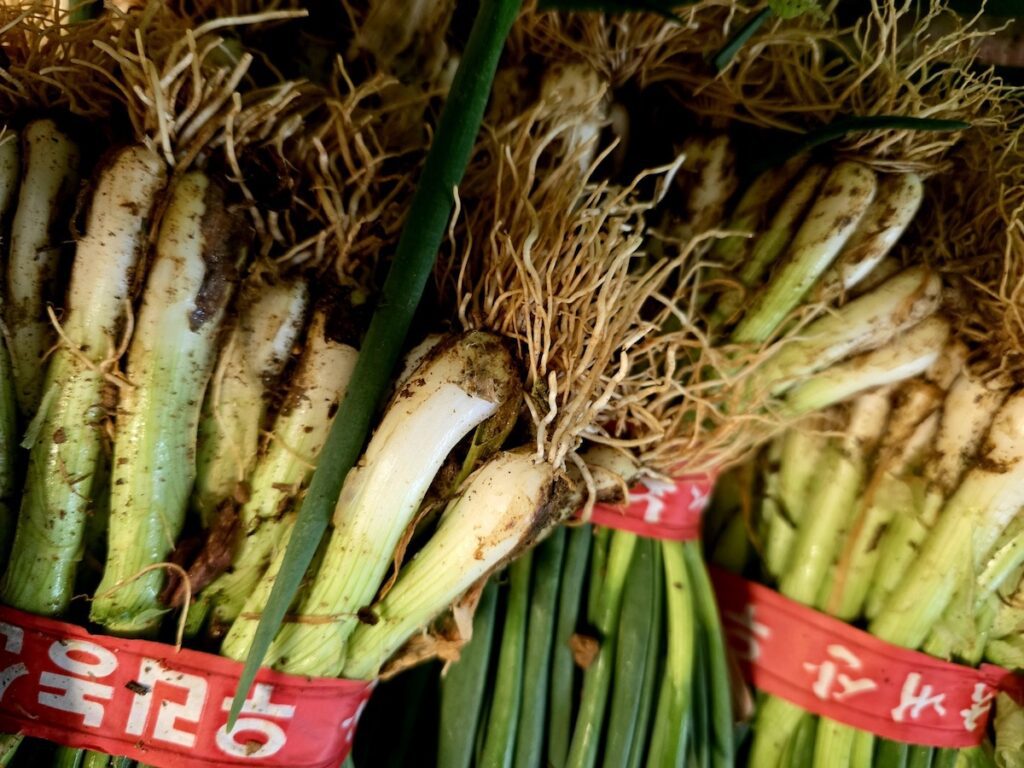
The Best Korean Foods for Weight Loss are inherently tied to the lunar calendar. In Korea, serving vegetables at their peak—Jecheol-eumsik—is not a culinary trend; it is a point of familial pride and a biological necessity. Each household carries a silent “Genetic Map” of which mountain greens (Namul) or root vegetables are at their nutritional zenith during specific weeks of the year.
- The Pride of the Table: When a Korean mother puts a bowl of freshly prepared Yeolmu-Kimchi or spring Naengi-guk (Shepherd’s Purse Soup) on the table, she is displaying more than just a dish. She is demonstrating her mastery over the seasons and her commitment to the family’s vitality.
- The Nutritional Logic: From a scientific standpoint, seasonal vegetables possess the highest concentration of phytochemicals and antioxidants. By rotating these greens according to the seasons, the Korean diet naturally prevents nutritional deficiencies and metabolic stagnation. This constant rotation ensures that the body never plateaus, making it an ideal long-term strategy for sustained weight loss.
Related Guides
- Bomdong Geotjeori 2026: 7 Steps to Awakening Spring with a Mother’s Love As my mother prepares the seasonal greens in our kitchen today, this guide explores the deep emotional and metabolic ritual of crafting the first fresh kimchi of spring.
- 10 Best Korean Foods for Weight Loss: A Calorie-Driven Ritual (2026) A comprehensive analysis of the top dietary staples that form the backbone of the Best Korean Foods for Weight Loss, focusing on high-density nutrition and low caloric impact.
- 3 Best Korean Fermentation Rituals for Gut Health Science The science behind the “Refrigerator of Greens.” Understand how the probiotics in fermented dishes act as a biological engine for weight management and long-term wellness.
- Vegan Tteokbokki Ritual 2026: The Inclusive Soul of Korean Gastronomy How the ancestral plant-based legacy of Korea adapts to modern favorites, offering a guilt-free and inclusive way to enjoy the nation’s most iconic street food.
5. The Authority of the Korean Table: A Global Perspective
The sophistication of this plant-centric, seasonal ritual has caught the attention of the world’s most respected culinary and health authorities. To understand why the Korean diet is a global benchmark for longevity, one must look at the philosophy behind the ingredients.
“I believe that Korean food is one of the healthiest in the world. Its focus on fermentation and the incredible variety of vegetables used in every meal creates a balance that is rare in Western cuisines. It’s not just about the food; it’s about the profound respect for nature and the seasons that defines the Korean kitchen.” — Eric Ripert, Michelin-starred Chef and world-renowned advocate for mindful eating.
As Ripert observes, the “Best Korean Foods for Weight Loss” are effective because they are built on a foundation of Mindfulness. When you view a vegetable not as a garnish, but as a seasonal gift that requires fermentation or specific seasoning to unlock its power, your relationship with food changes. You no longer eat for volume; you eat for the “Soul and Science” of the ingredient.
6. Plant-Based Power: The Tofu Legacy
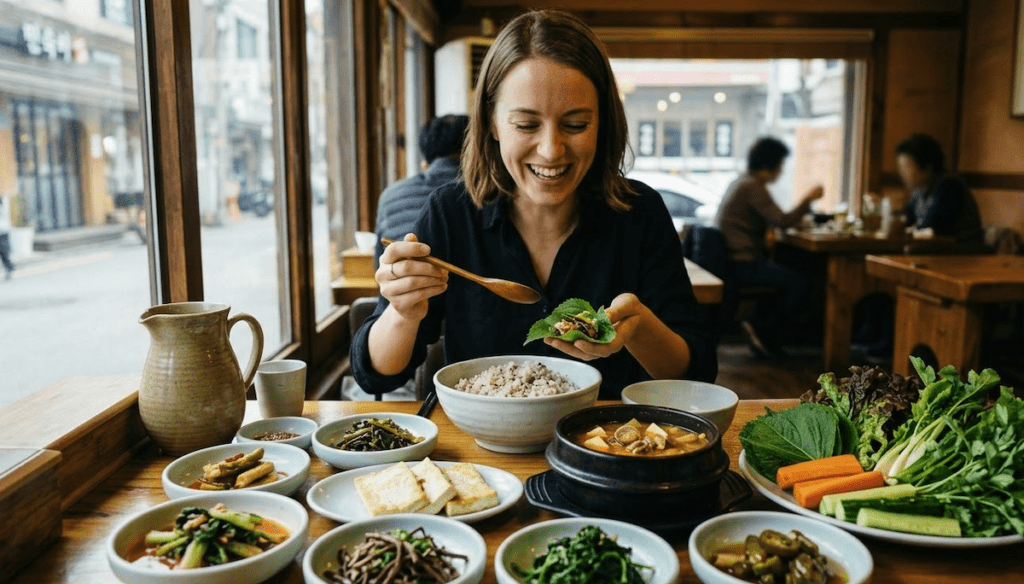
Before the mass availability of livestock, Korea thrived on plant-based proteins. This legacy makes the Korean diet naturally advantageous for those seeking muscle retention without the baggage of saturated fats. Tofu (Dubu) and fermented soybean pastes (Doenjang) provide high-density amino acids with zero cholesterol. For a man seeking a leaner physique, these are the primary tools for maintaining a caloric deficit without sacrificing satiety.
Action Plan
- The 5,000 Won Rule: Whenever you buy meat, commit to spending at least 30% of that budget on fresh, leafy greens. Never eat the meat “naked.”
- The Fiber-First Sequence: Eat three mouthfuls of Kimchi or Ssam before your first bite of protein or carbohydrate to prime your digestive system.
- Upgrade the Grain: Transition your home kitchen from white rice to a 5-grain Japgok-bap blend to stabilize your daily insulin levels.
Conclusion: A Data-Driven Palate
The Best Korean Foods for Weight Loss are successful not because of “superfoods,” but because of a systemic commitment to balance. The guilt we feel when eating meat without vegetables is a cultural manifestation of a biological necessity. It is the understanding that a meal is a complex chemical reaction—one that requires fiber, seasonal enzymes, and probiotics to process energy efficiently.
Whether you are a vegan seeking traditional plant-based wisdom or someone looking to shed weight through metabolic health, the Korean table offers a blueprint. It is a ritual where the greens are the protagonist, the meat is the guest, and the result is a sustainable, healthy existence.