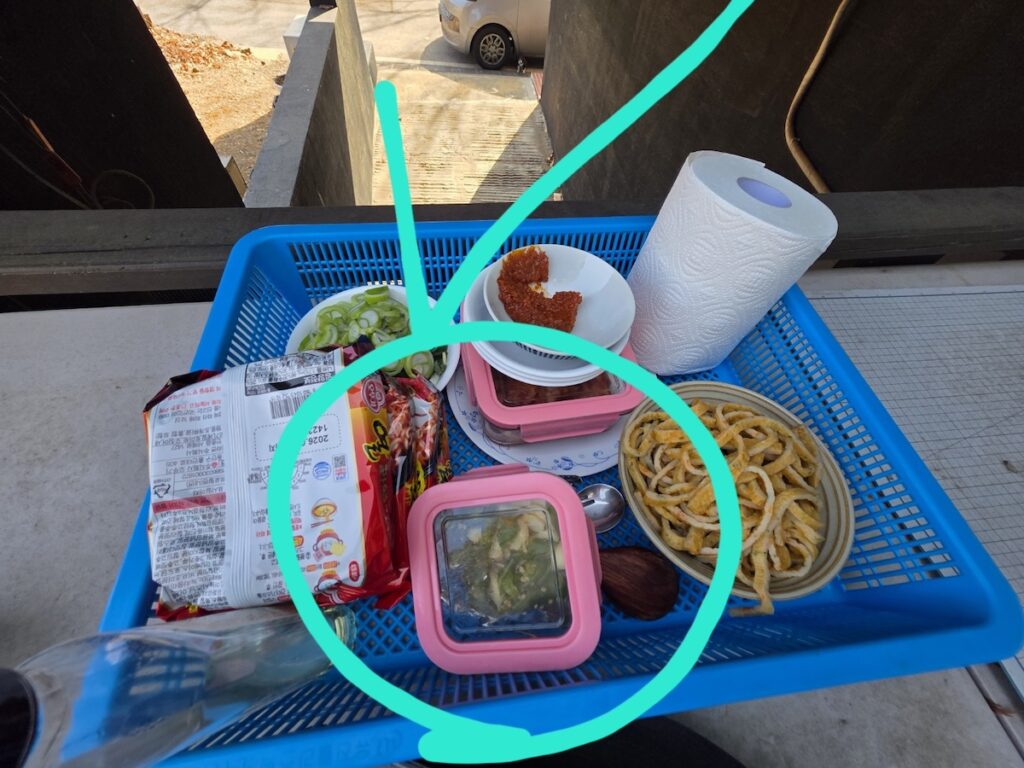
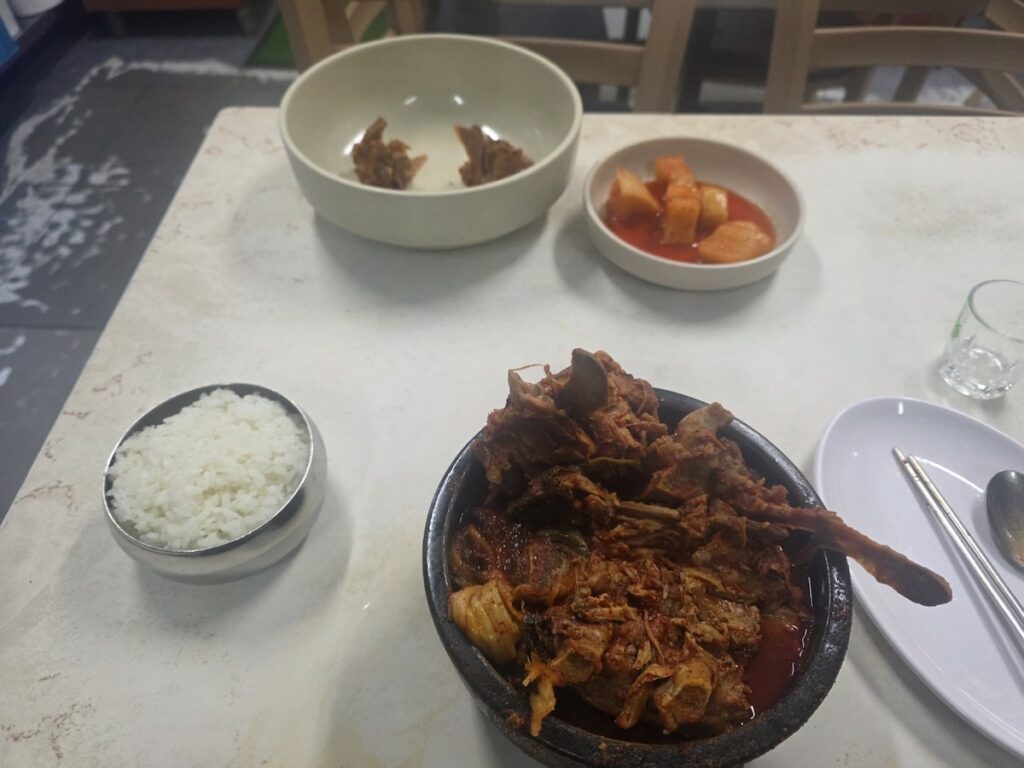
In the neon-lit convenience stores of 2026 Seoul, most travelers recognize Sikhye as a chilled, sweet rice punch. But for my family, who migrated from Jeollabuk-do to the capital in the 1980s, this drink carries a much deeper, more “hardcore” legacy. We brought our southern soul with us, and in our household, Sikhye defies the globalized image of Best Korean Desserts.
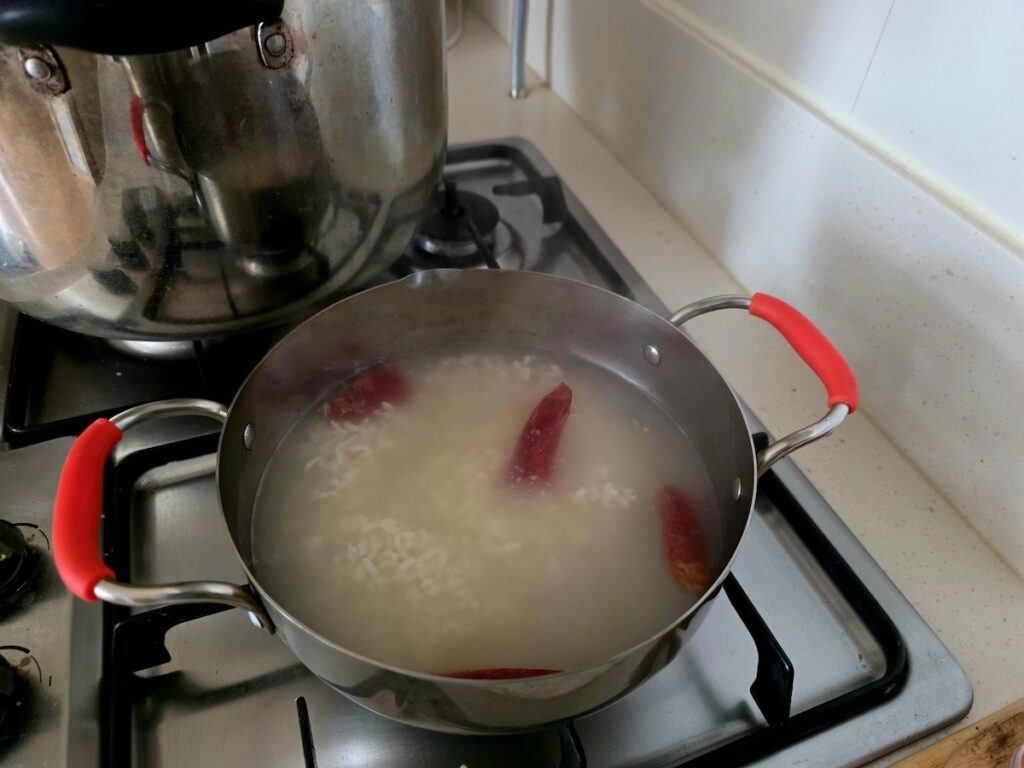
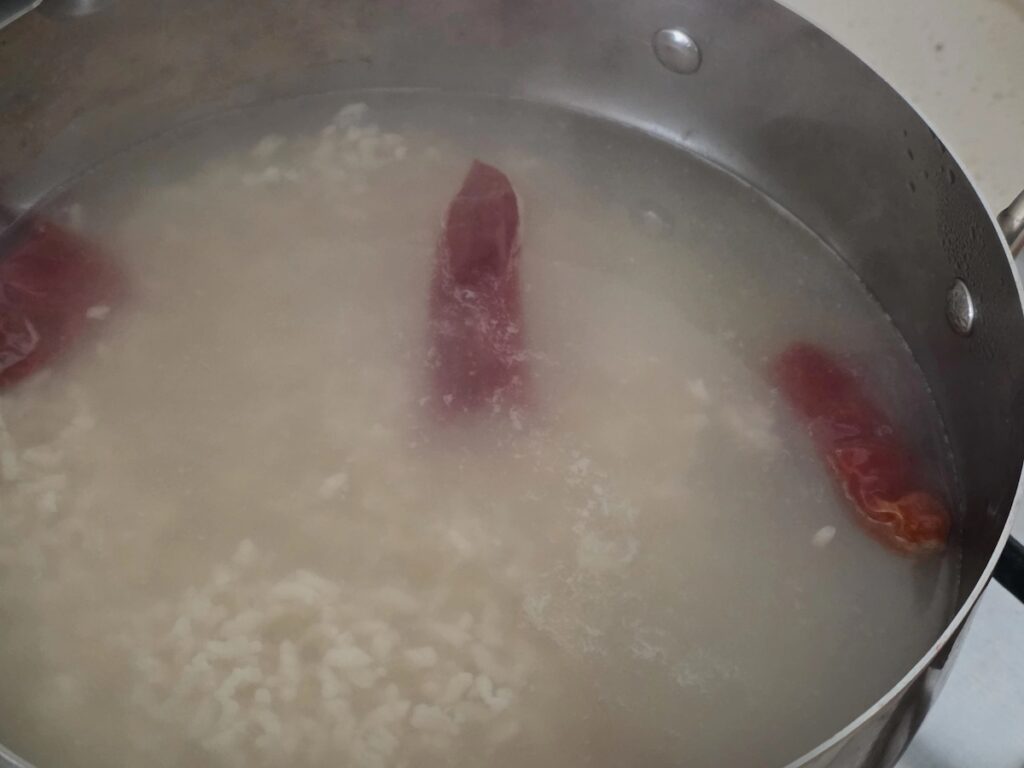
While the world drinks it icy, we boil it. Infused with a hint of dried red chili pepper, our “Hot Sikhye” is not just a sweet treat; it is a medicinal ritual. During the harsh changing of seasons, we sit together, lifting steaming spoons of this spicy-sweet elixir to ward off the common cold. This contrast—between the cold cans on Seoul’s shelves and the fiery warmth of my family’s tradition—is what makes Sikhye the most sophisticated contender for the title of Best Korean Desserts. It is a story of survival, healing, and the relentless pursuit of flavor that moved from the southern rice paddies to the heart of the city.
The Strategic Choice: From Hangover Cure to Brain Fuel
Sikhye is the silent engine of the Korean lifestyle. Its versatility makes it the ultimate contender for the top spot among Best Korean Desserts.
The Convenience Store “Reset” Button
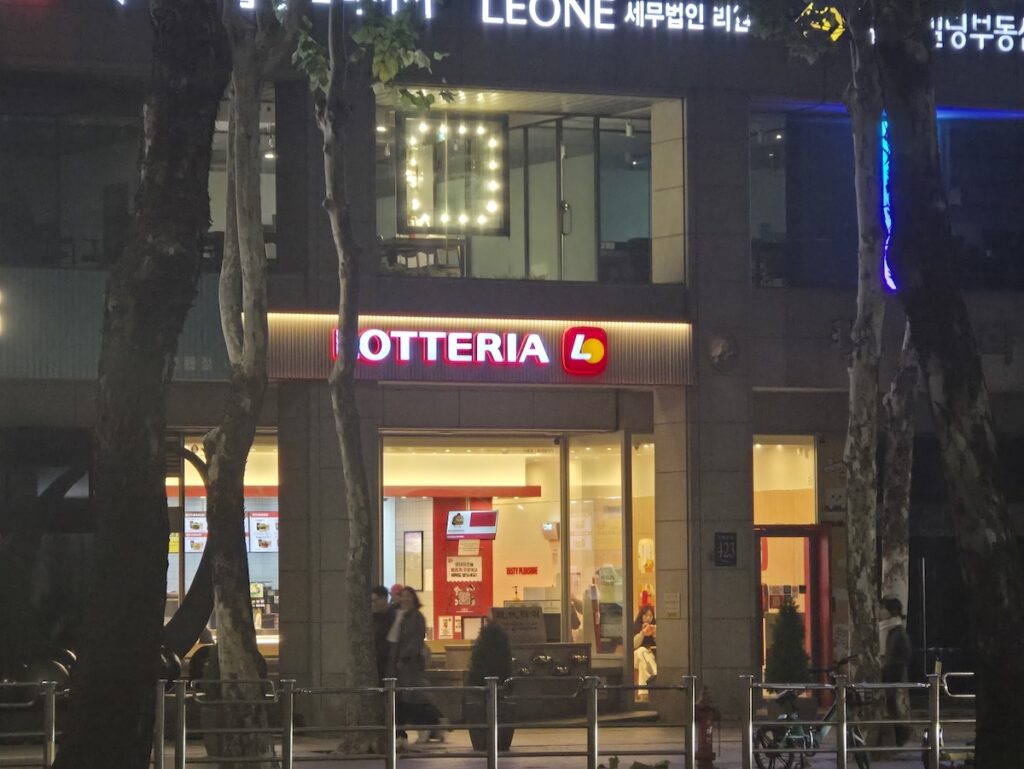
If you find yourself in a Seoul convenience store (GS25 or CU), look past the colorful sodas. You will see weary students and salarymen reaching for a cold can of Sikhye.
- For Students: The natural glucose is “Brain Fuel,” providing immediate focus without the jittery crash of caffeine.
- For Revelers: It is the ultimate Hangover Cure. The enzymes in the fermented malt help the liver process toxins, making it a sophisticated alternative to western sports drinks.
Where to Experience the Ritual: Luxury and Tradition
To truly understand why Sikhye is the crown jewel of Best Korean Desserts, you must witness its elevation from a humble home-brew to a masterpiece of refined gastronomy. In the elite circles of Seoul, Sikhye is no longer a “drink”—it is a fermented vintage, treated with the same reverence as a rare Sauternes or a fine Champagne.
Michelin-Starred Elegance: The Art of Clarification
In the high-end dining scene of Seoul, Michelin-starred chefs are reinventing the Best Korean Desserts by deconstructing the traditional Sikhye.
- Mingles (2 Michelin Stars): Here, the Sikhye is often presented as a “Clarified Essence.” By filtering the fermented malt multiple times, chefs extract a crystal-clear liquid that carries the deep, nutty sweetness of the grain without the heavy starch. It is served as a sophisticated palate cleanser between complex courses, proving that the ancient fermentation of malt is as complex as any modern culinary technique.
- Onjium (1 Michelin Star): This “Culinary Institute” restaurant serves Sikhye based on 500-year-old noble family recipes. They emphasize the “Gom-sak-da” (the deep aging process), resulting in a depth of flavor that is miles away from the canned versions found in convenience stores. It is a lesson in how a simple rice punch can become a high-art historical document.
Luxury Hotel Lounges: The Royal Tea House Experience
If you seek the most aesthetic and immersive encounter with Best Korean Desserts, the grand hotels of Seoul offer a ritual that feels like stepping back into the Joseon Dynasty.
- The Shilla Seoul (The Library): Known for its commitment to Korean heritage, The Library serves Sikhye in heavy, hand-carved Yughi (traditional Korean bronzeware). The metal maintains the “bone-chilling” temperature perfectly. It is garnished with hand-peeled pine nuts from Gapyeong and sun-dried jujubes carved into flower shapes, elevating the drinking experience to a royal audience.
- Four Seasons Hotel Seoul (Akira Back & Maru): Here, Sikhye is often paired with premium Hangwa (traditional honey cookies). The hotel’s sommeliers explain the fermentation science to international guests, framing Sikhye as a “Probiotic Elixir.” This positioning targets health-conscious luxury travelers who are looking for Best Korean Desserts that offer both cultural prestige and functional wellness.
Where to Find the Authentic Brew: The Traditional Tea House Experience
If you find yourself wandering through the winding alleys of Bukchon Hanok Village in Seoul or the historic Jeonju Hanok Village, you will see a Starbucks on every corner. Ignore them. To truly complete your journey into the Korean soul, you must step over the threshold of a Teajip (Traditional Tea House). These wooden structures, scented with dried herbs and burning charcoal, offer a sensory immersion that a modern cafe simply cannot replicate.
The Hardcore Choice vs. The Perfect Safety Net
Inside a Hanok tea house, the menu can be intimidating.
- For the Brave (Ssanghwa-cha): If you want a “Hardcore” medicinal experience, order Ssanghwa-cha. This deep-brown, bitter herbal tea is packed with medicinal roots and topped with a handful of walnuts and jujubes. It’s an ancient “Power Drink” designed to reset your entire immune system.
- The Fail-safe Masterpiece (Sikhye): However, if you want a guaranteed win—a drink that captures the effortless sweetness of the Korean harvest—choose Sikhye. Among the Best Korean Desserts, a bowl of house-made Sikhye served in a rustic ceramic bowl is a choice you will never regret. It provides the perfect cooling contrast to the wooden warmth of the Hanok, acting as a gentle, sweet reward after a long day of sightseeing.
Whether you are in the heart of Seoul or the historical streets of Jeonju, choosing Sikhye at a traditional tea house is not just a snack; it is an act of cultural alignment. It’s the final piece of the puzzle that makes your Hanok experience authentic, refreshing, and profoundly Korean.
Related Insights: Deepen Your Understanding of Korean Food Culture
While the Best Korean Desserts like Sikhye provide a sweet finale, the meal often begins with the sharp, fermented kick of Chojang. Discover why this gochujang-based vinegar sauce is replacing Sriracha in global kitchens as the ultimate functional condiment for seafood and beyond.
The nostalgia of my family’s 1980s migration is perfectly captured in the “Del Monte” glass bottle. Explore how this iconic vessel has returned to Seoul’s tables, serving chilled barley tea as a rustic precursor to the more sophisticated Best Korean Desserts found in luxury Hanok tea houses.
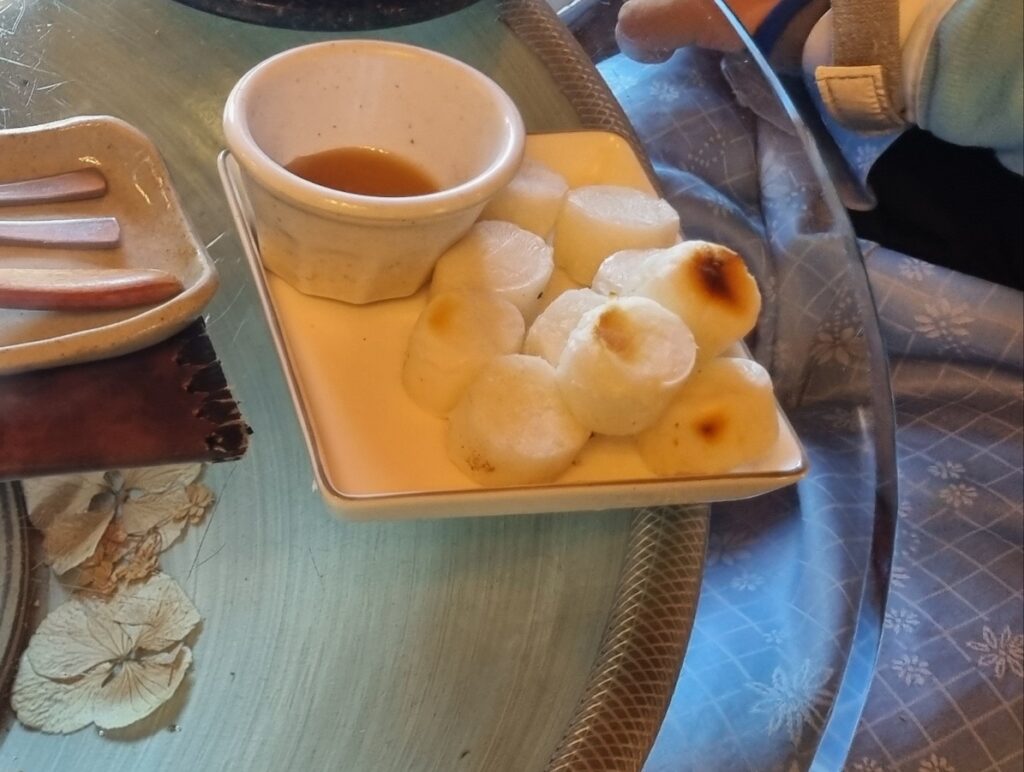
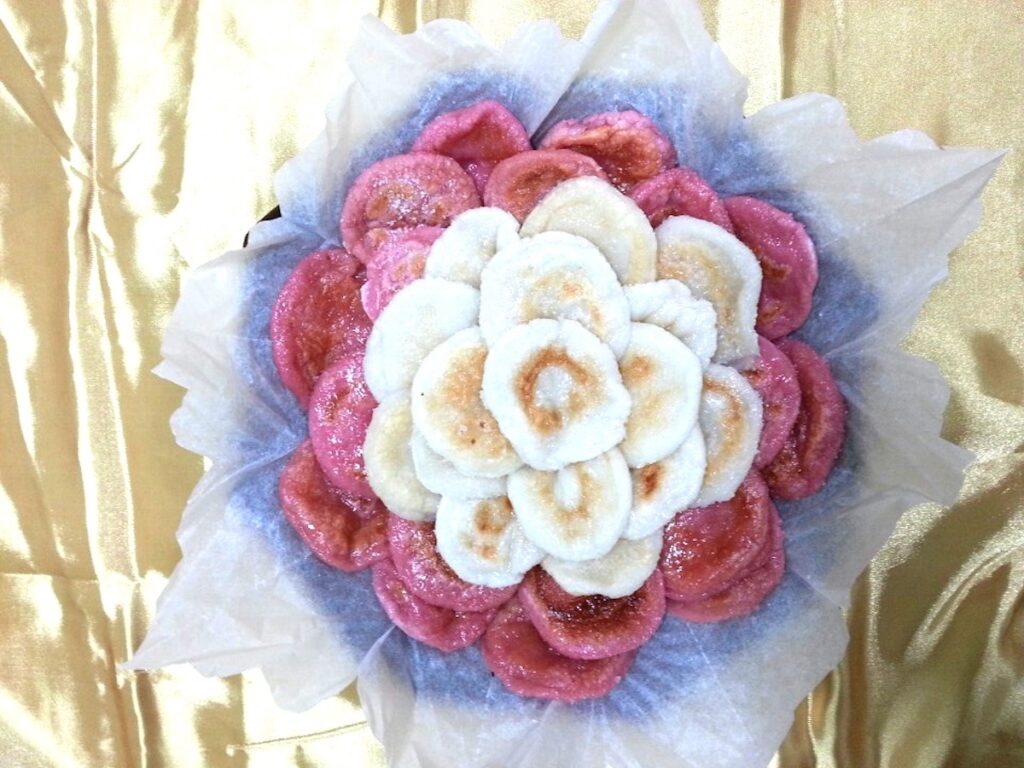
The rice grains you see in our home-made Sikhye are only half the story. Learn how to pair the Best Korean Desserts with modern, artisanal rice cakes to create a metabolic balance of texture and sweetness that reflects the evolving palate of 2026 Seoul.
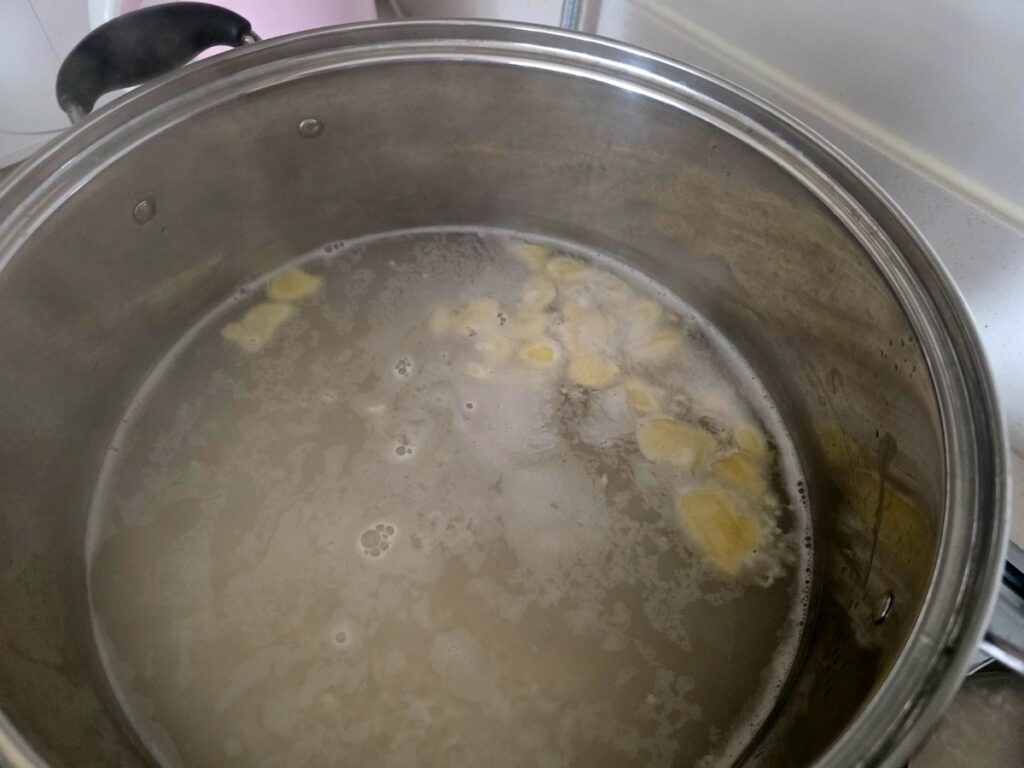
The slow-simmering process of our spicy hot Sikhye is a domestic version of the grand firewood rituals found in the countryside. Before you hunt for the Best Korean Desserts in the city, experience the raw, smoky power of traditional Gamasot cooking that defines the “Bon-jeon” value of Korean rural hospitality.
The Ultimate “Fire Extinguisher” for K-Spicy Fans
Western travelers are obsessed with the “K-Spicy Challenge.” When your tongue is burning from Buldak noodles or spicy Galbi-jjim, most people reach for milk or sugary sodas. This is a mistake.
Why Sikhye Beats Milk
Milk only coats the tongue, but Sikhye digests the spice. The natural Amylase in the fermented malt barley breaks down the heavy starches and neutralizes the acidity of the chili. It is the biological “Fire Extinguisher” of the Korean table. If you want to conquer the spicy side of Seoul, you must have a cup of Sikhye by your side.
Conclusion: A 1,000-Year-Old Legacy in a Cup
Sikhye is the bridge between Korea’s agrarian past and its high-tech future. Whether it is my family’s spicy hot brew from the south, a casual $1 can from a 24-hour shop, or a $20 artisanal glass in a luxury hotel, this drink represents the Best Korean Desserts because it offers more than sugar. It offers healing, digestion, and a deep connection to the history of the Korean rice paddy.
Action Plan: Next time you are in Seoul, ignore the iced Americano for a moment. Step into a traditional tea house in Insadong or a luxury lounge in Gangnam and ask for a bowl of Sikhye. Whether you drink it to cure a cold or to survive a spicy meal, you are participating in a thousand-year-old survival strategy.