Korean black bean noodles, known affectionately as Jajangmyeon, represent a culinary evolution that mirrors South Korea’s modern history, transforming from a foreign import into the nation’s most beloved comfort food. For a professional manager in his late 40s navigating the complexities of 2026, a bowl of these dark, savory noodles after a grueling certification exam isn’t just a meal—it’s a cinematic “Midnight Run” for the soul.
Today, as I stepped out of the ADsP (Advanced Data Analytics Semi-Professional) exam hall, the decision was already made. My “Oh My Card” ritual—where the weight of the week is settled with a single swipe—was destined for a local Chinese-Korean bistro, specifically for the charred, smokey depth of Ganjajang.
1. The Evolution: From Chinese Roots to a Korean Soul
While the origins of Korean black bean noodles can be traced back to the Shandong region of China, the dish we celebrate today is a distinctly Korean invention. In the early 20th century, Chinese immigrants in Incheon adapted the original salty soybean paste to suit the Korean palate, adding caramel for sweetness and creating the thick, dark sauce we now crave.
In the landscape of Korean “Dining Out” (Oesik) culture, Chinese-Korean cuisine occupies a unique and vital space. It is the food of celebration, the food of moving day, and the food of the weary student. It represents a theme of adaptation and resilience—taking something external and refining it until it becomes a core part of the national identity. As someone who manages a team of 22 people, I often see how these shared meals bridge the gap between high-pressure deadlines and human connection.
2. The Great Korean Dilemma: Jajangmyeon vs. Jjamppong
For every Korean, the walk to the restaurant involves a psychological battle known as the “Great Dilemma.” Do you choose the earthy, sweet embrace of Korean black bean noodles, or the fiery, seafood-laden intensity of Jjamppong (Spicy Seafood Noodle Soup)?
- The Conflict: This choice is so ingrained in the culture that it has sparked a thousand debates. Jajangmyeon offers a nostalgic, grounding comfort, while Jjamppong provides a cathartic, spicy release.
- The Solution: The struggle was so real that it led to the invention of the Jjamjamyun—a split bowl that serves both.
- The Choice: When you sit down at a Seoul bistro, what is your instinct? Does your palate crave the obsidian richness of the bean paste, or the crimson heat of the sea? Today, my victory over the data analytics exam demanded the heavy, concentrated reward of Ganjajang.
3. Jajang vs. Ganjajang: Understanding the Craft
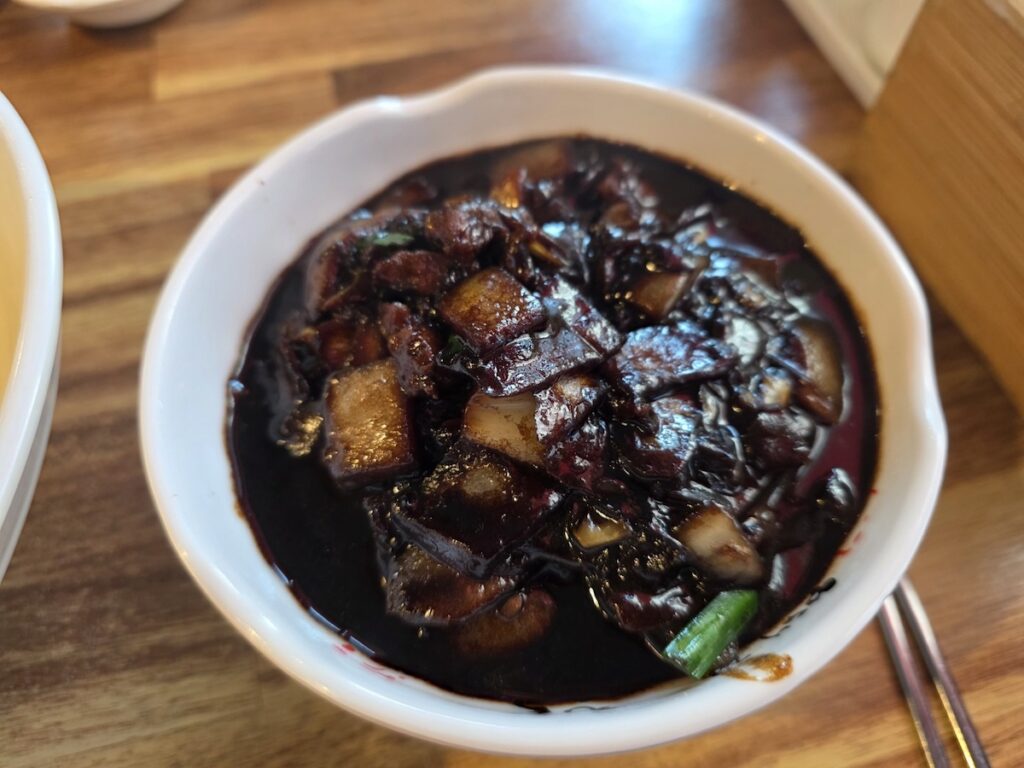
While many are familiar with the standard Jajangmyeon, true connoisseurs and those celebrating a milestone opt for Ganjajang. The “Gan” (乾) signifies “dry,” referring to the cooking method where the black bean paste is stir-fried with onions and pork without the addition of water or starch slurry.
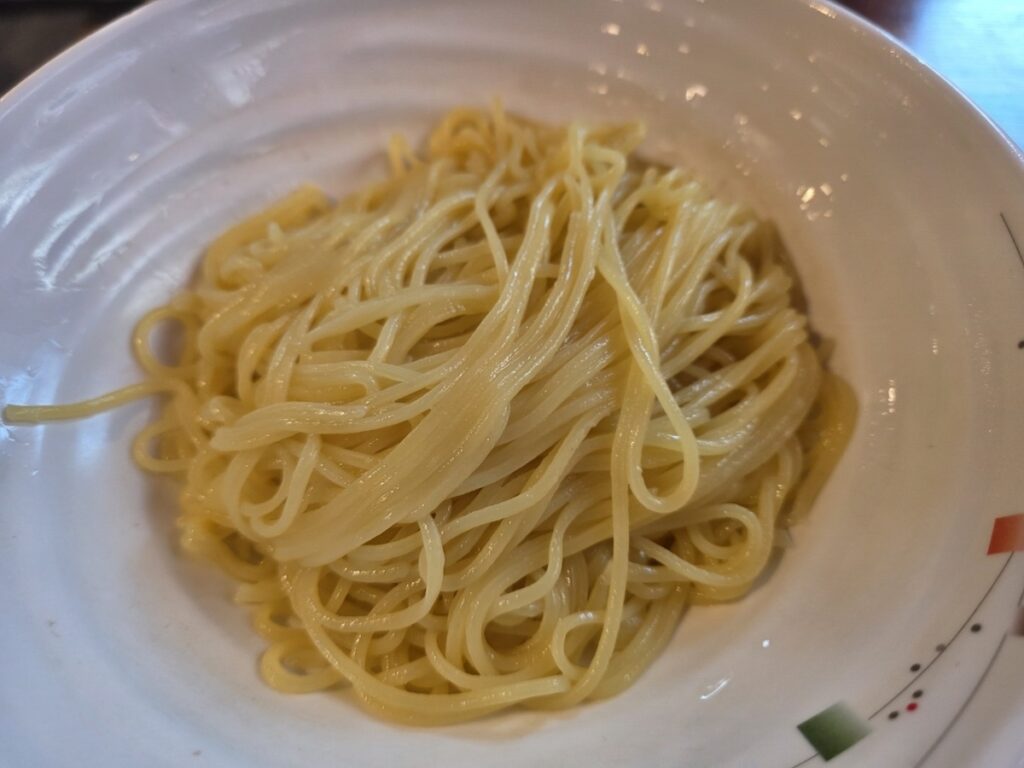
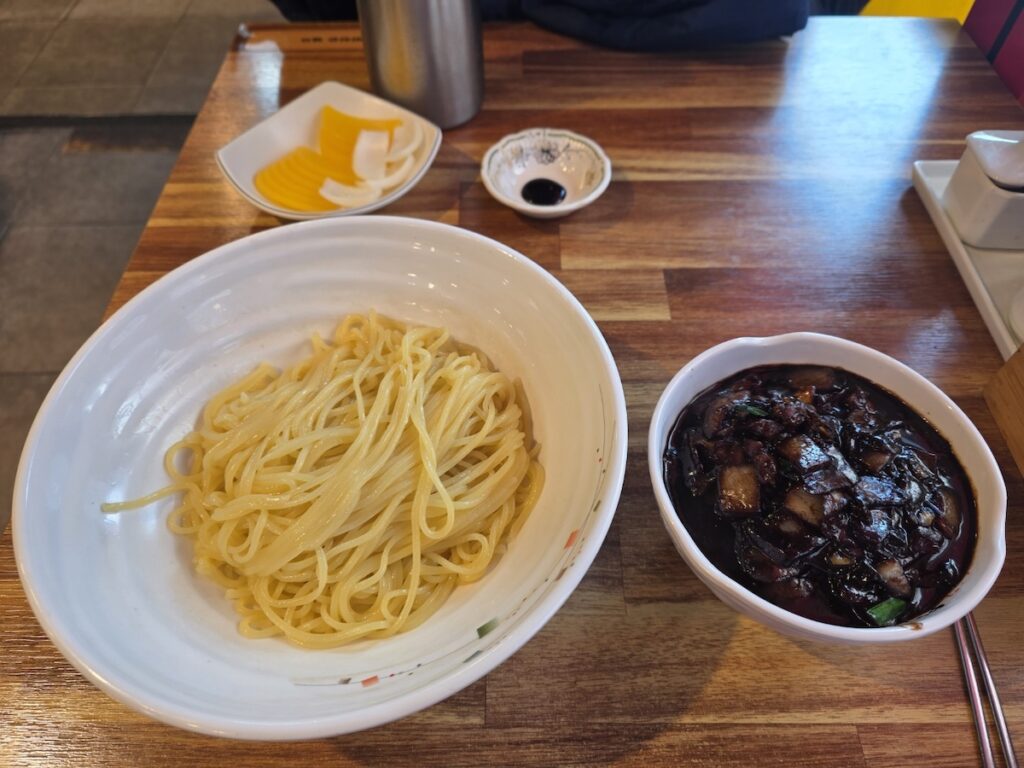
- The Separation: In Ganjajang, the sauce and the noodles arrive in separate bowls. This ensures the noodles maintain their elastic integrity until the very moment of consumption, a detail crucial for the observant diner.
- The Texture: The onions in Ganjajang are crisp and vibrant, providing a textural contrast that the standard, more stew-like Jajangmyeon often lacks.
- The Aroma: The “Wok Hei” or the breath of the wok is much more pronounced in this dry-fried version, offering a smokiness that pairs perfectly with the post-exam adrenaline.
4. The Gochugaru Ritual: Cutting Through the Richness
As the steam rises from the freshly boiled noodles, a specific ritual occurs: the addition of Gochugaru (Korean chili powder). To the uninitiated, adding spice to an already savory dish might seem redundant, but it is the master stroke of the meal.
- The Counterbalance: The rich, earthy sweetness of the fermented black bean paste and the fats from the pork can be heavy. A spoonful of vibrant red Gochugaru cuts through the oiliness, providing a sharp, clean finish to every bite.
- The Visual Metaphor: The splash of red against the deep black sauce is visually cinematic, mirroring the heat of the effort just expended and the coolness of the reward.
- The Palate Cleanser: Pairing this with danmuji (yellow pickled radish) creates a symphony of sweet, sour, and spicy that keeps you reaching for the next mouthful until the bowl is empty.
5. The Global Stage: From Cinema Screens to Celebrity Cravings
The meteoric rise of Korean black bean noodles on the global stage isn’t a coincidence; it is the result of cinematic storytelling and celebrity influence. If you’ve watched the Oscar-winning masterpiece Parasite by director Bong Joon-ho, you’ve witnessed the “Ram-don” (Jjapaguri) craze, which brought the dark, savory essence of Jajangmyeon sauce to the forefront of Western consciousness.
- Hollywood’s Favorite Comfort Food: Beyond the screen, celebrities like Eric Nam and various BTS members have frequently shared their love for these Korean black bean noodles during livestreams, turning a humble bowl of noodles into a viral sensation.
- The K-Drama Effect: In hit series like Coffee Prince or Wok of Love, the intense, rhythmic sound of slurping Jajangmyeon has become a trope that defines “craving.” For international fans, seeing their favorite stars indulge in a bowl of Ganjajang after a long day of filming mirrors my own ritual after a high-stakes exam.
- Cultural Crossover: The popularity of Jajangmyeon in the US and UK is growing as influencers on TikTok and YouTube participate in “Jajangmyeon Mukbangs,” showcasing the visually striking obsidian sauce and the satisfying “Oh My Card” celebratory culture.
6. A Symbolic Reward: Why We Eat This After Exams
In South Korea, Jajangmyeon is the ultimate celebratory dish. Historically, when the nation was rebuilding, these Korean black bean noodles were a rare luxury—a treat reserved for graduations and major milestones. Decades later, that sentiment remains.
Even as I manage my health, balancing blood pressure and diabetes medications, I allow myself this Saturday ritual. It is a reminder of how far we have come. The act of mixing the dark, obsidian sauce into the pale yellow noodles is a meditative transition from the stress of the exam hall to the comfort of the weekend. Whether it is a child finishing elementary school or a 47-year-old manager finishing a data analytics certification, the bowl remains the same: a dark, glossy prize for a job well done.
Related Guides
- The Ultimate Guide to Makgeolli Pairing
- The Smart Way to Feast on Beef BBQ in Seoul: Why I Chose Premium US Beef Over Hanwoo
Action Plan
- Visit a Local Chinese-Korean Bistro: Specifically ask for “Ganjajang” to experience the stir-fried depth of Korean black bean noodles.
- Master the Mix: Spend at least 30 seconds mixing the sauce and noodles to ensure every strand is coated in the glossy black bean paste.
- The Gochugaru Step: Start with a small half-spoon of chili powder to find your perfect balance of heat and savory richness.
- Pair with Danmuji: Always have a side of yellow pickled radish ready to refresh your palate between bites.