Searching for the Best Food in Korea for Parents
When traveling with family, especially older parents, the biggest challenge isn’t finding a place to visit—it’s finding a place to eat. I recently faced a similar situation after helping a close friend resolve a complicated U.S. visa issue. My friend wanted to treat me to a meal that was prestigious and healthy as a way of saying thank you. In Korea, such a “proper meal” usually means high-quality beef BBQ or fresh raw fish, but with the summer heat approaching, we decided on something more restorative.
As someone who spends a lot of time working between Ha Nam and Yeoksam-dong, I’ve seen many travelers struggle with menus that are either too spicy or too “youth-oriented”. If you are looking for the best food in Korea for parents, you need something that balances nutrition and ease of eating. That is exactly why we chose a specialized freshwater eel (Minmul-jangeo) restaurant.
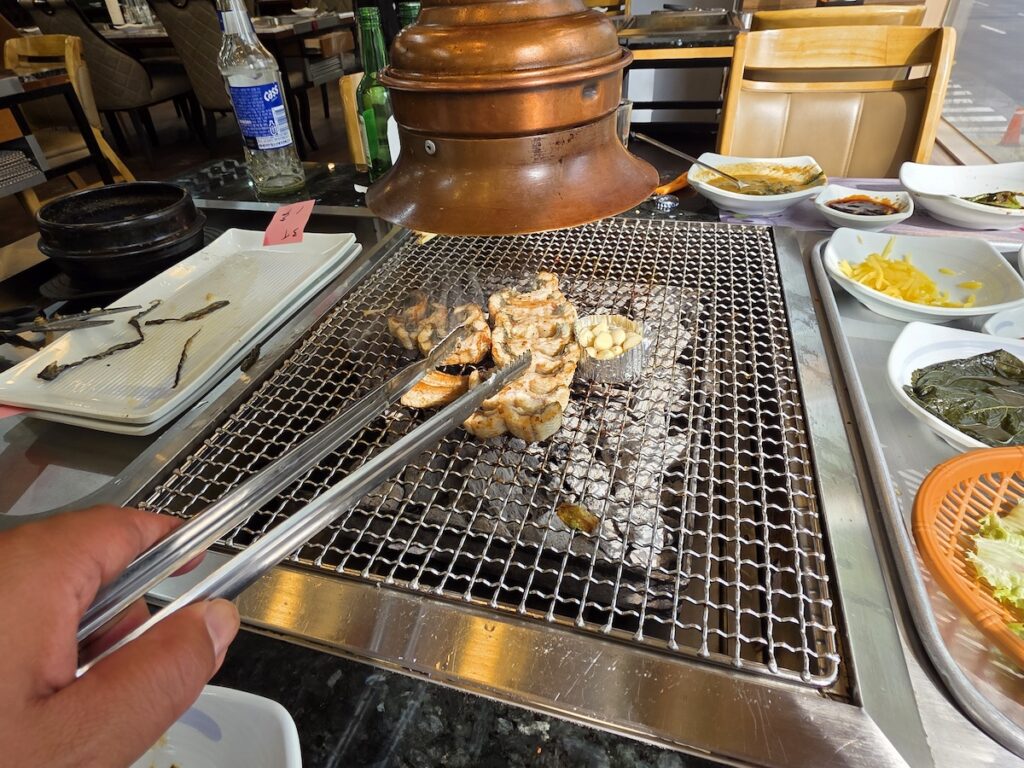
Why Eel BBQ is the Ultimate Family Meal
For parents, red meat can sometimes be heavy or difficult to chew. Freshwater eel, however, offers a buttery, tender texture that melts in your mouth. In Korea, we call this Boyang-sik (stamina food)—the meal you buy for someone you truly care about when they need a health boost. It feels much more thoughtful and respectful for an older generation than a standard dinner.
The Social Protocol: The Mystery of the Eel Tail
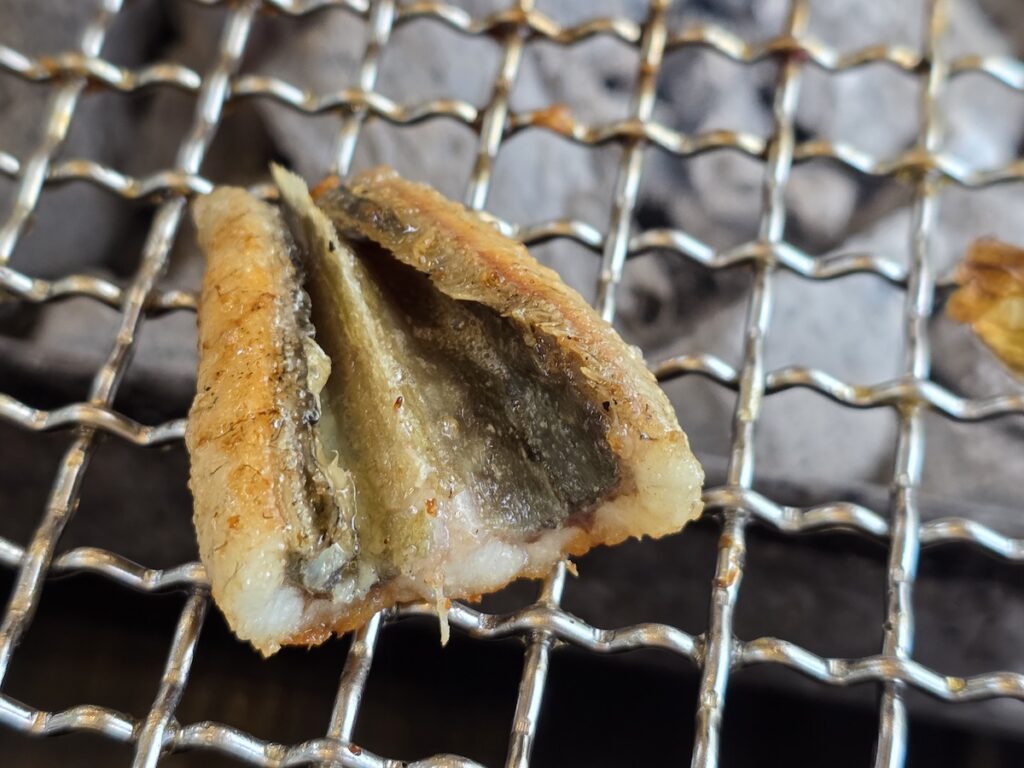
Every Korean table has its hidden rules, and at an eel restaurant, the spotlight is on the tail. In local culture, the eel’s tail is believed to hold the most energy because it is the part that drives the fish through the water with such force. It is traditionally reserved for those who need “power”—often men in new relationships or newlyweds.
A Critical Etiquette Warning: If you are eating with Koreans, remember that the unspoken rule is “one tail per person”. If there are two tails and you reach for both, don’t be surprised if your dining companion gives you a sharp, glaring look. Taking more than your fair share of this “stamina” is a serious breach of table manners! For family trips, it is a sign of great respect to offer the tail to your parents first.
Where to Find the Best Premium Eel in Seoul
If you are looking for a venue that matches the prestige of a “thank you” meal or a comfortable setting for your parents, Seoul offers several high-end options. These locations prioritize privacy, service, and the highest grade of freshwater eel.
1. Marusim (마루심)
Located near the Banpo and Seocho areas, Marusim is legendary for its Hitsumabushi ( Nagoya-style eel over rice). While it has a Japanese influence, it is one of the most respected eel establishments in the city. The interior is clean and professional, making it a go-to spot for business meetings and family gatherings. Their eel is known for a perfect balance of a crispy exterior and a melt-in-your-mouth interior.
2. Namseoul Minmul Jangeo (남서울 민물장어)
For a more traditional yet upscale Korean BBQ experience, this spot near Gangnam is a long-standing favorite. It is often frequented by professionals from nearby Yeoksam-dong. They specialize in the classic charcoal-grilled style, and the quality of their Minmul-jangeo is consistently top-tier. The staff provides full grilling service, so you can focus entirely on your guests or parents.
3. Moegi at The Ritz-Carlton (or Premium Hotel Dining)
Many of Seoul’s luxury hotels, such as the Grand Walkerhill or various high-end Japanese dining rooms within 5-star hotels, offer seasonal eel specialties. These venues provide the ultimate quiet environment with private rooms (known as room-seu), ensuring your parents won’t be overwhelmed by the noise of a typical busy restaurant.
4. Duryu (두류)
If you find yourself near the Han River or the eastern part of Seoul toward Ha Nam, there are premium garden-style eel restaurants that offer a more spacious and scenic atmosphere. These spots often feel like a short getaway from the city’s concrete jungle, providing a relaxing backdrop for a healthy stamina meal.
💡 Practical Tip for Premium Spots: In Korea, high-end restaurants often require a reservation, especially for private rooms. If you are planning a “thank you” meal for a friend or a special night for your parents, it is highly recommended to call at least 2–3 days in advance to secure a quiet table.
Health vs. Myth: What’s Actually Inside?
While the stamina myth of the tail is a fun cultural story, the real benefit lies in the whole fish. Science shows that while the tail has a slightly different concentration of minerals, the protein and energy levels aren’t significantly higher than the body. However, the eel is packed with Vitamin A, Vitamin E, and Omega-3 fatty acids, making it a scientifically sound choice for heart health and skin—perfect for seniors.
Comparison: Why Choose Eel Over Other Family Favorites?
| Feature | Beef BBQ (Galbi) | Freshwater Eel BBQ | Raw Fish (Hoe) |
| Digestion | Can be heavy/oily | Rich but easy to digest | Risky for sensitive stomachs |
| Spiciness | Zero (unless marinated) | Zero (Salt-grilled) | Zero |
| Nutrition | High Protein/Iron | High Omega-3/Vitamin A | Lean Protein |
| Parent Approval | High | Extremely High | Moderate |
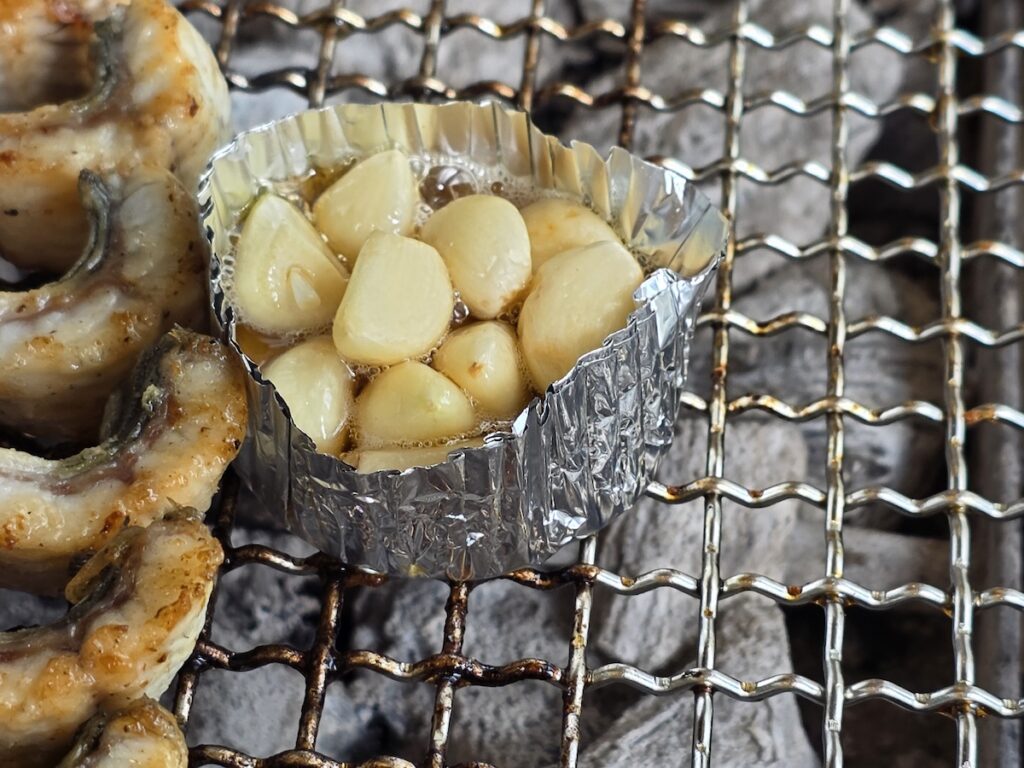
The Science of Stamina: Why Eel is a Superfood
In Korea, “stamina” refers to more than just physical energy; it represents the endurance and fundamental vitality needed to overcome fatigue. Freshwater eel is considered the “King of Stamina” for several scientifically proven reasons:
- Vitamin A Powerhouse: Eel contains significantly more Vitamin A than beef, which is essential for protecting mucous membranes, boosting immunity, and maintaining overall vitality.
- Essential Omega-3 Fatty Acids: Approximately 25-33% of the fat in eel consists of unsaturated fatty acids like DHA and EPA. These are crucial for improving blood circulation and heart health, especially for seniors.
- Mucin and Chondroitin: The slippery substance on the eel’s skin, mucin, helps with protein absorption and protects the stomach lining, while chondroitin supports joint and cartilage health.
- Energy-Boosting Vitamin B: Rich in Vitamin B1, B2, and B12, eel helps convert carbohydrates into energy more efficiently, providing an immediate sense of refreshment after consumption.
Nutritional Comparison: Eel vs. Other Meats (per 100g)
| Nutrient | Freshwater Eel | Beef | Pork |
| Vitamin A (RE) | ~1,137μg | ~10μg | ~5μg |
| Vitamin B12 | 2.9μg | 2.6μg | 0.7μg |
| Omega-3s | Very High | Low | Moderate |
| Calcium | 39mg | 18mg | 15mg |
Is the Tail Actually More Nutritious?
Scientific research indicates that the protein and fat content of the eel’s tail do not differ significantly from the rest of the body. In fact, the main body often provides more meat and nutrients per bite.
However, the “tail obsession” remains a powerful part of Korean dining culture. Offering the tail is a symbolic gesture of respect and care, representing the transfer of the fish’s most vigorous energy to the recipient.
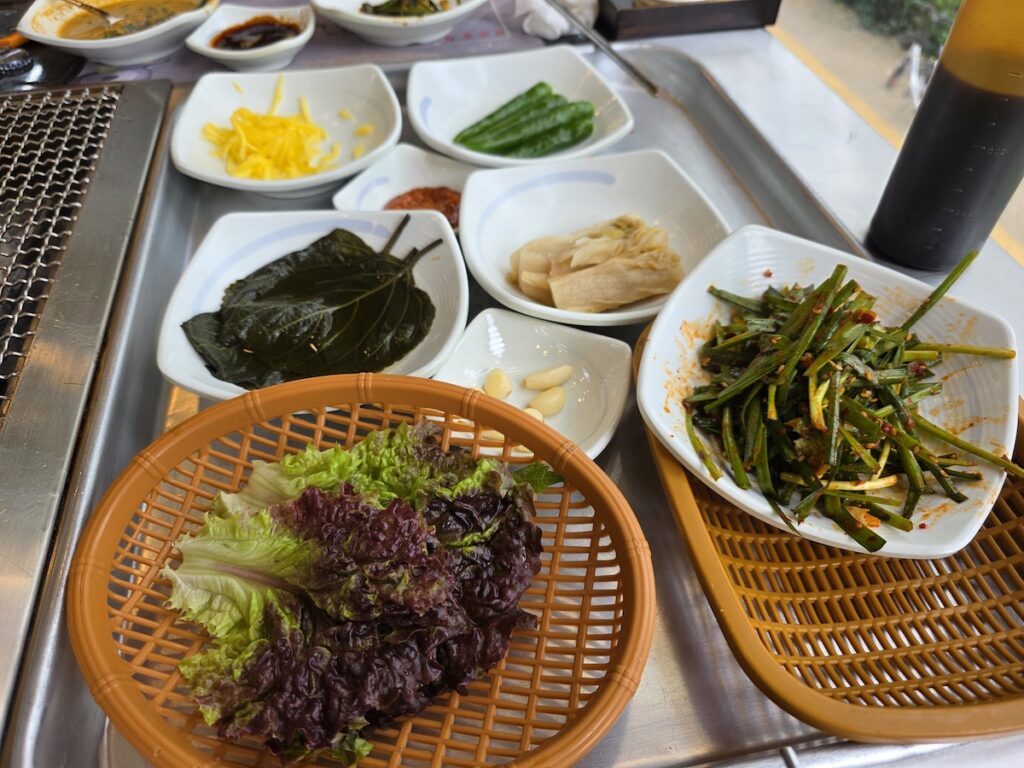
The Secret Ingredient: Why Raw Ginger?
You will notice a large bowl of shredded raw ginger on the table. This is an essential partner for eel. Because freshwater eel is very rich and fatty, the sharp ginger helps neutralize the oiliness and aids in protein digestion. Encourage your parents to eat a few threads of ginger with every bite wrapped in a perilla leaf.
Practical Tips: Freshwater vs. Sea Eel
It is important to understand what you are ordering. Freshwater eel (Minmul-jangeo) is generally more expensive and sought after than sea eel (Ba-dat-jangeo). Freshwater eel is much meatier and has a luxurious fat content, whereas sea eel is leaner and often served raw or fried. While other cultures like Japan use eel for Unadon or the UK has “jellied eels,” the Korean charcoal-grilled style is a unique experience.
Conclusion: More Than Just a Meal
Helping a friend with a stressful visa application is a noble task, and being rewarded with a freshwater eel feast is the ultimate sign of gratitude in Korea. It is a meal that feeds both the body and the ego—especially if you are the one “honored” with the tail.
Through our lunch near Yeoksam-dong, I realized that freshwater eel is truly the best food in Korea for parents and travelers seeking a premium, healthy alternative to red meat. It offers a rare combination of buttery texture, high-end service at spots like Namseoul or Walkerhill, and a scientific profile—packed with Vitamin A and Omega-3s—that actually delivers on its promise of “stamina”.
If you find yourself in Seoul during the humid summer months, skip the standard tourist traps and find a smoky, specialized eel BBQ restaurant. It is a chance to participate in a deeply rooted local ritual that leaves you feeling lighter, stronger, and more connected to the true flavor of the city. Just remember the golden rules of the table: respect the ginger, appreciate the “kkodeuk-kkodeuk” texture, and for the sake of your social standing, never reach for that second tail.