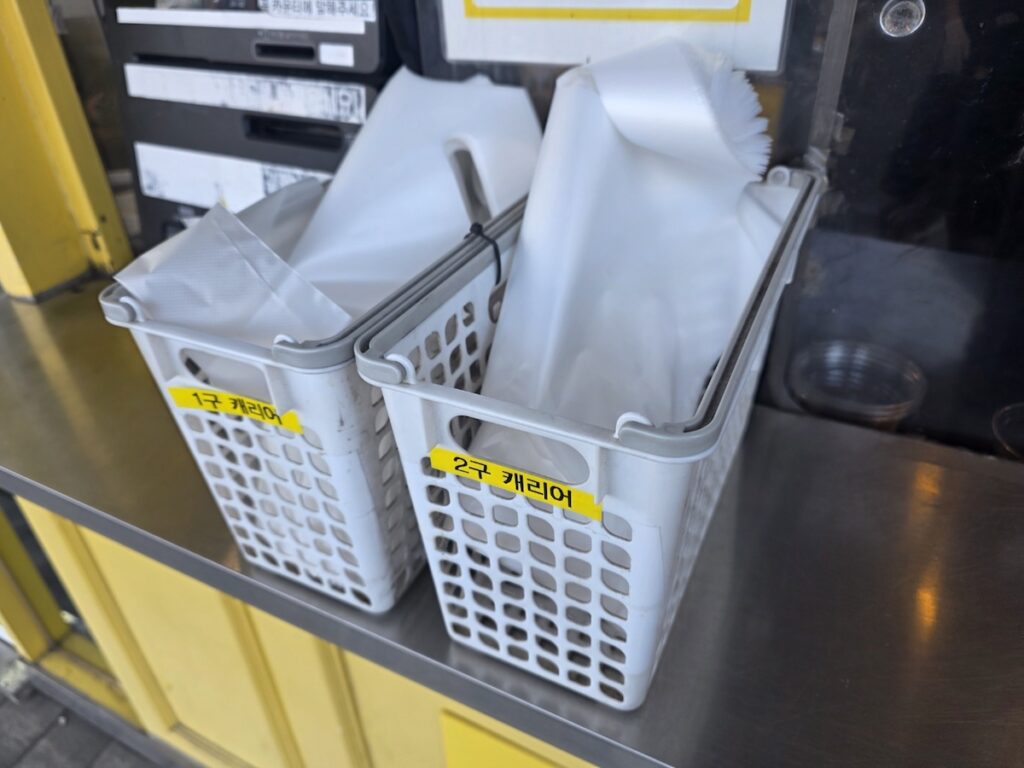
Knowing how to avoid tourist traps in Korea is an essential skill for any traveler who wants to experience the true flavors of the peninsula without wasting money. While South Korea is generally famous for its high-quality food and reasonable prices, certain high-traffic areas function as exceptions to the rule.
Major transit hubs, such as express bus terminals and train stations, are prime locations where unsuspecting visitors often fall into the trap of paying premium prices for subpar meals. In these zones, the typical hospitality you expect from a local diner is often replaced by a cold, transactional efficiency designed for people who are in too much of a hurry to complain.
The Price of Convenience: Why Your Bill is Higher
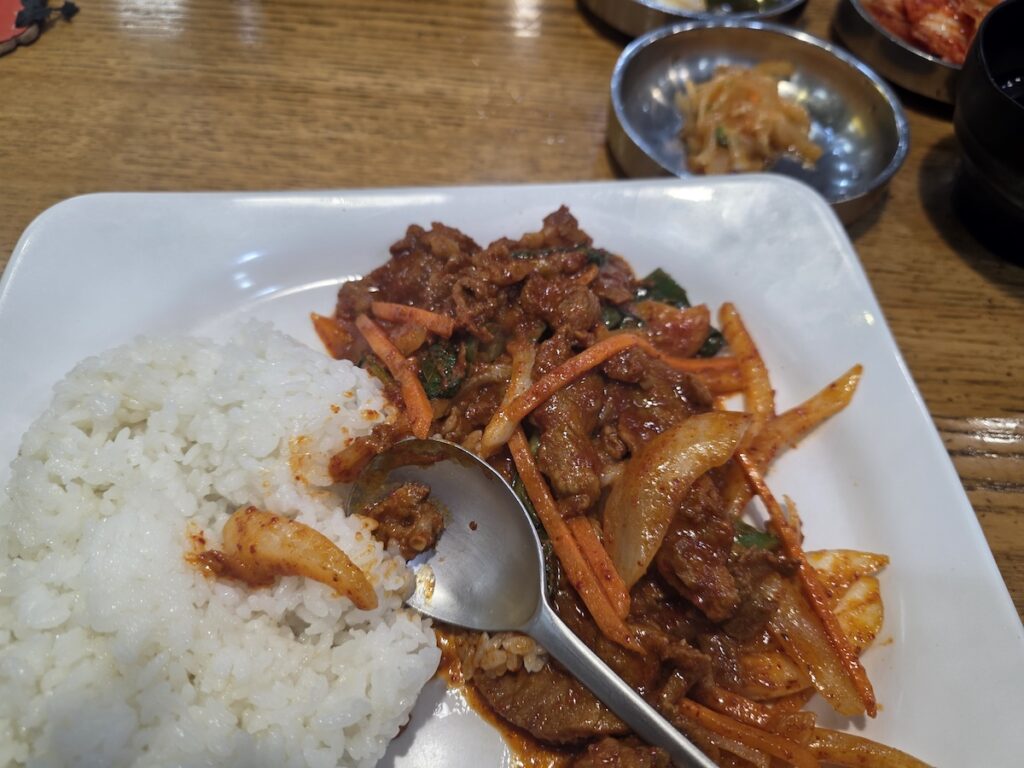
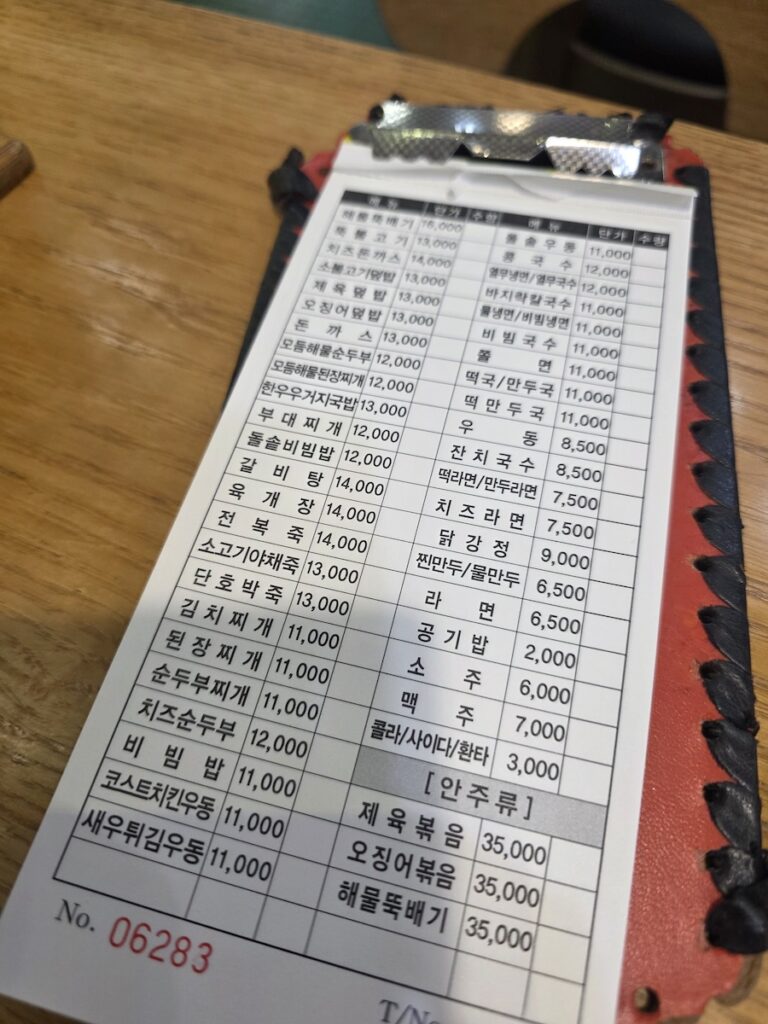
In a standard Korean neighborhood, a hearty meal of Spicy Pork (Jeyuk-bokkeum) or a warm bowl of soup usually comes with a modest price tag and a variety of side dishes. However, as soon as you step inside a transit hub, you will notice a significant “terminal premium.” Simple comfort foods that should be affordable are often priced 30% to 50% higher than the national average. When you are looking at a menu where basic snacks cost as much as a full dinner elsewhere, you are witnessing a classic tourist trap in action. These establishments rely on a captive audience—travelers who have no choice but to eat before their departure.
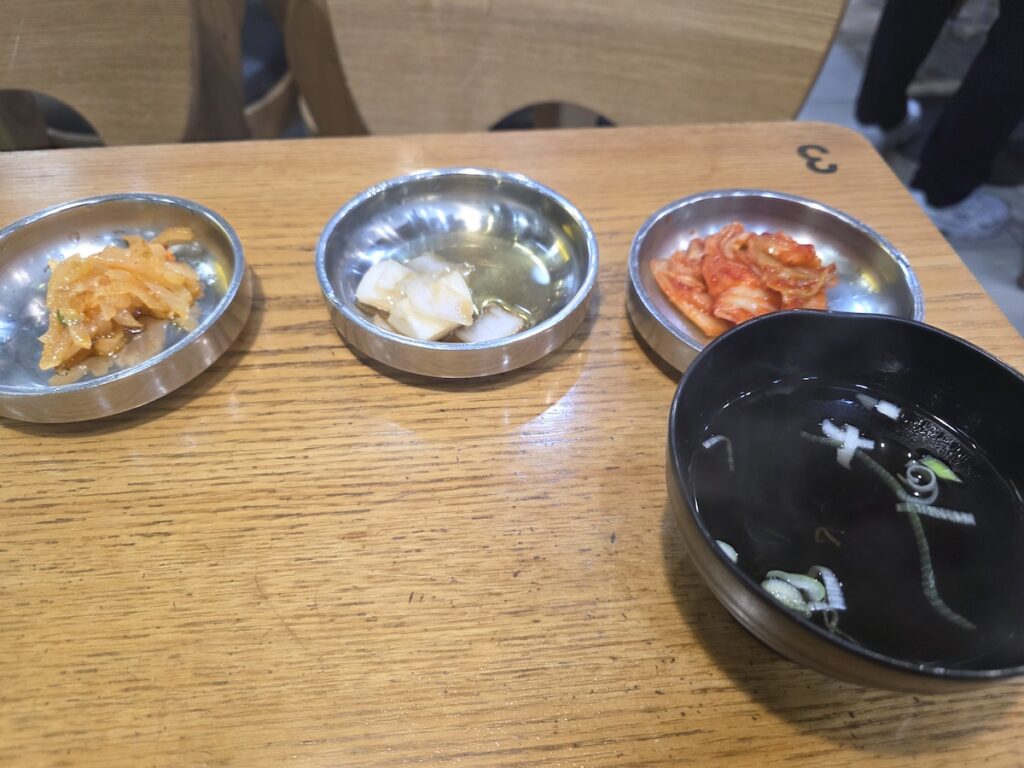
The Shrinking Banchan: A Sign of Low Value
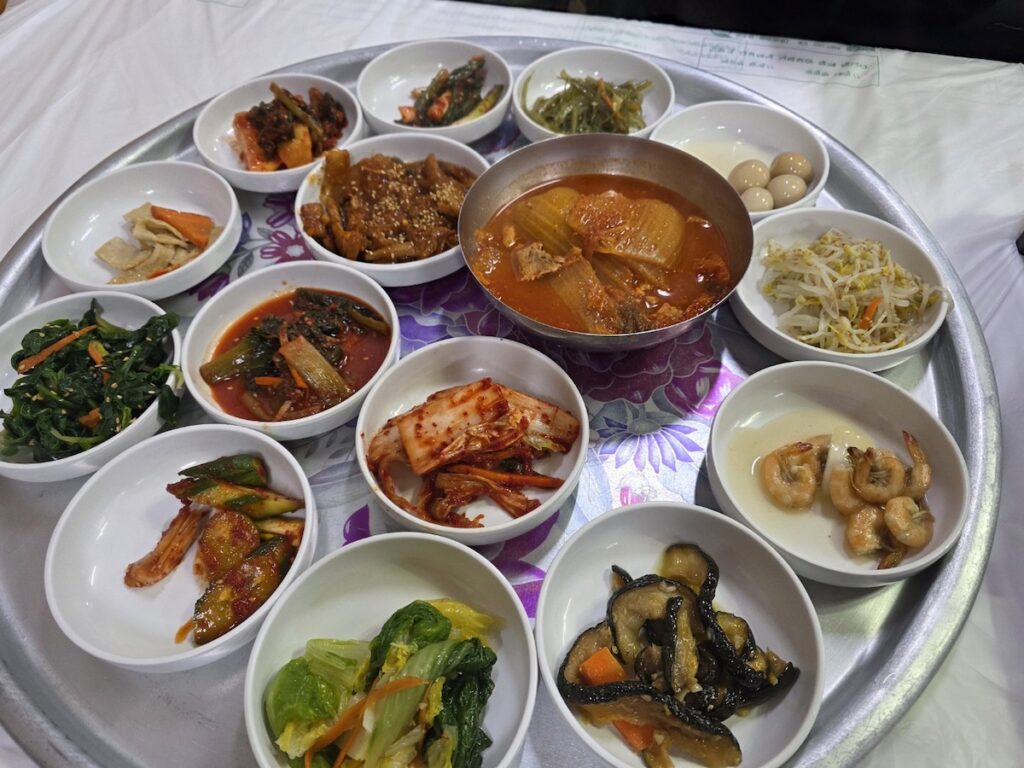
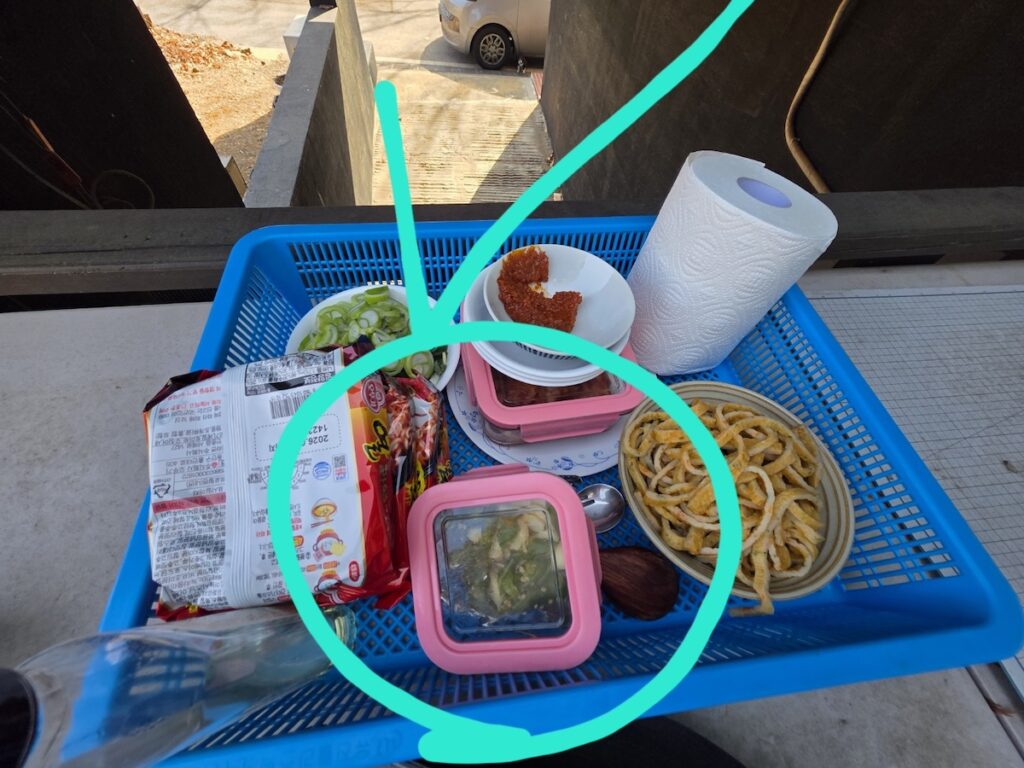
One of the most disappointing aspects of dining in these locations is the lack of “Banchan” (side dishes). The generosity of Korean cuisine is traditionally measured by the variety of free sides served with a meal. In transit hubs, this tradition is often stripped to the bone. You may pay a premium price only to be served a single bowl of transparent soup and a few pieces of radish. This lack of effort in the side dishes is a clear indicator that the restaurant is focused on high turnover rather than quality or guest satisfaction. It is a stark contrast to the rich, authentic dining experiences found just a few blocks away from the station.
Unwelcoming Systems: Pre-payment and Assigned Seating
Another red flag for those trying to learn how to avoid tourist traps in Korea is the presence of a “Pre-payment” (Seon-bul) system in a sit-down restaurant. While common in food courts or fast-food chains, being asked to pay before you eat in a traditional-style restaurant feels unwelcoming and transactional. This, combined with staff who may force you into a specific, cramped seat even when the restaurant is empty, creates an atmosphere of “processing” rather than “hosting.” These systems are designed to ensure no one leaves without paying when their bus is called, prioritizing the restaurant’s security over the diner’s comfort.
The Economics of Hub Dining: Rent and Turnover
To understand why these “traps” exist, one must look at the economics of transit hubs. These locations command some of the highest real estate rents in the city. Consequently, restaurants must maintain incredibly high turnover rates to survive. This pressure is exactly why you encounter pre-payment systems and hurried service. In these zones, you are not just a customer; you are a unit of time. The focus shifts from culinary excellence to speed, which explains why the food often feels mass-produced and the service transactional.
Strategic Alternative: The “5-Minute Walk” Rule
The best way to apply the lesson of how to avoid tourist traps in Korea is to simply step outside the terminal building. In almost every major Korean city, the area immediately surrounding a bus terminal is packed with “real” local restaurants that cater to neighborhood residents and office workers. By walking just 5 minutes away from the main hall, you escape the “terminal premium.” In these surrounding streets, competition is fierce, meaning prices are lower, portions are larger, and the side dishes return to their expected level of abundance and variety.
Modern Exceptions: The Rise of Premium Terminal Malls
It is important to note that not all transit hubs are created equal. Modern complexes like Central City (Seoul Gyeongbu/Honam Terminal) have revolutionized the transit dining experience. These are no longer just bus stations but integrated lifestyle malls. Here, you can find a vast array of high-end franchises and famous restaurant branches that maintain their standardized quality and pricing. If you find yourself in a modern, renovated terminal, choosing a well-known brand inside the complex can be a sophisticated way to enjoy a meal while avoiding the low-quality traps of older, traditional terminal stalls.
The Survival Strategy: Choosing Consistency Over Risk
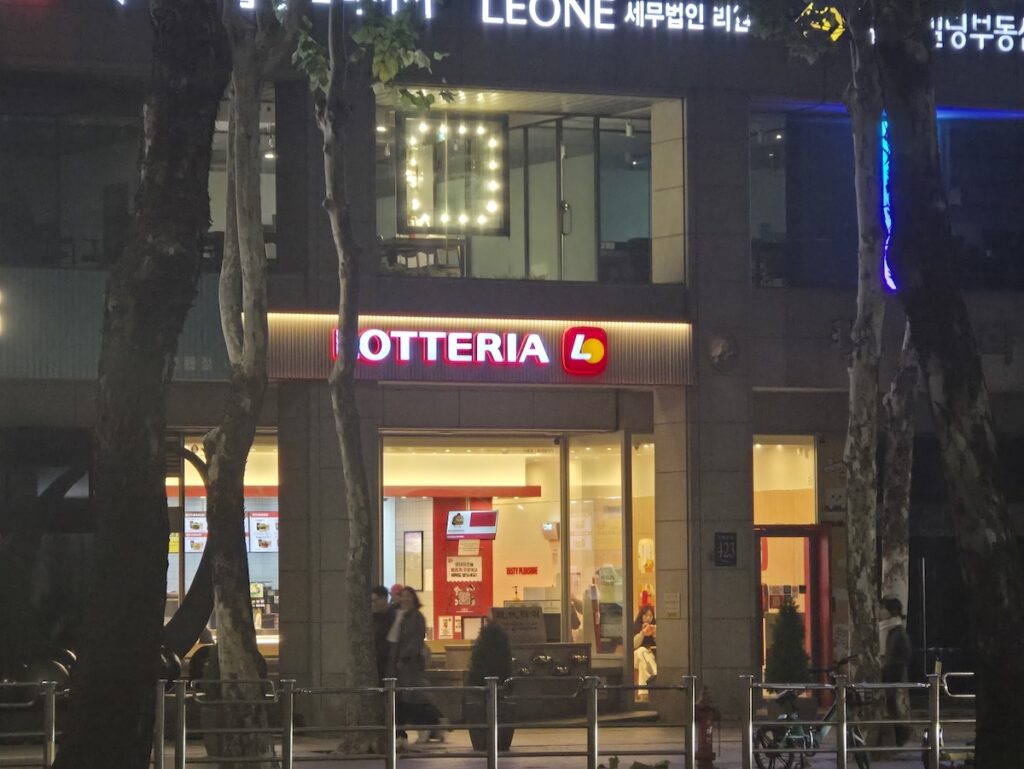
To navigate these transit hubs successfully, the smartest strategy is often the most counterintuitive: Choose the franchise. While it might feel less “authentic” to eat at a well-known chain or a large bakery, these locations provide a level of consistency that local terminal eateries often lack. Franchises maintain standardized pricing and service levels, ensuring you don’t pay an unfair premium just because you are in a bus terminal.
If you truly want an authentic local meal, the best advice is to walk five to ten minutes away from the terminal building. The moment you leave the immediate transit zone, the prices drop, the side dishes become more abundant, and the service regains the warmth that Korean food culture is famous for. Understanding when to seek a “hidden gem” and when to stick to a safe franchise is the ultimate secret to enjoying your culinary journey through South Korea.
Conclusion: Strategy Over Spontaneity at Transit Hubs
Traveling is often about spontaneity and discovery, but when it comes to dining at Korean transit hubs, strategy should always come first. To avoid the disappointment of overpriced meals and lackluster service, follow this simple survival rule: Plan for early arrival or stick to the known.
If you have the luxury of time, arrive at the terminal area 30 to 60 minutes earlier than necessary. This allows you to walk just five minutes away from the terminal building, where you can find authentic local eateries that offer fair prices and the genuine “Banchan” generosity Korea is known for. However, if you find yourself stuck inside the terminal with a ticking clock, don’t gamble on a local stall.
Head straight to a trusted franchise or a modern food hall like Central City. In these high-pressure zones, a consistent burger or a standardized bakery sandwich is a far better investment than a high-priced, low-quality “Tourist Trap” meal. Smart traveling in Korea isn’t just about finding the best places; it’s about knowing when to skip the convenience for the sake of your wallet and your palate.