what is why guide explained: The Call of Traditional Fermentation
It is a strange feeling when your body begins to dictate your lunch menu. In our younger days, we sought out the trendiest fusion pastas or heavy fried dishes, but there comes a point where those flavors feel hollow. This what is why how guide explained that for many Koreans, that turning point is marked by a sudden, intense craving for the deep, earthy funk of Cheonggukjang. It is not just a preference; it is a physical calling for the fermented wisdom that has sustained our ancestors for generations.
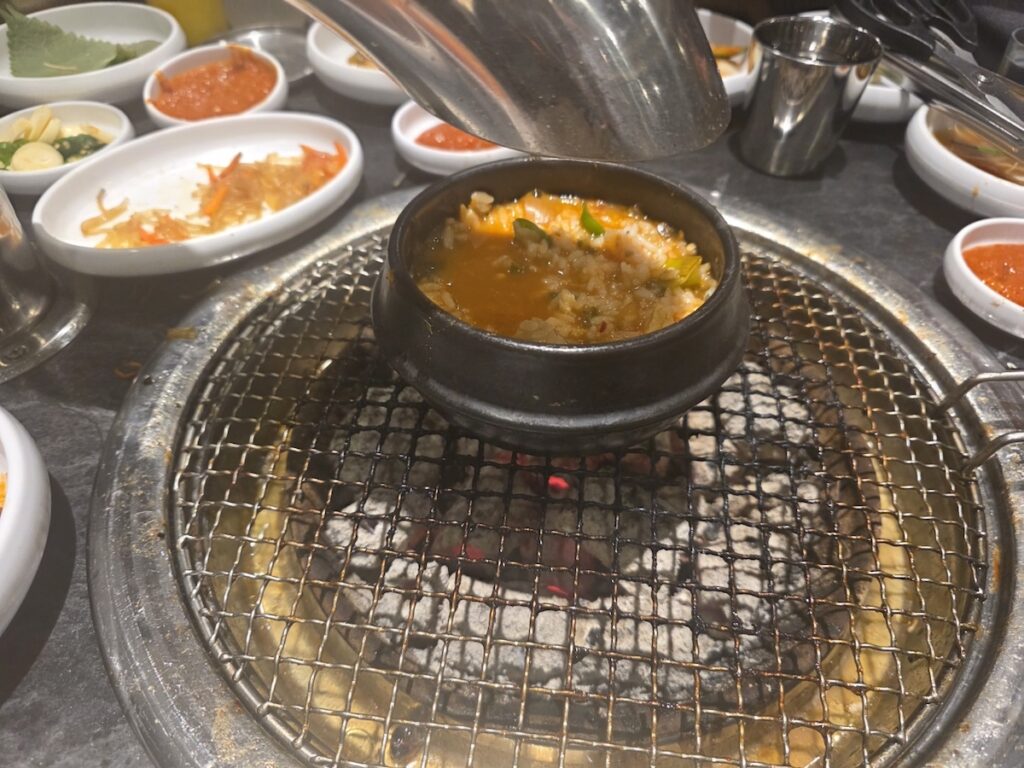
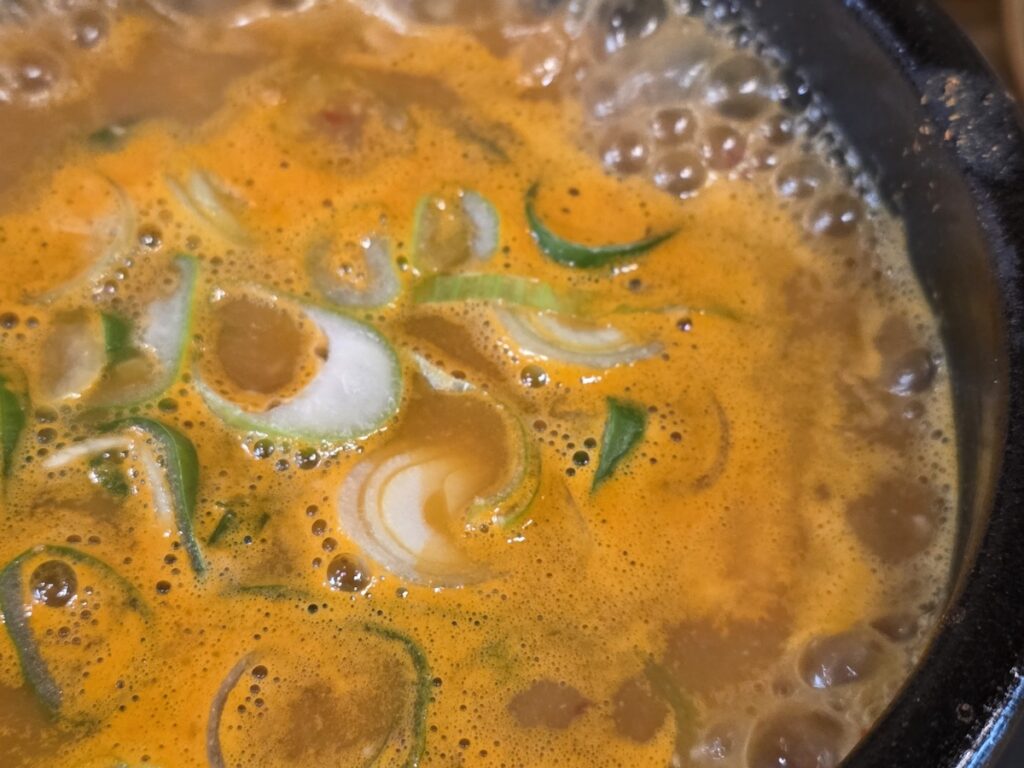
When I meet my old friends for lunch these days, the conversation naturally gravitates toward health and longevity. This what is why how guide explained why we often find ourselves seated at a specialized Cheonggukjang restaurant, watching the thick, muddy stew bubble in a stone pot. There is a silent agreement among us: we know that our aging digestive systems are looking for the massive probiotic boost that only these short-term fermented beans can provide. We talk about how our bodies finally seem to match the complex, pungent profile of the dish—a flavor that felt too heavy in our youth but now feels like a necessary fuel for our well-being.
Watching the steam rise from the pot, I realize that this is more than just a meal. This what is why how guide explained that as we navigate the later chapters of our lives, we are drawn back to the most authentic versions of our culinary heritage. We are no longer chasing the “new”; we are embracing the “essential.” Choosing a bowl of Cheonggukjang with friends is a collective acknowledgment that we are prioritizing our health and honoring the traditional flavors that our bodies have finally learned to truly appreciate.
The Apartment Paradox: A Scent That Pierces Through Concrete
Imagine living in a modern South Korean apartment, where high-tech security and thick concrete walls are supposed to ensure your privacy. Yet, there is one thing no security system can stop: the smell of Cheonggukjang. In Korea, where the majority of the population resides in densely packed apartment complexes, we live with a constant, silent fear of causing inconvenience to our neighbors through smell.
Cooking Cheonggukjang at home is considered a high-risk culinary move. Its powerful, fermented aroma doesn’t just stay in the kitchen; it colonizes the elevator, seeps through the gaps in heavy front doors, and drifts into the hallways. When that unmistakable scent hits you in the corridor, you hear neighbors whispering, Oh, someone’s cooking Cheonggukjang today. In that whisper, there is a complex mix of emotions: a slight envy for the person brave enough to cook it at home, and a shared communal grimace at the intensity of the odor.
This is why, when I meet friends for lunch, we often seek out specialized Cheonggukjang restaurants. We know this food is incredible for our bodies. As we age, we find ourselves naturally drawn back to these traditional flavors, realizing that our bodies crave the deep, fermented wisdom of our ancestors.
Quick Answer: What Is Cheonggukjang?
This what is why how guide explained that Cheonggukjang is a thick Korean stew made from short-term fermented soybeans. Unlike other soybean pastes that take months to mature, Cheonggukjang can be made in just 2 to 3 days. It is famous for its extremely pungent smell—often compared to stinky cheese—but rewarded with a surprisingly creamy and savory flavor. It is a probiotic powerhouse often dubbed the King of Korean health foods.
Related Article
What Is Cheonggukjang? The Science of Fermentation
To understand the core of this what is why how guide explained, you must look at the humble soybean. In Korea, soybeans are the meat of the field. While traditional Doenjang (soybean paste) involves making Meju (dried soybean bricks) and aging them for months, Cheonggukjang is a faster process.
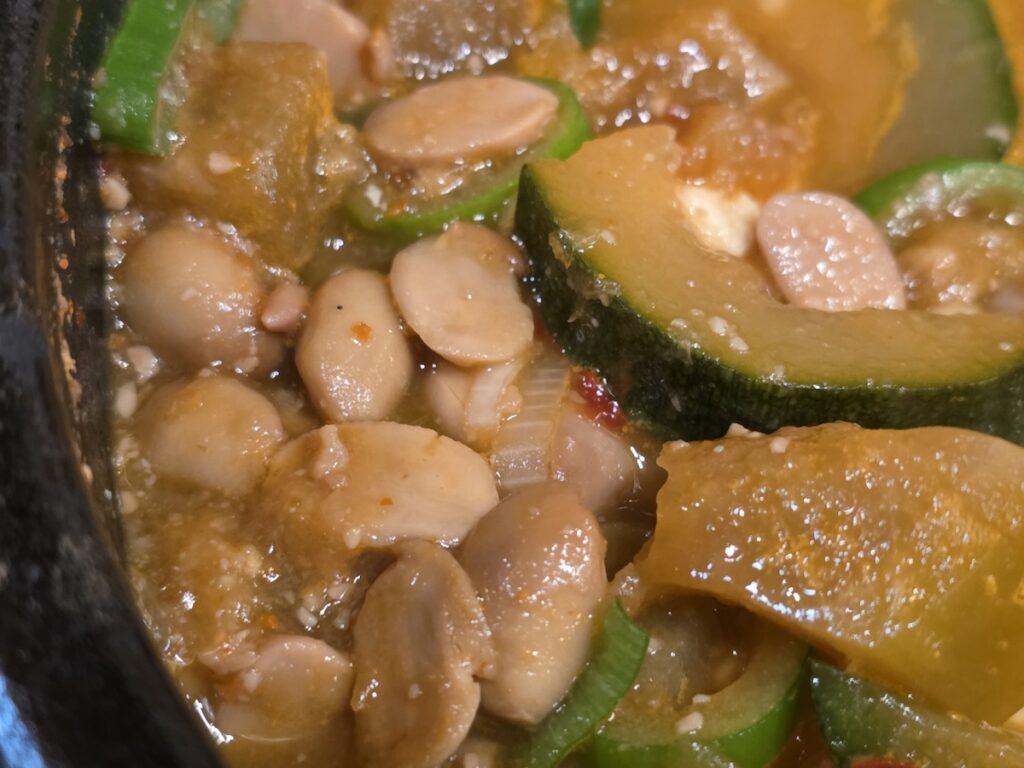
Whole soybeans are boiled until soft, then placed in a warm environment at about 40 degrees Celsius. Traditionally, rice straw was placed between the beans to introduce Bacillus subtilis, a beneficial bacterium. Over 48 to 72 hours, the beans produce a sticky substance—much like Japanese Natto. This process breaks down the soy proteins into easily digestible amino acids, creating its signature smell.
Why Koreans Crave This Pungent Stew
Why do Koreans risk the judgment of their neighbors for a bowl of smelly beans? It is because Cheonggukjang is a bio-active miracle. It is packed with:
- Probiotics: It contains significantly more live bacteria than yogurt, aiding digestion.
- Genistein: A substance known for its anti-cancer properties.
- Vitamin K2 and Calcium: Essential for bone health, especially as we age.
- Nattokinase: Which helps improve circulation by dissolving blood clots.
For Koreans, it isn’t just about the nutrients; it’s about comfort. It is a dish that reminds us of a grandmother’s touch and a time before high-rises.
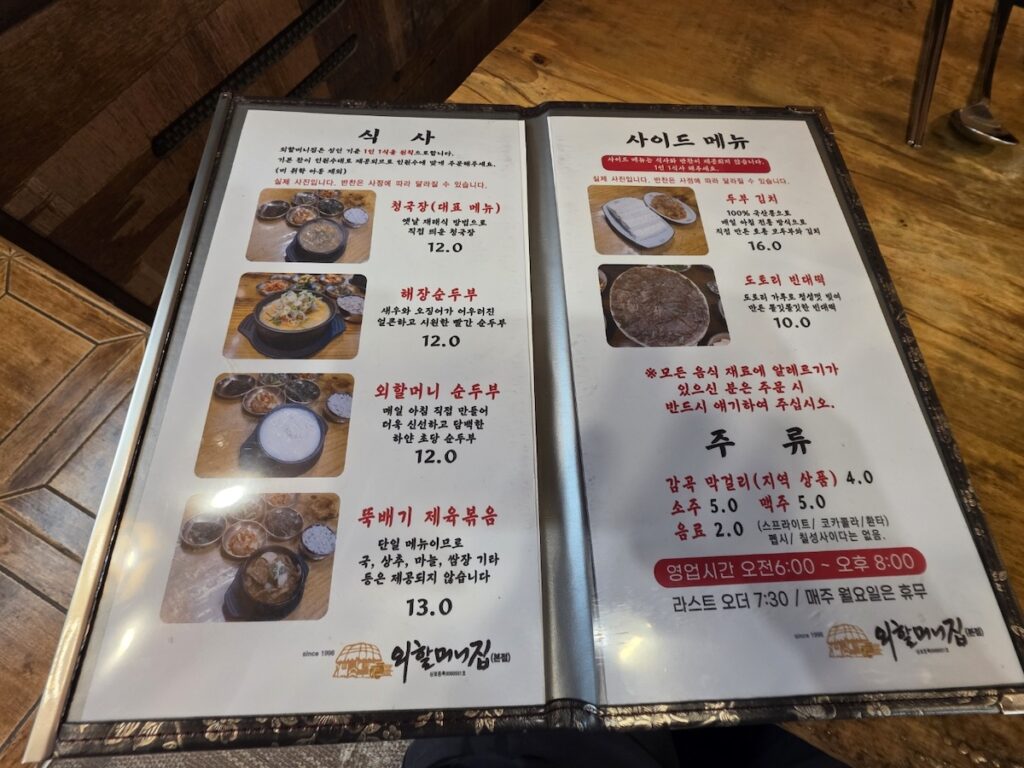
Where to Experience Authentic Cheonggukjang in Seoul
If you want to experience this pungent masterpiece without risking your apartment reputation, Seoul offers several legendary spots. These restaurants are where the tradition stays alive, serving bowls of bubbling soul food to both locals and curious travelers.
Seobyungon Cheonggukjang (Gangnam)
Located in the heart of the busy Gangnam district, this place is a sanctuary for those craving authentic flavors. It is famous for its clean yet deep taste, using soybeans fermented to perfection. Many office workers in the area flock here for lunch, seeking a healthy meal that reminds them of home.
Gwangjang Market Traditional Stalls
For a more raw and cinematic experience, head to Gwangjang Market. Among the rows of street food, you can find small stalls serving Cheonggukjang alongside barley rice (Bori-bap). The lively atmosphere of the market perfectly complements the earthy, fermented aroma of the stew.
Discover More
Celebrity Encounters: Who Loves This Stinky Secret?
The love for Cheonggukjang transcends social status, even reaching global superstars and culinary experts who appreciate the depth of Korean fermentation.
RM of BTS and the Traditional Taste
RM, the leader of the global boy band BTS, has often shared his love for authentic Korean soul food. He has been spotted enjoying traditional meals that include pungent stews like Cheonggukjang. For RM, these dishes represent a connection to his roots and a way to maintain health amidst a grueling global schedule. His endorsement has sparked curiosity among millions of international fans, turning a smelly stew into a cultural trend.
Paik Jong-won: The Scent of Life
The world-renowned chef and television personality Paik Jong-won is perhaps the most vocal advocate for this dish. He famously described the smell of Cheonggukjang as the scent of life itself. During his various food shows, he has visited numerous hidden Cheonggukjang gems across the country, teaching the younger generation that the pungent aroma is not something to be ashamed of, but a badge of culinary sophistication.
Bong Joon-ho: Culinary Inspiration
Even the Oscar-winning director Bong Joon-ho has hinted at his appreciation for the deep, complex flavors found in traditional Korean fermentation. Just as his films have layers of meaning, he views Korean cuisine like Cheonggukjang as a masterpiece of time and nature, where the initial shock of the smell gives way to a profound and satisfying depth.
How to Distinguish Cheonggukjang from Doenjang-jjigae
Many foreigners confuse Cheonggukjang with the more common Doenjang-jjigae. Here is a clear comparison:
| Feature | Doenjang-jjigae | Cheonggukjang |
| Fermentation Time | Several months to years | 2 to 3 days |
| Smell Intensity | Mild to Moderate | Extremely Strong |
| Texture | Smooth liquid base | Thick, chunky with whole beans |
| Main Bacteria | Various molds and yeasts | Primarily Bacillus subtilis |
Related Article
Cultural Insight: The Celebrity Perspective
Even global icons have brought attention to Korea’s traditional soul foods. RM of BTS has been known to enjoy traditional Korean meals, often highlighting the simplicity and health of authentic stews. Furthermore, famous Korean chef Paik Jong-won often mentions that the smell of Cheonggukjang is the smell of life itself, encouraging younger generations to embrace the scent as a badge of culinary depth.
Conclusion: A Pungent Rite of Passage
This what is why how guide explained that Cheonggukjang is more than just a smelly stew; it is a rite of passage for anyone wanting to truly understand Korean food culture. It represents the paradox of modern Korean life—the tension between our hi-tech apartment living and our deep, ancestral connection to fermentation.