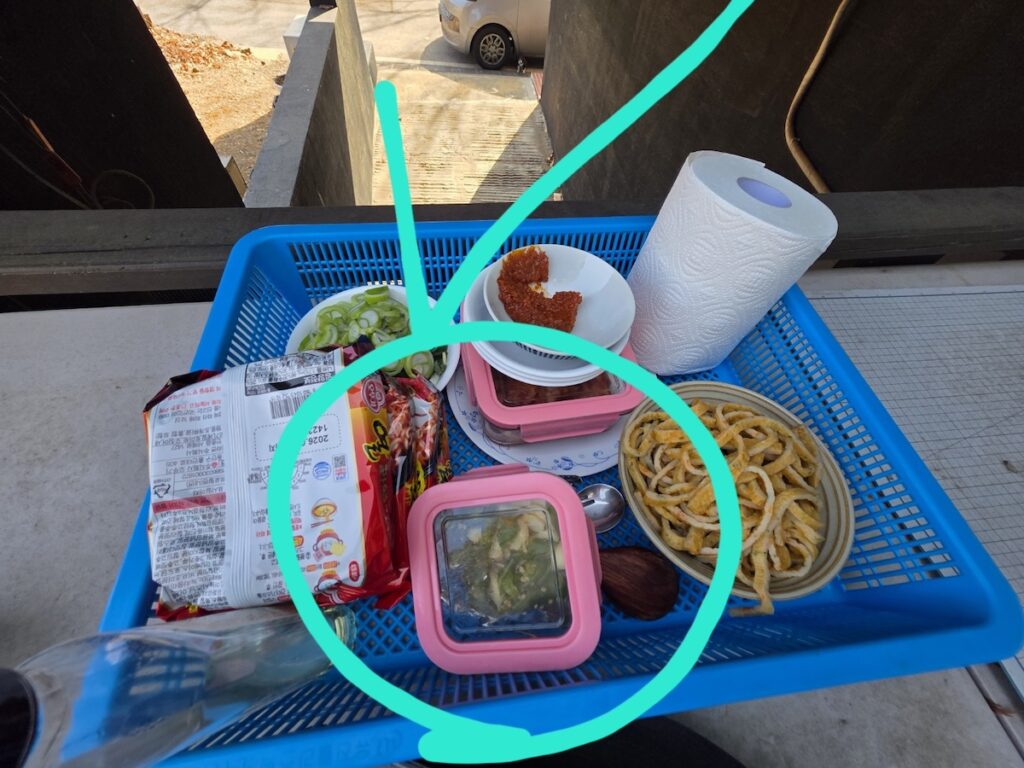
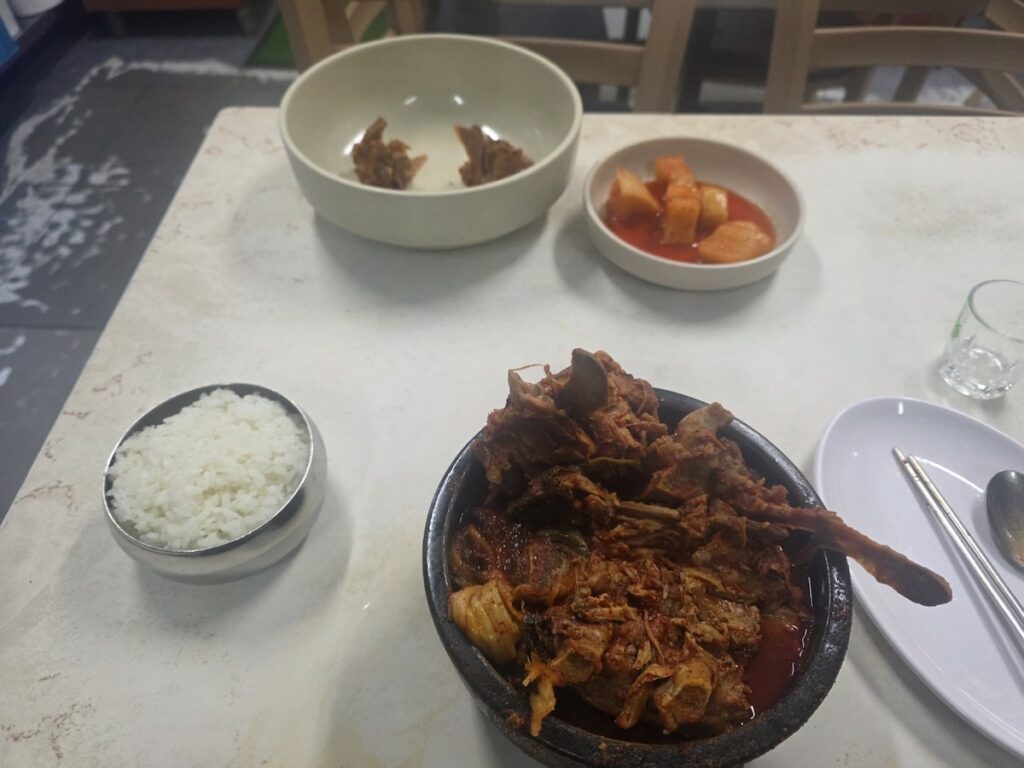
Sharing Food in Korea: The Unspoken Brotherhood of the Boiling Pot
Sharing Food in Korea is a visceral ritual that often traces its roots back to the barracks of the military. For the majority of Korean men who serve, there is a defining period in their lives where the process of Sharing Food in Korea from a single pot is not a choice, but a necessary ritual of survival and bonding. This experience of Sharing Food in Korea during their army years creates a unique psychological landscape where the communal pot becomes a symbol of Jeon-woo-ae (comradeship).
Even in a modern society that obsesses over hygiene, Koreans find a strange sense of security in a pot that is actively boiling on the table. To an outsider, the sight of multiple spoons dipping into one vessel may seem chaotic, but for those who have shared the heat of the trenches, this act of Sharing Food in Korea is the ultimate expression of trust, proving that the fire of the stove is stronger than any individual barrier.
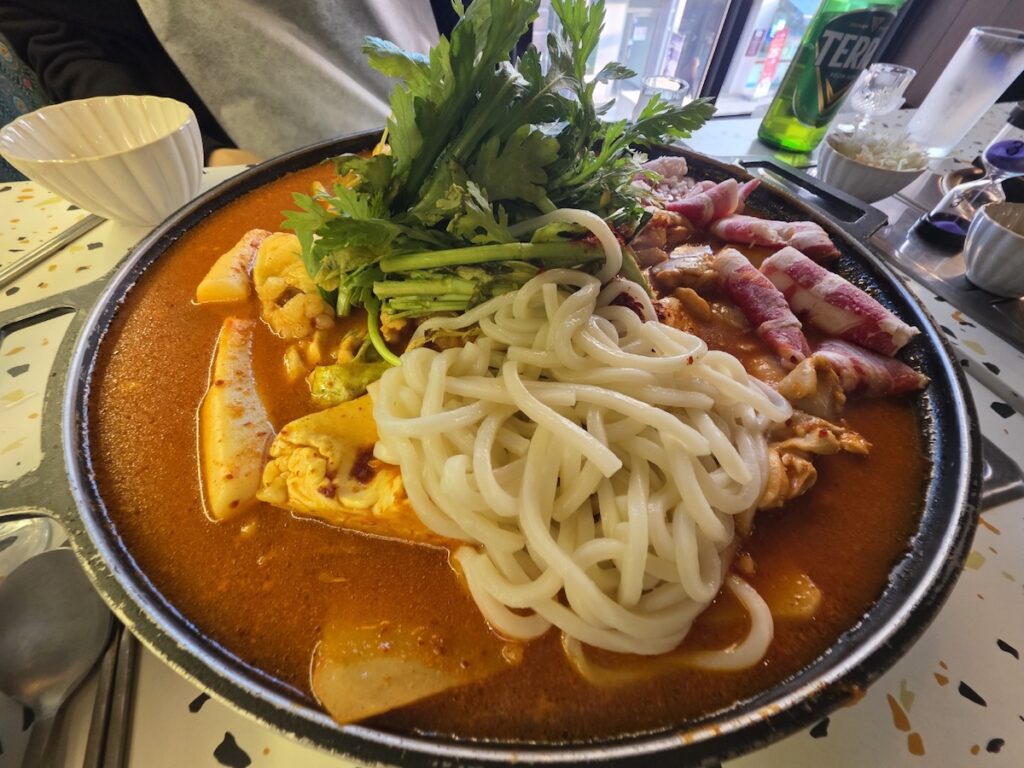
The Secret of the Shared Pot: A Quick Look at Korean Dining Etiquette
Sharing Food from a single pot, specifically jjigae (stew), is a cornerstone of Korean food culture that represents Jeong (emotional bonding). While individual hygiene is highly valued in modern Korea, the act of communal dipping is a symbolic gesture of being family or comrades. It signifies a level of trust where the shared heat of the boiling pot is believed to transcend personal boundaries. Understanding why Koreans embrace this tradition is key to grasping the collective identity and the social fabric of the nation.
What is [Sharing Food] in the Context of Guk and Jjigae?
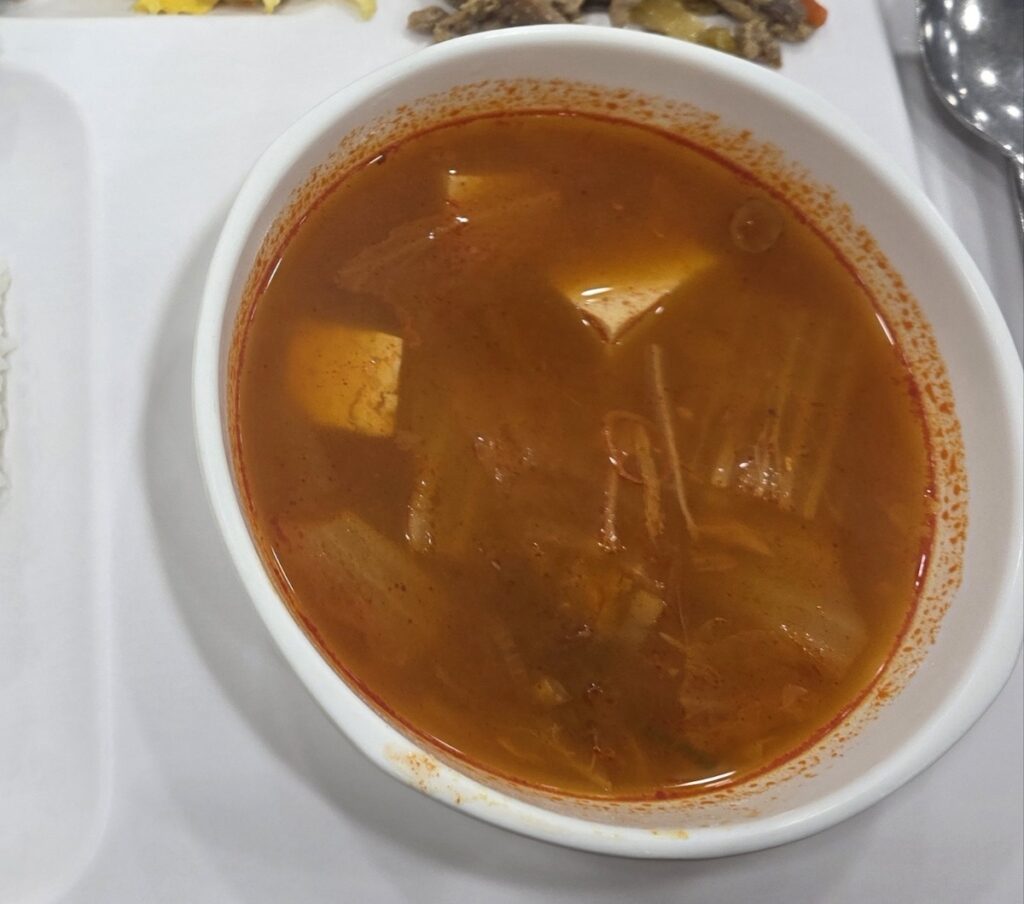
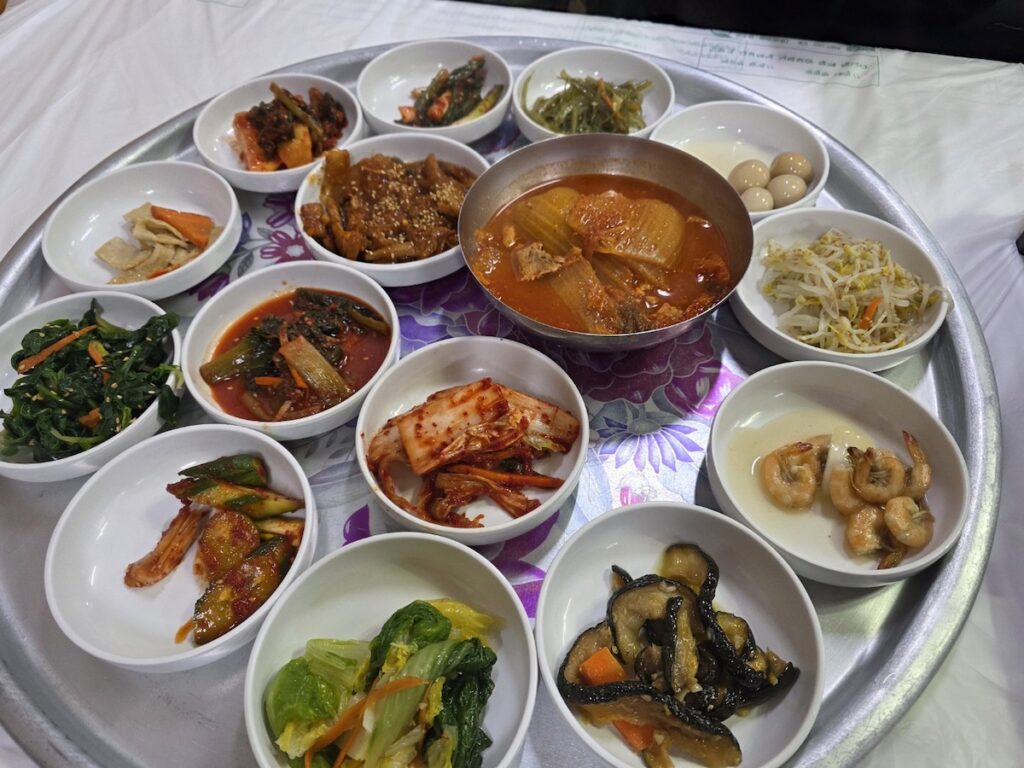
In Korea, there is a vital distinction between Guk (soup) and Jjigae (stew). What is [Sharing Food] usually refers to the latter. While Guk is a private bowl served individually to each person, Jjigae is considered a shared main dish or a collective banchan (side dish). It is placed in the center of the table, often kept at a constant boil. Because it is highly concentrated and savory, it serves as the gravitational center of the meal, meant to be shared by everyone at the table to harmonize the rice and other side dishes.
The Master Level of Korean Etiquette: The Clean Spoon Strategy
Here is where the nuance of Sharing Food becomes truly sophisticated. While dipping a used spoon into a boiling stew is culturally accepted, doing the same to a delicate side dish like Gyeran-jjim (steamed egg) or a cold salad is often considered a major faux pas. In Korea, this is where “Ssense” (social intuition) comes into play.
If a communal dish like a fluffy egg soufflé arrives without a serving spoon, a savvy diner will reach for the cutlery box at the side of the table and pull out a brand-new, clean spoon to use as a communal server. Using your own spoon—which likely has traces of red pepper flakes or rice from your previous bite—is a quick way to ruin the visual and culinary appeal of the shared dish. Mastering the “Clean Spoon” move shows that you respect the shared food as much as the shared relationship.
The Brotherhood of the Boiling Broth: Why Koreans Bond Over One Pot
The roots of this behavior are both historical and psychological. A significant factor is the shared experience of the Korean male population. Over half of the nation serves in the military, where communal living is a rite of passage. In the barracks, Sharing Food from a single pot is not just a choice; it is a necessity that builds a sense of Jeon-woo-ae (comradeship). This mindset of survival and unity spills over into civilian life. Furthermore, there is a practical thermal logic: most communal stews are served on an active flame. Koreans subconsciously feel that the constant boiling acts as a natural sterilizer, making the act of Sharing Food feel safer and more acceptable than it might appear to an outsider.
Beyond Hygiene: What Sharing a Meal Truly Feels Like in Seoul
For a foreigner, the first experience of communal dipping can feel like a test of cultural endurance. You might find yourself hovering your spoon, unsure if you should dive in. However, once you take that first sip from the shared pot, the atmosphere of the table changes. It feels less like a formal dinner and more like a tribal gathering. You realize that by Sharing Food in this way, your Korean companions are saying, “You are one of us.” It is an intensely warm, inclusive feeling that breaks down the cold walls of Western individualism.
Cultural Insight: The Philosophy of Uri Over Individualism
This behavior highlights a fascinating contrast. In Western culture, the plate is a sacred boundary of the self. Crossing it is an invasion of privacy. In Korean food culture, the center of the table is a commons. Sharing Food reflects the Confucian value of Uri (We/Us) over Na (I/Me). While the West prioritizes the hygiene of the individual body, Korea historically prioritizes the hygiene of the relationship. To refuse to share the pot was traditionally seen as keeping someone at a distance—a signal that you are not yet true friends.
How to Experience Communal Dining with Comfort and Respect
If you want to try this but are still worried about hygiene, do not worry—modern Korea is very accommodating. You are never forced into Sharing Food if you are uncomfortable, and you can always maintain your personal space.
Practical Tips for the One-Pot Table
| Situation | Action/Tip | Cultural Note |
| With Close Friends | Dive in with your spoon. | This is the ultimate sign of Jeong and trust. |
| Business Meetings | Use the provided ladle (guk-ja). | Even Koreans use individual bowls in formal settings now. |
| Feeling Uncomfortable | Politely ask for a small bowl (ap-jeopsi). | It is perfectly acceptable to ask for your own plate. |
| Active Flame | Let it boil for a minute before eating. | This provides the mental sterilization Koreans trust. |
The Curated Edit: Related Cultural Experiences
Culinary Skillset
Mastering the delicacy of the silver belt fish:
Traditional Healing
A spicy twist on Korean sweetness:
Final Thoughts: Why Sharing Food is the Ultimate Gesture of Friendship
Sharing Food in Korea is not an act of hygiene negligence; it is an act of social weaving. It is the culinary equivalent of a warm handshake that lasts the entire meal. By understanding why Koreans share the same spoon, you unlock a deeper level of connection with the people. While you are never forced into Sharing Food if you are uncomfortable, giving it a try might just be the moment you stop being a tourist and start being a friend.