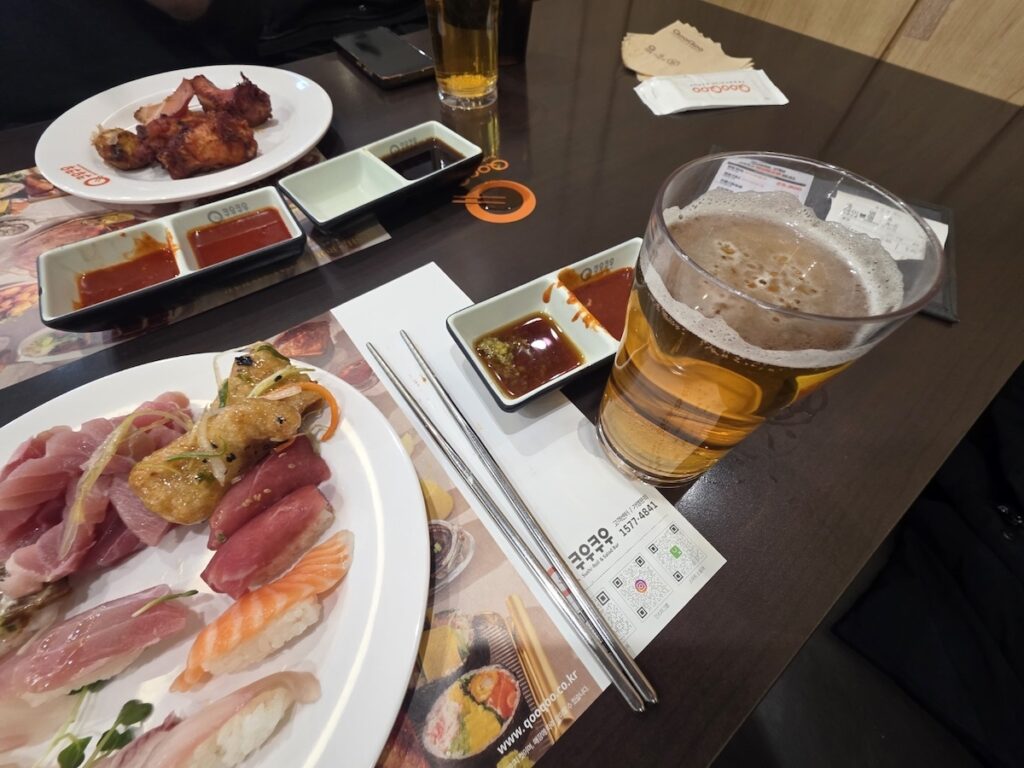
The Korean Raw Fish Ssam Ritual is often a point of cultural confusion for travelers accustomed to the minimalist purity of Japanese sashimi. When you sit at a traditional Korean wharf-side restaurant, you won’t just see a simple plate of fish; you will see a vibrant array of perilla leaves, raw garlic, and explosive red sauces. To a purist, wrapping a pristine piece of Gwang-eo (Flounder) in a leaf might seem like “masking” the flavor, but in the Korean Raw Fish Ssam Ritual, we are actually performing a sophisticated layering of textures and nutrients that elevates the raw ingredient to its highest biological and culinary potential.
Is it Considered Polite or Normal?
This initial confusion is the primary barrier. In Korea, this isn’t masking; it’s maximizing. The Korean raw fish experience, or Korean Raw Fish, is not just about the fish; it’s about the “Ritual of Harmony.” The textures and flavors aren’t meant to compete; they are meant to merge into a singular, explosive moment of umami. So yes, not only is it normal, but it is also the right way to experience the soul of a Korean coastal table.
The Core WHY: The Symphony of Texture and Flavor
The reason we wrap our Hoe in Korean Raw Fish (쌈) is deeply rooted in our love for complex sensory experiences. While Westerners appreciate a clean filet, Koreans find beauty in the interaction of earth and sea.
Beyond Soy Sauce: The Chogochujang Revolution
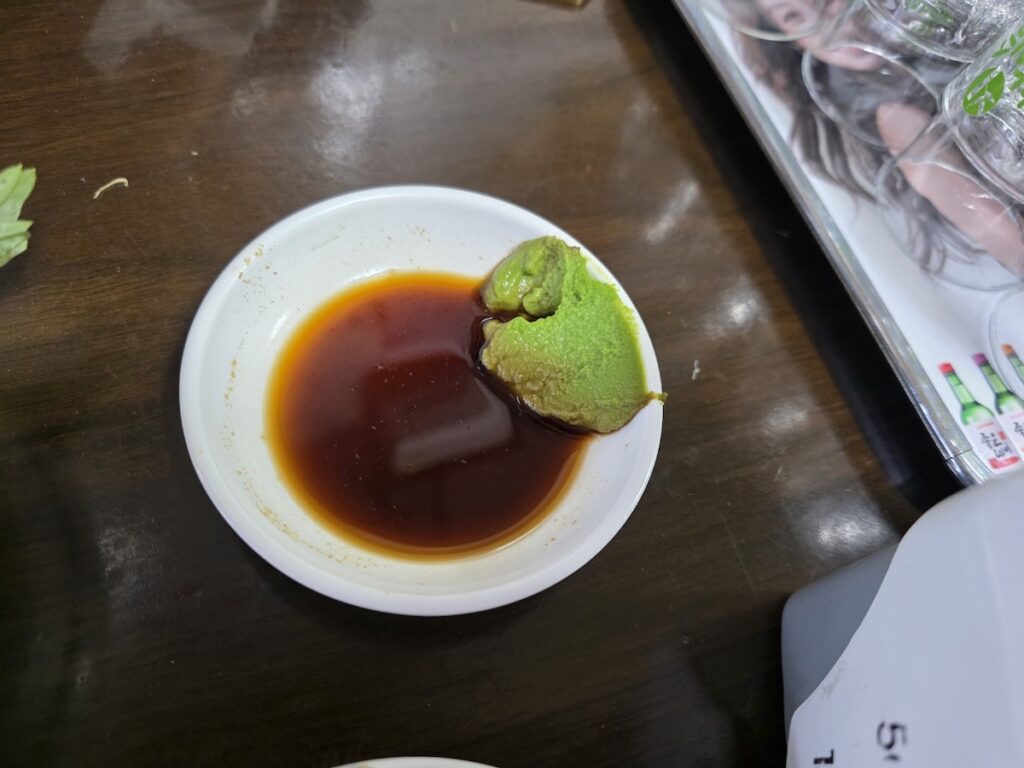
Look closely at the sauces on the table. Beyond the simple soy-and-wasabi dip, you will find the dynamic Chogochujang (초고추장). This vinegared gochujang provides an instant burst of acid and heat that white fish, typically bland on its own, desperately craves. This acidic reaction is what “cooks” the fish on your tongue, changing its texture and flavor profile instantly.
The Ultimate Umami: Ssamjang with Sesame Oil
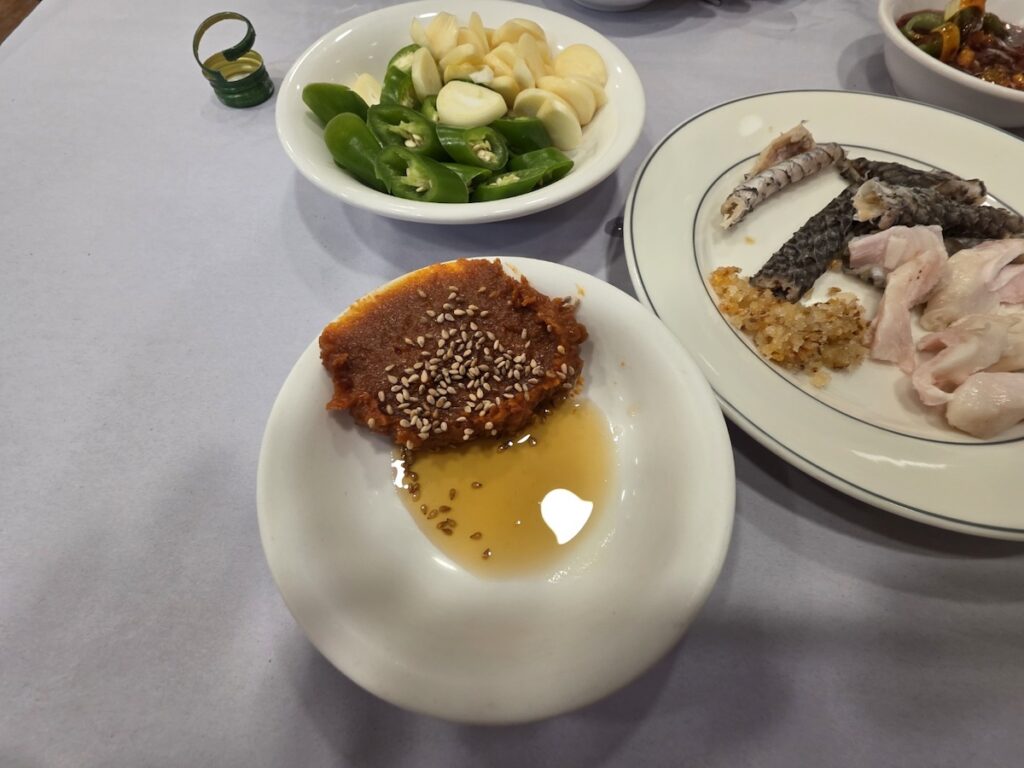
But the true king of the Korean table is the Ssamjang—a fermented soybean paste—enhanced with a rich, velvety pool of Sesame Oil (참기름). When this deep, savory sauce is layered onto the fish, it creates a nutty depth that soy sauce cannot replicate. It transforms the experience from minimalist sashimi to a maximalist celebration of Korean fermentation.
Is it Difficult to Eat? A Guide for Beginners
A final concern for foreign guests: “Isn’t it messy? How do I even build a proper Ssam?”
How to Perform the Ssam Ritual
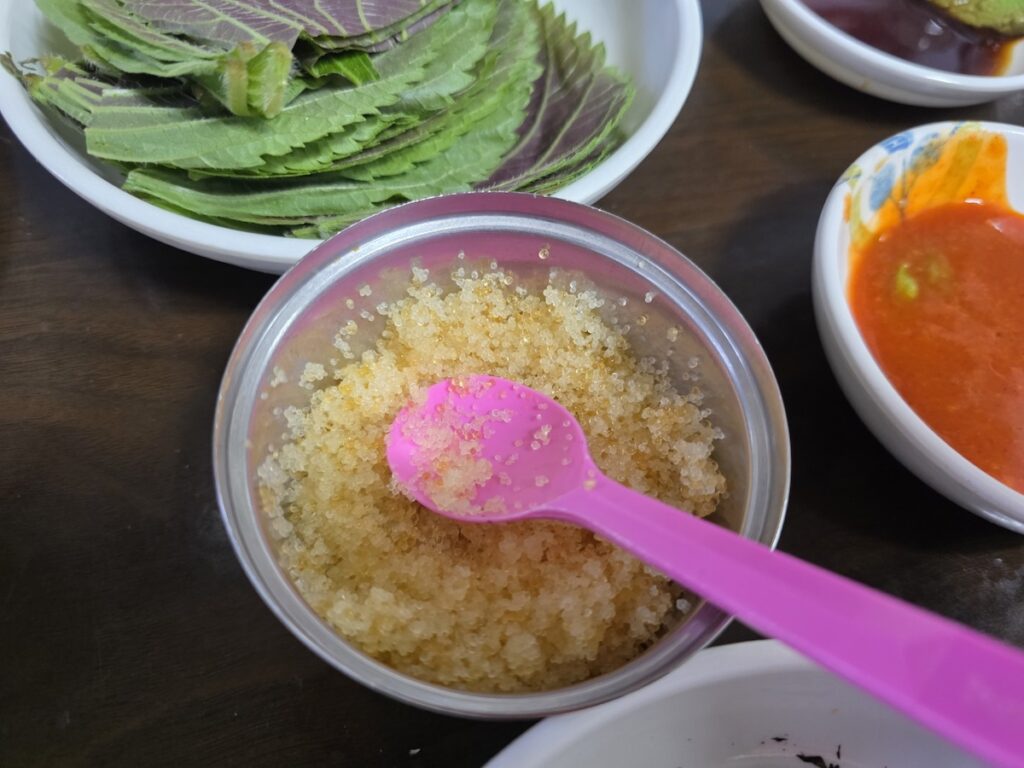
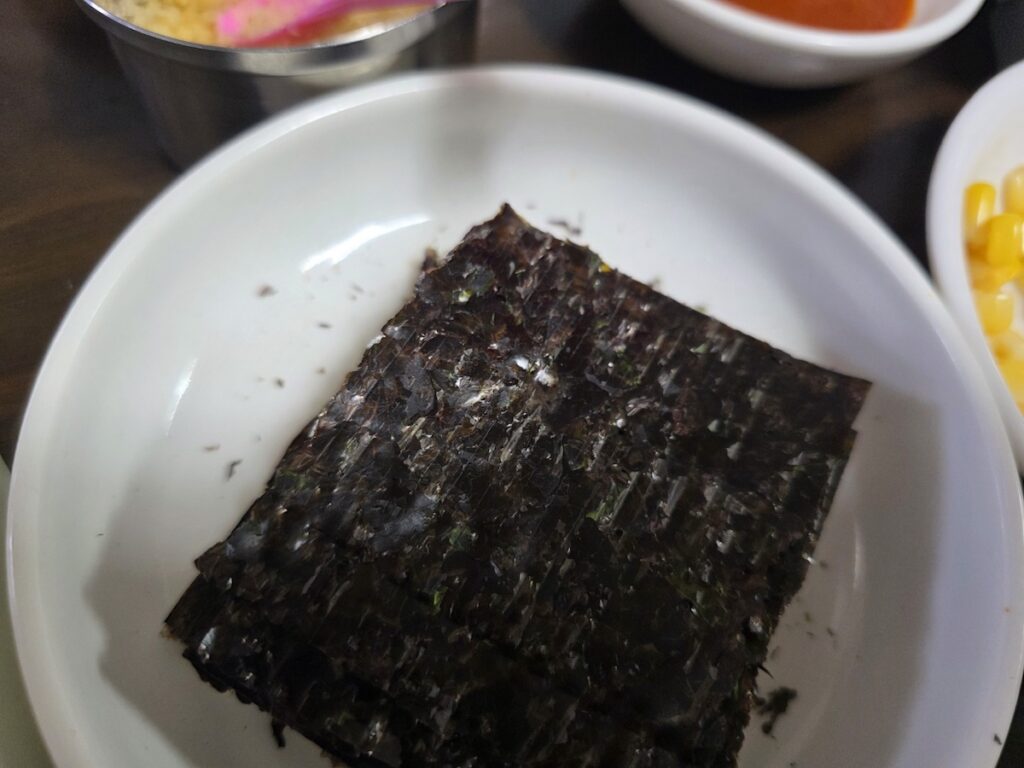
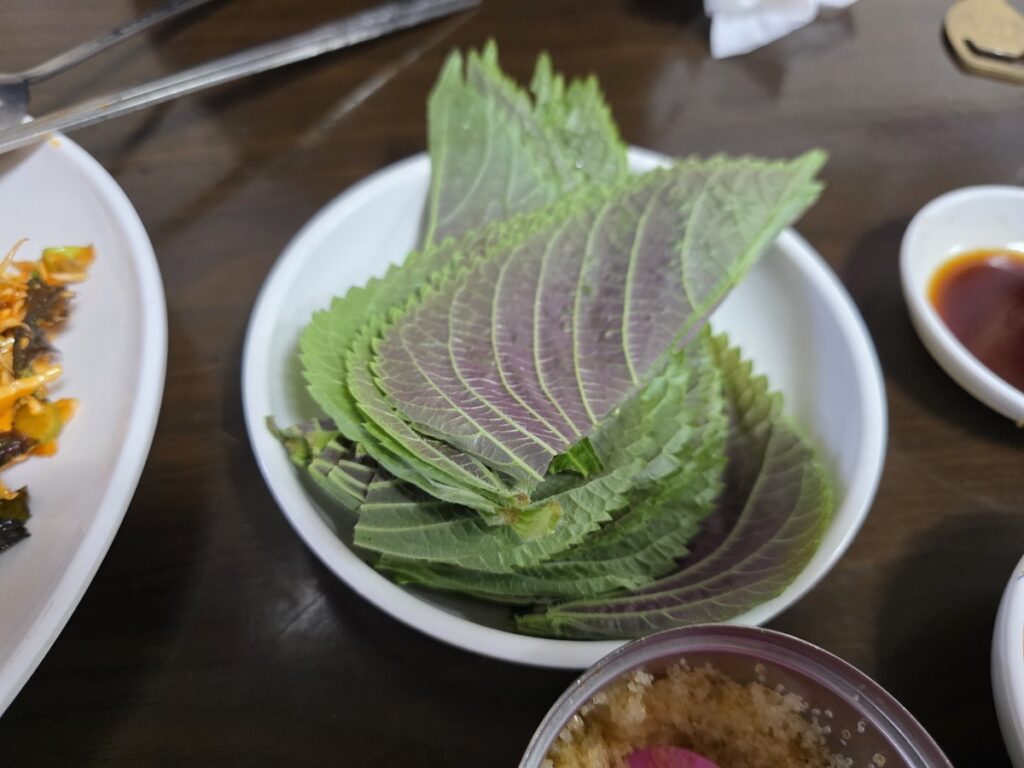
It is not messy if you have a plan. Start with a sturdy base like a Perilla Leaf. Add a piece of Gim (dried seaweed) for an extra layer of salt and crunch. Choose your fish, add a dollop of Chogochujang and Ssamjang, and then—for the critical element—add a slice of raw garlic and green chili. This provides a cleansing “kick” that cuts through any fishiness, leaving your palate refreshed for the next bite. Don’t worry about garlic breath; on a Korean raw fish night, everyone is in it together.
The Seasonal Calendar: Mastering the Ritual of Korean Raw Fish
To truly experience the Korean Raw Fish Ssam Ritual, you must follow the rhythm of the ocean. Unlike the static menu of a globalized sushi chain, the Korean table shifts with the seasons. Pairing the right fish with its peak season and its ideal “Ssam Partner” is the mark of a sophisticated diner.
The Seasonal Guide to Korean Raw Fish
| Season | Fish Name (English/Korean) | Best Months | Flavor Profile | Best Ssam Partner |
| Spring | Dodari (Flounder) / 도다리 | March – May | Delicate, sweet, and firm. | Perilla Leaf + Ssamjang |
| Summer | Nong-eo (Sea Bass) / 농어 | June – August | High protein, refreshing, and clean. | Lettuce + Chogochujang |
| Autumn | Jeon-eo (Gizzard Shad) / 전어 | Sept – Nov | Extremely oily, nutty (Eat with bones). | Perilla Leaf + Ssamjang + Garlic |
| Winter | Bang-eo (Yellowtail) / 방어 | Dec – Feb | Rich, fatty, similar to premium Toro. | Gim (Seaweed) + Baek-kimchi |
The Best Fish for the Ssam Ritual: Why Season Matters
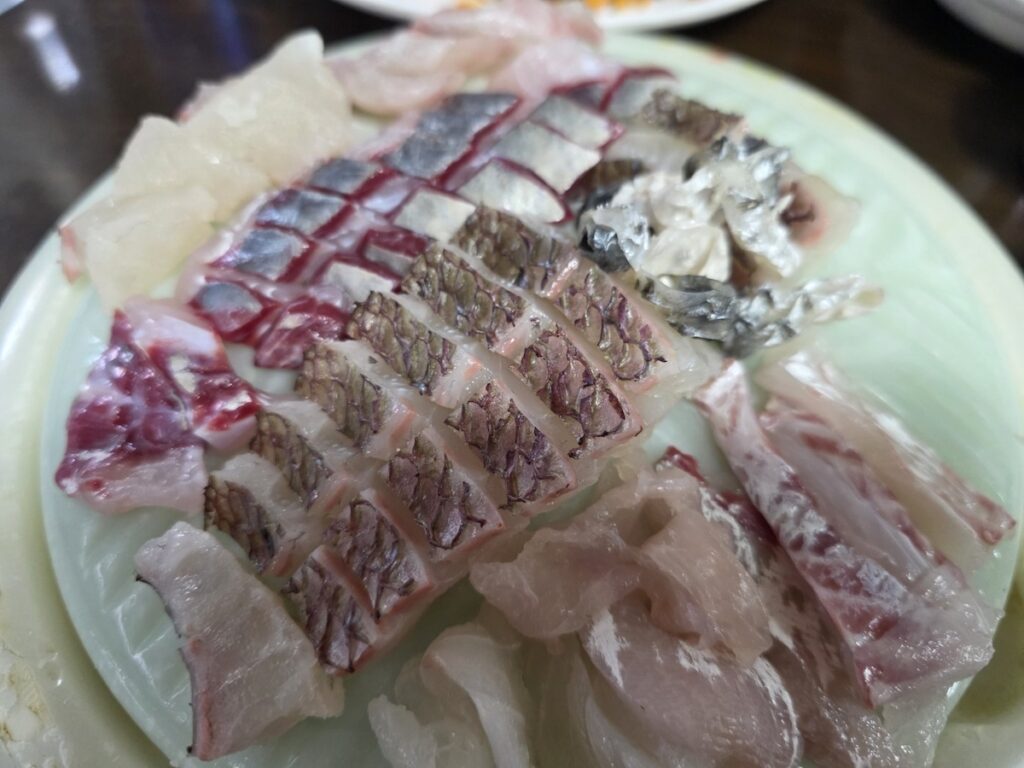
Each fish has a specific density and oil content that dictates how it should be wrapped. Following this seasonal guide ensures you get the maximum Nutritional Synergy and flavor.
Spring: The Delicate Awakening with Dorari
In spring, we seek the Dorari (도다리). After a long winter, this fish gains a subtle sweetness. Because it is a lean, white-fleshed fish, it pairs perfectly with the bold, herbal notes of a Perilla Leaf. The leaf doesn’t mask the spring flounder; it provides a structural stage for its delicate texture.
Summer: Refreshing Vitality with Nong-eo
Summer in Seoul is humid and exhausting. Nong-eo (농어) is the traditional choice for restoring stamina. Its meat is firm and resilient. We recommend wrapping this in a crisp, watery Lettuce leaf with a generous dollop of Chogochujang. The acidity of the sauce combined with the cooling nature of the lettuce creates a refreshing ritual that combats the summer heat.
Autumn: The Nutty Intensity of Jeon-eo
There is a Korean proverb that says the smell of grilling Jeon-eo (전어) brings back a runaway daughter-in-law. When eaten raw, it is exceptionally oily and rich. This is where the “Heavy Ssam” ritual begins. You must use a Perilla Leaf and add a large slice of Raw Garlic. The garlic’s allicin is crucial here to break down the heavy oils of the autumn fish, ensuring smooth digestion.
Winter: The Fatty Luxury of Bang-eo
Winter belongs to the Bang-eo (방어). This is the “King of Winter” in Korea. Its high fat content makes it incredibly silky. Instead of a green leaf, the ritual often involves Gim (Dried Seaweed) and Baek-kimchi (White Kimchi). The acidity of the white kimchi cuts through the heavy fat, while the seaweed provides a salty, crunchy finish that mimics the luxury of a high-end sushi experience, but with a uniquely Korean soul.
Related Guides: Explore the Depths of the Korean Table
The precision of the Korean Raw Fish Ssam Ritual extends beyond the fin. Discover the tender mastery of Jeju’s octopus “Sukhui” and how the briefest encounter with boiling water creates a texture that rivals the finest winter Bang-eo.
To perform the ritual, you need the freshest canvas. Journey into the heart of Seoul’s Garak Market to source the seasonal treasures mentioned in our guide, from spring Dodari to the fatty luxury of winter giants.
While Hwe represents the delicate side of the Korean Raw Fish Ssam Ritual, the world of fire-grilled meats offers a bolder, robust wrapping experience. Learn how the same perilla leaf principles apply to the smoky intensity of Dakgalbi.
The “Explosive Sauce Trio” is the engine of the Korean meal. Deepen your understanding of the fermentation science behind the Ssamjang and Chogochujang that make the raw fish ritual a biological and culinary masterpiece.
The Nutritional Synergy: A Scientific Defense of the Ssam Ritual
Beyond the explosive flavors, the Korean raw fish ssam ritual is a masterpiece of nutritional engineering. When we wrap a piece of raw Gwang-eo (Flounder) or Urok (Rockfish) in a vibrant perilla leaf, we are performing a sophisticated biological optimization. This isn’t just a tradition; it is a calculated defense of metabolic health.
Neutralizing the “Cold” Nature of Raw Fish
In traditional Eastern medicine, raw fish is classified as having a “cold” nature, which can slow down digestion and lower the body’s internal temperature. From a modern scientific perspective, raw proteins are more labor-intensive for the stomach to break down compared to cooked versions.
The Role of Allyl Sulfide in Garlic and Chili
Look at the raw garlic and green chili on your table. These aren’t just for a spicy kick. Garlic contains high concentrations of Alliin, which converts to Allicin when sliced. This sulfur-based compound stimulates the secretion of digestive enzymes and increases blood flow to the stomach lining. By pairing raw fish with these “warm” aromatics, you are essentially pre-heating your digestive engine, ensuring the lean proteins are processed efficiently without causing metabolic sluggishness.
Perilla Leaves: The Natural Antidote to Foodborne Risks
The choice of Perilla Leaf (깻잎) as a base is perhaps the most scientifically brilliant part of the ritual. Unlike lettuce, perilla contains a high concentration of Perillaldehyde—the organic compound responsible for its unique, minty aroma.
Perillaldehyde as a Natural Sterilizer
Perillaldehyde has potent antimicrobial and antifungal properties. When you consume raw fish, there is always a microscopic risk of bacteria. The perilla leaf acts as a first-line defense, neutralizing potential pathogens before they reach the gut. Furthermore, the leaf is incredibly rich in Vitamin K and Beta-carotene, which are fat-soluble. When these vitamins meet the natural Omega-3 fatty acids in the fish, their absorption rate into your bloodstream skyrockets. This is the definition of a “Superfood Synergy.”
The Chlorophyll and Fiber Buffer: Managing Uric Acid
Raw fish, particularly red-fleshed varieties, contains purines which can lead to the production of uric acid. For sophisticated travelers concerned about joint health or metabolic syndromes, the ssam ritual provides a necessary buffer.
Alkaline Buffering and Heavy Metal Detox
The massive dose of chlorophyll and insoluble fiber in perilla leaves and lettuce provides an alkaline buffer to the acidic nature of high-protein raw fish. This fiber also binds to potential pollutants found in seafood, such as heavy metals (mercury or lead), helping to usher them out of the digestive system before they can be absorbed. By eating your fish with a large volume of greens, you are essentially performing a “mini-detox” with every single bite.
Related Insights: Deepen Your Understanding of Korean Food Science
The Korean Raw Fish Ssam Ritual is the cornerstone of lean dining. Discover how the high-protein, low-calorie profile of seasonal Hwe, combined with high-fiber perilla leaves, creates the ultimate fat-burning feast without sacrificing the joy of a full table.
The Ssamjang and Chogochujang used in your fish ritual are living medicine. Explore the complex probiotic landscape of Korea’s fermented sauces and how they actively repair the microbiome while you enjoy the freshest catch of the season.
Understanding the elastic “Kkeut-mat” of raw flounder requires a deeper look into the Korean obsession with texture. Learn why the western vocabulary for food fails to capture the sophisticated chewiness that defines the high-end Hwe experience.
While the Korean Raw Fish Ssam Ritual celebrates the raw and the cold, the ancient art of firewood cooking masters the transformative power of heat. Complete your culinary journey by witnessing how fire and earth create the rustic foundations of the Korean soul.
Conclusion: The Biological and Cultural Symphony of Korean Raw Fish
The Korean Raw Fish Ssam Ritual is far more than a simple variation of sashimi; it is a profound intersection of seasonal intelligence and biological optimization. While the global palate is often trained to seek the minimalist purity of a soy-sauce dip, the Korean table invites the sophisticated traveler to a maximalist celebration of Korean Raw Fish. By layering the freshest seasonal catch—from the sweet Dodari of spring to the fatty luxury of winter Bang-eo—within the protective and nutrient-dense embrace of a perilla leaf, you are participating in a culinary tradition that prioritizes both flavor and digestive health.
This ritual is a testament to the Korean philosophy of Harmony (Jeohwa). It is where the “cold” nature of raw protein is balanced by the “warmth” of garlic and chili, and where the potential risks of the sea are neutralized by the natural antimicrobial properties of the perilla leaf. When you perform the Ssam Ritual, you aren’t just eating; you are engineering a perfect bite that respects the anatomy of the fish and the complex needs of the human body.
So, the next time you find yourself at a bustling seafood market in Seoul, do not fear the bold sauces or the raw aromatics. Embrace the Chogochujang, trust the Ssamjang with Sesame Oil, and build your wrap with confidence. In the crunchy, spicy, and succulent explosion of a single Ssam, you will discover the truest, most scientific, and most soul-stirring flavor of the Korean ocean.