Korean street food beondegi is perhaps the most polarizing yet culturally significant snack you will encounter in the heart of Seoul. As a manager navigating the complexities of 2026, my weekends often involve a quiet ritual that bridges the gap between my professional life and family tradition.
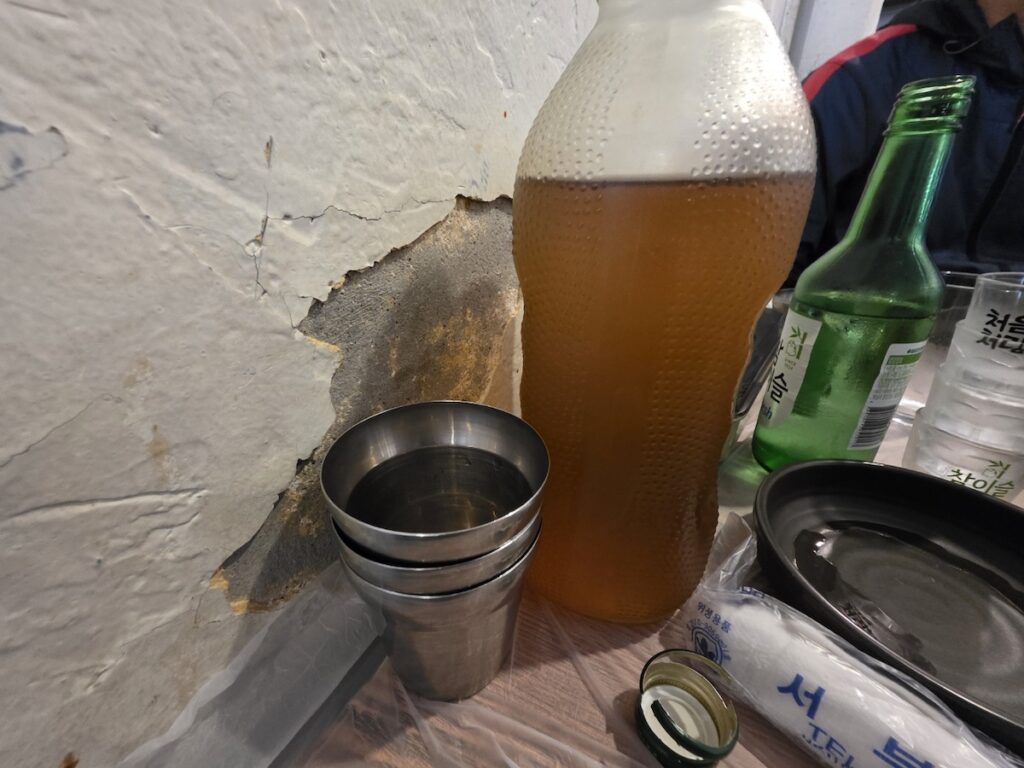
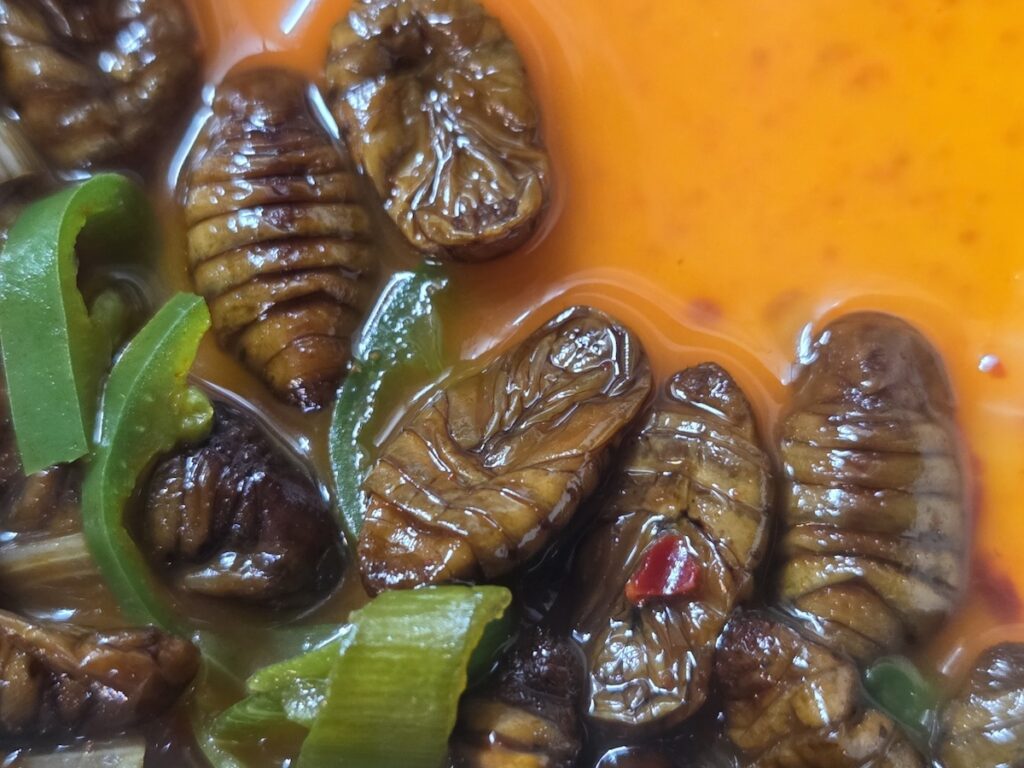
My father, a man of simple pleasures, frequently enjoys a glass of Soju, and it is my self-appointed duty to provide the perfect accompaniment. Despite my humble culinary skills, I find myself standing over a steaming pot of canned silkworm pupae, preparing a “Manager’s Special” stew.
However, my relationship with this Korean street food beondegi is a delicate dance; after watching a thought-provoking EBS documentary about the life cycle of these insects, I confessed to myself that this dish remains a psychological challenge. Yet, in the spirit of “Jung“—that deep-rooted Korean affection—I continue to serve it, realizing that this cinematic “Midnight Run” of flavor is an essential part of our shared history.
The Ubiquity of the Steam: A Staple of Korean Streets
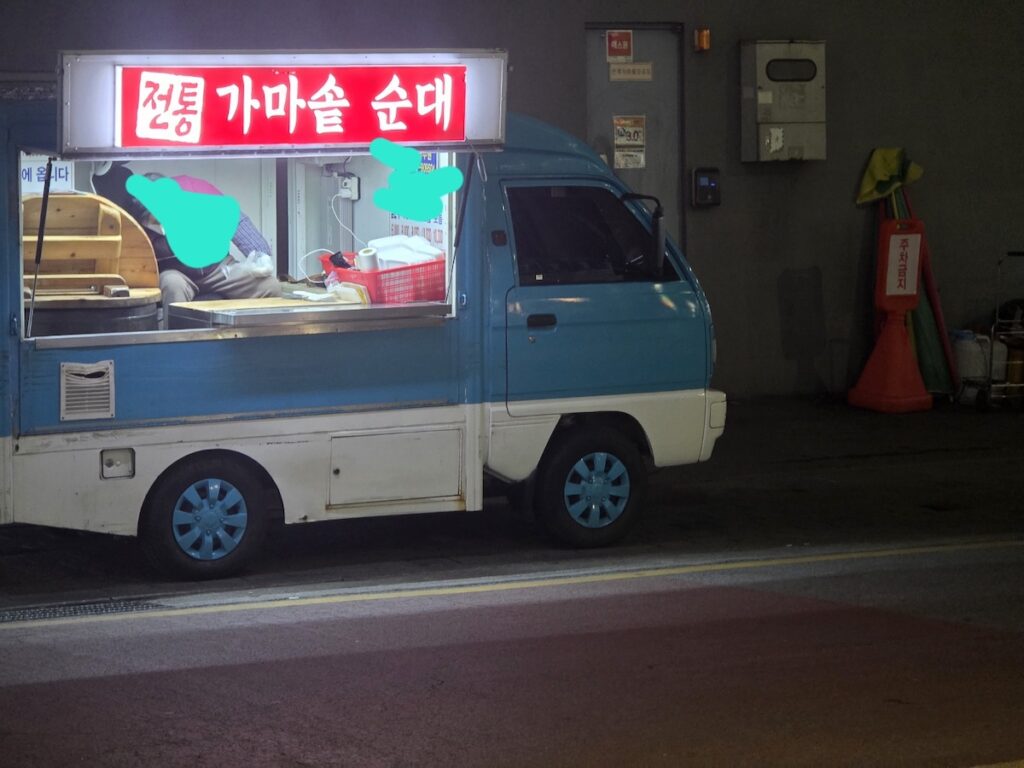
If you walk through any traditional market or public park in South Korea, you will encounter a distinct, savory, and earthy aroma wafting through the air. This is the scent of Korean banchan in its most mobile form. Beondegi is incredibly popular and accessible across the nation. It is a common sight to see a street vendor hovering over a large, steaming vat, serving these pupae into small paper cups. For locals, it is a nostalgic snack; for visitors, it is an initiation.
The Paper Cup Ritual: A Lesson in Slow Snacking
The authentic way to experience beondegi is not with a fork or a spoon, but with a humble toothpick. Served in a small, white paper cup, you pick them up one by one. This slow, methodical pace allows you to appreciate the unique texture—a slight crunch followed by a burst of savory, nutty juice. It is a cinematic experience that forces you to slow down and engage with the food, a stark contrast to the rapid-fire nature of modern Seoul life.
From Screen to Street: Iconic Beondegi Moments in K-Media
For many international fans, their first encounter with Korean street food beondegi wasn’t in a market, but on a screen. K-Drama and Cinema have long used this snack as a cinematic device to ground high-profile actors in “real-life” Korean culture.
- The Global Icon Song Kang-ho: In many of his early “everyman” roles, the legendary Song Kang-ho (of Parasite fame) utilized street food to showcase his characters’ humble beginnings. While not in Parasite itself, his filmography is a masterclass in the “paper cup ritual,” showing the world how a true Korean local enjoys a salty snack on a bench.
- Park Seo-joon in “Itaewon Class”: While the show focused on the success of a “DanBam” pub, the background scenes of the vibrant Itaewon food stalls often featured the steaming vats of beondegi. It highlights the contrast between trendy fusion food and the gritty, traditional soul of the city.
- The Gritty Realism of “Squid Game” Stars: While the games themselves were deadly, the pre-game lives of characters like those played by Lee Jung-jae were depicted through the cheap, high-protein snacks found near subway exits. Beondegi often serves as a visual shorthand for a character who is working hard, saving money, and staying connected to their roots.
- Gong Yoo’s Candid Moments: Global superstar Gong Yoo has been seen in various variety segments and behind-the-scenes clips acknowledging the unique place beondegi holds in Korean hearts. Seeing a “Hallyu King” recognize such a challenging dish gives international fans the courage to try it themselves.
Nutritional Powerhouse: The Science of the Pupa
Beyond its challenging appearance, beondegi is a nutritional marvel. From an entomophagous perspective, silkworm pupae are packed with high-quality protein and essential amino acids. For a manager keeping a close eye on health and blood pressure, beondegi offers a low-fat, high-energy alternative to processed snacks. It is a “celebratory prize” that nourishes the body as much as it satisfies the salty cravings that often follow a long week of management and study.
The Ultimate Local Challenge: Why You Should Try It
If you want to prove your bravery and truly immerse yourself in “Local Hidden Gems,” beondegi is your ultimate test. It represents the raw, unpolished side of Korean cuisine that exists far beyond the trendy BBQ spots of Gangnam. Trying this dish shows a deep respect for Korean history—a time when protein was scarce and nothing was wasted. It is a testament to adaptation and resilience, much like the themes I see in my professional life every day.
Low Cost, High Story: The Budget-Friendly Adventure
One of the best things about beondegi is its price. Whether you buy a steaming cup on the street for about 2,000 to 3,000 KRW (roughly $1.50 – $2.50) or a can at the local mart for even less, it is a low-risk investment for a high-value story. It doesn’t require an “Oh My Card” ritual of big spending; it only requires a moment of courage.
A Cinematic Conclusion: Embracing the Difficulty
While the EBS documentary made beondegi “difficult” for me, it also made me realize the profound cycle of life that sustains us. Cooking that simple pot for my father is my way of showing “Jung”—the deep affection and care that defines the Korean heart. Whether you love the taste or simply survive the experience, eating beondegi is a rite of passage. It is a dark, savory, and colorful prize for those willing to look beyond the surface.
Related Guides
- 15 Best Korean Banchan: The Ultimate Guide to Jeollanam-do Side Dishes
- 5 Reasons Why Korean Black Bean Noodles Are the Ultimate Success Ritual
Action Plan
- Find a Street Vendor: Look for the steam near mountain hiking trails or traditional markets like Gwangjang Market.
- The Toothpick Technique: Don’t rush. Pick them up one by one and let the savory flavor settle.
- The Canned Hack: If you’re abroad, look for canned beondegi at a Korean mart. Boil it with a bit of chopped chili and garlic for an instant “Manager’s Special” stew.
- Capture the Moment: Take a photo of the paper cup; it’s a badge of honor in the world of global food travel.