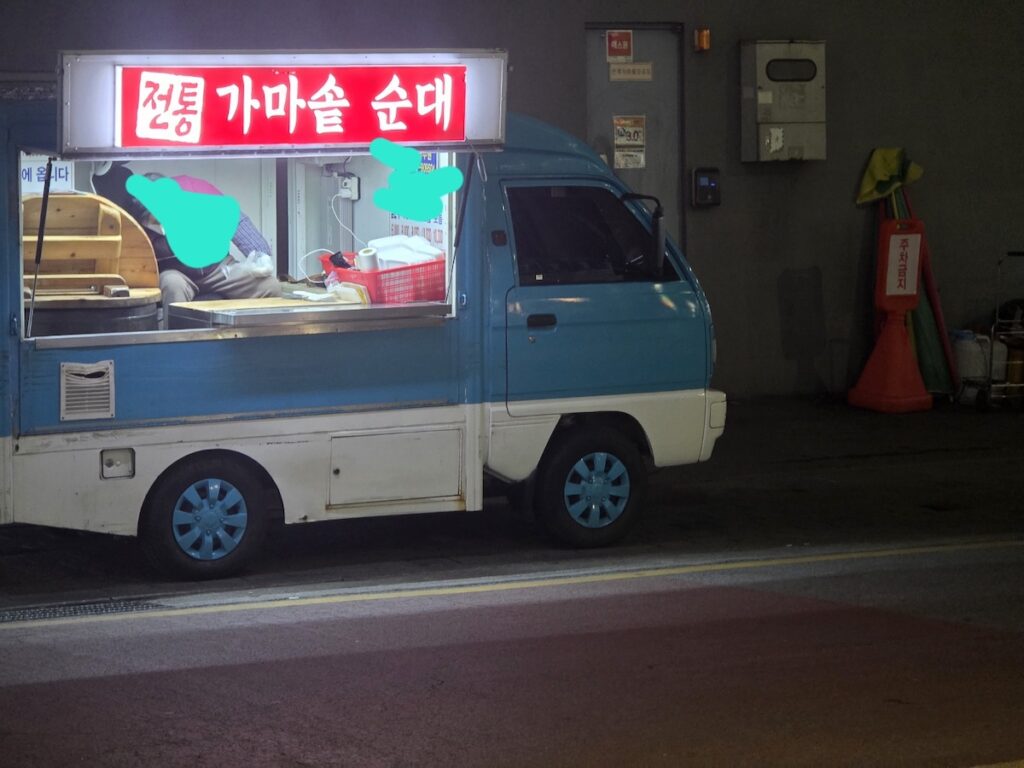
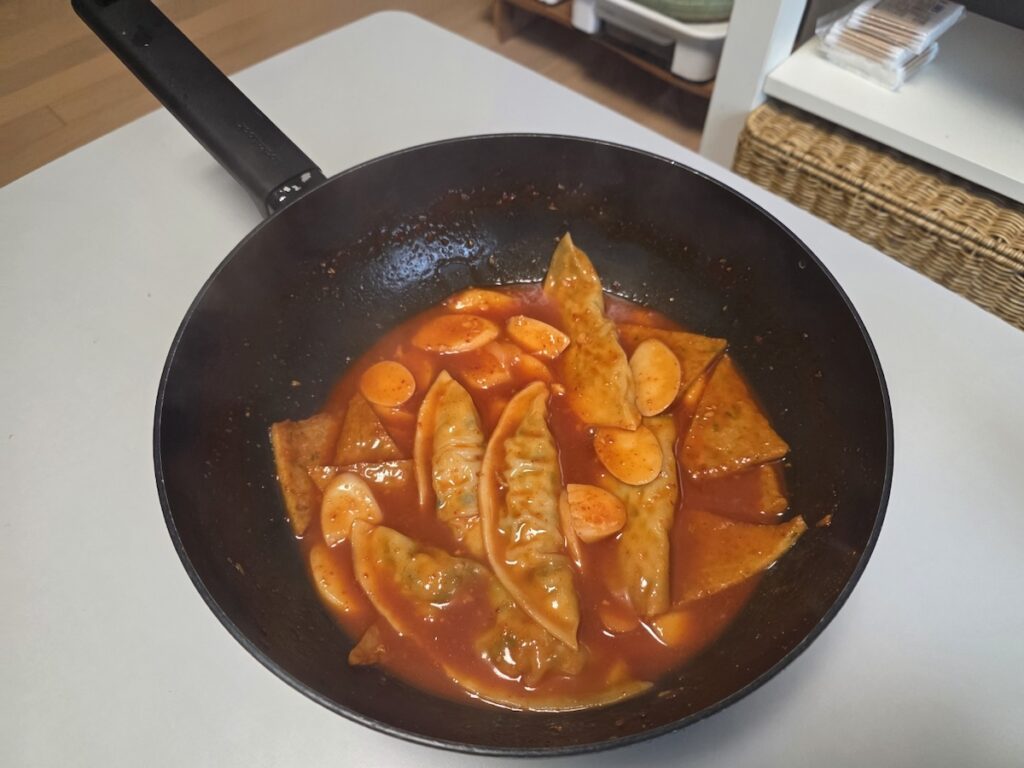
Best Korean Sausage Guide 2026 often begins, for me, with a distinct visual memory: Actor Ha Jung-woo in the gritty 2010 thriller The Yellow Sea. There is a now-legendary scene where his desperate character, fugue-state hungry, hovers over a convenience store microwave, tearing into a steaming, processed sausage link with such primal, ferocious joy that it became an instant cultural meme.
I was watching this film late last night when the scene triggered a conditioned response. I didn’t even realize I had moved until I found myself standing in front of my own kitchen microwave, the 30-second timer counting down on a vacuum-sealed pack of Korean Fish Sausage. I may not have devoured it with the cinematic intensity of Ha Jung-woo, but the savory, soft texture brought an unexpected rush of nostalgia and a moment of pure, affordable comfort.
1. The Cinematic Craving: Ha Jung-woo’s Sausage and the Doshirak Legacy
That midnight craving wasn’t just physical. It was rooted in a distinct Korean historical ritual. For expats living in or visiting Seoul, understanding the best Korean sausage isn’t just about finding the highest meat content; it is about decoding a profound socio-economic history served in a pink casing.
The Lunchbox Status Symbol: A 20th Century Tale
Before the era of modern school cafeterias, every Korean student carried a Doshirak (packed lunchbox) to school. The 30-minute lunch ritual was a moment of reveal, where the contents of your metal container were compared with your classmates’. In that era of scarce resources and national rebuilding, bringing a processed, bright-pink sausage cooked in egg batter was the ultimate declaration of privilege.
To have a sausage in your lunchbox was to embody two envious conditions: first, your family possessed the Wealth to afford Westernized, processed meats (which were expensive); and second, you received the concentrated Parental Love needed to slice, batter, and fry each link every morning. For the majority of us who carried Kimchi and bean sprouts, a sausage link shared was the highest form of childhood currency.
2. The Salt & Snap: Korean Sausages vs. Western Legends (Johnsonville)
For many expats, the benchmark for a “real” sausage is often the American legend, Johnsonville. However, when you dive into the Best Korean Sausage Guide 2026, you will quickly realize that the Korean palate operates on a fundamentally different frequency of salt, spice, and structure.
| Feature | Korean Processed Sausages | Western Style (Johnsonville) |
| Primary Texture | Soft, spongy, and “bouncy” (starchy). | Firm, “snap” (natural casing), and coarse meat. |
| Salt Profile | Low-to-Medium (Mild & Sweet-Savory). | High (Deeply Salty & Umami-heavy). |
| Key Ingredients | Fish paste, cornstarch, and mild pork/chicken. | 100% Premium Pork and heavy spices (garlic, onion). |
| Juiciness | Subtle and dry (meant to be fried in oil). | High (Explosive “juice” from fat content). |
- The Sodium Gap: The most immediate shock for a Westerner is the salt level. A Johnsonville Brats is a sodium powerhouse designed to stand alone or pair with bread. In contrast, Korean sausages—especially the nostalgic “Pink” and “Fish” varieties—are noticeably milder. This is because they were historically designed to be a “Banchan” (side dish) eaten with white rice, which balances out any aggressive seasoning.
- The “Snap” Factor: If Johnsonville is about the “pop” of a natural casing and the coarse texture of ground meat, the Korean sausage is about the “Chewy Bounce”. The addition of fish surimi or starch creates a smooth, uniform texture that absorbs egg wash or frying oil beautifully, making it more of a versatile cooking ingredient than a standalone grilled link.
3. The Household Heroes: Top Korean Sausage Brands and Pricing
When you step into a Korean hypermarket like Emart or Lotte Mart, you will encounter a wall of colorful packaging. For the uninitiated, these are the legendary brands that have fueled Korean breakfast tables and lunchboxes for decades. Understanding these “Household Heroes” is the final step in mastering the Best Korean Sausage Guide 2026.
| Brand & Product Line | Key Characteristics | Estimated Price (KRW) |
| Moguchon (주부9단) | Known for high meat content (90%+ pork). The gold standard of “K-Ham.” | 7,000 ~ 9,500 (Bulk Pack) |
| Jinju Ham (진주햄) | The pioneer of the Fish Sausage (Chunha-Jangsa). Expert in nostalgia. | 3,500 ~ 5,500 (Snack Bundle) |
| Lotte Wellfood (Uisung Garlic) | Famous for using Uisung garlic to eliminate meat odors. Bold and aromatic. | 6,500 ~ 8,500 (Multi-pack) |
| CJ CheilJedang (The Healthy) | Focuses on “fewer additives” (no starch, no coloring). Modern and clean. | 7,500 ~ 10,000 (Premium Line) |
| Dongwon (Ssum-Ssum) | Balanced and affordable. Great for stir-frying with vegetables. | 5,000 ~ 7,500 (Standard Pack) |
- Moguchon (Jubu 9-dan): If you are looking for the “Johnsonville” equivalent in terms of meat quality, look for the Jubu 9-dan label. It is a staple for the 180cm man who needs a substantial protein source that isn’t overly processed.
- Uisung Garlic (Lotte): This is a distinctly Korean innovation. By infusing high-quality domestic garlic, they create a sausage that feels less greasy and more “refreshing,” perfectly matching the Korean love for garlic-heavy seasonings.
- Pricing Tip: Most of these are sold in “1+1” bundles or “Economy Packs.” Never buy a single pack if a double-bundle is available, as the discount is often significant.
Related Guides
- 3 Best Korean Steamed Seafood Rituals for Healthier Living After exploring the processed delights of Korean sausages, pivot to the pure, nutrient-dense world of steamed seafood to balance your palate and embrace a ritual of longevity.
- 1 Dangerous Midnight Food in Korea: Gamjatang Temptation If Ha Jung-woo’s cinematic sausage craving resonated with you, discover the ultimate midnight rival—a spicy, bone-heavy stew that tests the willpower of every Seoulite after dark.
- Affordable Seafood Buffet in Seoul for Vegans: 7 Best Plant-Based Options at QooQoo For those navigating Korea’s diverse food landscape with dietary restrictions, this guide offers a strategic ritual for finding hidden plant-based gems in a sea of traditional seafood.
- Best Korean Spicy Ramen Recipe: 1 Green Onion Oil Ritual Master the art of the “Green Onion Oil Ritual” to elevate a simple pack of spicy ramen into a gourmet experience that rivals any convenience store snack.
4. The Anatomy of Choice: Decoding the Korean Sausage Spectrum
Mastering the best Korean sausage ritual in 2026 requires understanding the five distinct categories that now define the modern Korean palate. Each link serves a different psychological and practical need.
| Sausage Category | Cultural & Sensory Ritual | Target Audience 2026 |
| Soondae (Traditional) | Dark, savory, medicinal, tactile. Eating it in a market alley with salt. | Adventurous foodies seeking “Jeong” and historical authenticity. |
| Fish Sausage (Nostalgic) | Soft, mild, non-meat texture. The midnight snack or the child’s lunchbox. | Expats and locals seeking nostalgia or a cheap, immediate protein fix. |
| K-Hotdog Sausages | Sweet, processed, soft casing. The street food vehicle for sugar and sauce. | Young travelers and anyone enjoying the modern Korean street scene. |
| Pink Sausage (Egg Batter) | Retro, starchy, slightly spongy. Needs cooking to bring out the delicate flavor. | Anyone curious about the historical Doshirak ritual of the 80s/90s. |
| Premium Artisanal Links | Western-style meatiness, smoked, spiced. The camping or high-end dining choice. | Food connoisseurs and those who find Korean sausages too processed. |
Soondae (순대): The Soulful Blood Sausage
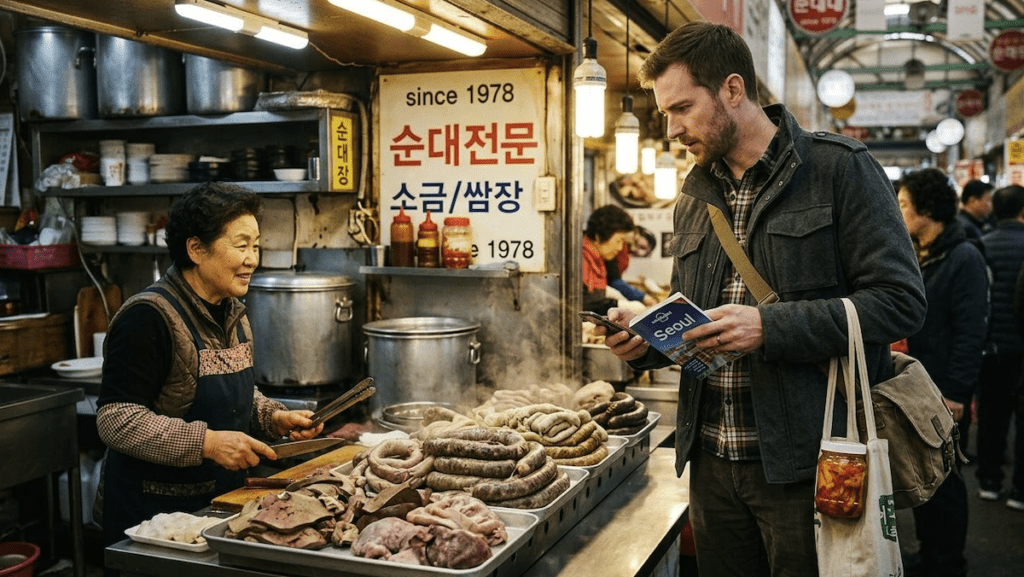
While processed links hold a nostalgic charge, the absolute “Soul Food” of the Korean sausage world is Soondae. Far from the Western pork sausage, this is a beautiful, rustic preparation of cow or pig intestines stuffed with Dangmyeon (cellophane noodles), glutinous rice, and fresh animal blood, seasoned with herbs and barley. The best way to experience it is at a traditional market, like Garak Market, where it is sliced steaming hot and served with a side of Jeong (local affection) and a pinch of coarse salt mixed with gochugaru. It is a savory, heavy-lifting ritual of texture and history.
The Fish Sausage (어묵 소시지): The Modern Comfort
In 2026, the Fish Sausage remains the quiet champion of convenience. These are the soft, often bright yellow or pink tubes you see in vacuum packs (like the iconic “Chunha-Jangsa” brand). Made from a blend of white fish paste (Surimi), cornstarch, and sometimes a tiny percentage of actual meat or cheese, they have a unique, spongy give and a mild, oceanic-savory flavor. It’s not meant to be a steak; it’s meant to be an affordable, 30-second reset button, best eaten while watching a late-night movie or walking home from a subway station.
5. The Enduring Link: Why It Still Matters in 2026
Even today, in a hyper-modern Seoul obsessed with fine dining and health, the Traditional Korean Sausage Ritual endures. For a man like me, standing 180cm and weighing 100kg, that processed midnight snack is a spiritual connection to my past. It is a reminder of the dynamic growth of our nation—the journey from the privileged lunchbox link to the cinematic microwave comfort.
Action Plan
- The Cinematic Experience: Rent The Yellow Sea and find a 24/7 convenience store. Buy a single fish sausage (like “Chunha-Jangsa”), microwave it, and try to replicate Ha Jung-woo’s ferocious joy.
- The Traditional Pilgrimage: Head to a wholesale market like Garak Market (Line 3/8) or a street food alley near Gwangjang Market (Line 1). Order Soondae mixed with internal organs and dip it only in salt.
- The Retro Taste: Locate a supermarket and buy a block of “Pink Sausage.” Slice it, dip it in egg wash, and fry it. Eat it with rice and imagine yourself as a prioritized child of the 1990s.
Conclusion: Embody the Craving
The Best Korean Sausage Guide 2026 is far more than a simple culinary catalog; it is a profound invitation to inhabit the diverse soul of Korean comfort. From the rustic, medicinal depths of a traditional market Soondae to the sweet, bouncy nostalgia of a convenience store fish link, each variety offers a unique lens through which to view the history, romance, and resilience of the Korean people.
If you are navigating the vibrant streets of Seoul, do not merely settle for the familiar flavors of home. Embody the primal, unfiltered joy of Ha Jung-woo, seek out the steam-filled traditional stalls, and fry up a retro Doshirak link in your own kitchen. By experiencing these diverse textures and flavors, you are doing more than consuming processed meat; you are participating in a fundamental cultural ritual that bridges the 20th and 21st centuries. It is the taste of our collective past and dynamic present, served in a perfect, bouncable form that demands to be savored.