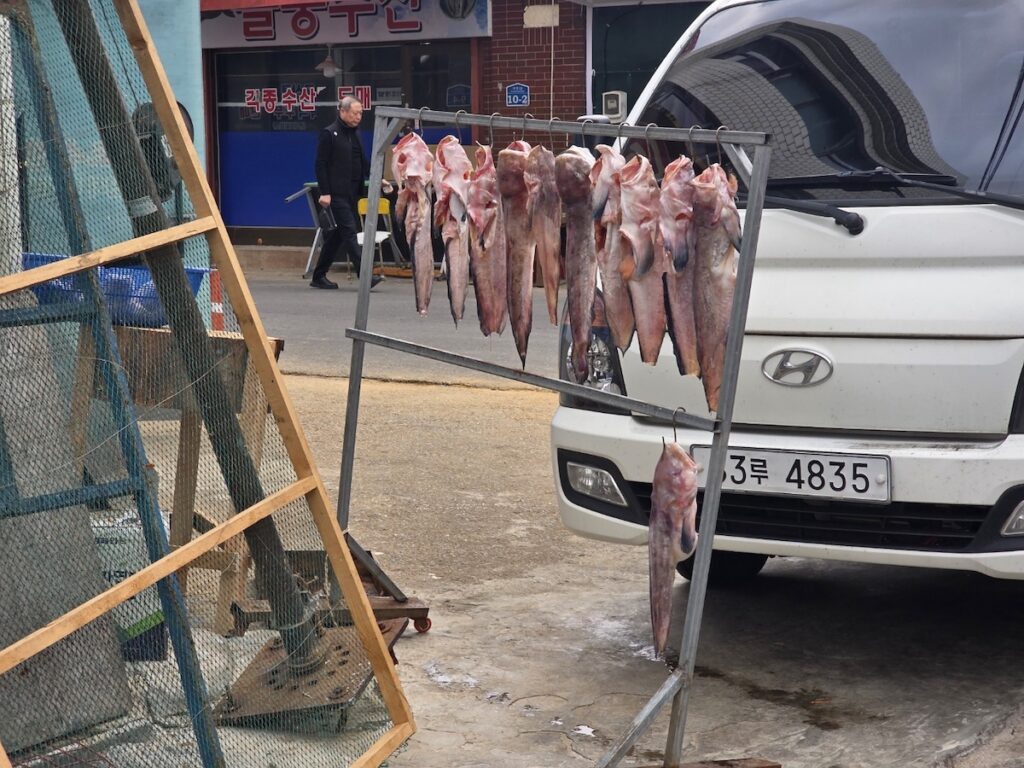
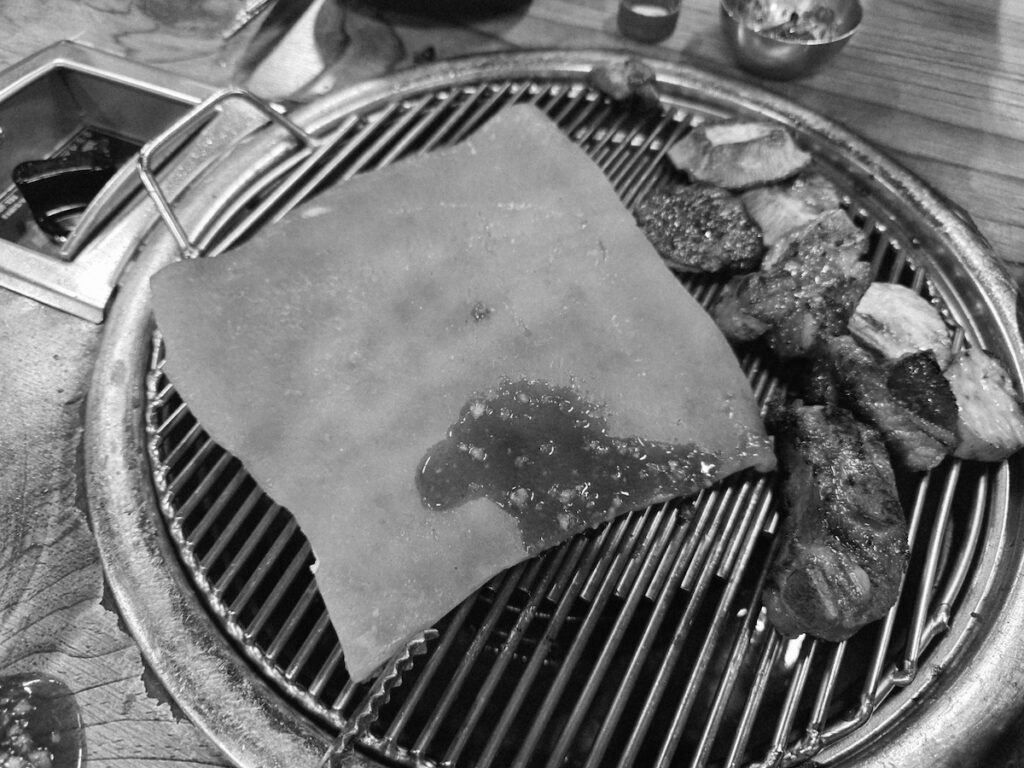
Korean 2-cha Culture 2026 is not merely an extension of dinner; it is a sophisticated social ritual of emotional digestion. To the uninitiated, the transition from a heavy meal to a second location—often while already satiated—seems illogical. However, in the high-pressure world of the Seoul professional, the ‘2-cha’ (Round 2) is where the rigid hierarchies of the office finally begin to dissolve into genuine human connection.
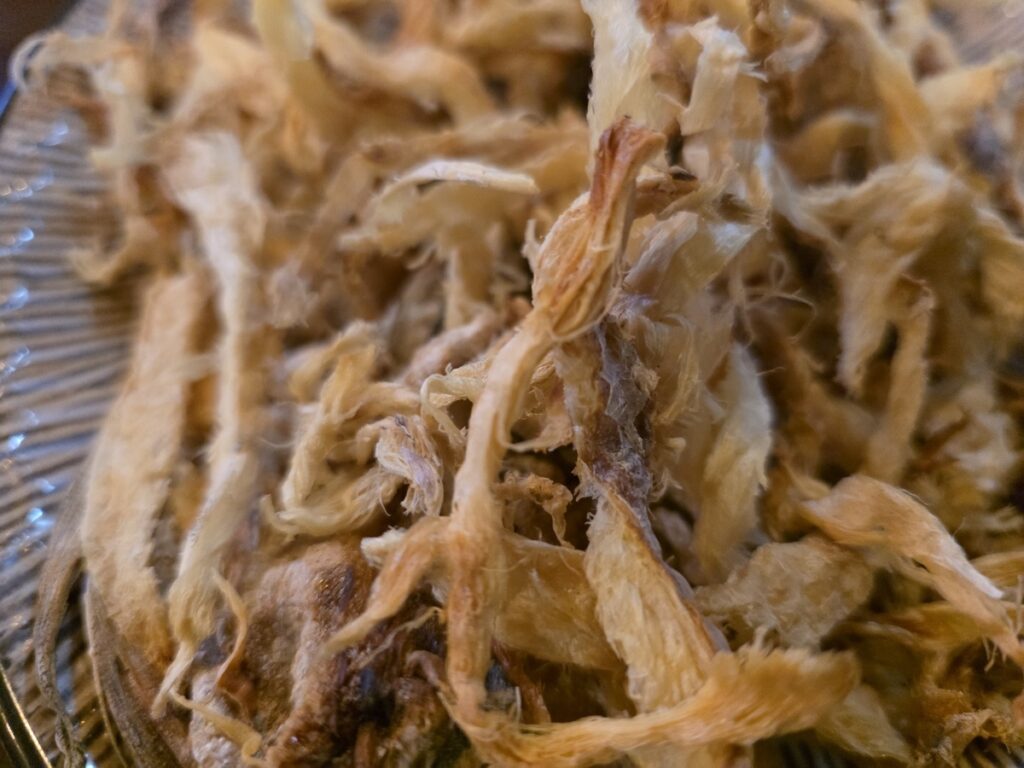
1. The Transition of Hierarchy: From Boardroom to Bar
In the Korean workplace, the first round (1-cha) is usually a formal affair focused on nourishment and communal duty. But as the clock strikes 9 PM, a subtle shift occurs. I found myself sitting with my Executive Director last night, moving away from the formal dinner table to a casual pub. This is the essence of Korean 2-cha Culture 2026. In this space, the “500cc” draft beer serves as a leveler. The vertical hierarchy of the daytime is replaced by a horizontal camaraderie. For a few hours, we are not just executives and employees; we are companions navigating the night together.
2. The Science of the “Second Stomach”: Why We Go Again
Foreigners often ask, “Why eat again when you are full?” The answer lies in the psychological rather than the physical. Korean 2-cha Culture 2026 is about extending the “golden hour” of conversation. After a heavy meal of Korean BBQ or stew, the palate craves something light, crisp, and refreshing. This is where the draft beer (Saeng-maekju) comes in. It is a palate cleanser for the soul, washing away the stress of the day and preparing the mind for deeper, more vulnerable dialogue that wouldn’t happen in the bright lights of a restaurant.
3. The Architecture of Meoktae: The King of Dry Snacks
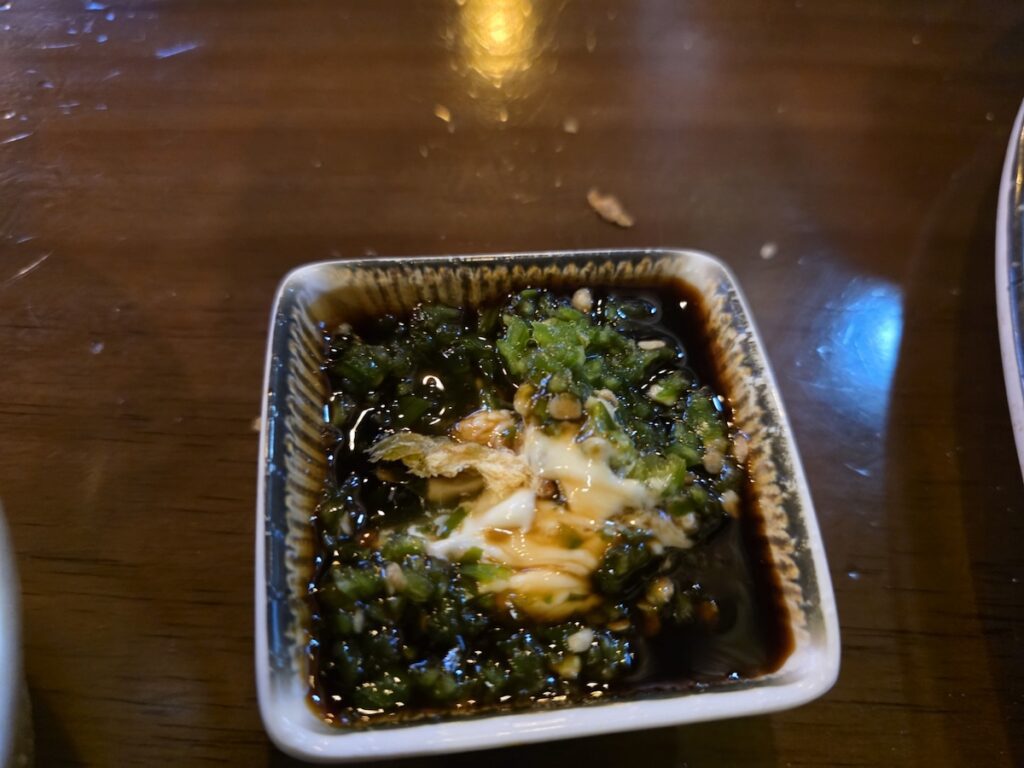
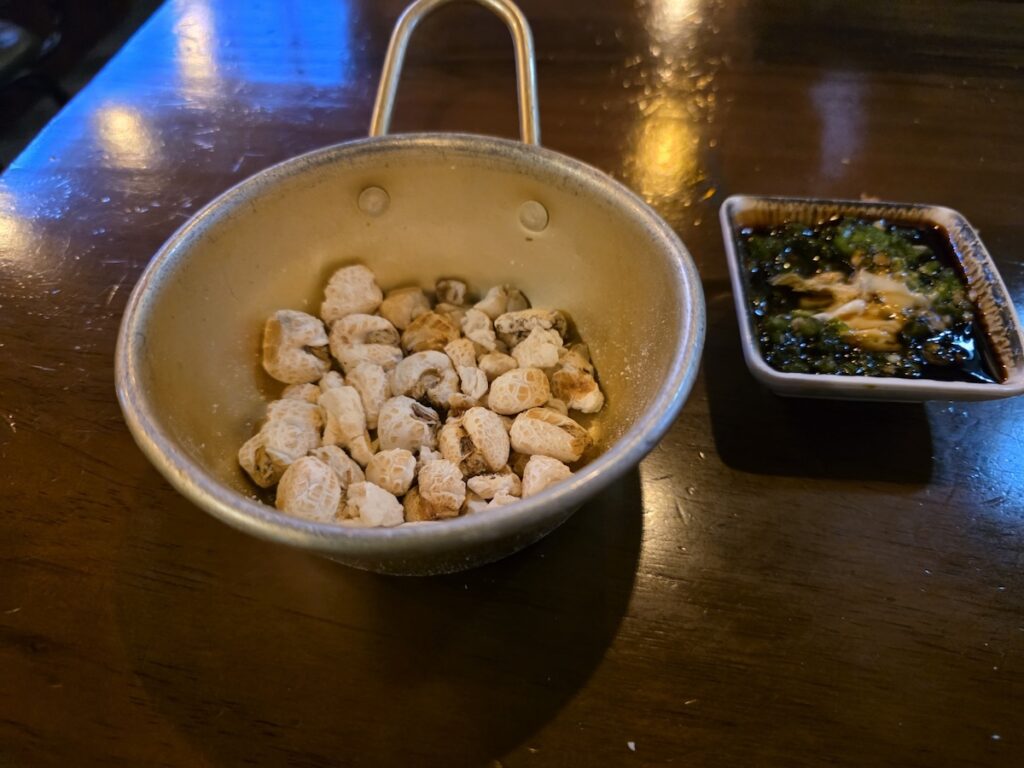
If the first round is about the meat, the second round is about the crunch. The undisputed protagonist of Korean 2-cha Culture 2026 is Meoktae (Dried Pollack). Unlike heavy appetizers, Meoktae is airy, crispy, and deceptively addictive.
The secret lies in the “Magic Sauce”—a trifecta of creamy mayonnaise, savory soy sauce, and a sharp kick of Cheongyang chili. This dipping ritual is a cultural staple. As you tear the dried fish into bite-sized pieces and swirl them through the spicy mayo, you are engaging in a rhythmic labor that keeps the conversation flowing. The salty-spicy profile of the Meoktae demands another sip of beer, creating a perpetual loop of satisfaction.
| Feature | Round 1 (1-cha) | Round 2 (2-cha) |
| Primary Goal | Physical Satiety & Formal Bonding | Emotional Digestion & Informal Truths |
| Typical Alcohol | Soju or Somaek | Cold Draft Beer (500cc) |
| Signature Food | Meat, Stew, Rice | Meoktae, Dried Snacks, Fruit |
| Atmosphere | Energetic & Loud | Atmospheric & Intimate |
4. The Generational Shift: The MZ Dilemma
It would be remiss not to mention the changing tides within Korean 2-cha Culture 2026. The younger “MZ Generation” increasingly prioritizes personal time over collective rituals. To them, the “mandatory” Round 2 can feel like an extension of work rather than a break. This generational gap is a significant talking point in modern Seoul. While the older generation views the 2-cha as a vital act of “Jeong” (affection), the younger generation values “Work-Life Balance.” Navigating this transition is the current challenge of the Korean office, yet even among the youth, a voluntary 2-cha with chosen friends remains a cherished ritual.
🏮 Related Guides for Your Culinary Journey
- Gangnam Lunch Ritual: The 8,000 Won Survival and the Miracle of Free Banchan If the evening Korean 2-cha Culture 2026 is about emotional bonding, the Gangnam lunch rush is about survival. Discover how the world’s most expensive business district sustains itself through the miracle of affordable, unlimited side dishes.
- 10 Best Korean Foods for Weight Loss: A Calorie-Driven Ritual (2026) Worried about the calories from last night’s Meoktae and beer? Balance your indulgence with our 2026 ritual guide to the most nutrient-dense, calorie-efficient Korean dishes designed for a healthy lifestyle.
- Korean Food Rituals 2026: The Philosophy of Sundays, Soup, and the Meat Debate Beyond the lively pubs of Seoul lies a deeper philosophy of Korean dining. Explore the sacred Sunday rituals of soup and the cultural debates surrounding meat consumption in the modern Korean household.
5. Global Misconceptions: It’s Not About the Alcohol
A common misunderstanding is that Korean 2-cha Culture 2026 is about excessive drinking. On the contrary, many Koreans spend the entire second round nursing a single 500cc beer. The focus is the Action Plan of bonding. It is the communal tearing of the Meoktae, the shared complaints about the daily grind, and the quiet moments of mentorship that happen under the dim lights of a “Hof” house. It is a sanctuary of resilience.
6. Where to Claim Your Round 2: The Best 2-cha Spots in Seoul
To truly master Korean 2-cha Culture 2026, you must choose a location that matches your nocturnal energy. Whether you seek the raw, cinematic energy of a street market or the refined comfort near your luxury suite, these are the primary zones to experience the ritual.
The Jongno 3-ga “Yajang” District (Near Line 5)
If you want to witness the heart of Seoul’s nightlife, head to Jongno 3-ga. At night, the streets near Exit 3, 4, and 6 transform into a massive outdoor “Yajang” (street seating) festival. Here, the air is thick with the scent of grilled Meoktae and the sound of hundreds of 500cc glasses clinking. It is raw, loud, and quintessentially Korean.
- Best for: Travelers seeking a “Squid Game” aesthetic and high-energy social interaction.
Round 2 Recommendations by Luxury Hotels
For those staying in Seoul’s premier accommodations, you don’t have to travel far to find an authentic Korean 2-cha Culture 2026 experience.
- Near Four Seasons Hotel Seoul & Westin Chosun (Gwanghwamun Area): Explore the hidden alleys of Mugyo-dong. This area is a sanctuary for high-level government officials and office workers. You will find sophisticated “Hof” houses that serve premium Meoktae with a more quiet, professional atmosphere.
- Near Signiel Seoul & Sofitel Ambassador (Jamsil Area): Head to Bangyi-dong Food Alley. Just a short walk from your hotel lobby, this district is packed with modern pubs that specialize in “Cold Cup” draft beers, perfect for a late-night debrief after a long day of sightseeing.
- Near Grand Hyatt Seoul (Hannam Area): While Hannam is known for trendy wine bars, the lower Hannam-dong area still holds traditional spots where you can enjoy a 500cc beer with a view of the local creative crowd.
Action Plan: Which Spot is for You?
- If you want “The Vibe”: Go to Jongno 3-ga. Wear comfortable clothes and prepare for a crowd.
- If you want “The Comfort”: Stick to the alleys near Gwanghwamun or Jamsil. These spots offer English menus and a more relaxed pace.
- If you want “The Authenticity”: Look for a place with “Hof” (호프) in the name and older businessmen sitting outside—that is where the best Meoktae is hidden.
🏮 Action Plan: How to Master the 2-cha Ritual
- The Choice: Always opt for a place known for “Meoktae” or “Nogari” if you are feeling full.
- The Pour: Order a “500” (500cc draft beer). It is the standard unit of 2-cha currency.
- The Sauce: Master the ratio—ensure every piece of Meoktae gets a perfect hit of the chili-mayo-soy sauce blend.
- The Exit: Know when to call it. The beauty of 2-cha is finishing on a high note before the “3-cha” temptation begins.
7. Conclusion: The Art of the Eternal Night
The Korean 2-cha Culture 2026 is far more than a simple second round of drinks; it is a vital social lubricant that sustains the professional and personal lives of millions in Seoul. It represents the “Art of the Eternal Night,” where the physical satiety of the first round gives way to a deeper, emotional digestion. By moving to a second location, we signal to our companions that the evening is too precious to end, and our connection is too valuable to be cut short by a closing check.
In this ritual, the food acts as the anchor. The Meoktae (Dried Pollack)—crispy, airy, and served with its signature spicy mayo—is the perfect culinary companion for this stage of the night. It provides a rhythmic activity that encourages long, flowing conversations without the heavy burden of a full meal. Paired with a frosty “500” of draft beer, it creates a sensory experience that defines the modern Korean office worker’s resilience and joy.
For the international traveler, my proposal is this: Do not fear the “2-cha.” Even if you feel entirely full, accept the invitation. It is the highest form of respect and affection a Korean colleague can offer. You don’t have to drink much; simply being there, tearing the Meoktae together, and sharing stories under the dim lights of a local Hof is where you will find the real Seoul. It is in these moments—away from the tourist trails and inside the hazy, laughter-filled pubs—that you will truly understand the “Jeong” (connection) that makes this city breathe.