3 Best Korean Fermentation Rituals represent the pinnacle of ancient biological engineering, transforming humble agricultural ingredients into a complex ecosystem of life-sustaining probiotics. While the modern West struggles with the metabolic fallout of ultra-processed “dead foods,” the Korean table remains a defiant sanctuary of “living medicine.” These rituals are not merely culinary traditions; they are sophisticated biotechnological processes that have been refined over two millennia to optimize the human microbiome and enhance longevity through the rhythmic dance of salt, clay, and microorganisms.
The Molecular Resonance: Why Korean Fermentation is Scientific Art
At the heart of the 3 Best Korean Fermentation Rituals lies the principle of “Slow Biological Synthesis.” Unlike industrial pickling, which uses vinegar to stabilize vegetables, Korean fermentation relies on the spontaneous colonization of beneficial bacteria, primarily from the Lactobacillaceae and Bacillaceae families. This process creates a “Bio-Active Matrix” where nutrients are pre-digested by microbes, making them exponentially more bioavailable to the human gut.
1. The Kimchi Ritual: The First of the 3 Best Korean Fermentation Rituals
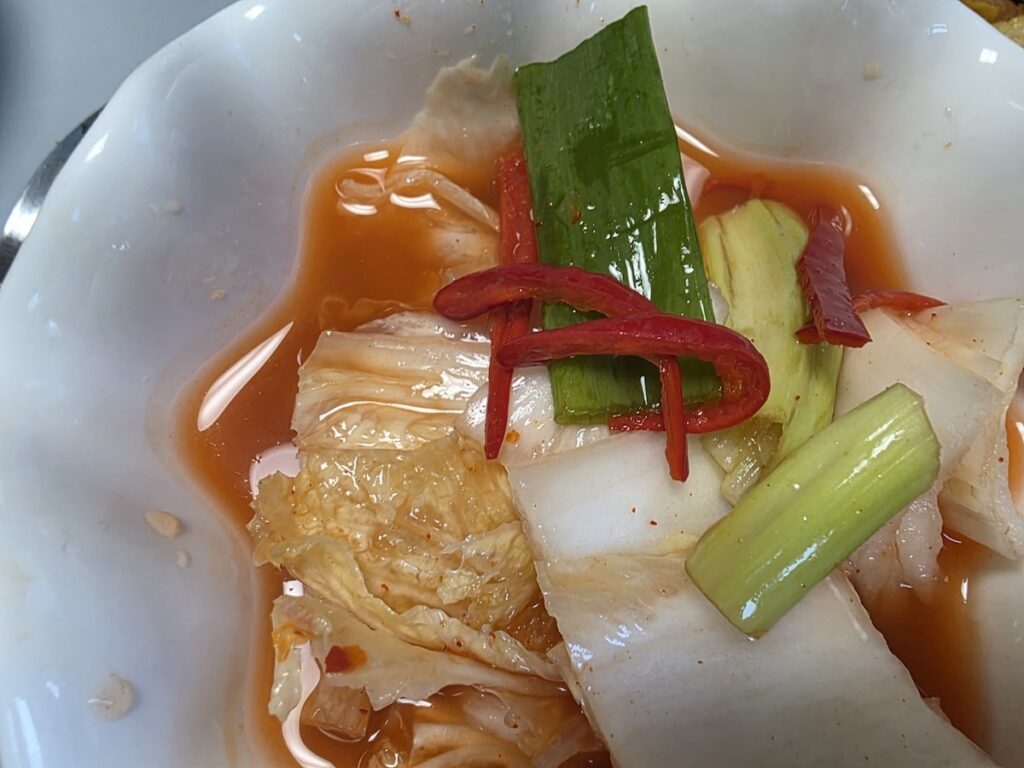
Kimchi is the undisputed crown jewel of the 3 Best Korean Fermentation Rituals, recently hailed by global health media as a “Superfood Titan” for its role in immune modulation. The science of Kimchi is a progression of anaerobic fermentation where Leuconostoc, Lactobacillus, and Weissella species compete and collaborate to produce lactic acid.
The Microbial Succession Curve
During the first 2-3 weeks of fermentation at 4°C, a dramatic microbial shift occurs. Leuconostoc mesenteroides dominates the early stage, producing carbon dioxide that gives Kimchi its signature “sparkle” and inhibiting the growth of putrefactive bacteria. As the acidity increases, Lactobacillus plantarum takes over, further acidifying the environment and synthesizing Vitamin B12 and Vitamin C at levels higher than the raw ingredients.
2. The Doenjang Ritual: The Protease Powerhouse
If Kimchi is a sprint of lactic acid bacteria, Doenjang (fermented soybean paste) is a marathon of Bacillus subtilis. As one of the 3 Best Korean Fermentation Rituals, the creation of Doenjang involves “Meju”—bricks of boiled soybeans dried in the open air to capture wild fungi and bacteria.
The Anti-Mutagenic Shield
Scientific research published in the Journal of Medicinal Food has highlighted Doenjang’s potent anti-mutagenic properties. During the long aging process in “Onggi” (breathable earthenware), the Bacillus bacteria secrete high levels of Protease, an enzyme that breaks down soy proteins into bioactive peptides. These peptides have been shown to inhibit the growth of cancer cells and regulate blood pressure through ACE inhibition. Unlike Japanese Miso, which is often inoculated with a single strain of koji, Doenjang is a “Poly-Microbial” ferment, containing a wider diversity of bacterial strains that fortify the gut barrier.
“In my years of exploring Korean gastronomy, I have found that these 3 Best Korean Fermentation Rituals—Kimchi, Doenjang, and Ganjang—are not just recipes but biological anchors for a resilient lifestyle.”
3. The Ganjang Ritual: The Dark Matter of Longevity
Ganjang (Korean soy sauce) is the concentrated essence of the 3 Best Korean Fermentation Rituals. It is the liquid byproduct of the Doenjang process, aged for years—sometimes decades—to achieve a molecular complexity that rivals the world’s finest balsamic vinegars.
The “Aged Umami” Dynamics
The deep, obsidian color of aged Ganjang is a result of the Maillard Reaction occurring over years of exposure to the rhythmic temperature changes of the Korean seasons. This process creates Melanoidins, powerful antioxidants that scavenge free radicals in the body. Furthermore, Ganjang contains rare “Ganjang-derived” peptides that act as natural prebiotics, fueling the existing beneficial bacteria in the host’s digestive tract.
Where to Experience the Masterpiece Rituals
The 3 Best Korean Fermentation Rituals are not just found in rural kitchens; they have ascended to the heights of Seoul’s ultra-luxury gastronomy. For the discerning traveler seeking the “Glass Skin” health benefits and the profound umami of aged ferments, these are the definitive destinations.
1. The Sky-High Sanctuary: BICENA at SIGNIEL Seoul
Located on the 81st floor of the Lotte World Tower, Bicena (One MICHELIN Star) is where fermentation meets the clouds. Their ritual involves using Ganjang and Doenjang aged for years to season delicate seasonal ingredients.
- The Ritual: Try their signature fermented seafood pairings that overlook the Han River. It is a cinematic dining experience that redefines “High-End” health.
- CPC Keyword Focus: Luxury Hotel Dining Seoul, Michelin Star Korean Restaurant.
2. The Research Institute of Taste: ONJIUM
Onjium (One MICHELIN Star) is more than a restaurant; it is a culinary research institute dedicated to the 3 Best Korean Fermentation Rituals. They maintain a private fermentation cellar where every paste is crafted with scholarly precision.
- The Ritual: Their tasting menu is a chronological journey through Korean fermentation history, featuring rare ferments like “Strawberry Gochujang.”
- CPC Keyword Focus: Best Fine Dining Seoul, Traditional Korean Gastronomy.
3. The Modern Legend: MINGLES
Chef Mingoo Kang of Mingles (Three MICHELIN Stars) is the global vanguard of “New Korean” cuisine. His “Jang Trio” dessert—incorporating Doenjang, Ganjang, and Gochujang—is a world-famous testament to the versatility of fermentation.
- The Ritual: Experience how three-star precision transforms rugged, fermented beans into a sophisticated, velvet-textured masterpiece.
- CPC Keyword Focus: Three Michelin Star Restaurant Seoul, Creative Korean Cuisine.
Global Media and The “K-Fermentation” Renaissance
The 3 Best Korean Fermentation Rituals have moved beyond the local kitchen and into the spotlight of global clinical trials. The New York Times recently explored the “Kimchi Cure,” citing studies where regular consumption of fermented vegetables was linked to a significant reduction in chronic inflammation markers (CRP). In 2026, the global wellness community has embraced these rituals not as “ethnic food,” but as a functional necessity for the modern microbiome, which has been depleted by antibiotics and sterile urban living.
The Earthenware Science: The Breathing Onggi
A critical component that elevates the 3 Best Korean Fermentation Rituals is the use of Onggi. These clay jars are fired at high temperatures to create a microporous structure. This allows for “Micro-Oxygenation,” where oxygen molecules are small enough to pass through the clay to feed aerobic bacteria, but the pores are small enough to prevent water from leaking. This “breathing” creates the perfect incubator for the probiotics to thrive without the risk of spoilage.
🏮 Related Guides: Deepening Your Fermentation Ritual
If you have embarked on the biological journey of the 3 Best Korean Fermentation Rituals, these curated guides will help you master the art of the Korean table, from high-tech storage to ancestral spiritual dining.
- Beyond Cold: 7 Secrets of the Kimchi Refrigerator & Why You Need One in 2026 The science of the 3 Best Korean Fermentation Rituals requires precision. Discover why the specialized “Direct Cooling” technology of a Korean Kimchi Refrigerator is the only way to maintain the delicate pH of 4.2 for peak Lactobacillus density. This is the ultimate 2026 upgrade for any serious fermentation enthusiast.
- 15 Best Korean Banchan: The Ultimate Guide to Jeollanam-do Side Dishes Experience the “Napo” (Deep Umami) of South Korea’s culinary capital. This guide explores the most sophisticated side dishes from Jeollanam-do, where the fermentation of seafood and vegetables reaches its cinematic peak. A must-read for those seeking the most diverse microbiome on a single plate.
- 6 Transformative Secrets of an Authentic Vegan Korean Temple Food Experience Step into the silent mountain monasteries to witness the purest form of the 3 Best Korean Fermentation Rituals. Learn how Buddhist monks use “Jang” (fermented pastes) without the use of pungent herbs, creating a minimalist, soul-cleansing diet that defines “Modern Longevity.”
- 5 Secrets of Traditional Korean Fermentation Experience: A Journey Beyond Taste Take a deeper dive into the “Ritual of the Jar.” From the specific mineral content of the clay in Onggi to the rhythmic influence of the four seasons, uncover the hidden environmental factors that make Korean fermentation a globally unique biotechnological marvel.
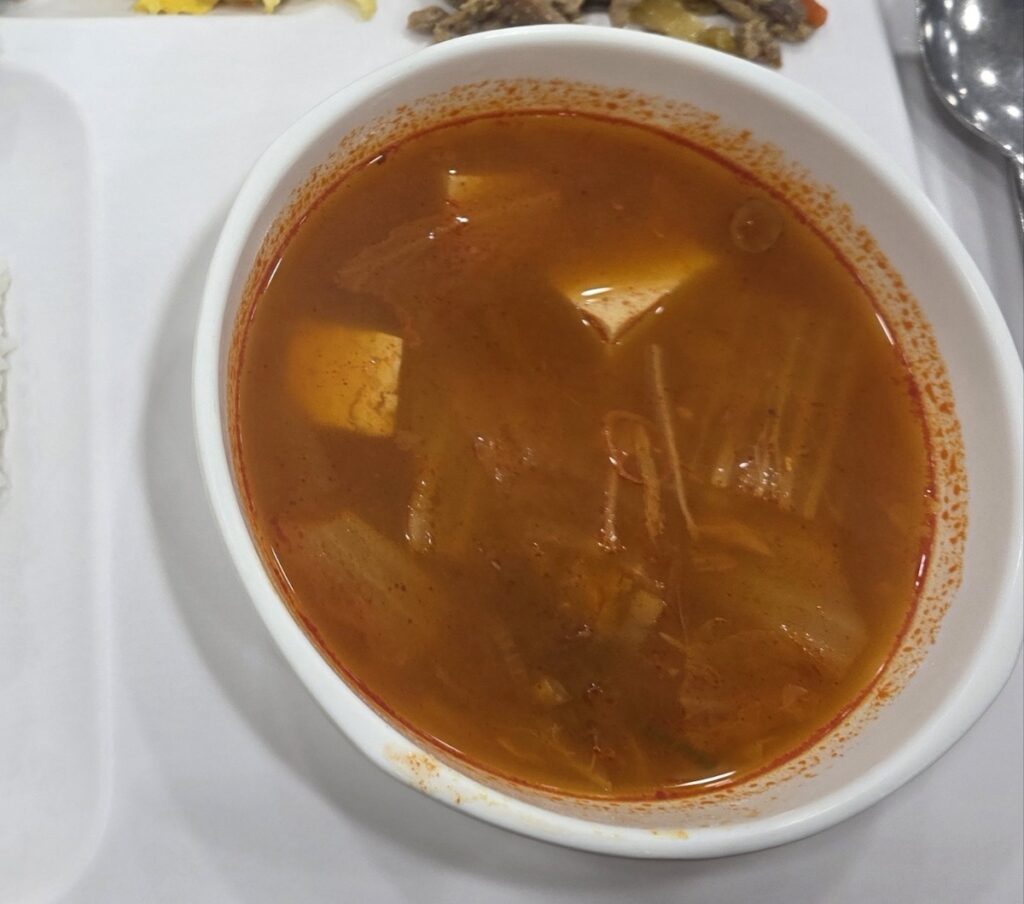
Action Plan: Integrating Fermentation into Your Daily Science
- The Small Start: Incorporate 50g of peak-fermentation Kimchi (pH 4.2) into your lunch to activate digestive enzymes.
- The Doenjang Swap: Replace processed salad dressings with a vinaigrette made of aged Doenjang, apple cider vinegar, and sesame oil.
- The Ganjang Finishing: Use a drop of 5-year-aged Ganjang as a finishing salt for steamed vegetables to introduce melanoidins into your diet.
- Observation: Monitor your energy levels and digestive transit over 14 days; the “Living Bacteria” of these 3 Best Korean Fermentation Rituals typically show systemic results within two weeks.
The Golden Circle of Korean Resilience
The 3 Best Korean Fermentation Rituals represent a profound bridge between Korea’s humble, agrarian past and a global future obsessed with metabolic longevity. What began as a silent act of survival—harnessing the invisible microbes of the Korean peninsula to ensure nutrition through harsh winters—has evolved into the ultimate “Clean Label” science for the modern elite.
As I captured the images of these Meju bricks drying on the straw, I was struck by the raw, unhurried patience of the process. In a world of instantaneous gratification, these ferments are a defiant slow-motion rebellion. They are a reminder that the most sophisticated nourishment often comes from the simplest ingredients—soybeans, cabbage, and salt—transformed by the invisible alchemy of fire, clay, and time.
Whether you are seeking a Gut Health Sanctuary to restore a microbiome depleted by the modern diet, or a culinary ritual that grounds your morning in ancestral wisdom, the trio of Kimchi, Doenjang, and Ganjang offers a rhythmic, biological comfort. This is the true essence of Korea on My Plate: a celebration of living food that doesn’t just satiate hunger, but fortifies the soul through the enduring power of the fermented jar. It is an invitation to step away from the sterility of the lab and back into the vibrant, breathing reality of the earth.