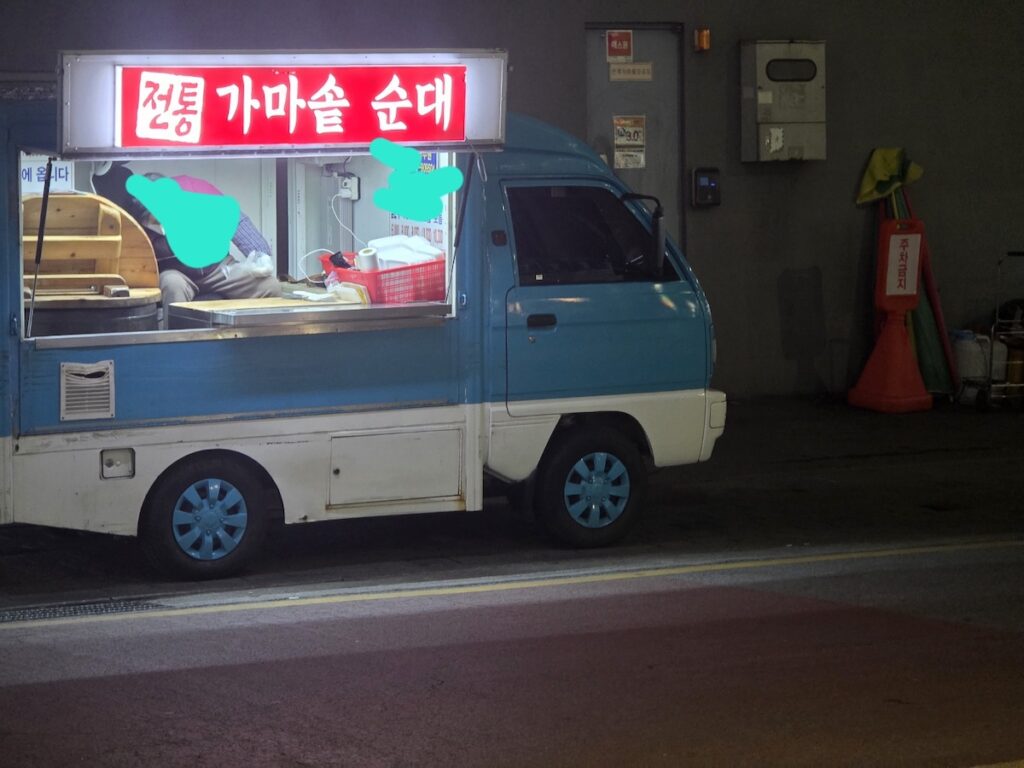
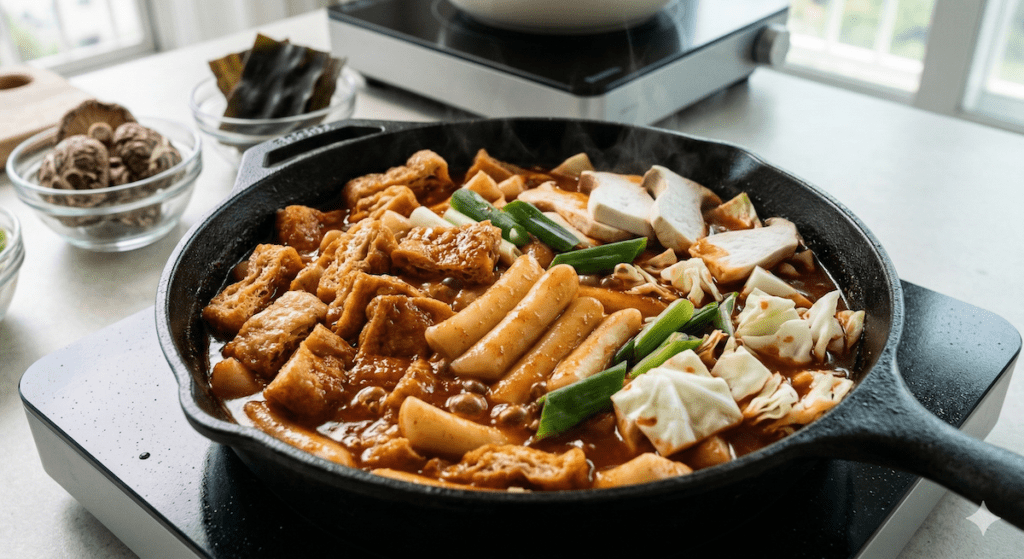
Homemade Tteokbokki Ritual 2026 is the ultimate sanctuary for the soul in an era defined by extreme culinary challenges. While the neon-lit streets of Seoul are currently obsessed with the “Spicy Pride Match” of viral food tours, the true essence of Korean comfort resides in the quiet, steam-filled domestic kitchen. To master the Homemade Tteokbokki Ritual 2026, one must look beyond the standardized spice packets of modern franchises and embrace the spontaneous, affectionate “Leftover Alchemy” of a Korean mother.
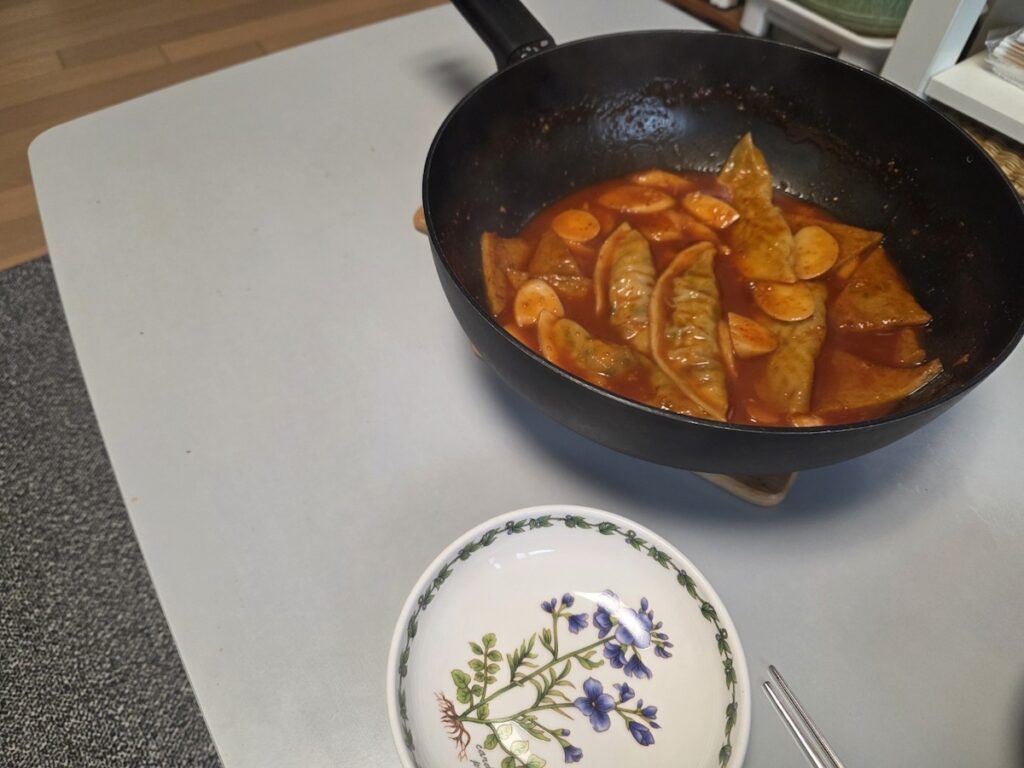
The Evolution of the Homemade Tteokbokki Ritual 2026
In the landscape of Korea Travel 2026, the global “Mukbang” phenomenon has transformed this humble snack into a battlefield of endurance. Brands like Yeopgi Tteokbokki have institutionalized a culture where spiciness is a metric of social bravery. However, the Homemade Tteokbokki Ritual 2026 offers a radical alternative: a return to the “Texture Ritual” where the nutty elegance of the rice cake is the protagonist, not the supporting actor to a capsaicin fire.
1. The Mother’s Alchemy: A Ritual of Spontaneity
The core of the Homemade Tteokbokki Ritual 2026 is its lack of premeditation. Every Korean carries a childhood memory of a mother opening the refrigerator and performing a miracle with what was available. Using frozen Garaetteok (cylindrical rice cakes) and leftover sheets of Eomuk (fish cakes), she creates a dish that reflects the Scent of Romance—a quiet, domestic sincerity that no professional stall can replicate.
2. The Texture Ritual: Rediscovering the “Chew”
When you engage in the Homemade Tteokbokki Ritual 2026, your palate finally registers the quality of the grain. Unlike commercial versions that rely on numbing heat, this ritual prioritizes the Jj쫀득 (Jjon-deuk) sensation. The subtle sweetness of the fermented rice emerges, providing a grainy, resilient finish that is a hallmark of the Homemade Tteokbokki Ritual 2026.
The Mother’s Alchemy: The “Leftover” Ritual
Contrast this with the Homemade Ritual. Every Korean child remembers the sound of the refrigerator door opening and a mother’s voice asking, “Shall I make some Tteokbokki?”. This version of the dish is rarely planned; it is an act of Leftover Alchemy.
In a typical Korean household, Garaetteok (cylindrical rice cakes) is a staple that waits patiently in the freezer. It is the byproduct of New Year’s celebrations or a gift from a grandmother in the countryside. The mother’s ritual begins by soaking these frozen cylinders in cold water, a process that restores the Texture Ritual—ensuring the rice doesn’t crack but remains supple and resilient.
She doesn’t reach for a standardized spice kit. Instead, she uses the Eomuk (fish cakes) that were destined for a stir-fry side dish. She adds cabbage for a natural, lingering sweetness that no corn syrup can replicate. This is the Scent of Romance in a Korean home—the smell of a mother transforming fragments of the fridge into a masterpiece of affection.
The Sensory Science of Homemade Texture
When you strip away the overwhelming heat of commercial “Challenge” Tteokbokki, your senses are finally allowed to engage with the Texture Ritual. This is the core of the Korea Travel 2026 culinary philosophy: the appreciation of the “Chew.”
1. The Resistance of the Grain
A homemade Tteokbokki, being less aggressive on the palate, allows you to feel the Jj쫀득 (Jjon-deuk) sensation. This is a specific Korean descriptor for a texture that is simultaneously firm and elastic. In the absence of numbing spice, the subtle sweetness of the fermented rice emerges, providing a grainy, nutty finish that modern franchises have forgotten.
2. The Absorption Protocol
In the domestic kitchen, the sauce is not just a coating; it is an infusion. Because the mother’s version simmers slowly on a low flame—unlike the high-pressure, fast-paced environment of a street stall—the Agungi-like patience allows the savory oils of the fish cake and the earthy notes of the green onion to penetrate deep into the core of the rice cake.
The Taming of the Heat: A Sophisticated Pairing Guide
To master Korea Travel 2026 at home, one must understand the Art of Pairing. Even the most gentle homemade sauce carries a persistent warmth. The ritual of cooling the palate is just as important as the act of eating itself.
The Legend of the Barley Tea (Bori-cha)
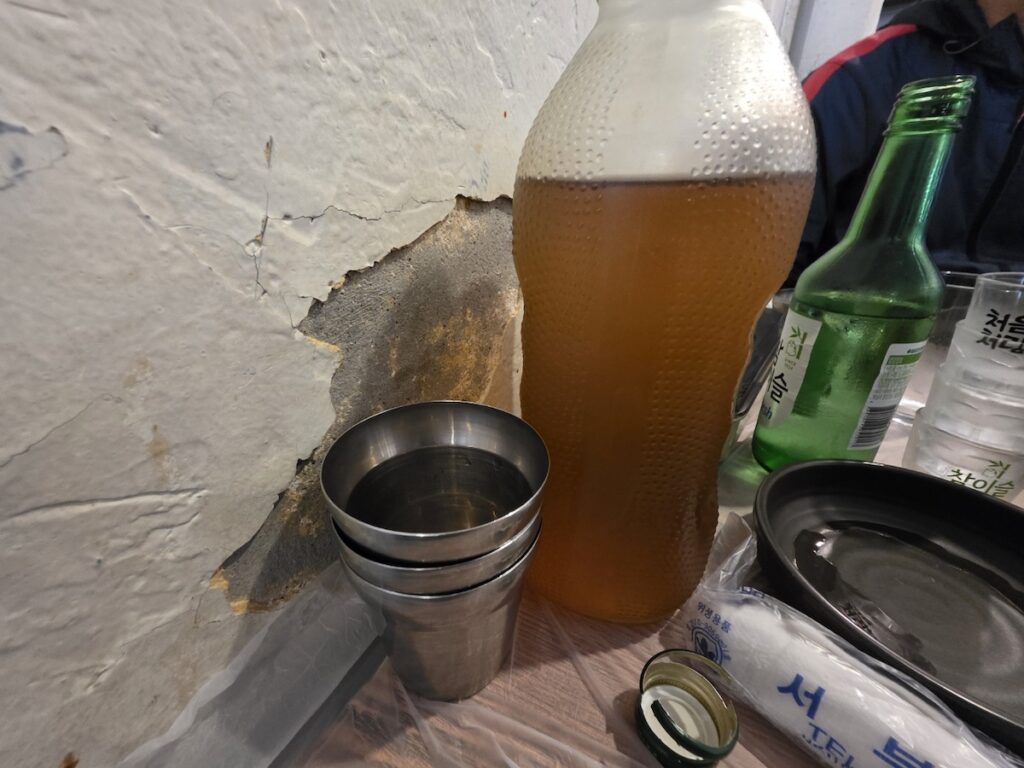
If you visit a Korean home, you will rarely find plain water on the table. Instead, you will be served Iced Barley Tea. This is not merely for hydration; it is a functional tool. The roasted, nutty profile of the tea acts as a neutralizer, washing away the capsaicin oil without clashing with the sauce. It is a ritual of restoration, preparing your tongue for the next “Texture” encounter.
The Kul-piss and Milk Strategy
For those venturing into the higher tiers of homemade spice, the dairy-based ritual is essential. The protein casein in milk binds with the capsaicin molecules, physically stripping the heat from your receptors. In Korea, the drink Kul-piss (a peach-flavored lactic acid drink) has become the inseparable companion of Tteokbokki, creating a sweet, creamy barrier that allows the eater to continue the “Social Contract” of the meal without pain.
Related Guides
- Korea Street Food Guide 2026: The Secret Ritual of Friday Night Comfort – Venture into the neon-lit alleys where the Homemade Tteokbokki Ritual 2026 meets its professional street-side cousins. Explore the Friday night rebellion of flavors and the sophisticated digital payment rituals that define the modern Korean snacking experience.
- 3 Reasons Why Korean Barley Tea Culture 2026 Reclaims the Iconic Del Monte Glass Bottle – Rediscover the soul-soothing Scent of Romance found in a chilled glass of Bori-cha. Learn why the vintage ritual of the heavy glass bottle is the essential counterpart to any spicy meal, acting as the perfect thermal reset for your palate.
- Korea Muslim Friendly Dining: Beyond the Screen and Into the Soul – Delve into the inclusive and diverse landscape of Korea Travel 2026. This guide explores how traditional ingredients are being reimagined within a global Social Contract, ensuring that the warmth of Korean hospitality is accessible to every traveler’s soul.
Professionalism in the Home: The 2026 Standards
In 2026, the boundaries between a home chef and a professional artisan are blurring. The modern Korean home cook approaches Tteokbokki with a level of Professionalism that mirrors the street stall masters. They understand the importance of Hygiene and the “Maillard” effect, often searing the rice cakes slightly before adding the liquid to create a more complex flavor profile.
This evolution is part of the broader Korea Travel 2026 movement, where travelers are no longer content with being observers; they want to be participants in the domestic ritual. They want to understand why a mother’s “secret ingredient”—be it a spoonful of plum extract or a dash of anchovy powder—makes the dish feel like a hug from the inside.
🗺️ Traditional vs Modern Tteokbokki: A Comparative Ritual
| Feature | The “Challenge” Franchise | The Homemade Ritual (Mother’s Style) |
| Primary Goal | Stimulation & Viral Content | Comfort & Nutritional Balance |
| Heat Level | Extreme (Capsaicin Extract) | Subtle (Natural Chili Powder) |
| Key Texture | Soft & Fast-melting | Firm, Chewy & Resilient |
| Social Context | A “Bravery Test” with Friends | A Spontaneous Gift of Affection |
| Pairing | Kul-piss (Emergency) | Iced Barley Tea (Ritualistic Reset) |
Action Plan: Building Your Tteokbokki Sanctuary
- Embrace the Leftovers: Do not go to the store specifically for Tteokbokki. Wait for the moment your fridge has “extra” rice cakes and fish cakes. This is the soul of the ritual.
- The Slow Simmer: Avoid the urge to boil on high heat. Let the sauce reduce slowly, allowing the Texture Ritual to develop fully.
- The Sensory Reset: Prepare a large pitcher of Iced Barley Tea beforehand. This is the “Secret Sauce” of the homemade experience.
Related Guides
- Beyond Tradition: Crafting the Perfect Korean Rice Cake Pairing 2026 – Explore the more formal side of rice cake rituals with premium tea pairings.
- The Bravery Test: Why Korean Street Food Beondegi is a Must-Try Success Ritual – If you survived the “Yeopgi” heat, take the next step in your Korea Travel 2026 journey.
- 6 Secrets of an Authentic Vegan Korean Temple Food Experience – Discover the roots of the non-spicy, meditative side of Korean cuisine.
Conclusion: Why the Homemade Tteokbokki Ritual is the True Soul of Korea Travel 2026
The journey through the Korea Street Food Guide 2026 often begins with the blinding neon lights of a franchise stall, but it must end in the quiet, steam-filled sanctuary of a Korean kitchen. While the “Spicy Pride Match” of the digital age offers a thrill of adrenaline, it is the Homemade Tteokbokki Ritual that provides the ultimate spiritual reset. By shifting the focus from the artificial fire of capsaicin to the primal Texture Ritual of the rice, we reclaim a piece of Korean heritage that refuses to be industrialized.
Choosing to embrace the “Mother’s Alchemy”—the art of transforming humble leftovers into a masterpiece of affection—is the most sophisticated Action Plan a traveler can adopt. It is a reminder that the Scent of Romance in Korean cuisine isn’t found in a standardized spice packet, but in the slow, rhythmic simmer of a pot that has no ego. As you navigate Korea Travel 2026, let your palate be guided not by the loudest Mukbang challenge, but by the subtle, chewy sincerity of a homemade meal paired with a cold glass of Bori-cha. In that quiet moment of spicy balance, you aren’t just eating; you are participating in a multi-generational Social Contract of love and resilience.