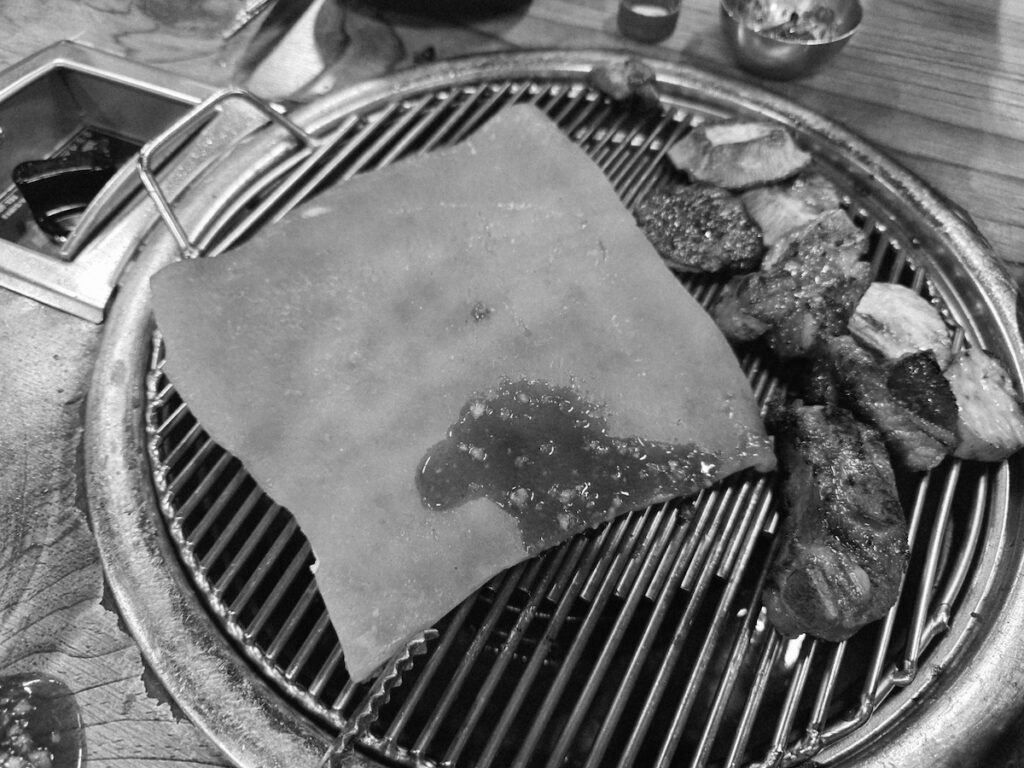
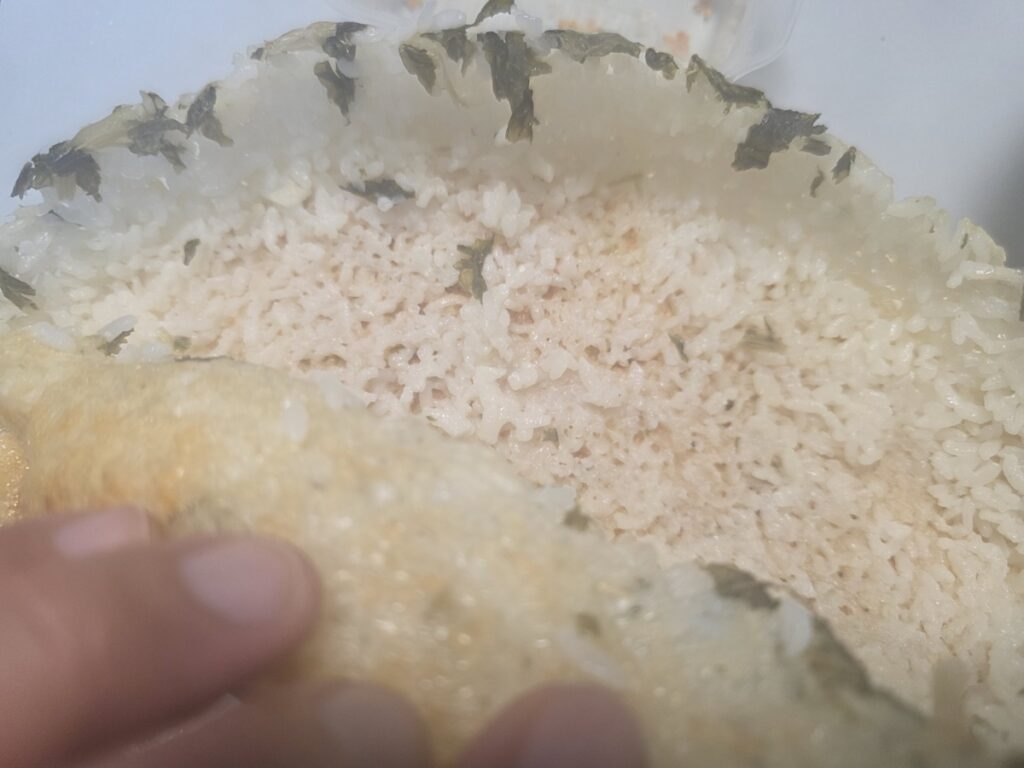
While Seoul’s Michelin-starred kitchens boast induction hobs and precision ovens, the true soul of Korean flavor resides in the rural Agungi (traditional hearth). During my recent journey to the countryside, I stood before a weathered Gamasot (heavy cast-iron pot), a kitchen tool that defies modern convenience. This is not just cooking; it is Korea Travel 2026 at its most primal, a sensory ritual defined by the scent of dancing flames and the rhythmic crackle of pine wood.
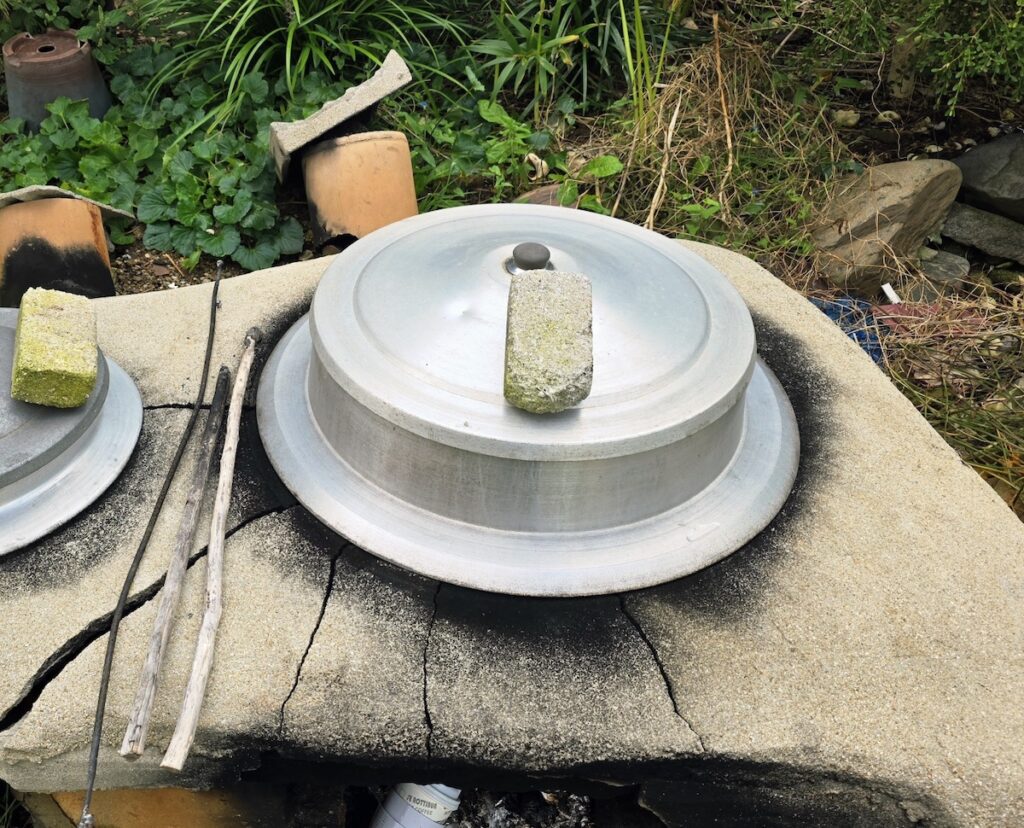
The Gamasot is a masterpiece of ancient thermal engineering. Its thick iron walls and heavy lid create a high-pressure environment that a standard rice cooker can only hope to mimic. The result? Rice that is iridescently pearly and soups that carry the deep, smokey “Umami” of the fire itself.
Redirecting the Travel Compass: From Seoul to the Soul of the Countryside
Current tourism is heavily weighted toward Seoul’s neon lights, but the Traditional Korean Firewood Cooking 2026 experience offers a necessary “Slow Travel” alternative. By engaging in rural stay programs—often referred to as Chon-캉스 (Rural-vacation)—travelers can participate in the Social Contract of communal cooking.
The Cinematic Scent of Woodsmoke
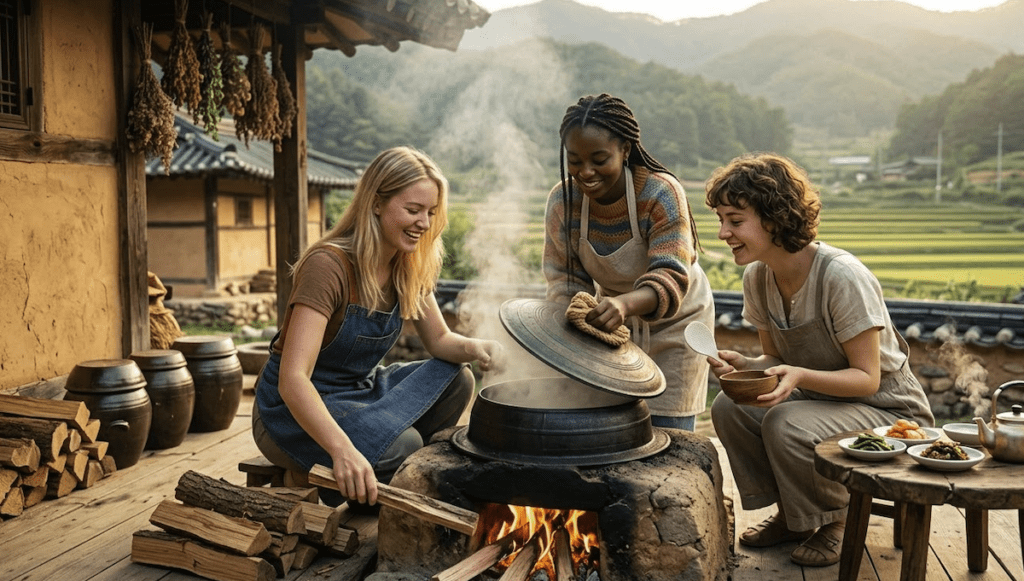
In the countryside, the air is thick with the Scent of Romance. Lighting the Agungi requires patience and a specific physical ritual—tending the flame until it breathes life into the iron pot. For the global traveler, this isn’t just a meal; it’s a meditative escape from the digital noise of the city.
🏗️ Technical Spec: The Science of Gamasot Pressure
| Component | Function | Culinary Result |
| Heavy Cast-Iron Lid | Natural High-Pressure Seal | Fluffy, gelatinized rice grains |
| Agungi (Hearth) | Convection Heat Flow | Even cooking with smoky infusion |
| Soot-Covered Surface | Thermal Efficiency | Sustained heat even after the fire dies |
The Idol’s Hearth: K-Media’s Love for Traditional Firewood Cooking 2026
The global fascination with Traditional Korean Firewood Cooking 2026 has been ignited not just by foodies, but by the cinematic influence of K-Pop and K-Variety shows. When global icons like BTS (in In the Soop) or the cast of Seventeen step away from the stage and stand before a soot-covered Gamasot, they are engaging in a primal Ritual that resonates with millions. Seeing your “Bias” struggle with the smoke of an Agungi (hearth) only to be rewarded with the perfect bowl of rice creates a powerful Social Contract between the star, the land, and the fan.
For a traveler following the Traditional Korean Firewood Cooking 2026 trail, these media moments serve as a spiritual map. Programs like “Three Meals a Day” (삼시세끼) have institutionalized the Gamasot Ritual, turning the rural kitchen into a stage of high-stakes culinary art. This isn’t just about hunger; it’s about the Scent of Romance and the meditative patience required to master the flame—a narrative that transforms a simple rural trip into a legendary pilgrimage.
Regional Curation: Where to Master the Gamasot Ritual 2026
To truly monetize the Traditional Korean Firewood Cooking 2026 experience, one must look toward the specific provinces that have become the backdrop for these cultural phenomena. Each region offers a unique Action Plan for those seeking to escape the urban density of Seoul.
1. Gangwon Province: The Zen of High-Altitude Fire
Known as the filming location for BTS In the Soop, the mountains of Pyeongchang and Jeongson are the ultimate sanctuaries for the Traditional Korean Firewood Cooking 2026 seeker. Here, the ritual involves gathering fallen pine needles to start the fire, cooking “Gondre-bap” (thistle rice) in a heavy Gamasot. The thin, crisp mountain air perfectly complements the thick, earthy smoke of the hearth.
2. Jeolla Province: The Epicenter of K-Food Umami
If you seek the most intense flavors of the Traditional Korean Firewood Cooking 2026 ritual, head to Gochang or Naju. As seen in numerous culinary variety shows, the firewood here isn’t just for heat; it’s an ingredient. The local Rural Stay programs allow travelers to slow-cook stews (Jjigae) for hours over an Agungi, achieving a depth of flavor that modern gas stoves simply cannot replicate.
3. Gyeongsang Province: The Cinematic “Little Forest” Experience
Inspired by the hit film “Little Forest,” the rural villages of Gunwi offer a beautifully curated Traditional Korean Firewood Cooking 2026 experience. This region focuses on the seasonal harmony of the land. Travelers can participate in the entire cycle—from harvesting chestnuts to roasting them on the open embers of the hearth, embodying the true spirit of Experience-based Tourism.
🗺️ Traditional Korean Firewood Cooking 2026: Regional Guide
| Province | Iconic Media Link | Signature Ritual | Best For |
| Gangwon | BTS In the Soop | Pine Fire & Mountain Rice | Healing & Zen Seekers |
| Jeolla | Three Meals a Day | Slow-simmered Stone Soups | Serious Foodies |
| Gyeongsang | Little Forest | Seasonal Harvest Roasting | Aesthetics & Romance |
The Alchemy of Iron and Fire: Why Gamasot Defines Korean Taste
To understand Korea Travel 2026, one must decode the structural genius of the Gamasot. Unlike modern thin-walled pots, a Gamasot is a heavyweight champion of thermal physics, designed specifically to master the temperamental nature of Korean grains and fermented stews.
1. The Heavy Lid: A Natural Pressure Cooker Ritual
The lid of a Gamasot can weigh up to one-third of the entire pot’s weight. This massive iron seal prevents steam from escaping, creating a natural high-pressure environment inside. For the traveler seeking the ultimate Korea Travel 2026 culinary experience, this means rice that is gelatinized to perfection—each grain standing firm yet meltingly soft, a texture known as Al-chan (fully packed with soul).
2. Radiant Heat and the “Hollow Cylinder” Principle
The rounded bottom of the Gamasot allows the flames from the Agungi to wrap around the entire vessel uniformly. This convection flow ensures that there are no cold spots. In the context of Korea Travel 2026, this scientific precision is what allows a simple soybean paste stew (Doenjang-jjigae) to achieve a level of “Umami” that feels like a warm embrace from the earth itself.
3. The Seasoned Surface: A Living Culinary Archive
A well-maintained Gamasot is never truly “clean” in the modern sense; it is “seasoned” with years of oils and flavors. This carbonized layer acts as a natural non-stick surface and infuses every meal with a faint, smoky memory of previous fires. This is the Social Contract of the rural kitchen—you are tasting the history of the house with every bite.
Sensory Advantages: The Soulful Difference in Korean Cuisine
| Feature | Scientific Mechanism | Culinary Result for Korea Travel 2026 |
| Cast Iron Density | Superior heat retention | Consistent “Slow Food” infusion of flavors |
| Woodfire Smoke | Natural aromatic smoking | Deep, earthy scent of pine and oak in the food |
| High Pressure | Steam circulation | Perfectly cooked grains with a pearly finish |
| Nurungji Formation | Controlled scorching | The crunchy, nutty reward at the bottom of the pot |
The “Maillard” Romance: The Scent of the Countryside
The intense, direct heat of the Agungi triggers the Maillard reaction more effectively than any electric stove. This creates a complex flavor profile where the sugars and amino acids in the rice and vegetables toast into a rich, savory crust. For the Korea Travel 2026 enthusiast, the Scent of Romance is actually the smell of carbon and chemistry working in perfect harmony under a heavy iron lid.
Related Guides
- Beyond Tradition: Crafting the Perfect Korean Rice Cake Pairing 2026 – Delve into the sophisticated ritual of matching handmade rice cakes with premium teas, where every bite is a testament to the sincerity of Korean hospitality.
- Korean Chojang Sauce Guide 2026: 10 Reasons It Beats Sriracha – An observant look at the versatile, tangy-sweet alchemy of Korea’s favorite sauce and its role as a culinary disruptor on the global stage.
- Korea Muslim Friendly Dining: Beyond the Screen and Into the Soul – A cinematic journey through Seoul’s inclusive dining landscape, offering a welcoming social contract for travelers seeking authentic and Halal-conscious experiences.
Conclusion: Why You Must Secure Your Korea Travel 2026 Firewood Ritual
The journey to the heart of rural Korea is a journey back to the Scent of Romance and the elemental power of iron and fire. As we look toward Korea Travel 2026, the Traditional Firewood Cooking ritual stands as a cinematic alternative to the rapid pace of urban life. It is a rare opportunity to engage in a Social Contract with the land, where the weight of a Gamasot lid and the patience of an Agungi fire reward you with more than just a meal—they offer a profound spiritual reset.
Whether you are tracing the footsteps of your favorite idols in Gangwon or seeking the deep Umami of Jeolla, this ritual is the ultimate Action Plan for those who crave authenticity. Do not simply visit Korea; breathe it in through the woodsmoke and taste its history through the scorched perfection of Nurungji. This is the soul of the country, waiting to be rediscovered by the modern traveler in 2026.
Action Plan: Booking Your Firewood Pilgrimage
- Search the “Bias” Map: Use platforms like Airbnb or StayFolio to search for “Agungi” or “Gamasot” in the Gangwon and Jeolla regions.
- Verify the Ritual: Ensure the host provides a guided Traditional Korean Firewood Cooking 2026 experience, rather than just a decorative fireplace.
- Capture the Scent: Document the lighting of the fire. In the digital age, the visual of a crackling Agungi is the ultimate proof of an Authentic Vegan Korean Experience.