The Korean Chojang Sauce Guide 2026 introduces a liquid gold that has transcended its origins in coastal fish markets to become a global culinary phenomenon. Chojang, a sophisticated blend of fermented red chili paste (Gochujang), vinegar, and sweetness, offers a flavor profile that is far more complex than standard hot sauces. As the world seeks more nuanced heat, this “Crimson Alchemist” is reclaiming its spot on the international stage, offering a bridge between traditional Korean rituals and modern wellness.
Chojang vs. Sriracha: The Rise of a New Contender
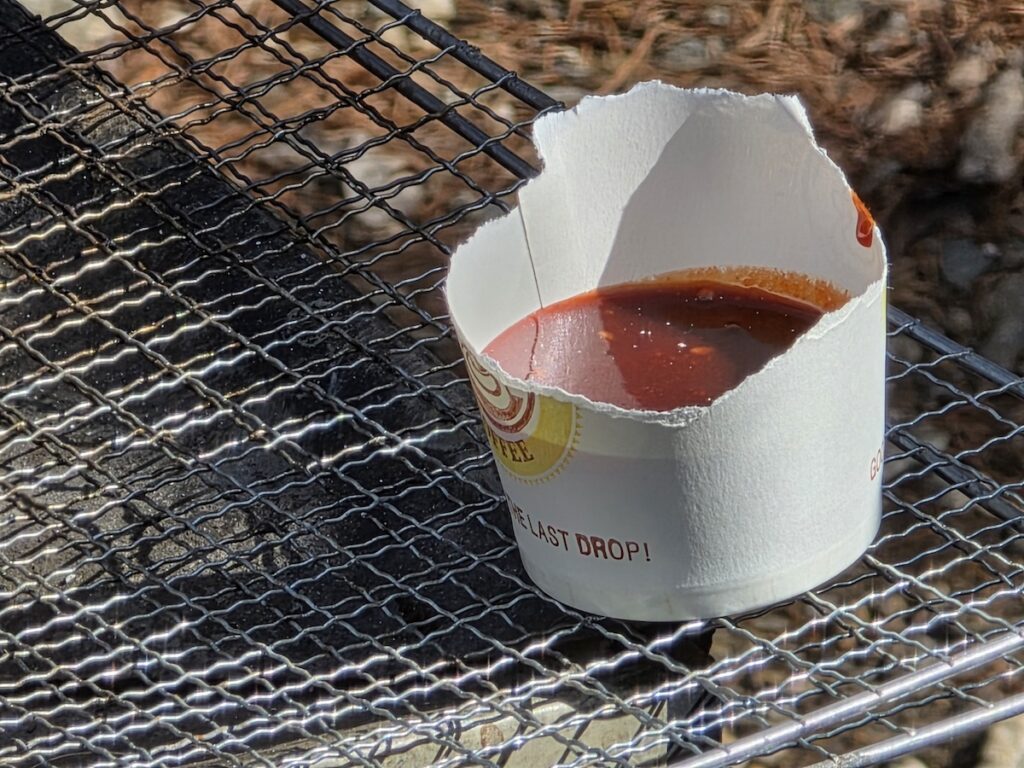
For years, Sriracha held the crown of the global table sauce. However, with recent supply chain instabilities and a growing desire for “Umami-depth,” foodies are turning to Chojang as the premier Sriracha Alternative. While Sriracha provides a sharp, garlicky burn, Chojang delivers a three-dimensional experience: the initial kick of the chili, the refreshing tang of vinegar, and a velvety sweet finish.
This acidity is the “Social Contract” of the sauce—it cleanses the palate and breaks down the heaviness of oils, making it a superior finishing sauce for everything from avocado toast to complex poke bowls.
Flavor Profile Comparison: Chojang vs. Sriracha
| Feature | Sriracha (Thai-Style) | Chojang (Korean-Style) |
| Main Base | Chili, Garlic, Vinegar | Fermented Chili, Vinegar, Sugar |
| Texture | Matte & Thick | Glossy & Velvety |
| Taste Arc | Linear Heat | Tangy Sweet-Spicy Complexity |
| Best Pairing | Noodles & Burgers | Seafood, Steamed Greens, Vegan Bowls |
The Vegan Desire: Spice Without Compromise
One of the most profound narratives in the Korean Chojang Sauce Guide 2026 is its resonance with the vegan community. Plant-based diets, while healthy, can sometimes suffer from “flavor fatigue.” Chojang acts as a sensory awakening.
In Korea, the “Broccoli Ritual” is a household staple—simply dipping blanched broccoli into Chojang transforms a humble vegetable into a gourmet experience. For vegans globally, this sauce offers a way to satisfy primal cravings for bold, addictive flavors without any animal-derived ingredients. It is the ultimate “cheat code” for healthy eating, proving that “Green Living” can still be “Red Hot.”
The Molecular Harmony of Fermentation: A Nutritional Analysis of Chojang
To understand the Korean Chojang Sauce Guide 2026 with professional depth, one must look beyond its vibrant color and into its biochemical composition. Chojang is not merely a mixture; it is a fermented synergy. The foundation is Gochujang (fermented red chili paste), which undergoes a complex aging process involving meju (fermented soybean powder), glutinous rice, and red chili powder. This fermentation process produces protease and amylase enzymes, which significantly aid in digestion—a primary reason why Koreans have historically paired this sauce with raw, cold proteins like seafood.
From a nutritional standpoint, Chojang is a powerhouse of bio-active compounds. The capsaicin from the chili peppers provides a metabolic boost and releases endorphins, while the addition of vinegar (acetic acid) serves as a natural preservative and a blood-sugar stabilizer. Furthermore, the inclusion of minced garlic adds allicin, known for its anti-inflammatory and cardiovascular benefits. Unlike oil-based Western dressings, Chojang is virtually fat-free, making it an elite choice for those monitoring lipid intake.
Biochemical Profile of Traditional Chojang
| Component | Nutritional Function | Health Impact |
| Capsaicin (Chili) | Thermogenic Agent | Metabolism Boost & Pain Relief |
| Acetic Acid (Vinegar) | PH Regulator | Enhanced Mineral Absorption |
| Isoflavones (Soybean) | Plant-based Protein | Heart Health & Hormonal Balance |
| Allicin (Garlic) | Antimicrobial | Immune System Support |
| Organic Acids | Digestive Enzyme Catalyst | Improved Gut Health |
The “glossy” finish that defines high-quality Chojang comes from natural sweeteners, often grain syrup (mulyeot) or plum extract (maesil-cheong). The latter adds an additional layer of organic acids, specifically citric acid, which is renowned in Korean traditional medicine for fatigue recovery and liver detoxification. For the professional chef or the health-conscious vegan, Chojang represents a masterclass in Functional Condiments—where flavor is a byproduct of nutritional optimization.
Related Guides
- 7 Health Benefits of Grilled Garlic in Korean BBQ: Sliced vs. Whole Debate – A deep dive into the nutritional chemistry and the fiery ritual of grilling garlic at the Korean barbecue table.
- 6 Transformative Secrets of an Authentic Vegan Korean Temple Food Experience – Explore the cinematic stillness and the soulful philosophy behind Korea’s original plant-based culinary art.
- The Healing Power of Siraegi-bap: 7 Secrets of a Healthy Vegan Korean Rice Ritual – Discover the rustic charm and digestive wisdom of dried radish greens, a true sanctuary for the vegan palate.
The Cinematic Influence: From Idols to Hollywood
The global obsession with Chojang didn’t happen in a vacuum. It was fueled by the “Screen to Soul” effect:
- The Idol Effect: Global superstars like BTS and Blackpink have been seen in various reality series enjoying the “Hoe-muchim” (raw fish salad) ritual, where Chojang is the undisputed star. Their effortless enjoyment has turned this red sauce into a symbol of “Extreme Freshness.”
- Hollywood Endorsements: Following the lead of stars like Brooke Shields—who famously shopped for Korean ingredients in New York—and Emma Stone, who has praised the addictive nature of K-flavors, Chojang is now a staple in the “Wellness Bowls” of the Los Angeles elite.
- Drama Rituals: In culinary-themed K-Dramas like Let’s Eat, the visual of Chojang being drizzled over a bowl of rice and fresh vegetables is portrayed with cinematic reverence, making it a “must-try” for any fan of Korean culture.
Cultural Context: The Ritual of the “Muchim”
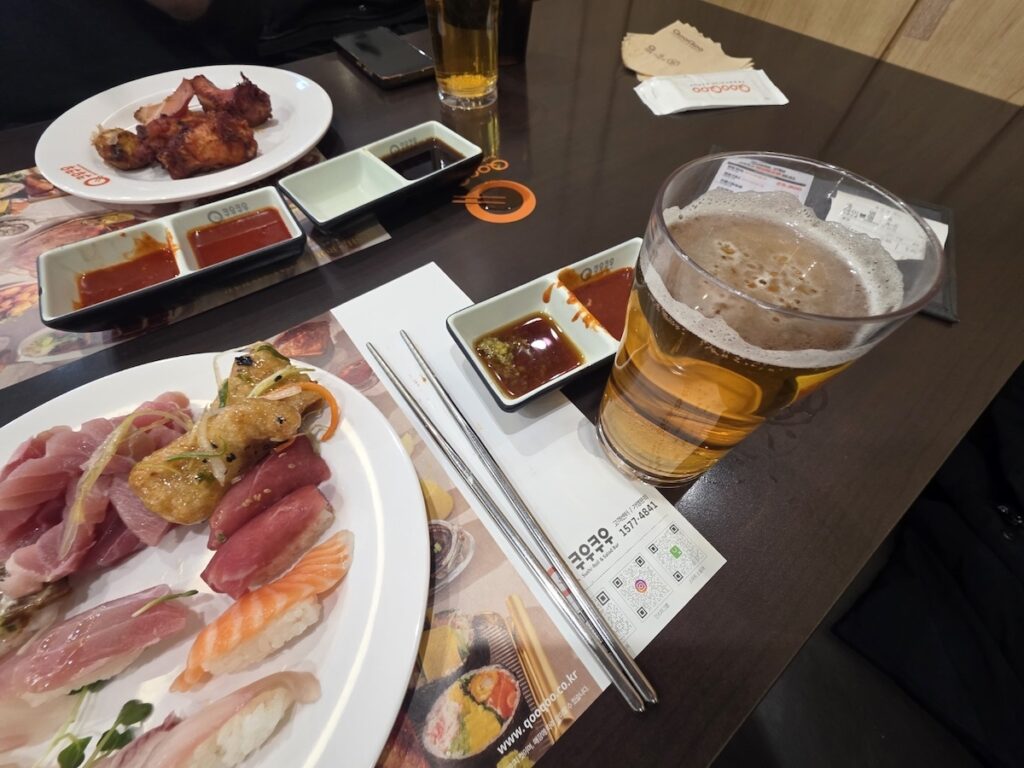
To understand Chojang is to understand the Korean art of Muchim (Seasoning). Unlike Western salads that use oil-based dressings, a Korean Muchim uses Chojang to “awaken” the ingredients. Whether it’s oysters, cockles, or simple seaweeds, the sauce acts as a preservative and a flavor enhancer. For a foreigner, experiencing Chojang for the first time is often a “Reverse Misconception”—they expect pain (heat), but they find joy (balance).
Action Plan
- The “Sriracha” Swap: Next time you reach for hot sauce for your salad or bowl, replace it with Chojang to experience the “Vinegar Kick.”
- Master the Broccoli Ritual: Blanch broccoli for exactly 30 seconds, chill in ice water, and serve with a side of cold Chojang for a 100% vegan snack.
- Check the Gloss: When buying Chojang (available at H-Mart or online), ensure it has a “High Gloss” finish—this indicates a perfect balance of fermentation and sweetness.
- Try the “Idol Blend”: Mix a teaspoon of sesame oil into your Chojang for an even deeper, nuttier flavor profile, a secret trick used in high-end Seoul restaurants.