The Korean Barley Tea Culture 2026 is not merely a trend of nostalgia; it is a sophisticated reclamation of a glass legacy that once defined the golden era of Korean domestic life. In the late 1980s and 90s, the Del Monte orange juice bottle was more than a beverage container—it was a heavy, cold, and transparent symbol of a rising middle class.
Today, this iconic glass vessel is making a cinematic return to Seoul’s trendiest eateries, bridging the gap between historical thriftiness and modern wellness rituals.
The Heavy Glass Ritual: A Legacy of Affordable Luxury
Before the era of instant delivery and ubiquitous plastic, the Del Monte glass bottle represented a premium experience. In a typical Korean household, purchasing this juice was a deliberate choice. The liquid inside was a treat, but the bottle itself was the real investment. To throw away such a sturdy, high-quality glass vessel felt like an act of cultural defiance. Its thick walls and ergonomic grip made it the “indestructible tank” of the Korean refrigerator.
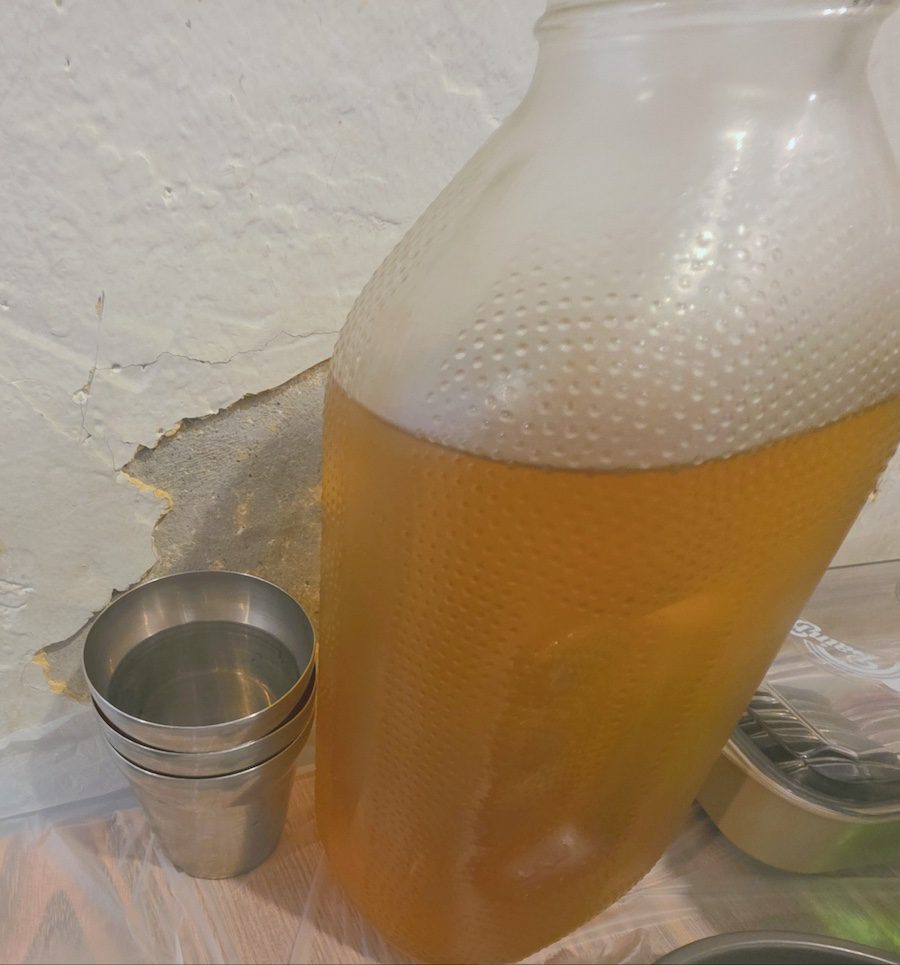
This inherent value birthed a nationwide ritual: once the orange juice was finished, the bottle was meticulously washed and repurposed as the permanent home for Bori-cha (Barley Tea). This transition from a sugary foreign import to a traditional roasted grain tea marks a fascinating intersection of global branding and local adaptation.
Cultural Context: Why Koreans Boil Their Water
In Korea, water is rarely just $H_2O$. It is a gesture of hospitality known as “Jeong.” When you enter a traditional restaurant, the “Free Drink” provided is a social contract—a sign that you are a guest, not just a customer. While modern homes often rely on high-tech filtration systems or bottled water subscriptions, the elite “wellness seekers” and those yearning for home-cooked comfort are returning to the pot.
Boiling barley or Gyeol-myeong-ja (Cassia Tora) is a labor of love. It requires roasting the grains to the perfect charcoal hue and simmering them until the water turns a deep, amber gold. This is the scent of a Korean childhood: the toasted, nutty aroma wafting through the kitchen as the tea cools down to be poured into that legendary glass bottle.
The Science of Hydration: Barley vs. Cassia Tora
The health benefits of these grain teas are rooted in centuries of Eastern medicine, making them a perfect recommendation for the modern vegan and health-conscious traveler.
Comparison of Korean Traditional Teas
| Feature | Bori-cha (Barley Tea) | Gyeol-myeong-ja (Cassia Tora) |
| Scientific Name | Hordeum vulgare | Senna tora |
| Primary Health Goal | Digestive Comfort & De-bloating | Ocular Health & Liver Detox |
| Flavor Profile | Nutty, Roasty, Mild | Earthy, Deep, Slightly Bitter |
| Caffeine Content | 0mg (Caffeine-Free) | 0mg (Caffeine-Free) |
| Best For | Daily All-day Hydration | Evening Detox & Eye Fatigue |
For vegans, these teas offer a “meaty” depth of flavor without any animal products or artificial additives. The roasting process creates a complex profile that satisfies the palate in a way plain water cannot.
The Hydration Hierarchy: From Domestic Roots to Five-Star Luxury
While the Del Monte bottle represents the soulful, domestic side of Korean life, the modern landscape of Luxury Water Service Seoul Restaurants 2026 has introduced a sophisticated hierarchy. In the current era, the way water is served has become a silent metric of a venue’s hospitality and social standing. This shift from the communal “fridge bottle” to premium curated services marks the evolution of the Korean Social Contract.
1. The Purity Protocol: Premium Bottled Water in Hotels
In Seoul’s elite 5-star hotels, such as the Signiel or the Shilla, the “Free Drink” has been elevated to a branded experience. Here, water is no longer served in a reused glass pitcher but as a sealed, premium product. Whether it is volcanic bedrock water from Jeju Island or internationally sourced mineral brands, the presence of an unopened bottle on the bedside or the dining table is a guarantee of “Flawless Purity.” For the guest, this is the ultimate luxury—a private, untouched source of hydration that reflects the hotel’s commitment to perfection.
2. The Porcelain Wisdom: Thermal Hospitality in Fine Dining
Contrastingly, in the world of high-end Chinese cuisine or traditional Korean “Hanjeongsik,” hydration takes a warmer turn. Instead of ice-cold barley tea, these establishments serve warm Jasmine or Oolong tea in heavy porcelain pots. This is a deliberate “Action Plan” for the guest’s digestion. The warmth helps break down the oils of a rich meal, embodying a form of care that extends beyond mere thirst. It is a functional, plant-based hydration ritual that appeals deeply to the modern vegan and health-conscious diner.
3. Comparison of Hydration Standards in Seoul 2026
| Category | Typical Vessel | Tea/Water Type | Cultural Nuance |
| Nostalgic BBQ | Del Monte Glass | Chilled Barley Tea | “Jeong” (Affection) |
| 5-Star Luxury | Premium Plastic/Glass | Mineral Water | Status & Purity |
| Fine Dining | Porcelain Teapot | Warm Jasmine/Grain | Digestive Health |
| Modern Cafe | Designer Carafe | Infused Lemon/Herb | Aesthetic Lifestyle |
Why the “Ritual of Pouring” Still Matters
Whether it is the heavy weight of a 90s glass bottle or the delicate handle of a porcelain teapot, the act of pouring water for others remains the core of Korean dining etiquette. Even in 2026, where high-tech purifiers and online water deliveries are the norm, the “Effort of Preparation”—boiling the grains or sourcing the finest bottle—is how a host shows sincerity. For a visitor, understanding this hierarchy is the key to unlocking the true depth of Korean hospitality.
Related Guides
- Korea Muslim Friendly Dining: Beyond the Screen and Into the Soul – Discover how Seoul is expanding its culinary horizons to welcome global flavors while maintaining local soul.
- 10 Trendy Coffee Bean Bread Rituals in Gangnam 2026: A New Street Food Era – Explore the cinematic evolution of Gangnam’s street snacks and the modern rituals surrounding them.
- K-BBQ Rituals in Seoul: The Hidden Psychology of the Paper Cup – An observant look into the small, everyday objects that define the Korean social contract at the barbecue table.
The Misconception: Is It Just “Old Fashioned”?
Foreign visitors often mistake the brown liquid in a recycled bottle for a strange liquor or a spoiled juice. However, the reality is quite the opposite. Seeing a Del Monte bottle filled with amber tea in a modern Seoul restaurant is a sign of Premium Curation. It tells the guest: “We didn’t just buy a plastic bottle; we boiled this tea ourselves, just like your mother did.” It is a high-effort ritual in a low-effort world.
The “Oh My Card” Moment: A Ritual of Order
The scene at a bustling Seoul barbecue joint is chaotic yet orderly. You reach for the heavy glass bottle, condensation dripping down its sides. The weight of the glass requires a firm grip—a physical reminder of the quality. As you pour the ice-cold Bori-cha into a stainless steel cup, the “clink” of the glass against the metal is the opening bell for the meal. This is the Midnight Run to the fridge, the silent “Social Contract” of sharing a drink before the first piece of meat hits the grill.
Conclusion: The Soul in the Glass
The evolution of Korean Barley Tea Culture 2026 teaches us that hydration in Korea is never just about quenching thirst; it is a profound medium of storytelling. From the heavy, condensation-streaked Del Monte glass bottles that define nostalgic BBQ nights to the pristine porcelain teapots of Gangnam’s fine dining, the vessel may change, but the spirit of “Jeong” remains constant.
Whether it is a mother boiling barley grains for her family’s health or a luxury hotel sourcing volcanic water for a guest’s comfort, the ritual of providing water is a sacred social contract. For the modern traveler and the health-conscious vegan, these traditions offer a unique window into the Korean soul—one that values resourcefulness, hospitality, and the timeless wisdom of plant-based wellness.
Action Plan: Mastering the Korean Hydration Ritual
To fully immerse yourself in the local culture and optimize your health during your stay in Seoul, follow these professional steps:
- Spot the “New-tro” Icon: When dining at a traditional BBQ or “Kitsch” restaurant, check if they serve water in a repurposed glass bottle. If they do, the tea is likely house-made; enjoy its roasted depth as a sign of high-quality hospitality.
- Temperature Etiquette: In upscale Chinese or Korean “Hanjeongsik” venues, always sip the warm tea provided before the meal. This prepares your digestive system for heavier courses, a key health secret among locals.
- The Vegan Beverage Hack: Use the ‘CatchTable’ or ‘MangoPlate’ apps to find “Traditional Tea Houses” in Insadong or Samcheong-dong. Specifically request Oksusu-cha (Corn Tea) or Bori-cha (Barley Tea) for a caffeine-free, 100% plant-based energy boost.
- Premium Hydration Check: If you are staying at a luxury hotel, verify the source of your complimentary bottled water. Brands like Jeju Samdasoo are prized for their mineral content and are a staple of the high-end Korean wellness lifestyle.
- Smart Shopping: If you want to replicate this ritual at home, visit a local Lotte Mart or SSG Food Market to find pre-packaged, roasted grain tea bags specifically designed for cold brewing in glass carafes.