For decades, the average Korean’s perception of the Muslim world was shaped by the flickering blue light of a cinema screen. It was a land of sand and mystery, often viewed through the narrow lens of Hollywood action films or distant news reports. There was a profound lack of interest, born not from hostility, but from a vast geographical and cultural distance.
However, the ritual of connection has shifted dramatically, moving from the screen into the very soul of our society. Today, Korea Muslim Friendly Dining is no longer a niche requirement; it is a sophisticated expression of Korean hospitality and a bridge to a new global friendship.
1. The K-Pop Bridge: From Jakarta Stages to Seoul Streets
Today, the bridge between Korea and the Muslim world is built with music. When K-pop icons like Blackpink or BTS perform in Jakarta or Singapore, they don’t just sing; they engage in a ritual of respect. A defining moment for many Koreans was seeing idols wear local traditional attire or hearing them greet fans with “Assalamu alaikum” on stage.
This cultural exchange flows back to Seoul. We now see fans in vibrant hijabs singing along to lyrics in perfect Korean. This sight has shattered old cinematic stereotypes. To a Korean, seeing a Muslim traveler embrace K-pop creates an instant sense of “Chingu” (friendship). You are no longer a stranger from a movie; you are a peer who shares our cultural language. This newfound closeness is the driving force behind the evolution of Korea Muslim Friendly Dining.
2. The Luxury Shift: Sophisticated Halal Experiences
As the bond deepens, the dining scene is moving beyond simple street food. Modern travelers from Singapore or the Gulf seek the same “Sophisticated Rituals” as any luxury explorer. They want high-end dining that respects their values without compromising on quality. The shift toward premium, Muslim-friendly options reflects a growing maturity in Korean hospitality.
3. Fine Dining Rituals: The Sacred Art of the Korean Table
In the upscale districts of Seoul, Korea Muslim Friendly Dining is reaching its pinnacle. This is not just about removing ingredients; it is about creating a masterpiece of purity and taste.
3.1 The Private Hanok Sanctuary
Luxury dining often begins in the quiet courtyards of restored Hanoks. For a Muslim family, privacy is a vital ritual. These establishments offer exclusive “Saranchae” (guest rooms) where you can dine away from the public eye. The architecture itself—the warm wood and paper walls—creates a cinematic backdrop for a meal that feels like a royal ceremony.
3.2 The Masterpiece of Halal Hanwoo
The ultimate highlight of Korea Muslim Friendly Dining is the introduction of Halal-certified Hanwoo (Korean Beef). Hanwoo is legendary for its marbling and deep umami. In high-end spots, this beef is grilled over “Bichotan” (white charcoal), which produces an incredibly clean heat. The ritual of watching a master chef slice the marbled beef—ensuring no cross-contamination and using dedicated utensils—is a performance of respect. It is the gold standard of luxury for those who seek the best without compromise.
3.3 Royal Court Cuisine: The King’s Vegan and Seafood Ritual
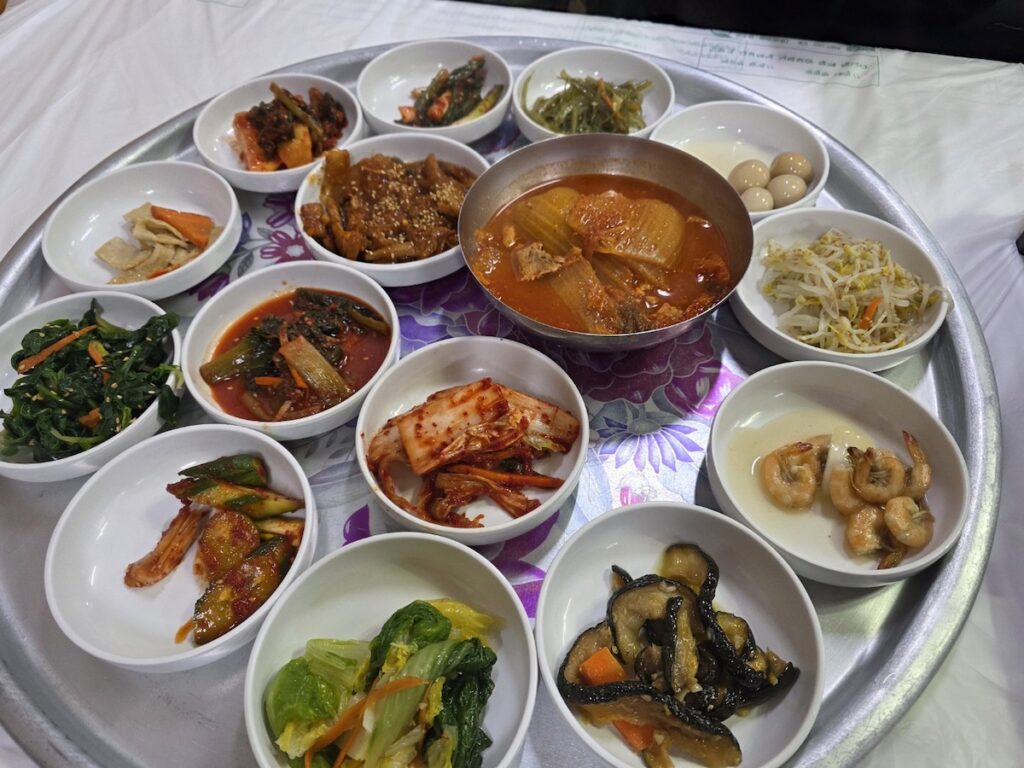
Before the modern era, Korean Kings dined on “Sura-sang,” a table of 12 distinct dishes. Many of these recipes are naturally compliant with Muslim needs, focusing on the essence of the earth and sea. Imagine delicate pine nut porridge, followed by braised abalone and seasonal roots gathered from deep mountain forests. These dishes use natural fermentation instead of alcohol-based seasonings, offering a complex flavor profile that is both pure and sophisticated.
3.4 The Tea Ceremony: A Liquid Conclusion
A luxury meal ends with the “Darye” (tea ritual). In a Muslim-friendly setting, the focus is on fermented ginger or plum teas that aid digestion. The host pours the tea with both hands, a gesture of deep humility. This final touch ensures the guest feels honored, closing the meal with a sense of peace that transcends language barriers.
4. Navigating the Misunderstandings: The Cleanliness Ritual
A common misunderstanding used to be that Halal was simply about “no pork.” But through interaction, Korea is learning it is a ritual of total purity. High-end restaurants now highlight their “Purity Chain,” ensuring that every tool, from the knife to the cutting board, is handled with a discipline that mirrors the traveler’s own values. This is shared respect for quality and soul.
5. The Shared Ritual of a Global Connection
Just as a master monitors the tilt of a griddle, the host of a luxury Muslim-friendly restaurant monitors the flow of the experience. The goal is to ensure the guest feels seen. Whether you are a fan who followed K-pop to its roots or a business traveler seeking the finest Hanwoo, the ritual of the Korean table is now more inclusive than ever, inviting the world to taste our soul.
6. Action Plan: Finding Luxury in Korea
- 6.1 Seek the Official Seals: Always check for the Korea Tourism Organization’s “Muslim Friendly” or “Halal Certified” plaques at the entrance.
- 6.2 The Advanced Booking Ritual: When reserving high-end spots, explicitly request a “No Alcohol, No Mirin” preparation to allow the chef to curate a dedicated menu.
- 6.3 Specialized Apps: Use the “Halal Korea” app to find real-time, verified luxury dining locations in Seoul’s Gangnam and Jongno districts.
7. Related Guides: Master Your Korea Muslim Friendly Dining
- 7 Best Korean Spicy Raw Fish Salad Spots Near Incheon Airport to Visit If you have just landed in Korea and are looking for your first “Purity-guaranteed” meal, these spicy raw fish spots offer a fresh, alcohol-free start to your journey right by the airport.
- The Healing Power of Siraegi-bap: 7 Secrets of a Healthy Vegan Korean Rice Ritual Similar to the stone-pot rice ritual discussed in this guide, Siraegi-bap (dried radish greens rice) provides a deep, earthy soul-food experience that is 100% plant-based and safe for every Muslim traveler.
- 8 Vegan Banchan Secrets for a Stress-Free Korean Food Trip Mastering the art of navigating side dishes is crucial. This guide explains which traditional Banchans are naturally free from hidden animal fats, ensuring your dining ritual remains pure and worry-free.
8. The National Vision: Korea’s Strategic Embrace of Halal Purity
The rise of Halal food in Korea is not a mere trend; it is a grand national strategy to transform the peninsula into a global hub of inclusive gastronomy. To the Korean government and the food industry, Halal represents the pinnacle of food safety and systematic hygiene. This “Grand Vision” is about more than just catering to a demographic—it is about elevating the entire Korean food chain to meet the most rigorous global standards of purity and ethics.
8.1 The Philosophy of “K-Halal”: A Global Benchmark of Quality
For Korea, the pursuit of Halal certification is seen as a badge of honor that proves Korean food can be trusted by anyone, anywhere. Major Korean food corporations have invested billions into dedicated Halal production lines, ensuring that everything from the classic Gochujang (red chili paste) to instant noodles is produced without a single drop of alcohol or cross-contamination with prohibited substances. This is a macro-level commitment to “Purity as a Service,” positioning Korea as a country that respects the spiritual and physical well-being of its international guests.
8.2 Famous Halal Culinary Landmarks in Korea
While the vision is grand, the execution is found in specific, high-end locations that have become icons of Korea Muslim Friendly Dining. These spots are where the national strategy meets the plate:
- The Maju-han (The Encounter) Ritual: Located in premium hotels and specialized districts like Itaewon and Gangnam, these restaurants offer Halal-certified Korean course meals. Here, the ritual involves “Sura-sang” (Royal Table) styles where every ingredient’s origin is tracked and verified.
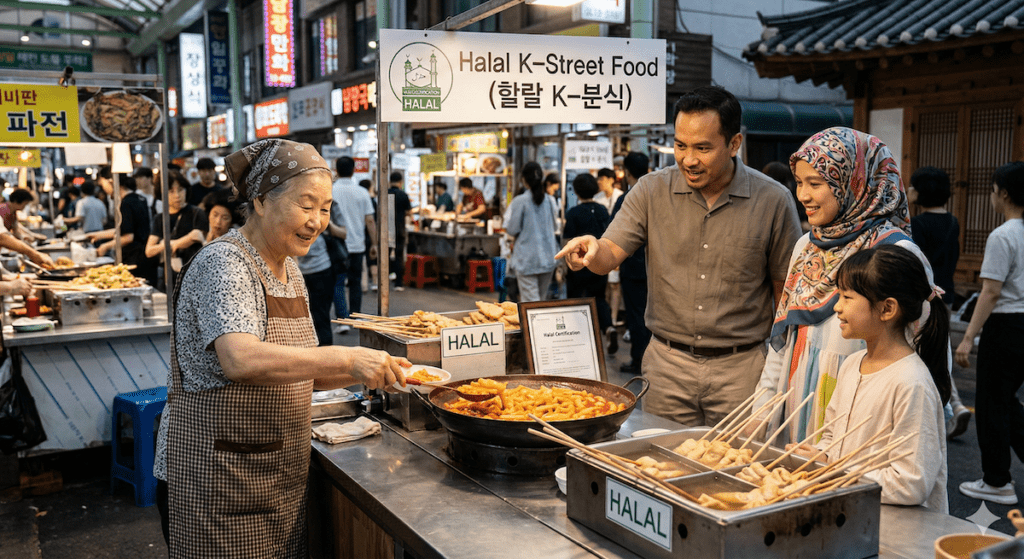
- The Street Food Evolution: Even the humble Tteokbokki (spicy rice cakes) has undergone a transformation. In major tourist zones, you can now find vendors using Halal-certified sauces, allowing Muslim travelers to participate in the visceral, cinematic experience of Korean street life without hesitation.
- Halal Hanwoo Hubs: Specialized butcher shops and upscale BBQ houses in Seoul have pioneered the “Halal Hanwoo” movement, importing specialized skills to ensure that Korea’s most prized beef is prepared with the utmost religious and culinary integrity.
8.3 A Nation Without Borders: The Future of Inclusive Hospitality
Ultimately, Korea views Halal food as a bridge to the world. It is an acknowledgment that to be a truly global leader in culture (K-Culture), one must be a leader in cultural empathy. By integrating Halal requirements into the national food infrastructure, Korea is sending a message: “Your values are our values.” This sophisticated approach ensures that every Muslim traveler feels not just like a visitor, but like a guest of honor at a table that has been meticulously prepared just for them.
9. Conclusion: Korea’s Open Door to a Pure Culinary Future
The evolution of Korea Muslim Friendly Dining is a testament to the country’s profound respect for global diversity and cultural integrity. What began as a distant curiosity shaped by cinema has transformed into a sophisticated national mission to provide the ultimate hospitality experience for Muslim travelers. By prioritizing “Purity as a Service,” Korea is not just offering a meal; it is offering a sanctuary where faith and flavor coexist in perfect harmony.
As the bridges built by K-pop continue to bring us closer, the ritual of the Korean table remains an open invitation. Whether you are savoring the marbled perfection of Halal Hanwoo or participating in the ancient tradition of a Hanok tea ceremony, you are partaking in a vision of a world without borders. For the modern explorer, the message is clear: the soul of Korea is ready to be tasted, respected, and shared by all who seek the finest standards of culinary excellence.