5 Umami Secrets of Ganjang-gejang: The Ultimate Soy-Marinated Crab and Seaweed Ritual starts with a silent tension—the moment the deep, amber-infused shell is cracked open to reveal a silken, oceanic treasure.
Known globally as the “Rice Thief” (Bap-doduk), Ganjang-gejang is not merely a dish; it is a sophisticated fermentation ritual that captures the raw essence of the sea within a complex web of aged soy sauce. For the uninitiated, it is an adventurous leap; for the connoisseur, it is a cinematic experience where the brine of the crab meets the earthy toastiness of roasted seaweed.
The Nutritional Alchemy: Beyond the Savory Brine
While often celebrated for its intense flavor, the nutritional profile of Ganjang-gejang is surprisingly robust.
- Chitosan & Recovery: The shells, though not eaten directly, infuse the marinade with Chitosan, known for its immune-boosting properties.
- Taurine Overload: Raw crab is exceptionally high in Taurine, an amino acid that supports liver function and provides a natural energy surge—making it a favorite for those recovering from the exhaustion of Seoul’s fast-paced life.
- Probiotic Fermentation: The soy marinade, often boiled with ginger, garlic, and medicinal herbs, acts as a fermented catalyst that aids digestion, despite the dish being served raw.
The Ritual: The Symphony of Crab, Rice, and Gim
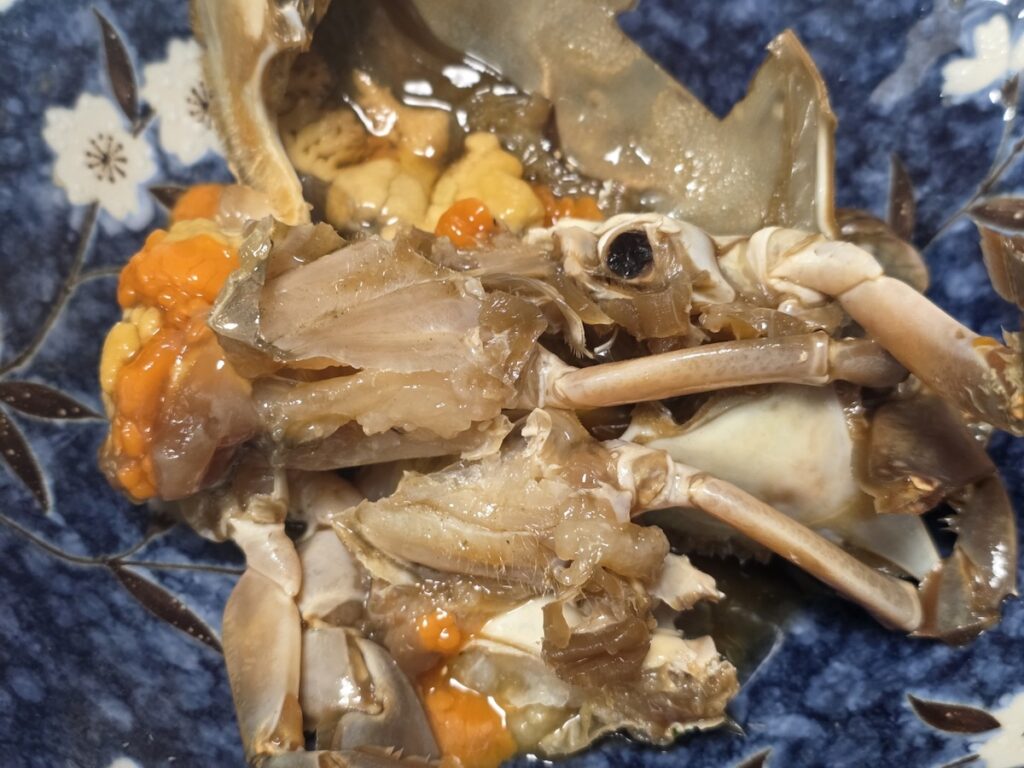
The true climax of Ganjang-gejang is not found in the legs, but in the Ge-ttak-ji (the carapace).
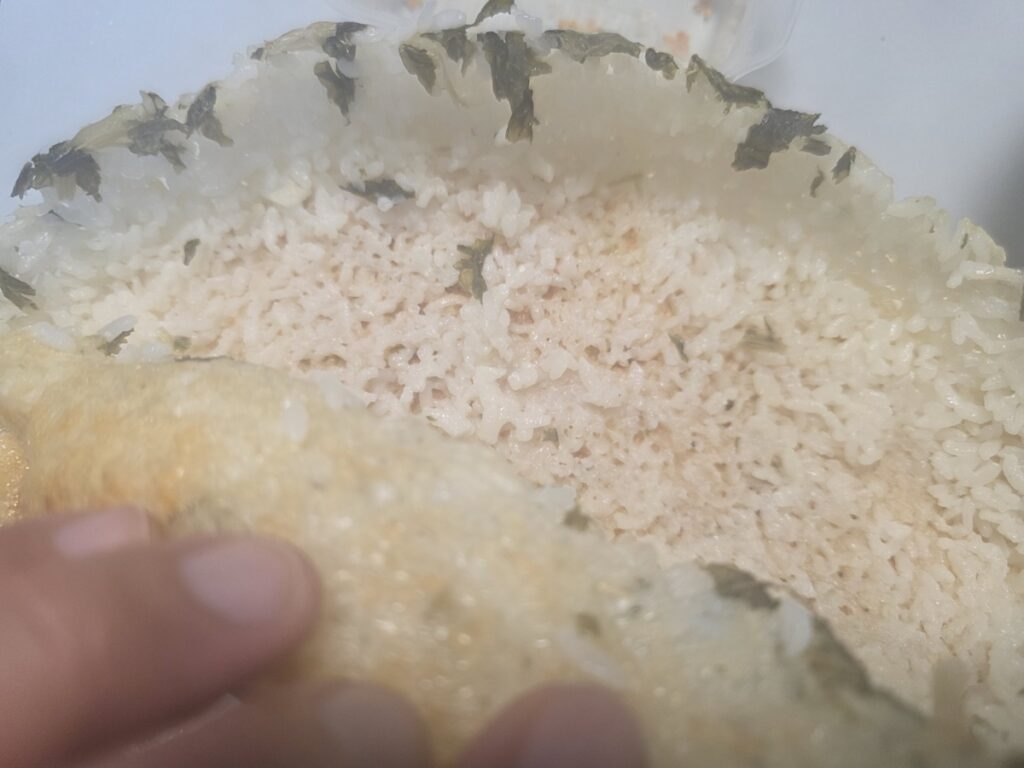
- The Blend: You take a spoonful of warm, premium white rice and nestle it into the corners of the shell, where the golden roe and creamy tomalley linger.
- The Umami Fusion: A drizzle of the aged soy marinade is added, creating a rich, velvet-like emulsion.
- The Seaweed Wrap (Gim): This is where the magic happens. You take a sheet of crisp, unseasoned or lightly salted Gim (Seaweed) and wrap the rice-crab mixture. The seaweed provides a structural crunch and a concentrated hit of iodine that elevates the sweetness of the raw crab meat to a transcendental level.
The Global Muse: A Culinary Rite of Passage for Icons
The allure of Ganjang-gejang has transcended the borders of Seoul, captivating the palates of the world’s most discerning culinary authorities and global stars who seek the “peak of flavor.”
The Michelin Star Enigma: Gordon Ramsay and Eric Ripert
While K-Pop idols brought Ganjang-gejang to the mainstream, it is the world’s elite chefs who have validated its complexity. Gordon Ramsay, during his visits to Seoul, has often expressed his fascination with the depth of Korean fermentation. Similarly, Eric Ripert, the legendary chef of the three-Michelin-starred Le Bernardin, is a known aficionado of Korean temple food and fermented seafood. For these masters of French technique, the soy-marinated crab represents a level of Umami that cannot be replicated by reduction or aging alone—it is a “living sauce” that challenges the western culinary canon.
Hollywood’s “Adventurous Palate”: Conan O’Brien & Cardi B
Ganjang-gejang has also become a viral sensation among Western entertainers looking for an authentic Seoul experience.
- Conan O’Brien’s Seoul Odyssey: During his legendary trip to Korea, the late-night host’s encounter with “The Rice Thief” showcased the dish to millions of viewers worldwide as a daring yet rewarding ritual.
- The Cardi B Connection: The global rap icon has famously shared her love for Korean snacks and fermented dishes on social media, sparking a massive trend among her followers to seek out the “Jelly-like” texture of raw marinated seafood, further cementing its status as a “Hip” global delicacy.
The “Bucket List” Dish for Fashion Icons
During Seoul Fashion Week, the upscale Ganjang-gejang boutiques of Gangnam become unofficial meeting spots for international models and designers. For them, it is the ultimate “Beauty Food”—low in calories but rich in collagen and taurine, providing a high-energy, skin-glowing meal that doesn’t cause the bloating associated with heavy starch or dairy.
The Gim Ritual: Why Unseasoned Seaweed is the Crab’s Best Ally
In the architecture of a Korean meal, Gim (Dried Seaweed) is often misunderstood as a simple salty snack. However, when paired with Ganjang-gejang, the choice of seaweed becomes a critical culinary decision.
Seasoned vs. Unseasoned: The Purist’s Choice
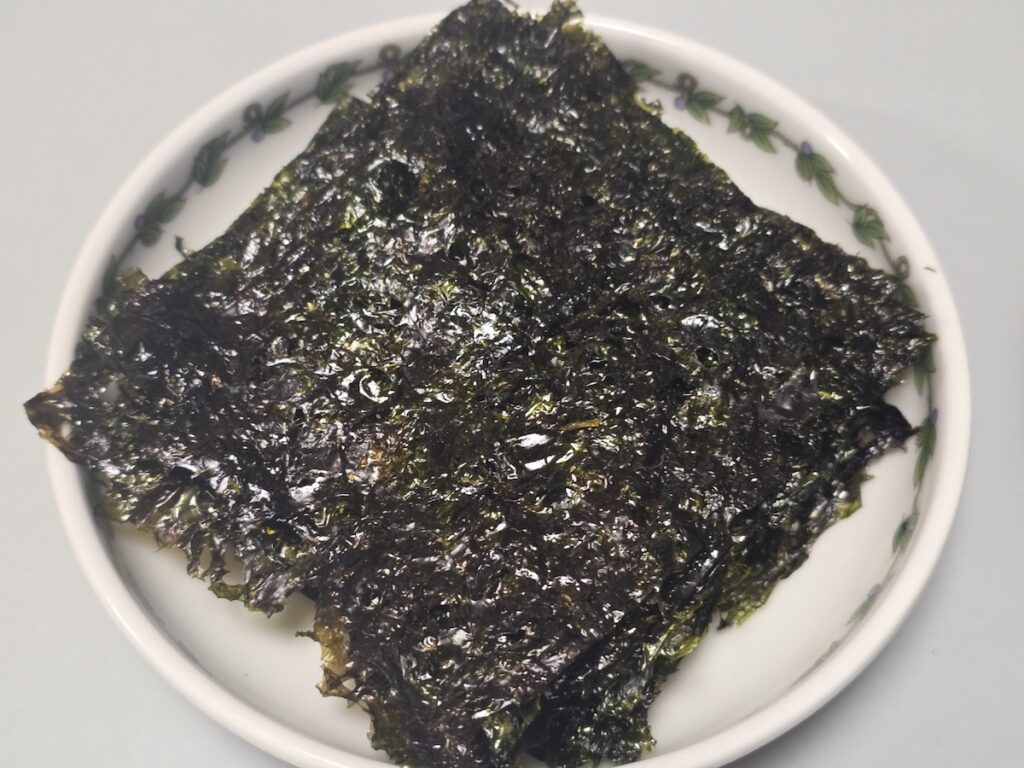
While the world loves the crispy, oily, and salted “Seasoned Gim,” true connoisseurs of Ganjang-gejang insist on Seng-gim (Unseasoned, Toasted Seaweed).
- The Flavor Clash: Seasoned seaweed, laden with salt and sesame oil, competes with the complex notes of the aged soy marinade. It masks the delicate sweetness of the raw crab.
- The Restoration: By lightly toasting a sheet of raw, unseasoned Gim, you unlock a deep, oceanic aroma that acts as a blank canvas. This allows the intense Umami of the crab and the nutty silkiness of the roe to be the undisputed stars of the show.
The Nutritional Powerhouse of the Sea
Gim is not just a flavor vessel; it is one of the densest sources of nutrients in the plant kingdom, earning its title as a Vegan Superfood.
- Iodine & Metabolism: Essential for thyroid health and maintaining a steady metabolism, Gim provides a natural source of iodine that is rare in land-based diets.
- Vitamin B12 Mastery: For those following a plant-based or seafood-heavy diet, Gim is a rare non-animal source of Vitamin B12, crucial for nerve function and energy.
- Mineral Density: Packed with calcium, magnesium, and iron, a few sheets of Gim provide a mineral boost that complements the protein-rich crab, creating a perfectly balanced mineral-to-protein ratio in every bite.
Seoul’s Michelin Sanctuary: Where to Experience the Ritual
To experience the definitive version of this dish, one must navigate the sophisticated alleys of Gangnam and Yongsan, where heritage meets the Michelin guide.
| Restaurant | Location | Recognition | Signature Point |
| Jinmi Shikdang | Mapo/Yongsan | Michelin Guide | Famous for only serving Ganjang-gejang; incredibly hard to book. |
| Kkotji | Gangnam (Samseong) | Michelin Guide | Uses high-quality Seosan crabs with a clean, less salty marinade. |
| Keumsujeo | Gangnam | Blue Ribbon | A sophisticated setting favored by celebrities for private dining. |
Conclusion: The Final Accord of the Rice Thief
The 5 Umami Secrets of Ganjang-gejang culminate in a profound realization: Korean cuisine is a masterclass in balancing the raw and the refined. The pairing of the soy-marinated crab with the humble sheet of seaweed is a testament to the Korean palate’s obsession with texture and “deep flavor” (Gipeun-mat). It is a dish that demands your full attention, a messy yet elegant ritual that leaves you reaching for one more sheet of Gim and one more spoonful of rice. In the world of high-end seafood, Ganjang-gejang isn’t just a meal—it’s the soul of the Korean sea, bottled in soy.
Related Guides: The Depths of Korean Umami
- 3 Best Korean Steamed Seafood Rituals for Healthier LivingIf the raw intensity of Ganjang-gejang is your peak, explore the gentle, nutrient-preserving art of steamed seafood rituals.
- 1 Best Korean Airtight LocknLock Containers for Smelly FoodGanjang-gejang is notoriously aromatic. Learn how to store your premium soy-marinated crabs without compromising your refrigerator’s scent profile.
Action Plan: Your Ganjang-gejang Journey
- The Reservation: Book a table at Jinmi Shikdang at least 2 weeks in advance.
- The Order: Always ask for extra Gim (Seaweed) and high-quality sesame oil.
- The Shell Ritual: Do not leave a single drop of roe in the shell. Mix the rice thoroughly.
- The Cleanse: Follow up with a warm cup of Sungnyung (scorched rice water) to cleanse the palate.