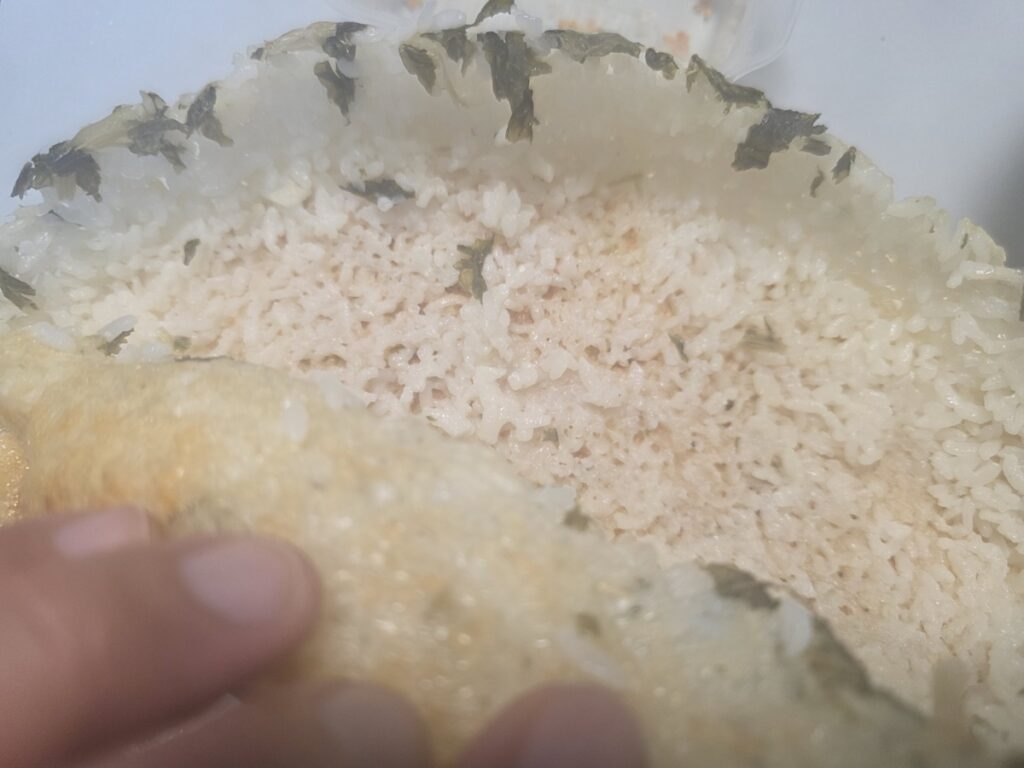
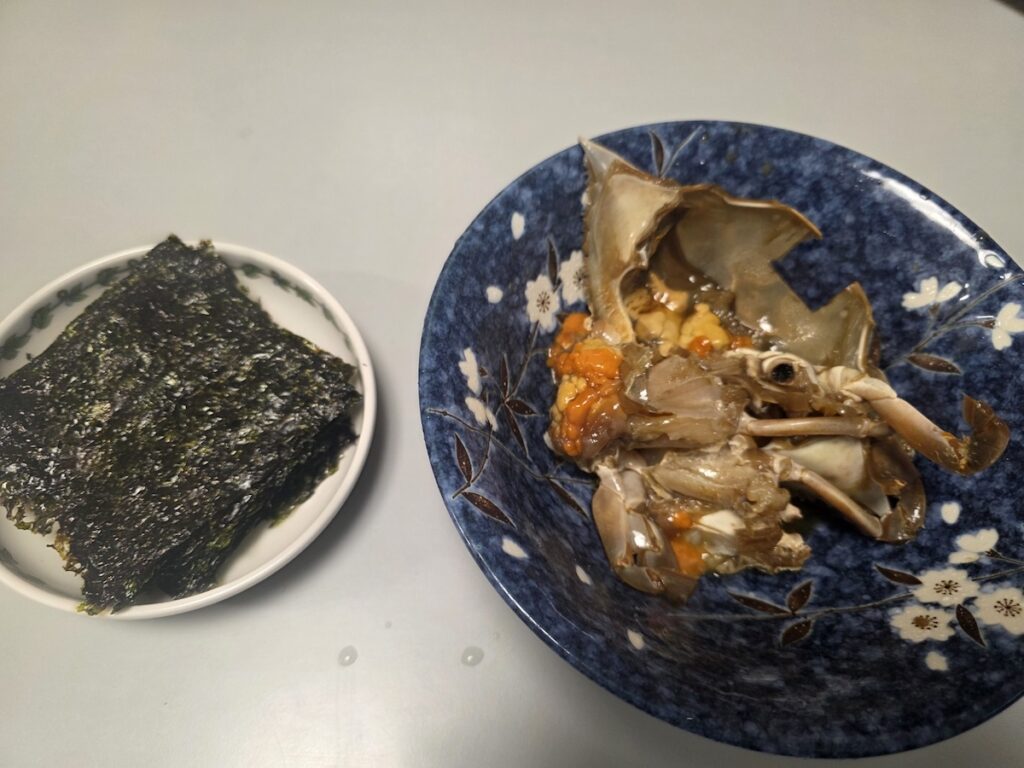
10 Rituals of Korean Grilled Pork Rind begin with the strategic roar of a charcoal grill and the collective sigh of relief that accompanies a corporate “Company Card” dinner. In the neon-drenched theaters of Seoul’s nightlife, this collagen-rich delicacy—once a humble byproduct—has been elevated into a premium social currency.
As the smoky scent of caramelized skin fills the air, it signals the start of the Hoesik (company dinner), a cinematic ritual where the stress of the workday is incinerated. Here, the true seasoning isn’t just the marinade; it is the intoxicating liberation of “Maximum Consumption” fueled by a corporate budget, where the focus shifts from professional hierarchy to the primal, rhythmic sizzle of the grill.
1. The Paradox of the Rind: From Free Gift to Premium Delicacy
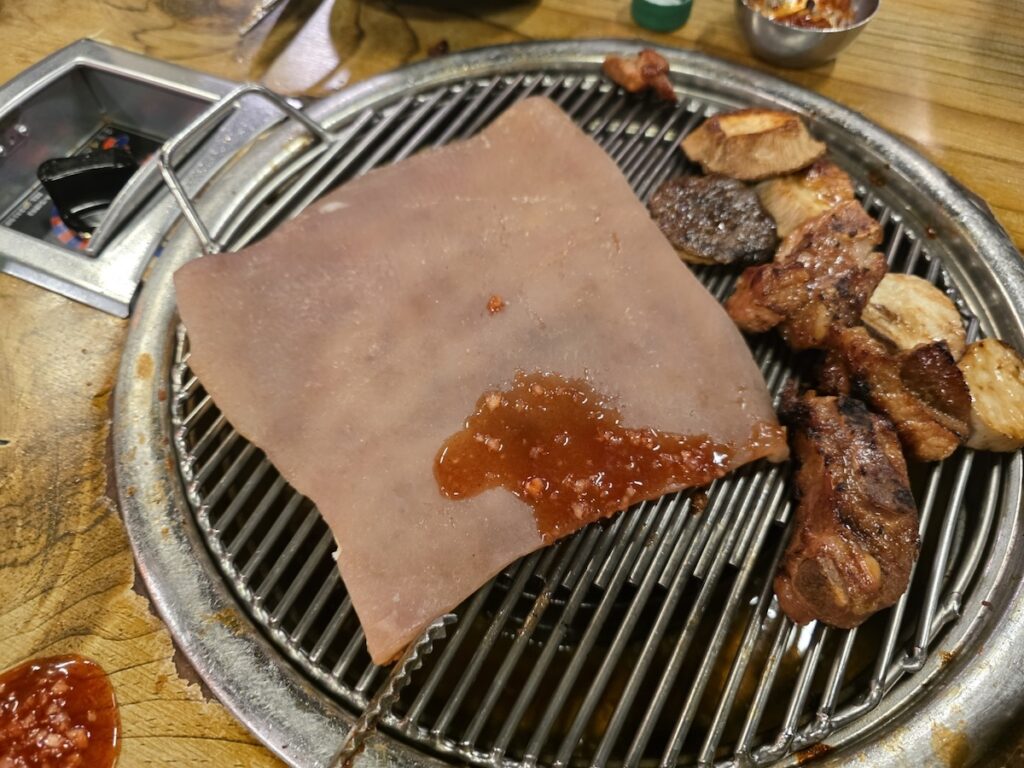
Dwaeji-껍데기 is the outer layer of the pork, meticulously cleaned, boiled, and marinated to transform a tough exterior into a gelatinous jewel.
- The Taste & Texture: It is a symphony of “Jjolguk” (chewy) and “Basak” (crispy). When the heat hits the collagen, it curls and pops, developing a smoky, caramelized crust while the interior remains buttery and soft.
- The Economic Shift: Two decades ago, this was the “hidden gift” of the butcher—a complimentary plate handed to regulars as a gesture of “Jeong” (affection). Today, it has evolved into a standalone delicacy, commanding a price of approximately 10,000 KRW per serving. It is a sophisticated reminder that in Seoul, even the most humble ingredients can attain luxury status through the art of the grill.
2. The Hoesik Ritual: Corporate Survival on a Golden Plate
The Hoesik (Company Dinner) is the true stage for the pork rind. It is a cinematic scene where hierarchy dissolves into a shared appetite.
- The “Company Card” Euphoria: The true seasoning of a Hoesik is the fact that the individual does not pay. It is a ritual of “Maximum Consumption,” where employees eat to their physical limits on the corporate budget.
- The Soju Synergy: Pork rind is the undisputed partner of Soju. The fatty, collagen-rich skin coats the palate, neutralizing the sharp burn of the alcohol, allowing the conversation—and the drinks—to flow deep into the night.
3. The Infrastructure of Intoxication: The Subway as a Social Safety Net
The vibrant, late-night allure of Seoul’s drinking culture is not merely a result of social habit; it is a byproduct of one of the world’s most sophisticated Public Transportation Ecosystems. In many global cities, the “Designated Driver” is a buzzkill that limits the flow of conversation. In Seoul, the Subway System acts as a silent, collective designated driver for ten million people.
The “Safety-First” Drinking Psychology
Unlike Western “Car Cultures” where the fear of a DUI (Driving Under the Influence) often ends a night prematurely, Seoul’s Subway and Bus infrastructure provides a psychological “Safety Net.” When a group of colleagues orders their fourth bottle of Soju to pair with crispy pork rinds, they do so with the subconscious certainty that a high-speed, climate-controlled train or a hyper-efficient bus is just a few meters away. This infrastructure removes the “logistical guilt” of drinking, allowing the Hoesik to reach its peak emotional intensity.
The Midnight Pulse: Coordination and Camaraderie
The subway schedule actually dictates the rhythm of the night.
- The “First-Car” vs. “Last-Car” Ritual: The “Mag-cha” (Last Train) serves as a dramatic climax to the evening. It is a common cinematic sight in Seoul to see waves of office workers in suits sprinting toward the station entrance at 11:30 PM, their faces flushed from the heat of the grill.
- The Virtual Safety Gate: Because everyone knows the subway is an option, the “Hoesik” becomes a more democratic space. Even junior employees can drink without the burden of expensive parking or taxi fares, knowing the city’s veins will carry them home safely for less than $2.00.
Technical Advantage: The 24-Hour Transition
| Infrastructure Feature | Social Impact on Drinking Culture |
| Pervasive Subway Grid | Eliminates the need for personal vehicles, fostering a “Bottoms-up” culture. |
| Real-time Arrival Apps | Allows groups to time their “last round” of pork rinds perfectly before the train. |
| Safe, Bright Stations | Provides a secure environment for solo travelers returning after a heavy night. |
4. The Technical Art of the Dip: Sauce and Science
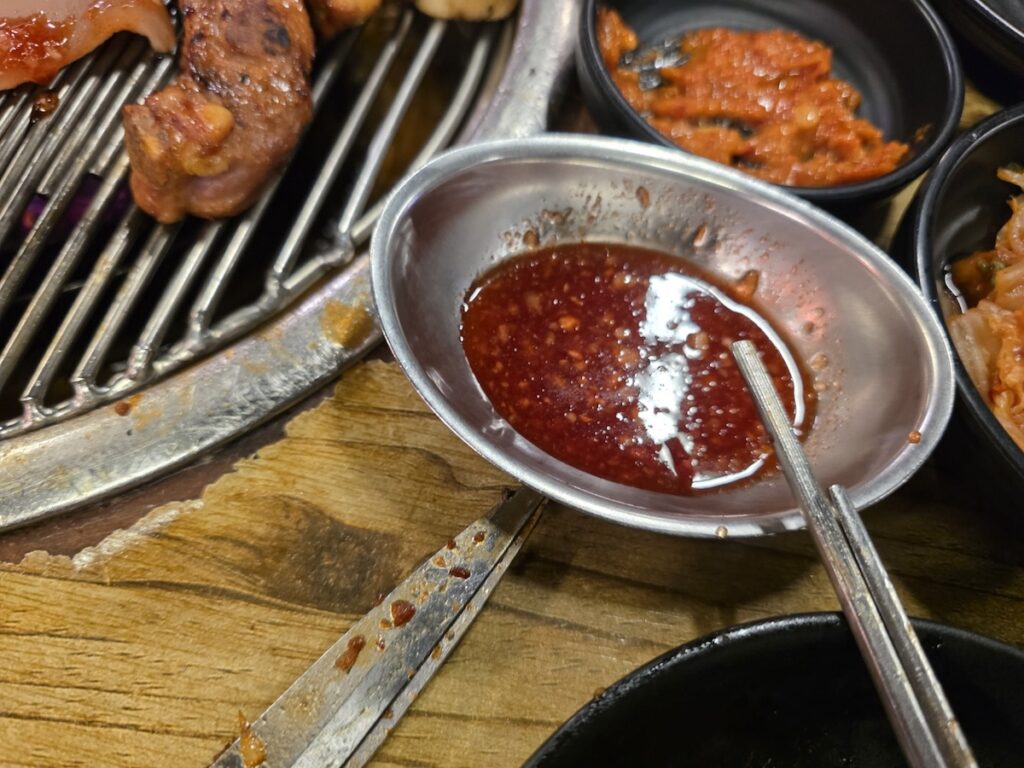
While pork rind can be polarizing due to its unique texture, the secret to its universal appeal lies in the Source and Sauce.
| Sauce Type | Role | The Sensory Experience |
| Roasted Bean Powder (Injeolmi) | The Neutralizer | Adds a nutty, dry finish that balances the oily richness. |
| Spicy Gochujang Glaze | The Catalyst | Cuts through the fat with a sharp, fermented heat. |
| Soy-Garlic Marinade | The Foundation | Deepens the umami and creates a sticky, caramelized skin. |
5. The Celebrity Glow: From K-Pop Icons to Hollywood Elite
The 10 Rituals of Korean Grilled Pork Rind have transcended the smoky back alleys of Seoul to become a global wellness phenomenon, fueled by the testimonials of elite icons. For these celebrities, the pork rind is not merely a meal; it is a strategic choice for maintaining their legendary “Glass Skin” and high-octane energy.
The “Hwasa Effect”: A National Shortage
The most cinematic moment in the modern history of the pork rind belongs to MAMAMOO’s Hwasa. During her appearance on I Live Alone, her raw, unscripted devotion to grilled viscera and collagen-rich rinds triggered a nationwide supply shortage. Her ritual—charring the rind to a deep amber and dipping it in thick bean powder—demystified the dish for a younger generation, transforming it from a “middle-aged man’s snack” into a trendy, high-protein staple for the youth.
Hollywood’s Culinary Initiation
When global stars land at Incheon, the pork rind serves as their unofficial “Seoulite Initiation.”
- The Avengers & Deadpool: During their promotional tours, stars like Ryan Reynolds have been captured in the visceral haze of Korean BBQ houses. For Hollywood elite, the pork rind is often presented as the “Secret Weapon” of Korean beauty—a high-collagen feast that provides the biological building blocks for skin elasticity while offering a flavor profile far more sophisticated than any Western snack.
- K-Drama Cameos: From the gritty tables of Itaewon Class to the nostalgic scenes in Reply 1988, the pork rind is used by directors as a visual shorthand for resilience and bonding. It is the food eaten when characters are at their most vulnerable yet determined, reinforcing its status as the soul food of the ambitious.
The Idol’s “Clean Bulk” Strategy
Behind the scenes of intense world tours, K-Pop idols utilize the pork rind as a functional protein. Its low-carb, high-collagen profile allows them to indulge in the “Hoesik” ritual without the weight-gain anxiety associated with carbohydrate-heavy meals. It is the “Idol’s Secret”—a way to participate in the collective joy of the grill while maintaining a camera-ready physique.
6. The Sanctuaries of Smoke: Where Icons Dine
To experience the rind as the stars do, one must visit the legendary “Gidun-jip” (Pillar Houses).
- Ssangdaepo (Sookmyung Women’s Univ.): A legendary spot where numerous K-dramas were filmed. It is a favorite of veteran actors and idols who seek the authentic, soot-stained atmosphere of old Seoul.
- K껍데기 (Gangnam): A modern, sophisticated take on the rind, often frequented by influencers and celebrities for its thick-cut, honeycomb-patterned rinds that offer a superior “Hollow Cylinder” crunch.
Related Guides: The Depths of Korean Culinary Rituals
- 3 Best Korean Semi-Dried Fish Rituals & K-Pop Idol Diet Secrets If you’ve mastered the smoky intensity of the pork rind, explore the “Clean Protein” side of the K-Pop diet. Discover how semi-dried fish (Ban-geon-jo) provides the essential nutrients for the “Celebrity Glow” without the caloric weight.
- The Bravery Test: Why Korean Street Food Beondegi is a Must-Try Success Ritual Take your culinary resilience to the next level. Learn why the protein-packed Beondegi is more than just a challenge—it’s a historic ritual of grit and survival that fuels the ambitious heart of Seoul.
7. Conclusion: The Resilient Soul of the Grill
The Dwaeji-껍데기 ritual is a testament to the Korean spirit—taking something overlooked and turning it into something essential. It is the food of the late-night worker, the high-flying idol, and the corporate warrior. In the pop and sizzle of the rind, we find the heartbeat of a city that never stops, fueled by shared plates and the company card.
Action Plan: Your First Rind Ritual
- Wait for the Pop: When grilling, wait until the rind “jumps.” This indicates the collagen has reached its peak elasticity.
- The Powder Dip: Always dip in the bean powder first, then the spicy sauce. This creates a barrier that prevents the spice from being overwhelming.
- Check the Map: Use Naver Maps to find “Pork Rind” (돼지껍데기) near subway exits 5 or 6 for the most authentic “Alleyway” vibes.