8 Vegan Banchan Secrets for a Stress-Free Korean Food Trip begin with a simple realization: in Korea, the main dish is often just the opening act, while the Banchan (side dishes) are the soul of the performance. For the global vegetarian or vegan traveler, the anxiety of finding “clean” food disappears the moment they step into a traditional Baekban restaurant. Unlike Western dining, where a vegan option is an afterthought, the Korean table is inherently built upon a foundation of fermented, seasoned, and blanched vegetables, making it one of the most inclusive culinary cultures in the world.
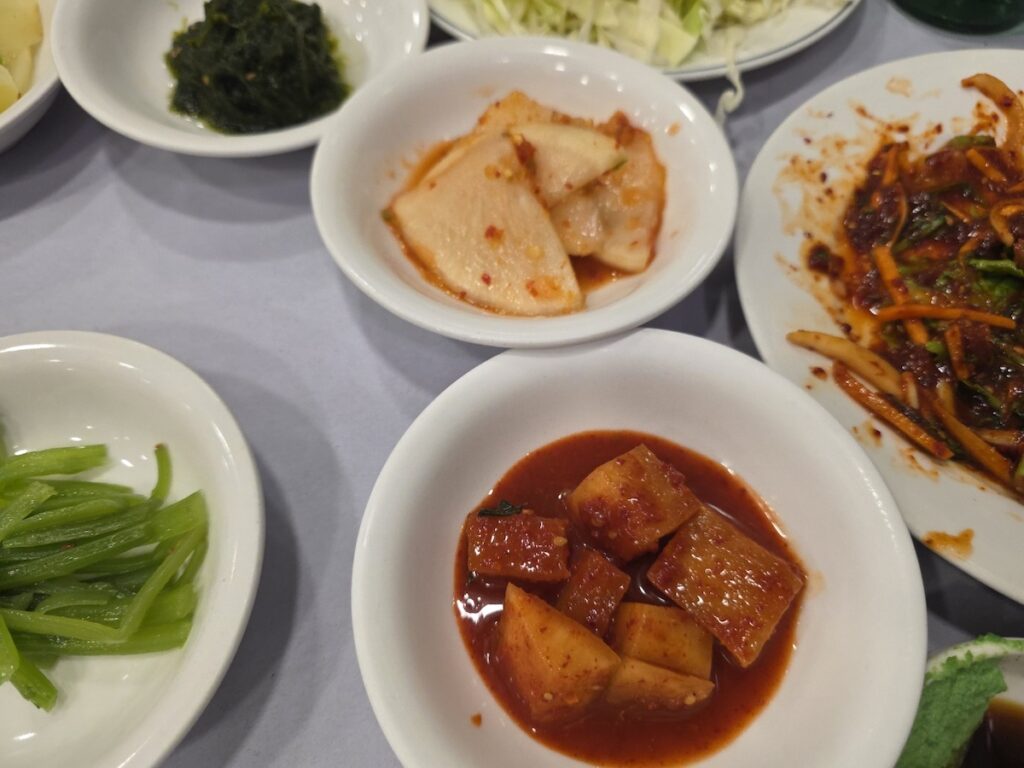
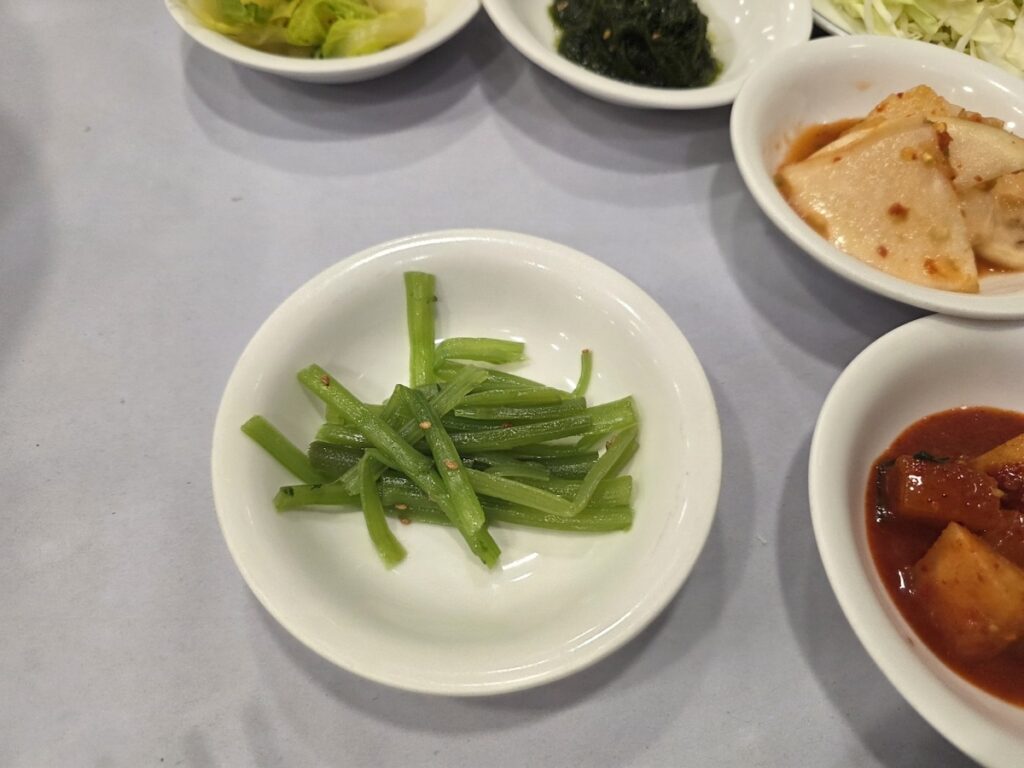
The Baekban Philosophy: A Symphony of Plant-Based Abundance
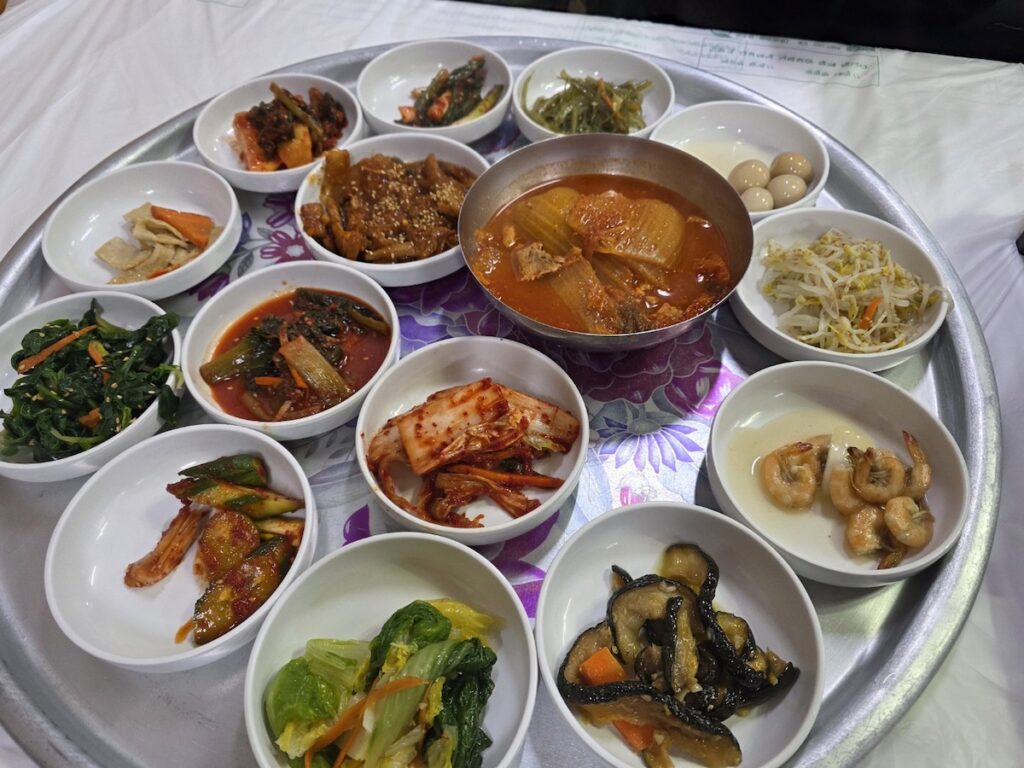
At the heart of this culture lies Baekban—a meal type that translates to “white rice,” but represents a lavish spread of seasonal variety. In a single Baekban sitting, a traveler can encounter 10 to 20 different plant-based creations.
- The Seasonal Pulse: Korean Banchan is a living calendar. In spring, you find bitter Namul (wild greens) that detoxify the liver; in winter, fermented roots and preserved cabbages provide probiotics and strength.
- The Sauce Alchemy: The diversity comes from the “Jang” (fermented pastes). A simple sprout can be transformed into three different dishes using Doenjang (soybean paste) for earthiness, Gochujang (chili paste) for heat, or Ganjang (soy sauce) for pure umami.
Survival in a K-BBQ World: The Side Dish Shield
One of the biggest misconceptions for vegan travelers is that they must avoid Gogijip (Korean BBQ houses). However, a high-end K-BBQ establishment is often a secret vegan sanctuary.
- The Banchan Buffet: Even if your companions are grilling meat, the table is quickly covered with Sanchae (mountain vegetables), Mu-saengchae (radish salad), and various pickled greens.
- The Strategy: By focusing on the “Ssam” (wrap) culture and the plethora of side dishes, a vegan can enjoy a full, nutrient-dense meal without ever touching the grill. The abundance of fiber and plant protein in the beans and sprouts ensures satiety that rivals any steak.
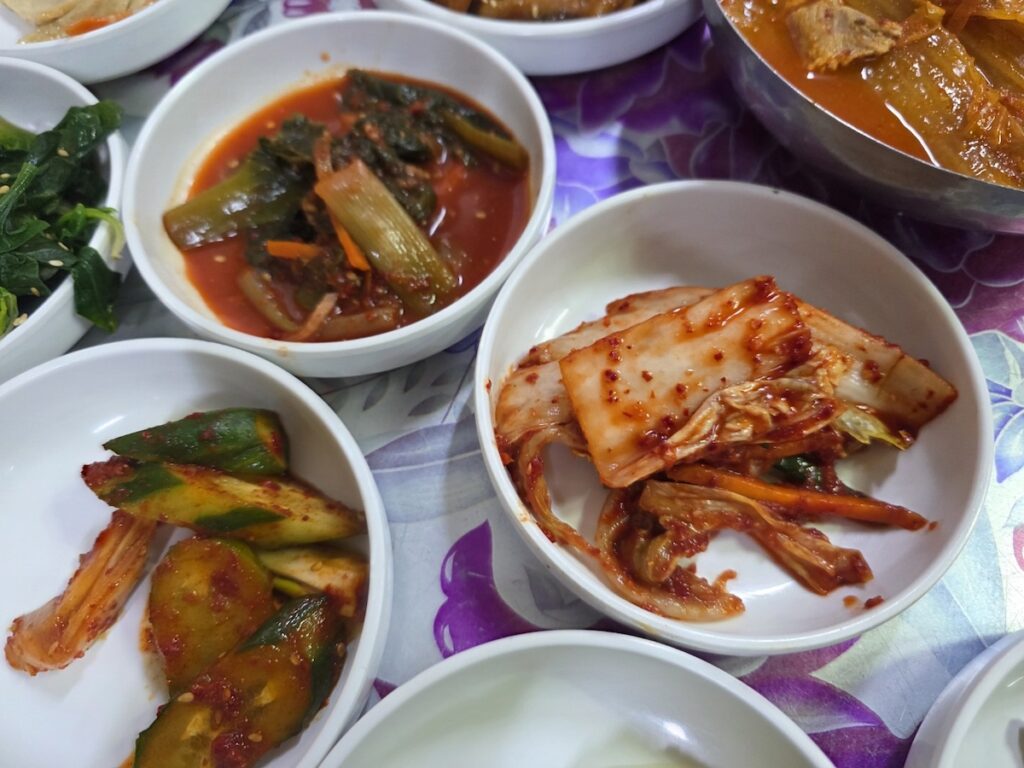
Anatomizing the Banchan: The Sophisticated Anatomy of a Korean Side Dish
To truly understand why Korea is a sanctuary for plant-based travelers, one must deconstruct the Banchan not as mere “side dishes,” but as a sophisticated system of culinary engineering. Each small plate is a deliberate balance of five cardinal colors (Obang-saek) and five distinct flavors, designed to harmonize with the human body’s seasonal needs. The anatomy of a Korean side dish is divided into four major “architectural” categories, each employing a different scientific approach to flavor extraction and nutrient preservation.
1. The Namul Category: The Art of Blanching and “Hand Taste”
Namul refers to seasoned vegetables, and it is the backbone of the vegan experience in Korea. This category is split into Sukchae (cooked) and Saengchae (fresh).
- The Science of “Dechigi” (Blanching): Unlike Western boiling, which can destroy enzymes, the Korean ritual of blanching involves submerging greens like Spinach, Bean Sprouts, or Bracken in boiling water for mere seconds, then immediately shocking them in ice water. This preserves the vivid chlorophyll and the “snap” of the fiber.
- Son-mat (Hand Taste): The anatomy of Namul is incomplete without the massage. Korean chefs believe that the warmth and pressure of the hand help the seasoning—usually a mix of toasted sesame oil, minced garlic, and salt—penetrate the cellular walls of the vegetable, creating a depth of flavor that a mechanical toss can never achieve.
2. The Jorim and Jjim Category: Slow Infusion and Density
When a vegetable needs to provide the “weight” of a main course, the Jorim (Braising) technique is used. This is where plant-based ingredients gain their savory, meat-like intensity.
- Ingredient Focus: Lotus Root (Yeon-geun), Burdock Root (Ueong), and Potatoes (Gamja) are the stars here. These are dense, fibrous plants that require patience.
- The Reduction Process: These ingredients are simmered in a reduction of aged soy sauce and grain syrup (Mul-yeot). As the liquid evaporates, the sugars caramelize, creating a lacquered, umami-rich exterior while keeping the interior earthy and soft. For a vegan, this provides the “bite” and satiety often missing from simple salads.
3. The Muchim and Jang-ajji Category: The Preservation of Life
This section of the Banchan anatomy focuses on acidity and long-term fermentation, acting as a digestive aid for the entire meal.
- Muchim (Vinegar-based Tossing): Using ingredients like Cucumber, Radish, or Seaweed, Muching utilizes the acidity of fermented vinegars and the heat of Gochugaru (chili flakes) to create a sharp contrast. This acidity stimulates the production of digestive enzymes.
- Jang-ajji (Pickling): These are vegetables—such as Perilla Leaves (Kkaen-nip), Garlic Scapes, or Ramp Greens—pickled in soy sauce, vinegar, or fermented bean paste for months. This process creates a “Prebiotic Powerhouse.” The anatomy of a Jang-ajji dish is defined by its intense salinity and concentrated nutrients, designed to be eaten in small, powerful bursts with plain rice.
4. The Jeon Category: The Golden Ratio of Crispness
Finally, the Jeon (Pan-fried Pancakes) provide the essential fats and comforting textures in the Banchan spread.
- Vegetable Versatility: Slices of Zucchini (Ae-hobak), King Oyster Mushrooms, or Eggplant are lightly dusted in flour and dipped in a thin batter (vegans can opt for flour-and-water batters instead of egg) and pan-fried.
- The Maillard Reaction: The thin golden crust provides a textural counterpoint to the soft interior of the vegetable, releasing a nutty aroma that rounds out the meal. It is the bridge between the raw, fermented, and cooked elements of the table.
Detailed Banchan Taxonomy for the Vegan Traveler
| Category | Typical Ingredients | The Flavor Profile | The “Secret” Ingredient |
| Sukchae | Spinach, Wild Aster, Mung Bean Sprouts | Earthy, Nutty, Delicate | Toasted Sesame Oil |
| Saengchae | Radish, Cucumber, Spring Onions | Sharp, Refreshing, Spicy | Gochugaru (Chili Flakes) |
| Jorim | Lotus Root, Tofu, Soybeans | Sweet, Salty, Syrupy | Aged Soy Sauce |
| Jang-ajji | Perilla Leaves, Garlic Scapes | Salty, Sour, Concentrated | Time (Fermentation) |
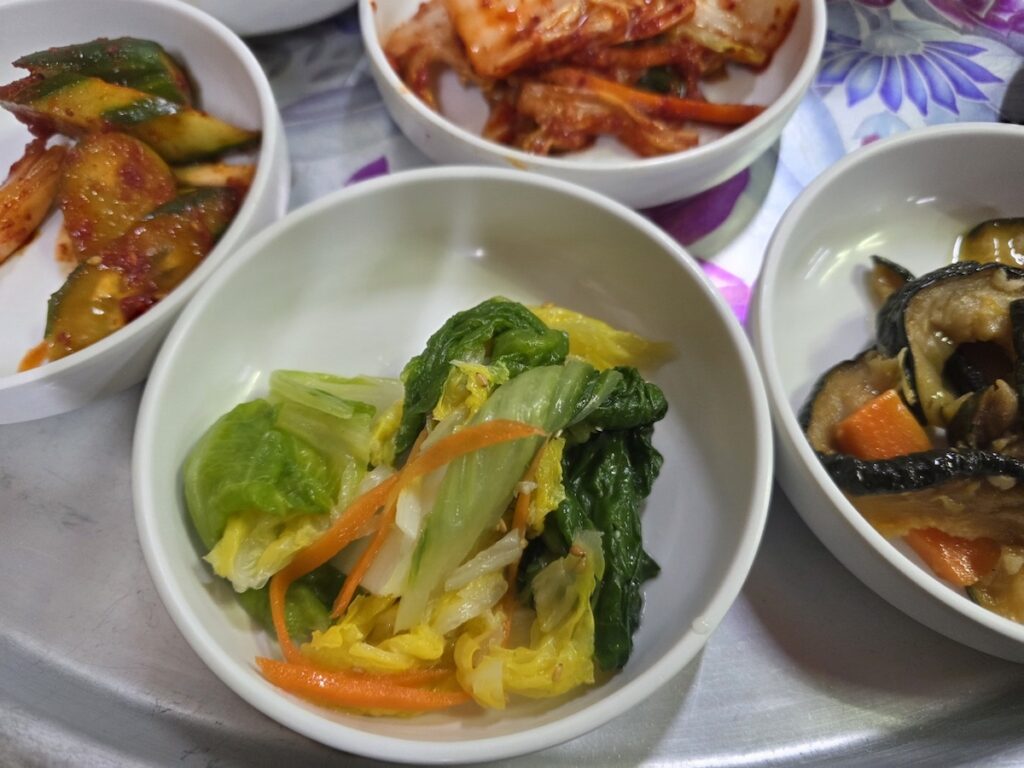
The Deeper Reflection: Banchan as a Social Equalizer
The ritual of sharing Banchan reflects the Korean value of “Jeong” (Affection). The fact that side dishes are provided in unlimited quantities (Refills) speaks to a societal philosophy where hunger is a shared responsibility. For a vegan, this means they are never “left out” of the communal dining experience. While the world struggles with expensive vegan substitutes, Korea offers the original vegan diet—one that is affordable, accessible, and deeply rooted in the earth.
Conclusion: The Accidental Paradise for Vegans
8 Vegan Banchan Secrets for a Stress-Free Korean Food Trip conclude that the best way to eat “plant-based” in Korea is not to look for a vegan cafe, but to walk into any restaurant that serves a traditional table. The architectural complexity of Banchan ensures that even the most restrictive eater can find a feast of seasonal flavors. Korea doesn’t need to “become” vegan-friendly; its ancient food DNA has been catering to the plant-based lifestyle for thousands of years, one small, seasoned plate at a time.
Related Guides: The Plant-Based K-Journey
- 7 Vegan Nurungji Breakfast Rituals: The Ultimate Korean Gluten-Free MorningContinue your vegan morning with the soothing power of scorched rice.
- The 3 Best Korean Fermented Secrets for LongevityDive deeper into the probiotic world of Kimchi and Doenjang that power the Banchan culture.
Action Plan: How to Order Like a Vegan Pro
- The Magic Phrase: Learn “Gogi-neun ppae-ju-seyo” (Please leave out the meat).
- Seek the Baekban: Use the Naver Map app to search for “Baekban (백반)” or “Sanchae-Jeongsik (산채정식)” for the maximum variety of vegetables.
- Check the Broth: Always ask if the soup (Jjigae) uses a “Myeolchi” (anchovy) base, which is common even in vegetable soups.
- Embrace the Refill: Don’t be afraid to ask for more of your favorite vegetable Banchan—it is culturally encouraged!