Understanding the 5 Secrets of the Korean Lunch Rush is the only way to survive the high-pressure dining environment of Seoul’s business districts. In the heart of Yeoksam-dong, where the glass giants of Teheran-ro pierce the skyline, a subtle but fierce ritual unfolds every day at 11:50 AM. This is not merely ten minutes before the clock strikes twelve; it is a strategic window of opportunity that determines the quality of a professional’s midday recovery.
Today, the stakes were exceptionally high for our team. Word had traveled through the office grapevine about a newly opened Pho restaurant, and its broth was whispered to be a masterclass in depth. In a district where thousands of weary souls move in perfect, synchronized orbits, being five minutes late to a trend means a forty-minute sentence in the humid Seoul air. To ensure our collective satisfaction, our team’s junior staff member slipped out of the office early—a mission we call the “Advanced Guard.”
By 11:55 AM, as the rest of the building began its collective descent, a message pinged on our team chat: “Waiting Ticket No. 4 secured. The perimeter is stable.” A wave of relief rippled through our cubicles. We had outmaneuvered the midday tsunami by mastering the first of the 5 Secrets of the Korean Lunch Rush.
11:50 AM: The Silent Prelude to the Teheran-ro Tsunami
In the heart of Yeoksam-dong, where the glass giants of Teheran-ro pierce the Seoul skyline, a subtle but fierce ritual unfolds every day at 11:50 AM. This is not merely ten minutes before the clock strikes twelve; it is a strategic window of opportunity that determines the quality of a professional’s midday recovery. Today, the stakes were exceptionally high for our team.
Word had traveled through the office grapevine about a newly opened Pho restaurant. Its broth was whispered to be a masterclass in depth, and in a district where thousands of weary souls move in perfect, synchronized orbits, being five minutes late to a trend means a forty-minute sentence in the humid Seoul air. To ensure our collective satisfaction, our team’s junior staff member slipped out of the office early—a mission we call the “Advanced Guard.”
By 11:55 AM, as the rest of the building began its collective descent, a message pinged on our team chat: “Waiting Ticket No. 4 secured. The perimeter is stable.” A wave of relief rippled through our cubicles. We had outmaneuvered the midday tsunami.
The Synchronized Symphony of the 12:00 PM Exodus
At exactly 12:00 PM, the elevators of Yeoksam-dong transform into the busiest vertical arteries on the planet. As we stepped onto the sidewalk, the quiet morning air was instantly replaced by a rushing river of white shirts and blue lanyards. The energy was palpable—a city on a mission to be fed.
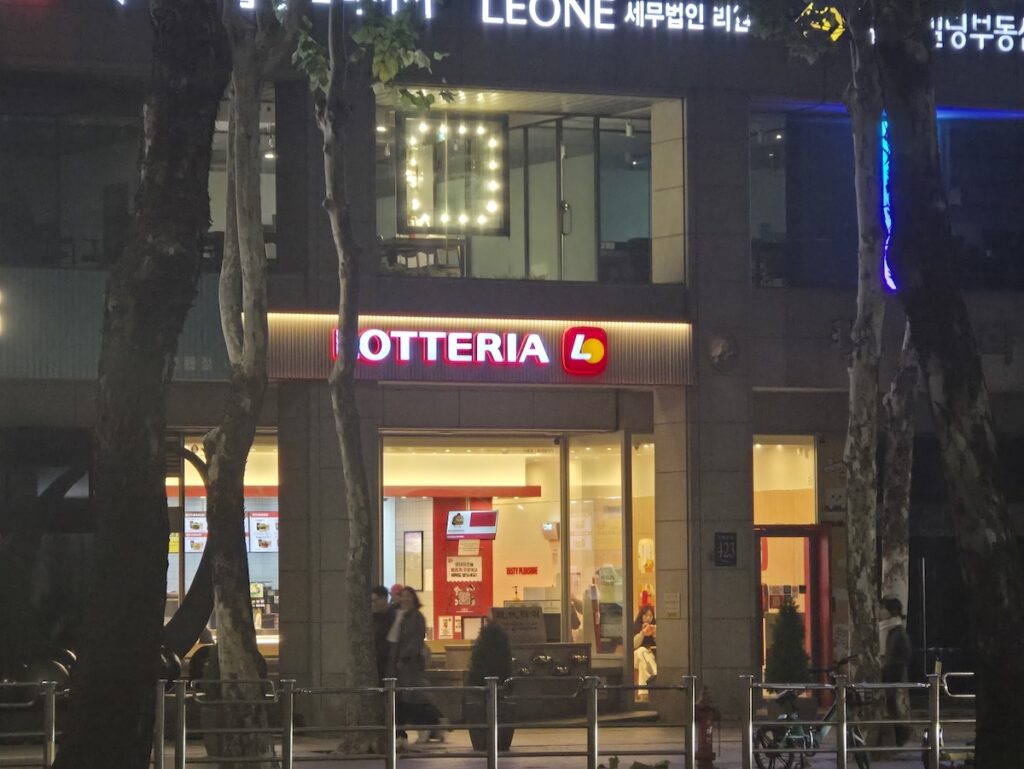
We walked toward the restaurant with the quiet confidence of those holding a winning lottery ticket. As we approached the entrance, we saw the crowd—at least thirty people were already huddled around the door, their eyes fixed on the digital calling board with a mixture of hope and hunger. Suddenly, we saw him. Our junior colleague stood near the glass door, waving his hand with a triumphant, exhausted grin.
In Korea, this “Junior’s Mission” is a fascinating layer of office culture. It is not an act of subservience, but a vital component of team harmony. By securing the spot, the junior ensures a seamless transition for the entire team, and in return, the seniors provide mentorship and, more importantly, the meal itself. As we joined him, the board chimed: “Number 4.” We waited less than three minutes before being ushered into the aromatic, steaming sanctuary of the restaurant.
The Bballi-Bballi Spirit: A Masterclass in Urban Efficiency
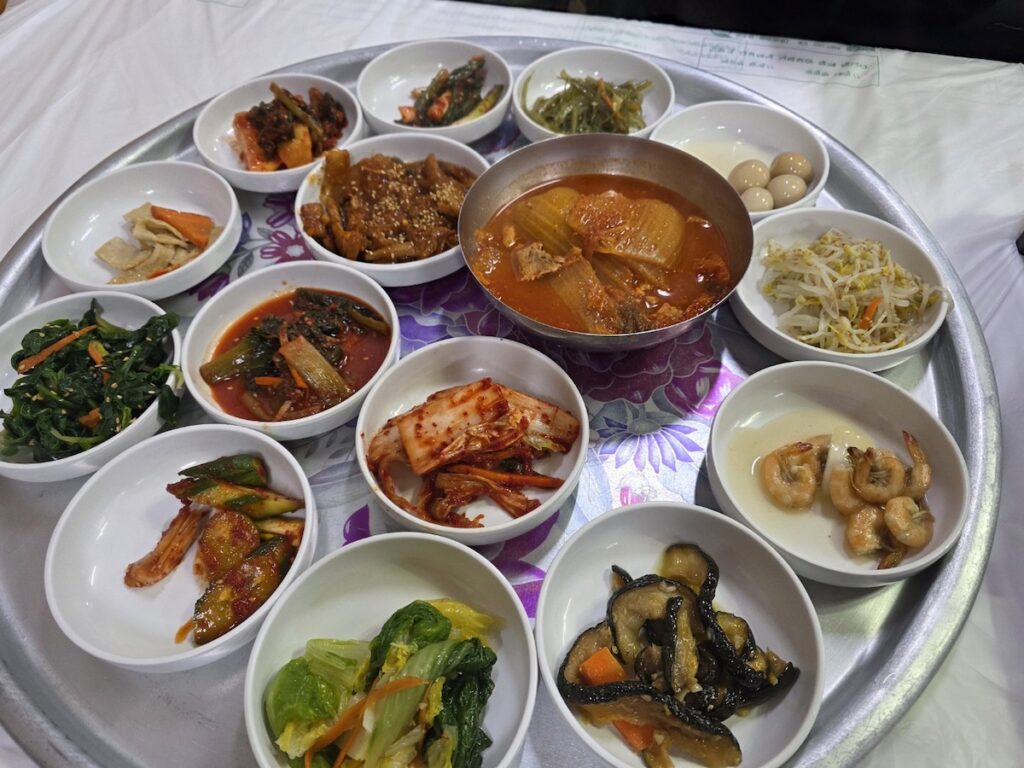
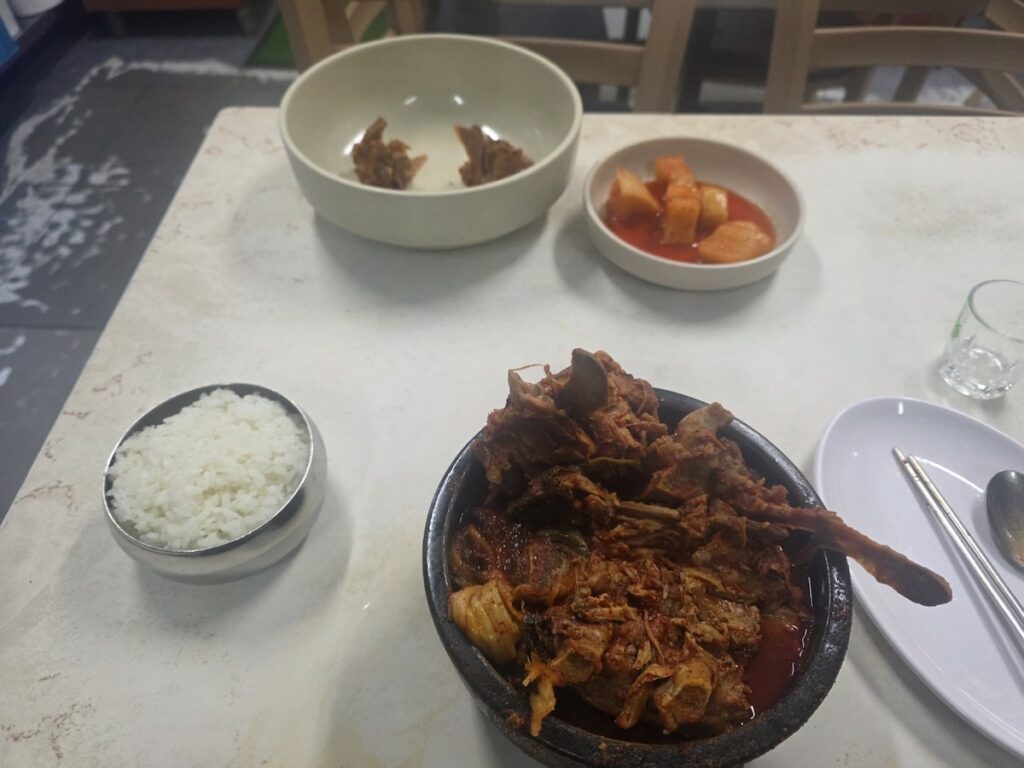
For the uninitiated observer, the speed of a Korean lunch hour can feel frantic, even cold. You sit, you order with a single nod, and within moments, the table is a mosaic of colorful side dishes and boiling stone pots. However, this speed is a deeply ingrained cultural reflex known as the “Bballi-Bballi” spirit.
| Phase of the Rush | Strategy | The Hidden Meaning |
| 11:50 AM Scouting | Junior Deployment | Prioritizing team efficiency over individual rest. |
| 12:05 PM Ordering | Group Consensus | Ordering identical dishes to accelerate the kitchen’s flow. |
| 12:15 PM Consumption | Focused Quiet | Respecting the meal as a vital refueling station. |
| 12:40 PM The Coffee | Iced Americano Run | The true social ritual that balances the frantic meal. |
This efficiency is a legacy of Korea’s rapid economic ascent. In a nation that rebuilt its entire infrastructure in a single generation, time became the most precious currency. We eat fast not because we lack appreciation for the food, but because we respect the collective rhythm of the city. To linger too long is to deny another hungry worker their turn at the table.
🔗 Related Guides for Your Next Culinary Journey
- Korean Food Rituals 2026: The Philosophy of Sundays, Soup, and the Meat Debate
- Explore the deep-seated cultural significance of communal dining and why a warm bowl of soup remains the ultimate anchor of the Korean Sunday table.
- The Science of Texture 2026: Why “Sticky” Fails to Define the Korean Palate
- Delve into the linguistic and culinary nuances of ‘Cheuk-seuk’ and ‘Kko-deul,’ uncovering why Western terms like “sticky” barely scratch the surface of Korean gastronomy.
- Vegan Tteokbokki Ritual 2026: The Inclusive Soul of Korean Gastronomy
- A modern take on a classic street food favorite, showing how plant-based ingredients can still capture the fiery, comforting essence of Korea’s soul food.
- Homemade Tteokbokki Ritual 2026: 7 Secrets of Mother’s Alchemy
- Beyond the commercial sauces, discover the seven intuitive techniques passed down through generations that turn simple rice cakes into a masterpiece of umami.
Foreigners’ Misconception: The “Rushed” Hospitality
A common misconception among expats and travelers is that the rapid service and the crowded atmosphere mean they are being pushed out. On the contrary, in the cutthroat culinary landscape of Seoul, speed is the ultimate form of hospitality. A restaurant that keeps a hungry professional waiting is a restaurant that will not survive the quarter.
When you witness a group of salarymen eating in focused silence, you aren’t seeing a lack of social grace. You are witnessing a masterclass in urban survival and shared purpose. In Korea, we have a word, “Sik-gu,” which literally translates to “the mouths that eat the same bread.” Sharing a synchronized lunch in the middle of a chaotic workday is the modern embodiment of this ancient bond.
Action Plan for Navigating the Seoul Lunch Rush
To survive the high-pressure environment of districts like Yeoksam or Gangnam, follow these four strategic steps:
- Deploy the Scouting Ritual: If you are in a group, send one person ten minutes early to secure a “Waiting Ticket” or use the ‘Catch Table’ app for remote queuing.
- Order for the Kitchen: In busy spots, try to order similar items for the whole table. This ensures everyone gets their food at the same time and accelerates the rotation.
- Respect the ‘Break Time’: Be aware that most restaurants in business districts close from 3:00 PM to 5:00 PM. Arriving at 2:30 PM is often too late.
- The Post-Meal Caffeine: Never skip the coffee run. The Iced Americano is the unofficial “fourth meal” of Korea and provides the necessary social buffer before returning to the office.
🇰🇷 Conclusion: The Philosophy of the 12 PM Tsunami
The 5 Secrets of the Korean Lunch Rush are not merely survival tactics; they are a sophisticated manifestation of Korea’s collective efficiency and social harmony. This daily phenomenon in Yeoksam-dong reveals three profound truths about the modern Korean identity:
- The Strategy of Sacrifice: When the junior team member departs at 11:50 AM, it is a silent ritual of ‘Nunchi’. One person’s small sacrifice of their pre-lunch rest ensures the collective well-being and seamless flow of the entire group.
- The Rhythm of Industrialization: The “Bballi-Bballi” spirit seen in the 15-minute meal is the DNA of a nation that rebuilt itself from nothing. In this high-speed district, eating quickly is a form of mutual respect for the thousands of other workers waiting outside for their turn at the table.
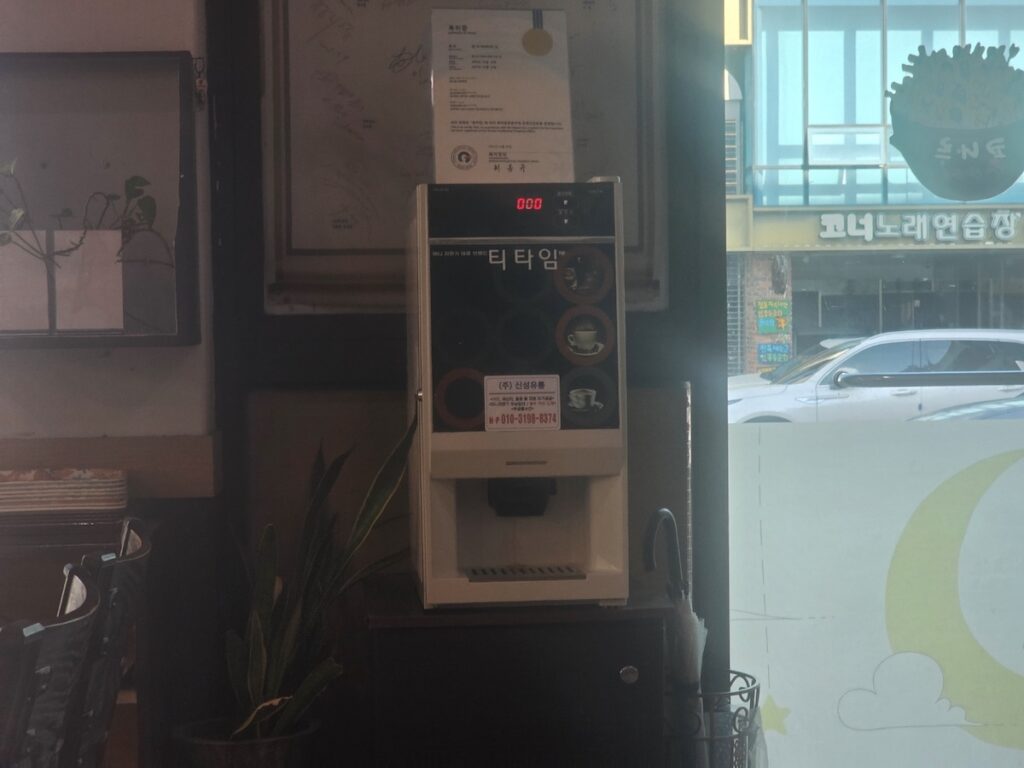
- The Sanctity of the Post-Meal Ritual: The contrast between the frantic 12:05 PM meal and the slow, deliberate 12:40 PM coffee from a humble vending machine shows that even in the fastest city, we find pockets of human connection. The coffee isn’t just caffeine; it’s the true social hub of the office day.
Ultimately, to understand the 5 Secrets of the Korean Lunch Rush is to understand the heart of Seoul itself—a city that moves at light speed but never forgets the importance of being “Sik-gu” (a family that eats together).