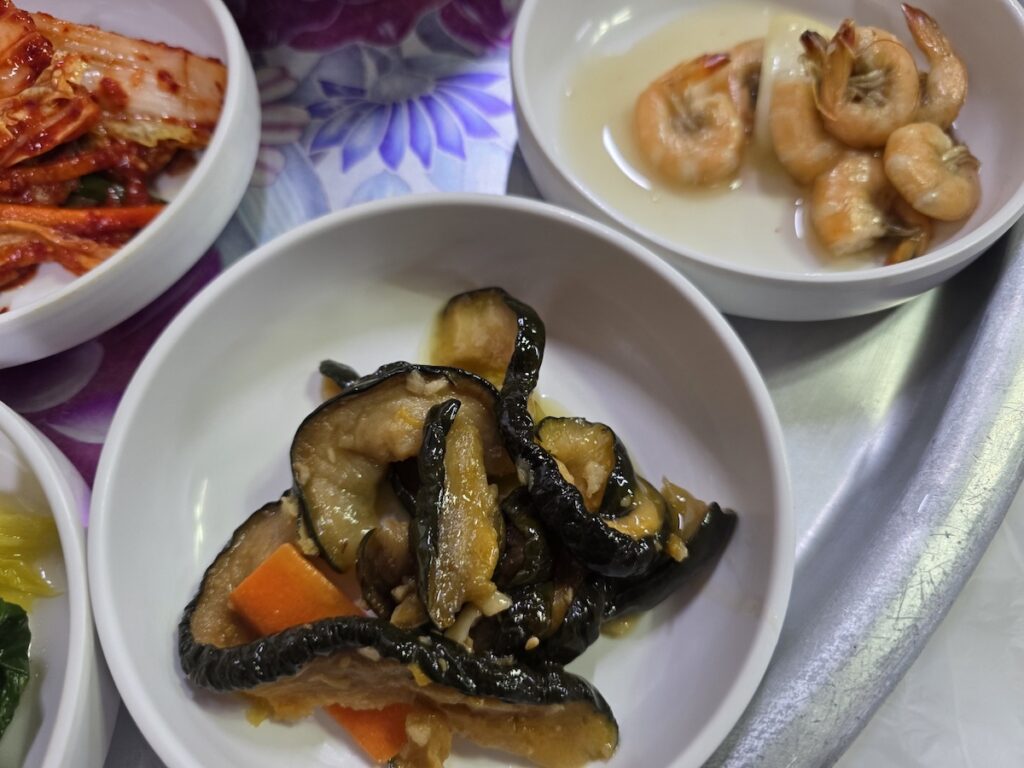
Korean banchan is the first thing you encounter when you sit down at a traditional table in South Korea, and nowhere is this experience more profound than in Jeollanam-do. I recently traveled to this southern province for a significant family event, stepping away from my role managing a large team in Seoul to reconnect with my ancestral roots.
Jeollanam-do is legendary among Koreans as the undisputed capital of flavor, and my latest visit was a cinematic reminder of why. As I watched the local servers deftly arrange more than 15 different obsidian and porcelain plates on a massive silver tray, I realized that I wasn’t just looking at food; I was witnessing a living history of hospitality and regional pride.
This personal journey into the heart of the south reaffirmed my belief that to truly understand the Korean spirit, one must first master the art of the banchan spread.
1. The Meaning of Banchan: More Than Just a Side Dish
In the global culinary landscape, the term “side dish” often refers to an optional accompaniment, like a side of fries or a small salad. However, in South Korea, Banchan represents the very foundation of the meal. You cannot have a “Korean table” without these small, meticulously prepared plates. Banchan is the soul of Korean dining, providing the essential nutrients, flavors, and textures that balance the main protein or stew. For a professional manager navigating the complexities of 2026, understanding banchan is the first step to understanding the Korean heart. It is not an “extra”; it is the essential context of our daily life.
2. The Culture of “Jung”: The Unspoken Warmth of the Table
At the core of the banchan experience is the unique Korean concept of Jung (정). Jung is a deep, emotional bond of affection and hospitality that goes beyond simple kindness. When you sit down at a Korean bistro and the table is immediately covered with diverse plates you didn’t even order, you are experiencing Jung in its edible form. These dishes are provided free of charge, with the understanding that a guest should never leave hungry. In a world of cold data and strict deadlines, the “infinite refill” culture of banchan is a cinematic reminder that human connection and generosity are still the most important ingredients in our society.
3. Regional Diversity: A Province-by-Province Culinary Map
The world of banchan is not a monolith; it is a vibrant mosaic that changes as you cross provincial lines. South Korea is divided into distinct provinces (Do), each with its own micro-climate and local specialties that dictate the flavors on the silver tray.
- Gyeonggi-do (Seoul Area): Known for a sophisticated, balanced taste that is neither too salty nor too spicy, reflecting its history as the royal capital.
- Gangwon-do: Famous for its rugged mountains, featuring banchan made from dried pollack, wild mountain herbs (Sanchae), and potatoes.
- Chungcheong-do: Offers a mild and honest flavor profile, often utilizing fresh inland ingredients like river fish and earthy root vegetables.
- Gyeongsang-do: Located in the southeast, the food here is bold, salty, and spicy, with a heavy emphasis on seafood from the surrounding oceans.
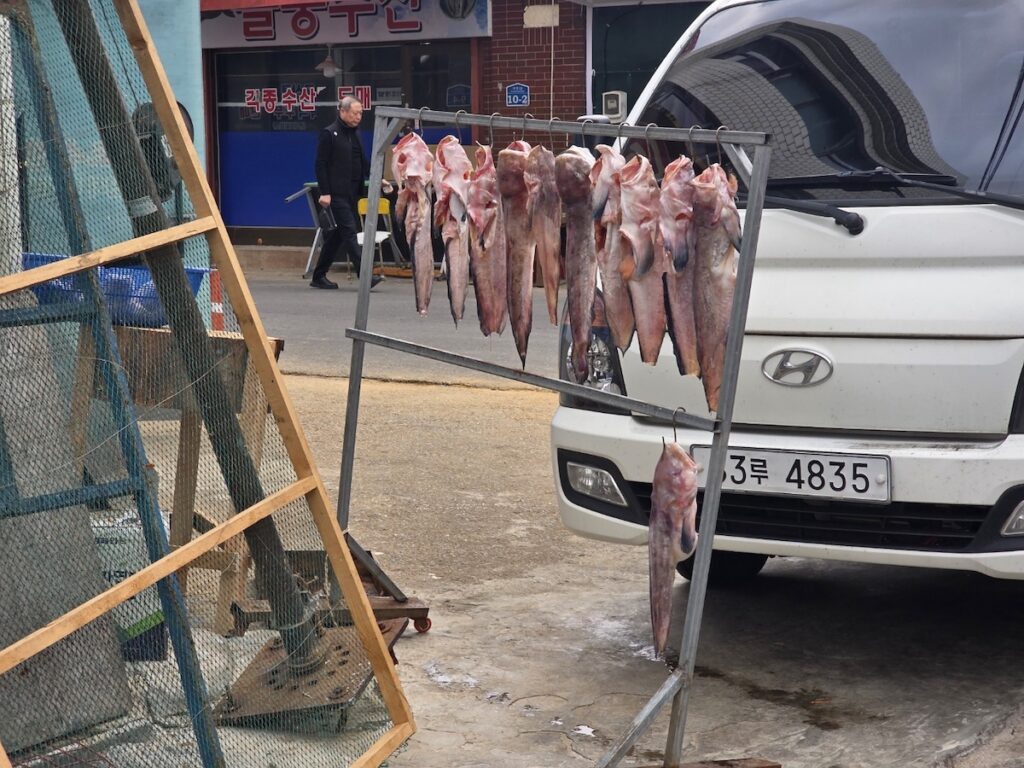
- Jeollanam-do (The Crown Jewel): As I experienced during my recent family event, the south is the epicenter of banchan. Here, the flavors are deep, fermented, and incredibly diverse, with a single meal often featuring over 15 varieties of banchan, from coastal salted seafood to rich, earthy ferments.
4. The “Mother’s Work”: The Periodic Ritual of Home Cooking
Behind every glossy obsidian bowl of banchan lies the invisible labor of the Korean mother. In traditional households, making banchan is not a daily chore but a periodic strategic operation. Mothers spend entire days cleaning, blanching, seasoning, and fermenting various ingredients to create a week’s worth of “Mit-banchan” (base side dishes). This labor is an act of devotion—a cinematic “Midnight Run” of preparation to ensure the family is well-fed even on the busiest days. As a manager, I see this as the ultimate form of logistics and quality control, driven by love rather than a paycheck.

5. Kimchi: The Indisputable King of Banchan
You cannot discuss banchan without starting with Kimchi. While many foreigners only know the cabbage version (Baechu Kimchi), the diversity of kimchi is staggering, reflecting the seasonal changes of the Korean peninsula.
- Baechu Kimchi: The iconic fermented napa cabbage.
- Kkakdugi: Crunchy, cubed radish kimchi that is essential for soups.
- Oi-sobagi: Refreshing cucumber kimchi stuffed with chives, perfect for the summer heat.
- Gat-kimchi: Pungent mustard leaf kimchi, a specialty of the southern provinces like Jeollanam-do. Kimchi is the probiotic powerhouse that anchors every meal, providing the necessary acidity to cut through the richness of meats and stews.
6. The Modern Evolution: The Rise of the Banchan Shop
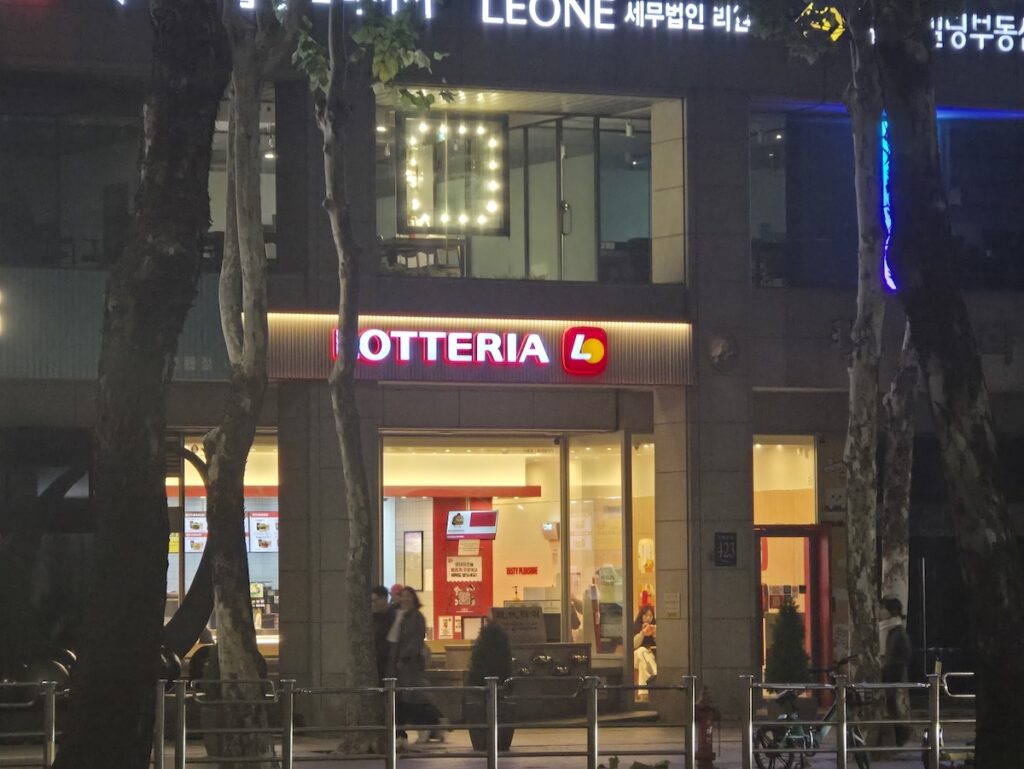
As South Korea transitions into 2026, the traditional “Mother’s Work” is evolving. With the rapid rise of one-person households and busy professional couples, the “Banchan-gage” (specialized side dish shop) has become a neighborhood staple. These shops offer high-quality, home-style side dishes for those who lack the time for the long ritual of preparation. This shift represents a unique modern culture: the commercialization of home-cooked flavors while maintaining the traditional structure of the Korean meal. Even in our fast-paced urban lives, we refuse to give up the variety and comfort that banchan provides, choosing to purchase these small obsidian prizes to maintain our cultural identity.
7. A Cinematic Conclusion: The Prize for a Job Well Done
Whether it is a lavish 15-dish spread in Jeollanam-do or a few carefully selected items from a local banchan shop in Seoul, the experience remains the same. The act of mixing these vibrant flavors with a bowl of rice is a meditative reward for surviving the exam hall, the boardroom, or a long family journey. It is a celebratory prize that honors our history, our mothers, and our regional pride. For the international traveler, every bite of banchan is an invitation into the heart of the “Oh My Card” celebratory culture—a world where the table is always full, and the Jung is always free.
Action Plan
- Explore the Provinces: When traveling, look beyond Seoul. Each province (Do) offers a unique banchan experience that tells a different story.
- Visit a Banchan Shop: If you are staying in an Airbnb or living in Korea, visit a local “Banchan-gage” to see the incredible variety of modern daily food.
- Learn the Kimchi Seasons: Try different types of kimchi depending on the time of year—radish in winter, cucumber in summer.
- Identify the “Jung”: Notice how the banchan is refilled without question. This is the heart of Korean hospitality.
🔗 Related Guide: The Cinematic Success Ritual
If you enjoyed learning about the communal depth of the Korean table, you must explore the individual celebratory ritual that defines a job well done in South Korea.
[5 Reasons Why Korean Black Bean Noodles Are the Ultimate Success Ritual]
From the smoky depth of Ganjajang to the “Oh My Card” ritual after a high-stakes professional exam, discover why these dark, obsidian noodles are more than just a meal—they are a cinematic prize for resilience and success.