10 Trendy Coffee Bean Bread Rituals in Gangnam have officially redefined the sensory landscape of Seoul’s busiest business district in 2026. It was a typical evening when I was walking from Gangnam Station toward Yeoksam Station to catch the subway.
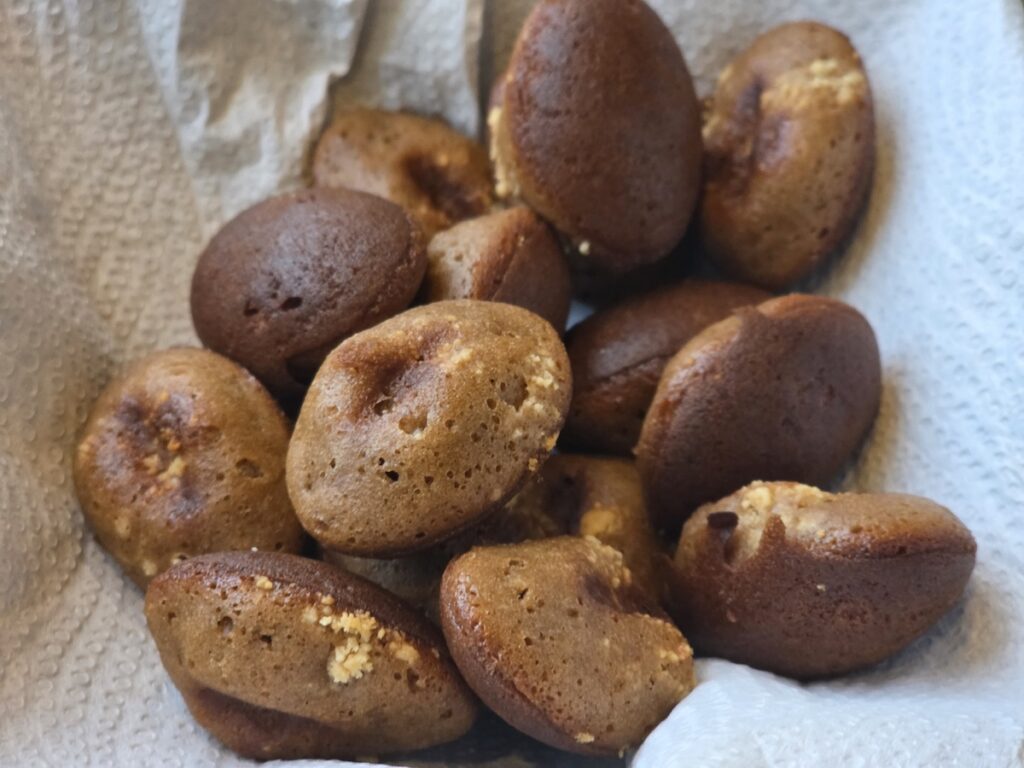
Amidst the cold glass towers and the rush of commuters, a sudden, warm aroma caught my attention—it was the unmistakable scent of roasted coffee beans, but with a buttery, pastry-like depth. This was my first encounter with Coffee Bean Bread (Keopi-kong-ppang), a trendy newcomer that represents a sophisticated evolution of the Korean street food ritual.
The Sensory Transition from Gangnam to Yeoksam
Walking the 1.2-kilometer path toward Yeoksam Station, one experiences a unique urban theater. The transition is not merely geographical but sensory. In the midst of the digital noise and the relentless pace of South Korea’s IT hub, the sight of a small stall baking miniature, bean-shaped pastries offers a momentary pause. Unlike the rustic charm of walnut cakes (Hodu-gwaja), Coffee Bean Bread feels intentional and modern—a snack designed specifically for the third-wave coffee generation that inhabits these blocks.
The Physics of the Coffee Bean Shape
The design of Coffee Bean Bread is not purely aesthetic; it follows specific thermal principles that define its texture.
| Metric | Specification | Scientific Principle |
| Average Length | 3.5 cm | Optimal surface-to-volume ratio for rapid heat penetration. |
| Structural Form | Ellipsoidal | Prevents “Cold Spot” syndrome common in thicker pastries. |
| Surface Texture | Micro-porous | Allows steam escape, maintaining the “Barak” (crisp) exterior. |
| Internal Density | 0.45 g/cm³ | High porosity for maximum aromatic retention. |
The Transit Hub Gastronomy: Why Station Entrances Are the Heart of K-Street Food
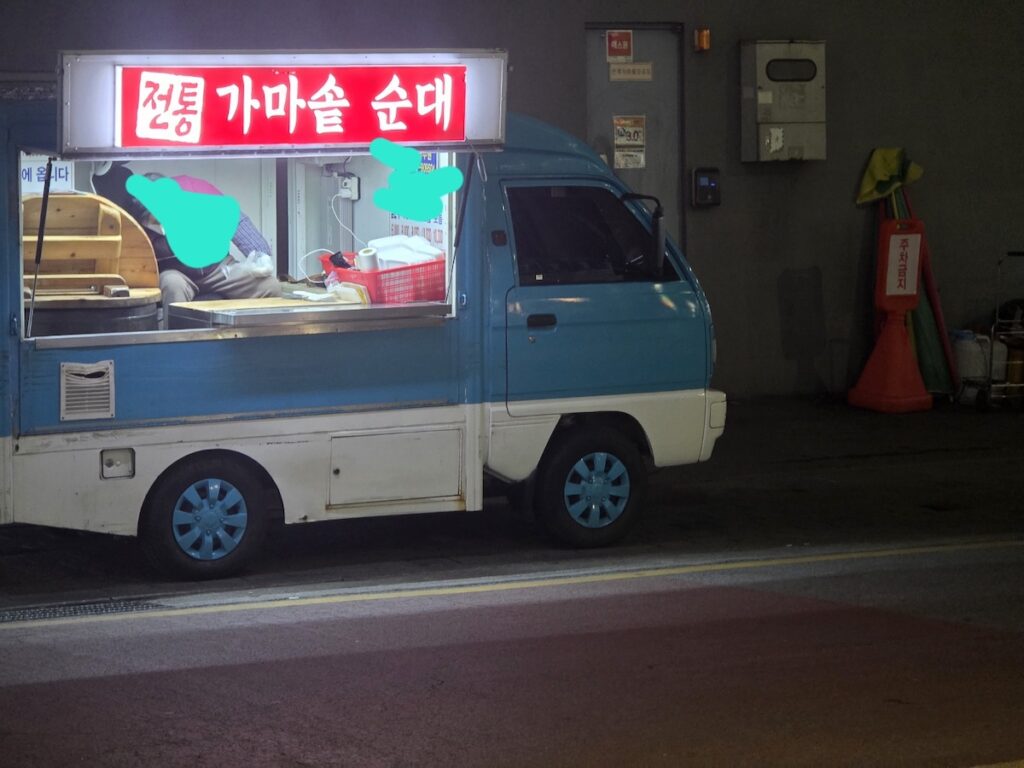
In the urban anatomy of Seoul, subway stations and bus stops are not merely transit points; they are the primary theaters for culinary discovery. The emergence of Coffee Bean Bread at the thresholds of Gangnam’s underground world is a testament to a long-standing Korean tradition: the symbiotic relationship between mobility and snacks.
The Strategic Placement of Warmth
If you are looking for the latest food trends in Korea, you don’t look toward high-end malls; you look toward the bustling exits of major subway stations. The logic is simple yet powerful. As thousands of commuters emerge from the subterranean depths of Gangnam Station, they are met with the sudden chill of the evening air. It is at this precise moment of transition that the warm, aromatic steam from a Coffee Bean Bread stall acts as a sensory magnet.
- The Commuter’s Oasis: Bus stops and subway exits serve as “micro-marketplaces” where busy professionals can grab a high-quality snack without deviating from their path home.
- High-Traffic Exposure: By positioning themselves at the mouth of the station, these vendors tap into the collective hunger of an entire district, making trendy snacks like Coffee Bean Bread an overnight sensation through sheer visibility.
- The “Entrance Culture”: In Korea, the area surrounding a subway exit is a social landmark. Meeting “at Exit 12” often involves a shared bag of warm pastries while waiting for a friend, a ritual that Coffee Bean Bread has successfully modernized.
Related Guides: Explore More Korean Success Rituals
If you enjoyed the sensory journey of Coffee Bean Bread along Teheran-ro, you might find these other deep dives into Korean food culture equally compelling:
- 5 Reasons Why Korean Black Bean Noodles Are the Ultimate Success Ritual: Discover the cultural weight behind Jajangmyeon and why it remains the go-to meal for celebrating major life milestones in Korea.
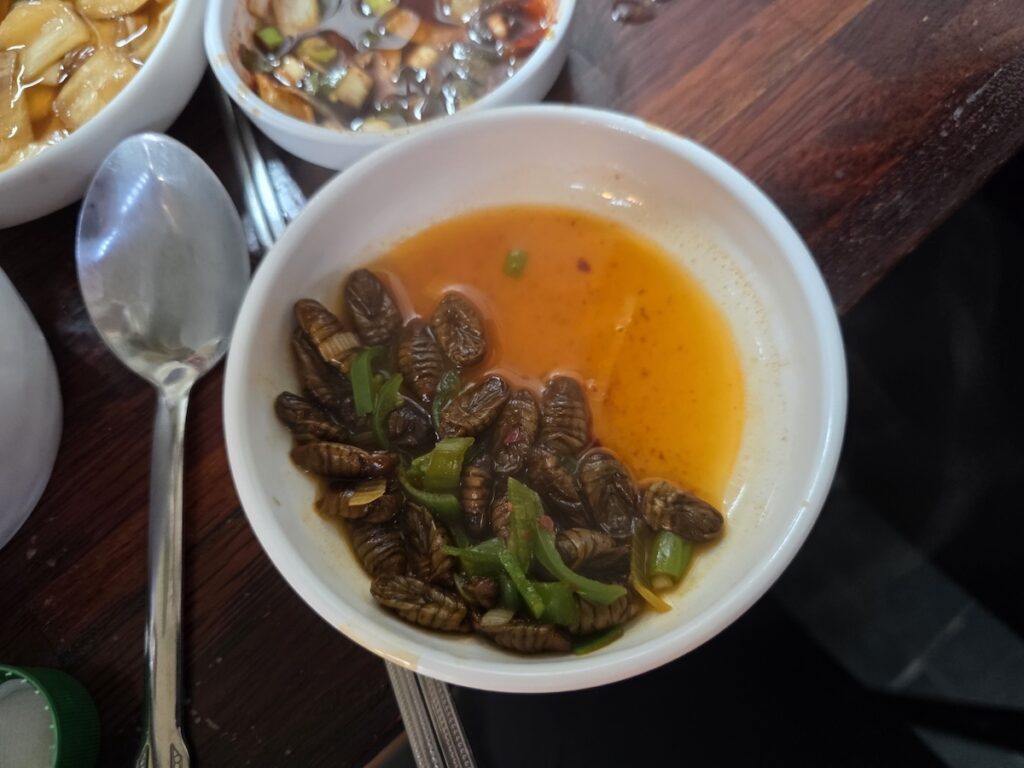
- The Bravery Test: Why Korean Street Food Beondegi is a Must-Try Success Ritual: Challenge your palate with this traditional snack and learn why overcoming the “fear factor” of Beondegi is considered a rite of passage for travelers.
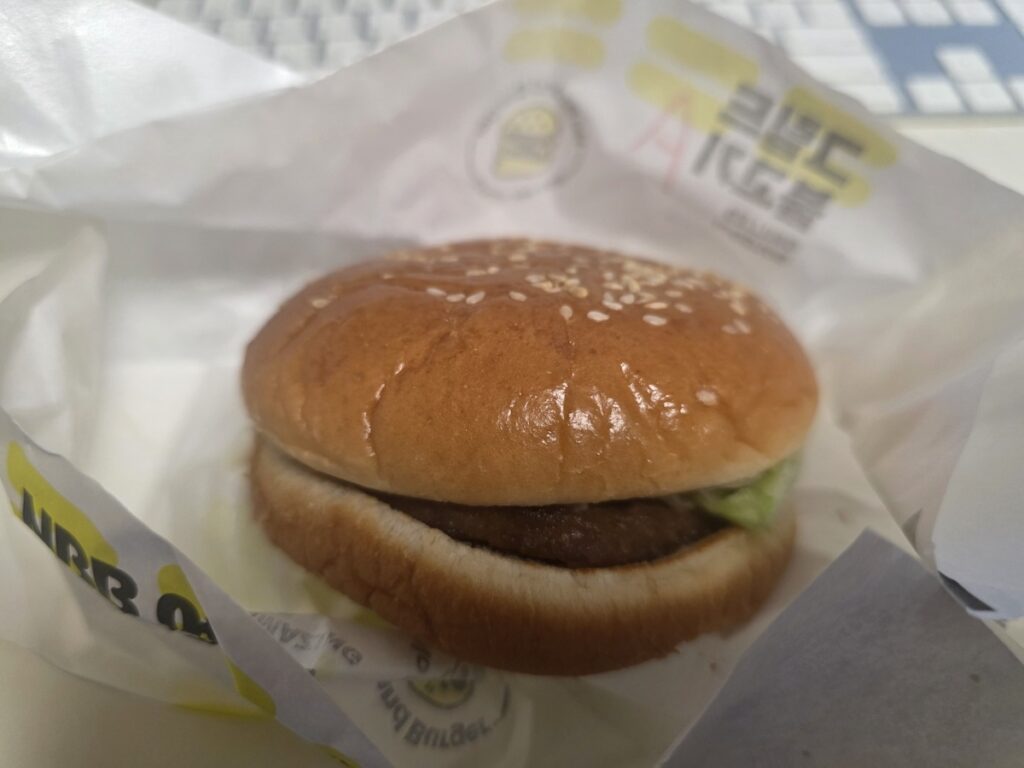
- 7 Best Burgers and Donuts in Seoul: A Guide to Korea’s Fast Food Evolution: From artisanal donuts to gourmet burgers, explore how Seoul has transformed Western comfort food into a high-end culinary trend.
The Art of the Pairing: A Gourmet Street Ritual
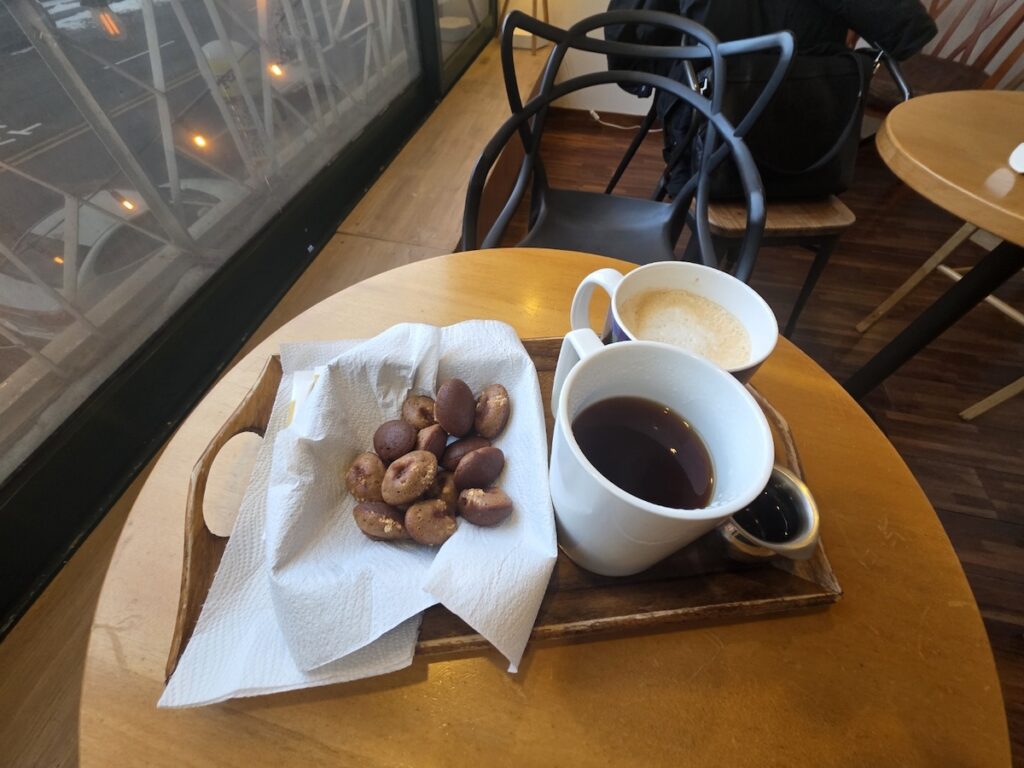
The most critical aspect of the Coffee Bean Bread experience is the beverage pairing. Through careful observation of the Gangnam office culture, a clear hierarchy of compatibility has emerged. The inherent sweetness of the bread, derived from the caramelized sugar and coffee essence, dictates a specific chemical interaction with different caffeine profiles.
The Superiority of the Black Canvas
For the true enthusiast, the Long Black or a sharp Iced Americano is the only logical companion. The acidity of a light-roast Americano cuts through the density of the bread, cleansing the palate between bites. Similarly, an Espresso provides a concentrated bitterness that anchors the floral notes of the pastry.
The Latte Conflict
A common mistake among newcomers is pairing Coffee Bean Bread with a Caffe Latte or a Flat White. Because the bread itself is a concentrated form of “sweetened coffee,” adding a milk-based beverage creates a sensory overlap. The lactose in the milk competes with the sugar in the bread, resulting in a cloying, heavy sensation that masks the sophisticated nuances of the coffee bean essence. To enjoy the ritual, one must embrace the contrast of black coffee.
Cultural Context: Why Seoul Embraced the Bean
Why has this specific snack suddenly populated the streets of Gangnam? The answer lies in the “Desk-Snack Culture” of 2026.
- Generational Shift: While older generations find comfort in the bean-paste fillings of traditional pastries, the younger workforce in Yeoksam prefers the “clean” finish of Coffee Bean Bread, which leaves no sticky residue.
- The Modern Ritual: It bridges the gap between a high-end bakery experience and the convenience of a street stall. It is “Fast-Gourmet”—sophisticated enough for a board meeting, yet accessible enough for a five-minute walk to the subway.
- The Visual Aesthetic: In the era of social media, the literal “bean” shape serves as a perfect visual cue for Seoul’s obsessive coffee culture.
Common Misconceptions: It’s Not Just a Small Walnut Cake
Many visitors initially mistake Coffee Bean Bread for a variant of Hodu-gwaja. However, the differences are foundational:
- Filling-less Design: Unlike traditional Korean pastries that rely on red bean or custard, the flavor of Coffee Bean Bread is infused into the dough itself.
- Texture Consistency: It lacks the “mushy” center of a walnut cake, opting instead for a uniform, sponge-like crumb that mimics a high-end financier.
- Aromatic Focus: The goal is not satiety, but aromatic satisfaction.
Action Plan: How to Experience it Like a Local
- Step 1: The Location: Exit Gangnam Station Gate 12 and walk toward Yeoksam. Look for the yellow-warm lighting of a street cart near the main intersections.
- Step 2: The Order: Purchase a bag of 10 pieces. It is the standard unit for a shared office snack.
- Step 3: The Coffee: Stop at a nearby specialty roastery and order a hot or iced Americano (No sugar).
- Step 4: The Timing: Best enjoyed within 5 minutes of baking, while the exterior still holds its “Barak” crispness against the cooling Seoul wind.